Why It Happens Here
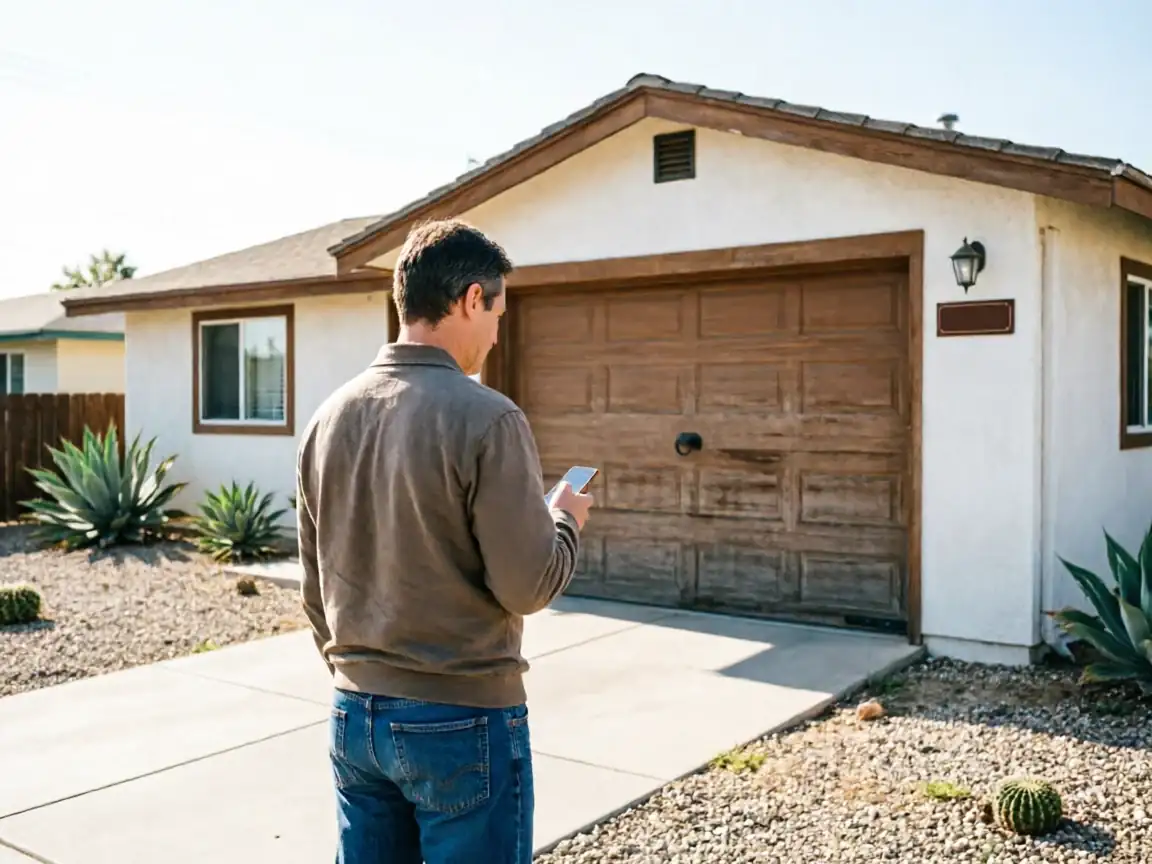
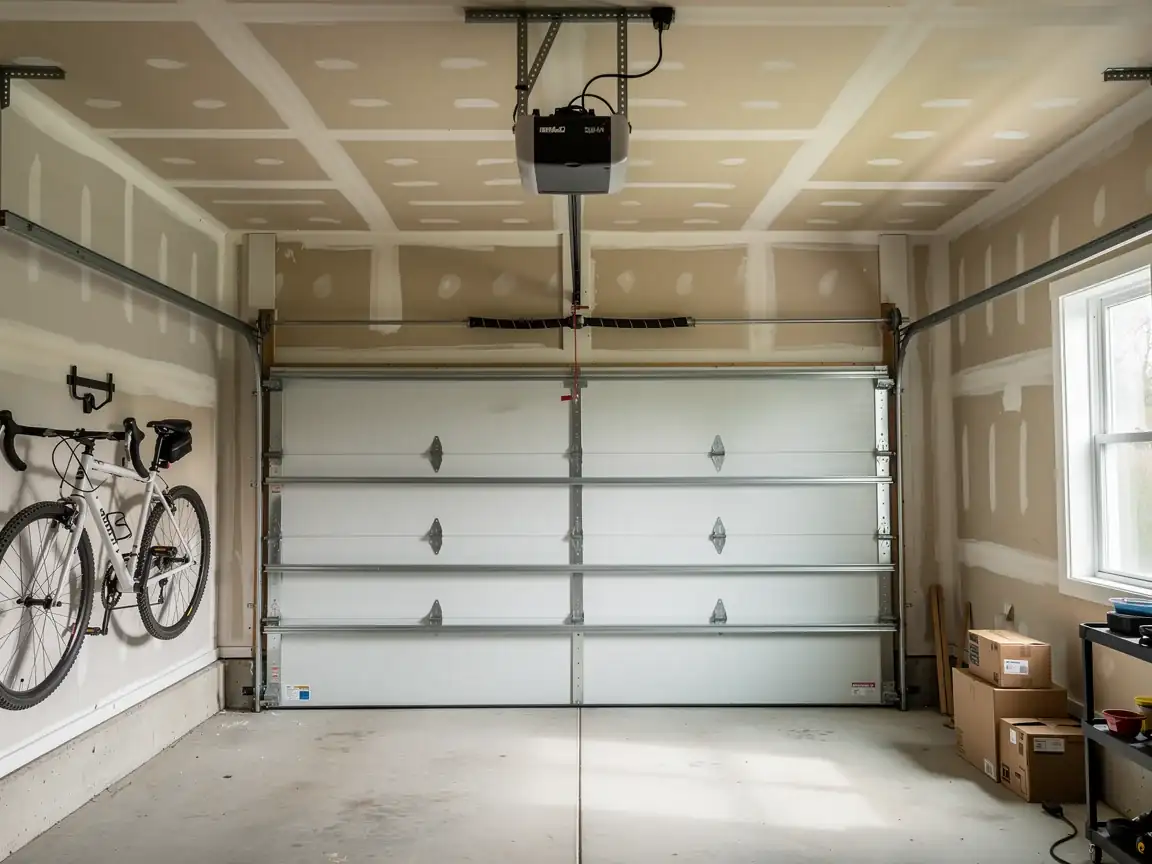
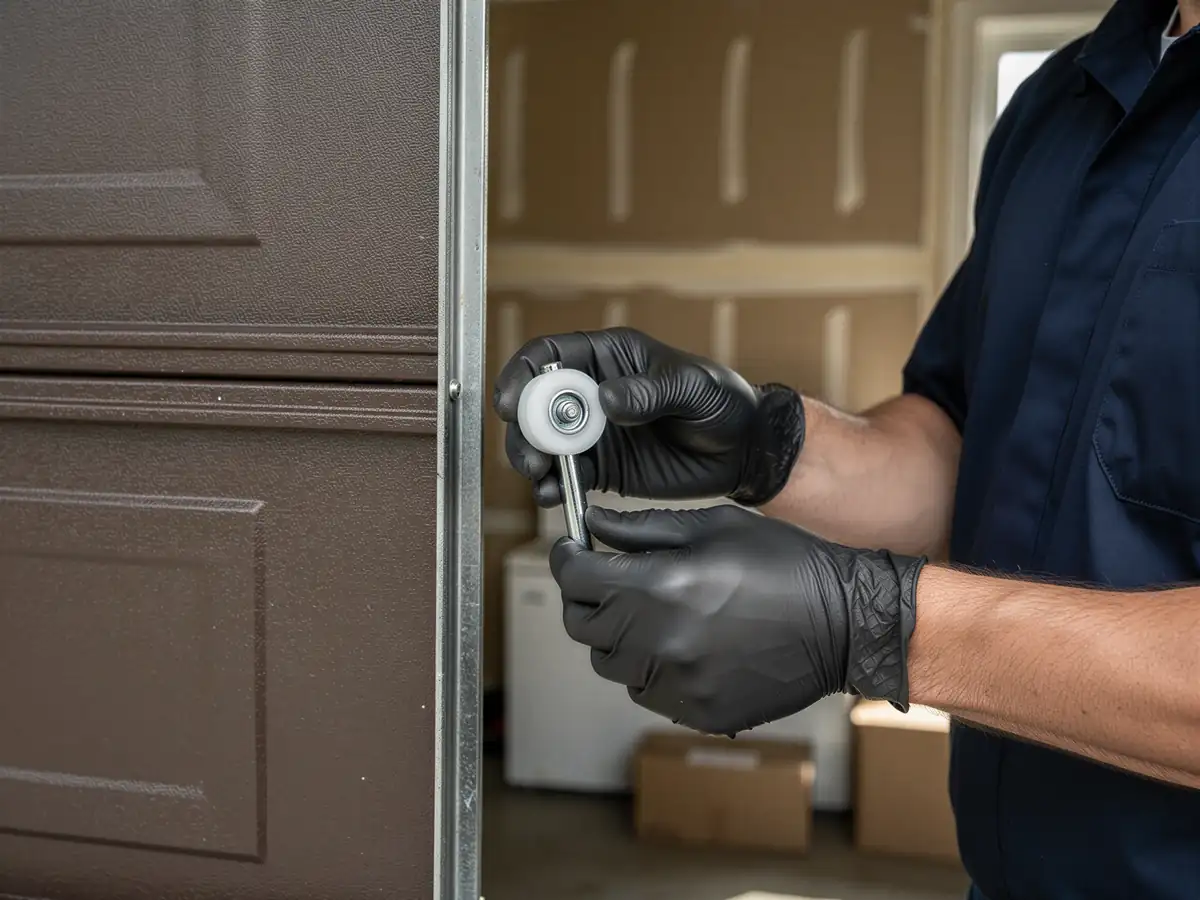
Rossmoor's homes mostly went up around 1959, a few years ahead of the broader area's 1964 median build year. That matters for rollers specifically: a door built in the late 1950s likely got steel rollers on plain bearings, or an early nylon roller if it was ever upgraded once in the decades since. Either way, a lot of what's turning in those tracks right now is original or close to it, and nobody designed 1959 hardware to run another 65 years without attention. The mild coastal climate around here is actually kind to these doors in one sense - you don't get the freeze-thaw cycling that splits cheap nylon rollers in colder parts of the country. What you do get is decades of dust, pollen, and dry grit working into the roller stem and bearing, which wears the roller round instead of cracking it. By the time an owner hears the grinding, the roller's usually worn oval, not broken clean. That's a slower failure than a cold-climate crack, but it still ends the same way: a door that jumps the track or binds halfway up."
What It Costs
We're not going to put a number here that doesn't hold up once a tech is standing in front of the actual door, because roller jobs vary more than people expect. A standard 7-foot door takes 10 rollers; a taller or custom door can take more. The spread between steel ball-bearing rollers and sealed nylon rollers is real, and on a door with original 1959 hardware, we sometimes find the track itself needs minor adjustment at the same time, which changes the labor side of the job. What we can tell you is that most Rossmoor jobs are a full roller set rather than a one-or-two swap, because if ten rollers are the same age, the other eight are close behind the two that failed first. We'll give you the actual number after we've looked at your door and your track, not before.
Where This Job Goes Sideways
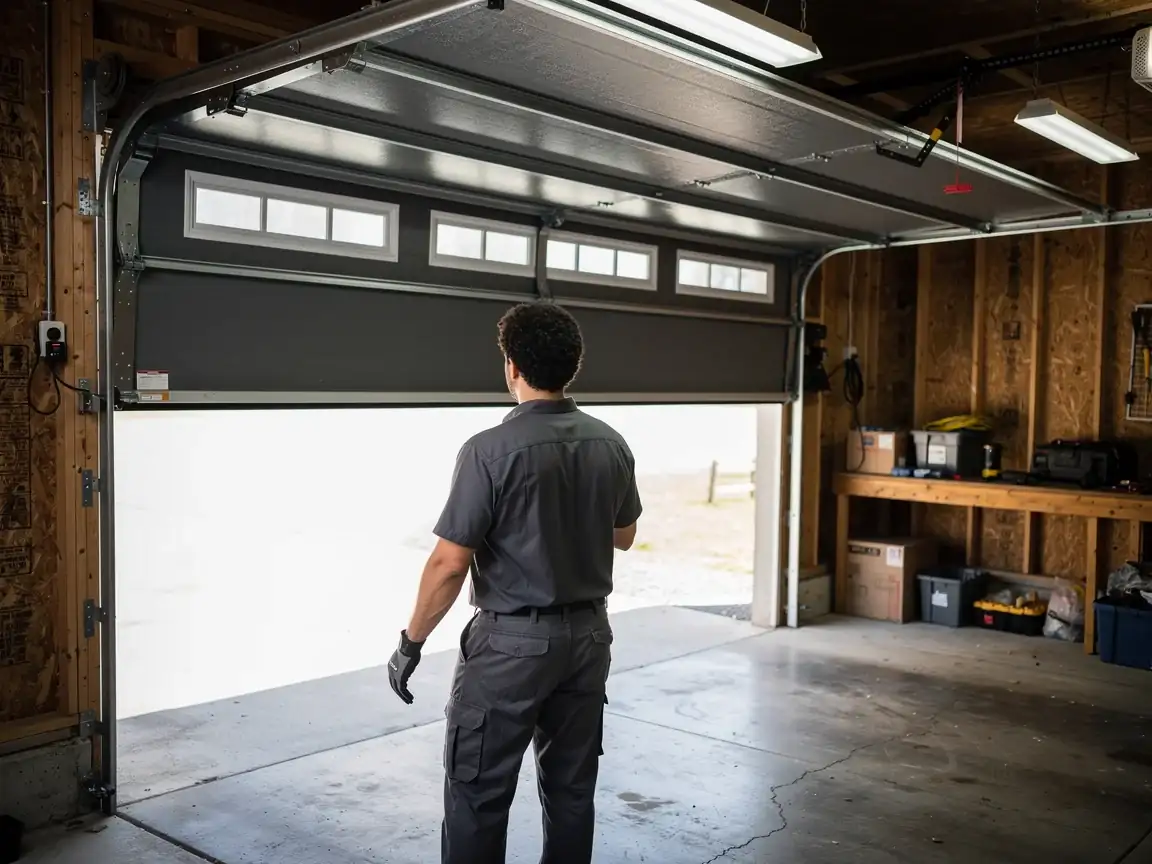
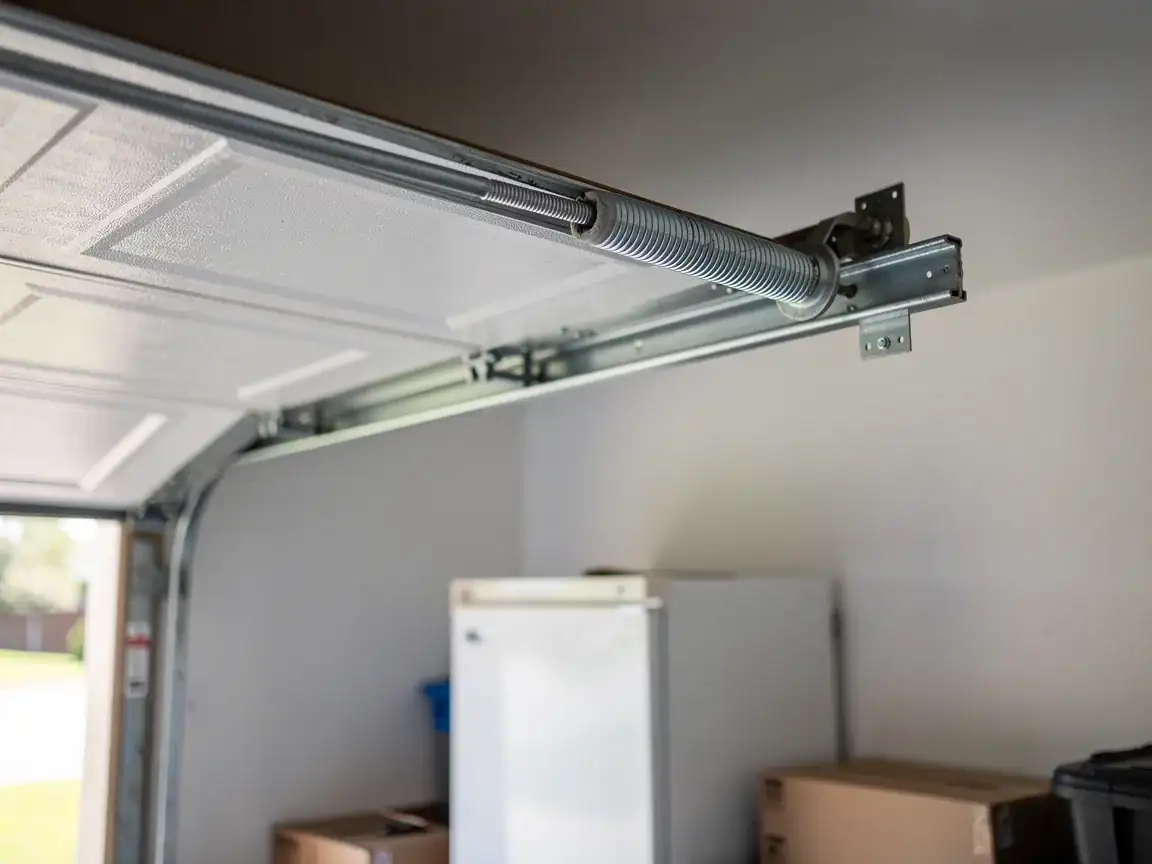
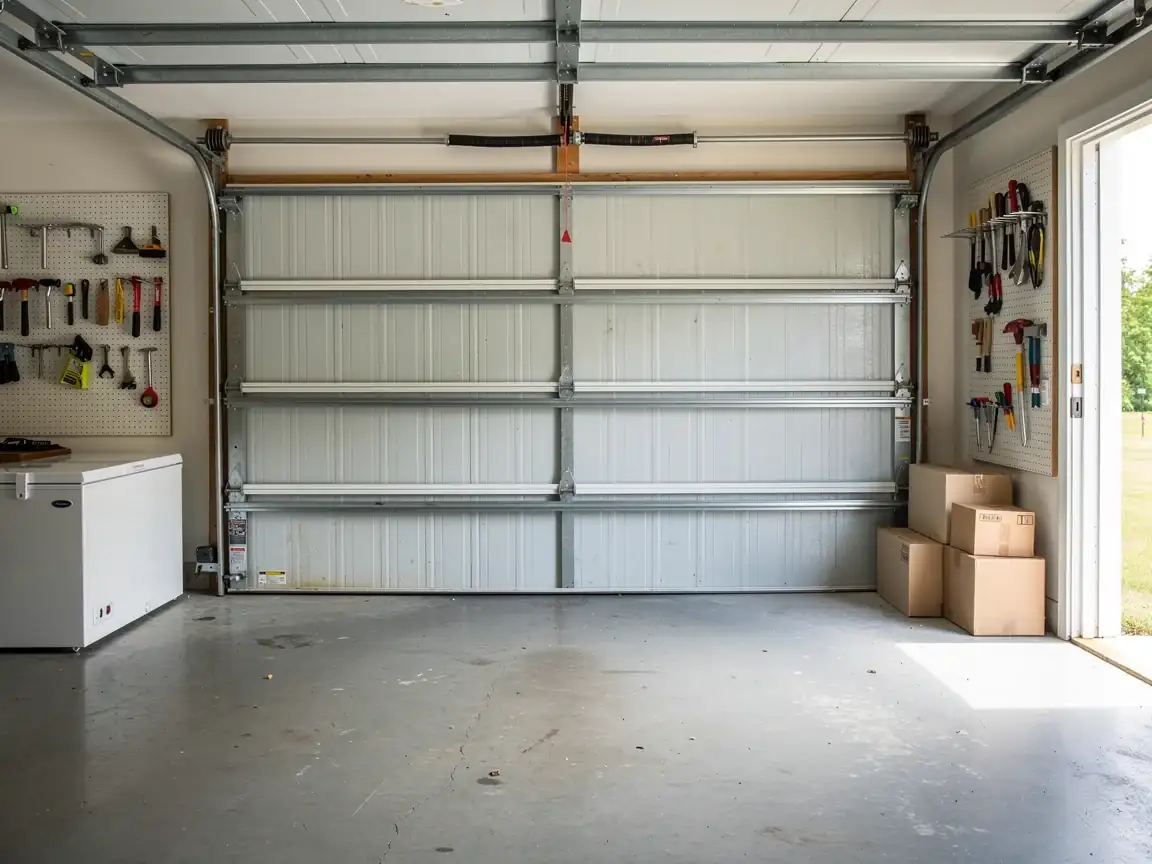
A roller swap goes bad when the rollers aren't actually the root problem. If the track brackets have loosened from the jamb over six-plus decades, or the track itself has bowed from a car bump that nobody remembers happening, new rollers will just wear unevenly again inside a few months. We check for this before we quote the job, but it's worth saying plainly: on a house with original 1959 structure around the door opening, we sometimes find the whole track assembly needs replacing, not just the rollers riding in it. That's not us upselling - it's that a new roller in a bent track fails faster than the one you just pulled. The other place this goes sideways is when a homeowner's been running the door on a badly worn roller for months; by then the track lip itself can be gouged from metal-on-metal contact, and the track needs truing or replacing along with the rollers. We'll tell you straight if that's what we're looking at instead of just swapping parts and hoping.
The Symptom
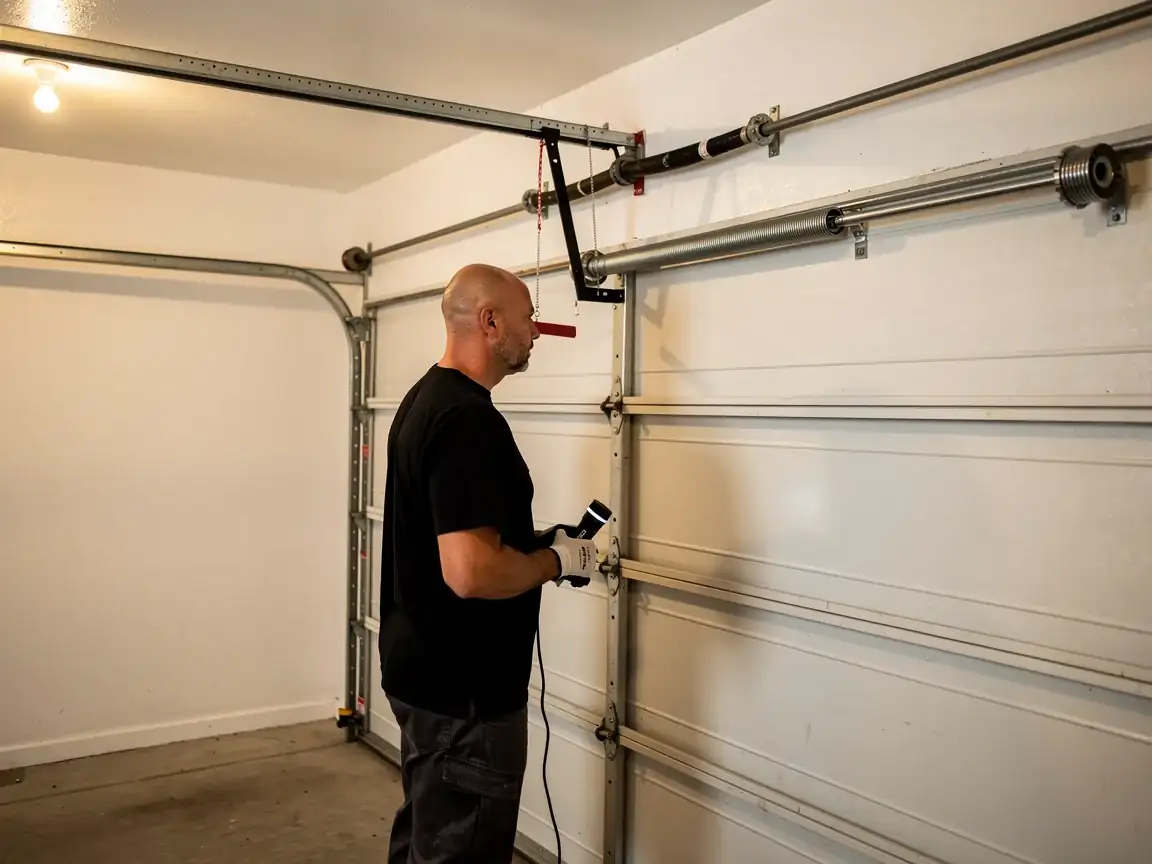
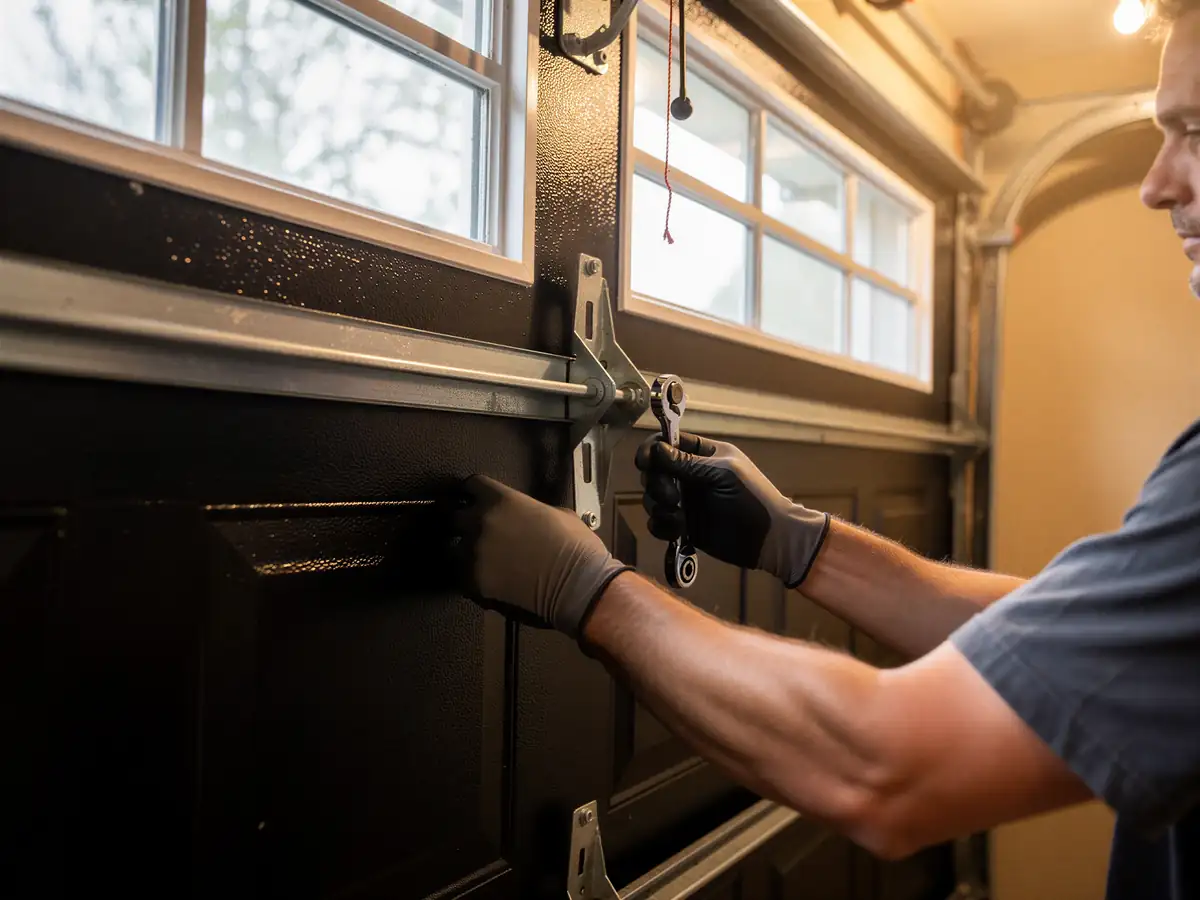
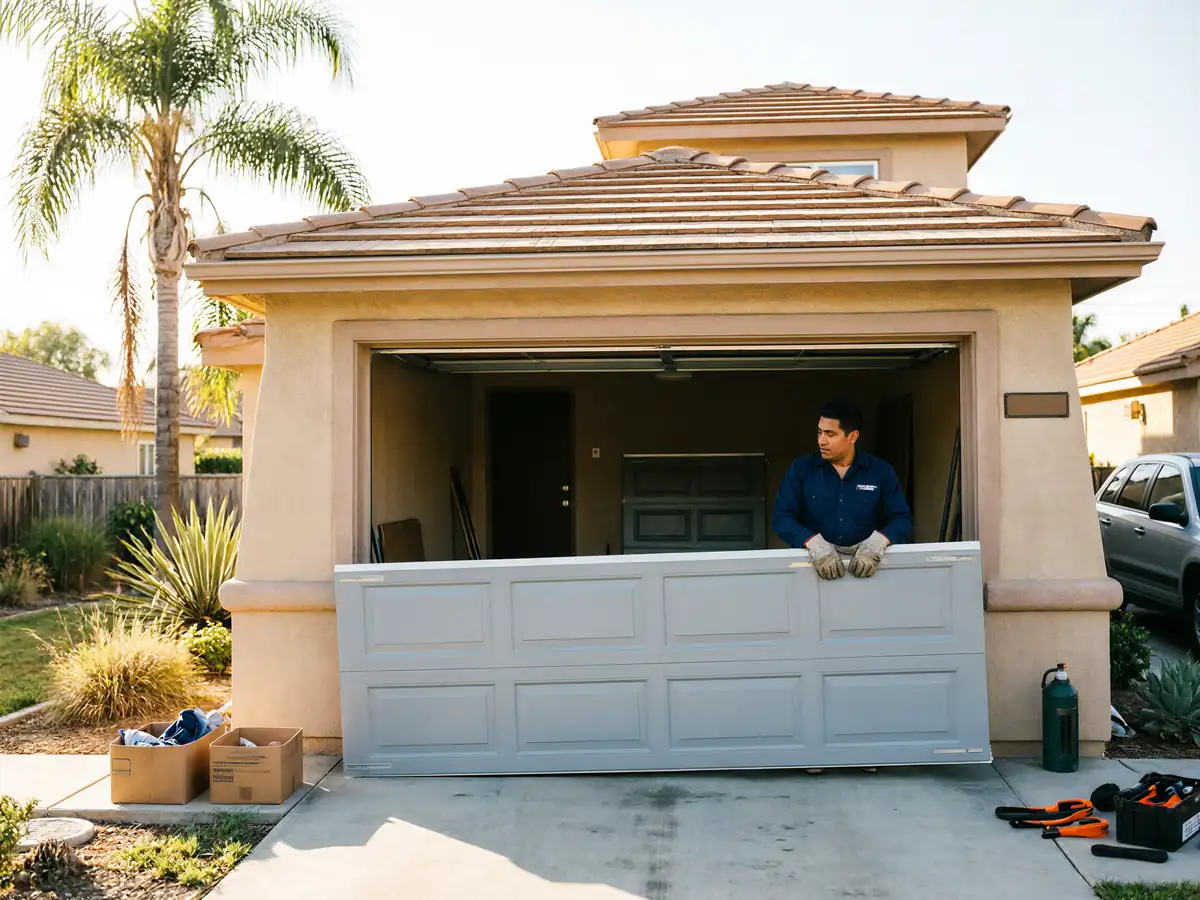
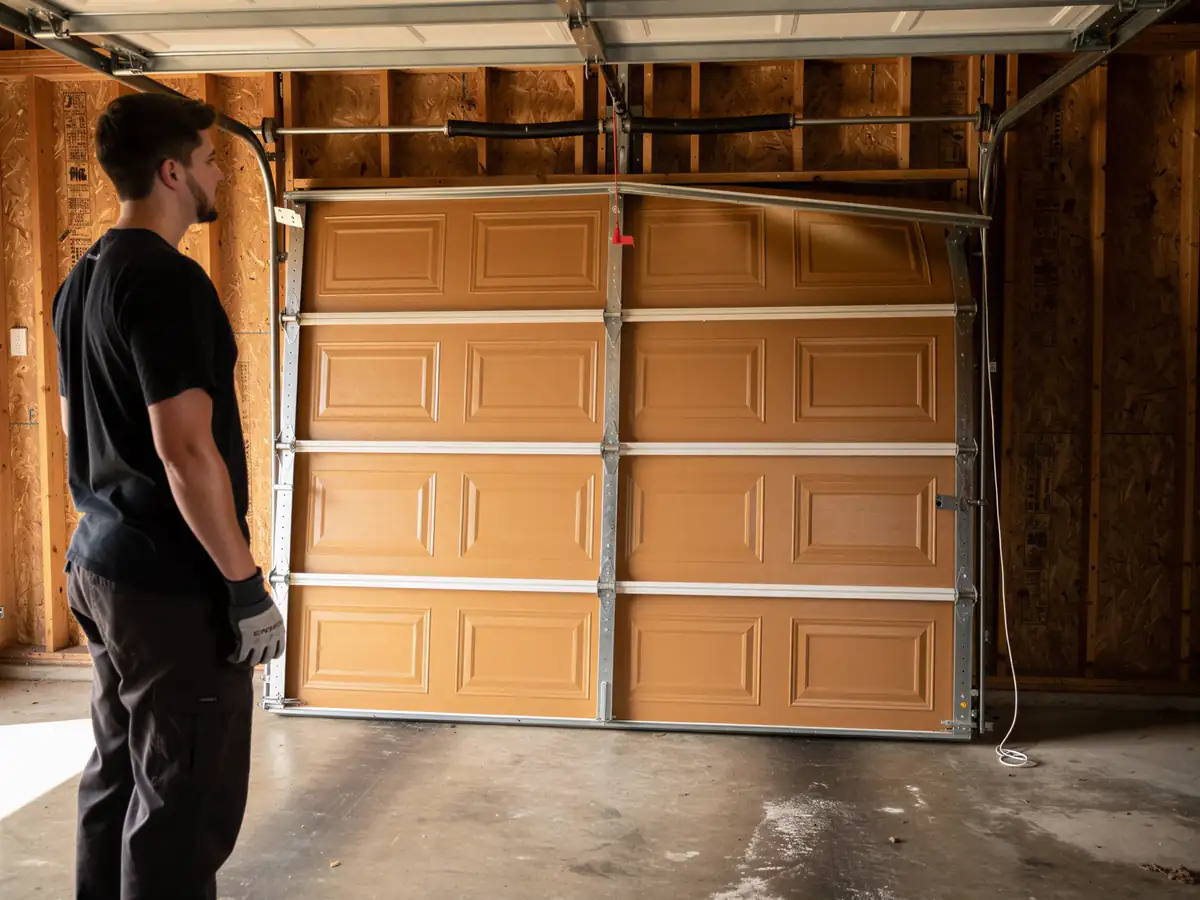
The giveaway is sound before it's motion: a rhythmic grinding or popping as the door travels, getting louder in the same two or three spots on every cycle. That's a roller that's worn flat on one side, hitting the track unevenly as it rolls. Left alone, it progresses to the door catching or jumping slightly at that spot, and eventually to a roller popping fully out of the track, which can bind the door mid-travel or in the worst case bring a panel down crooked. If you're hearing a scrape rather than a grind, that's often the roller stem dragging against a track flange that's bent rather than the roller itself failing - worth mentioning when you call, since it points us toward checking the track first.