Why It Happens Here
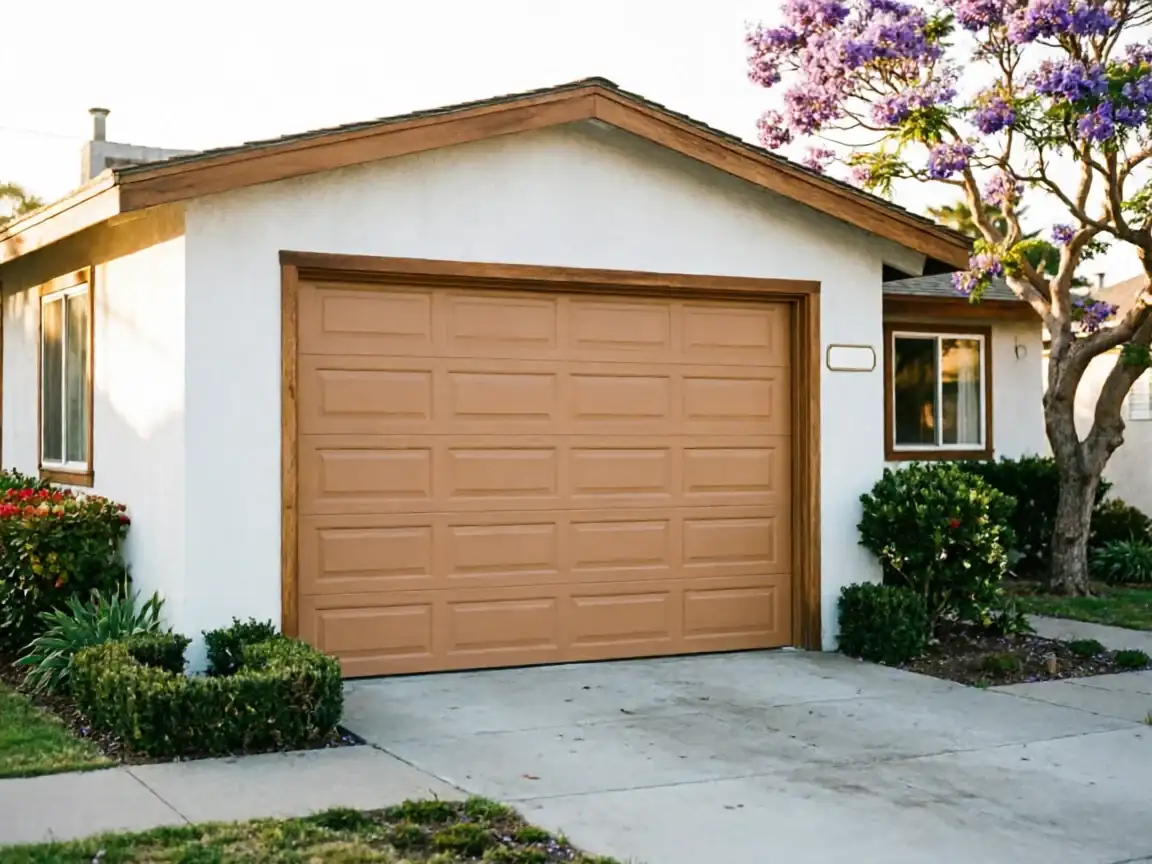
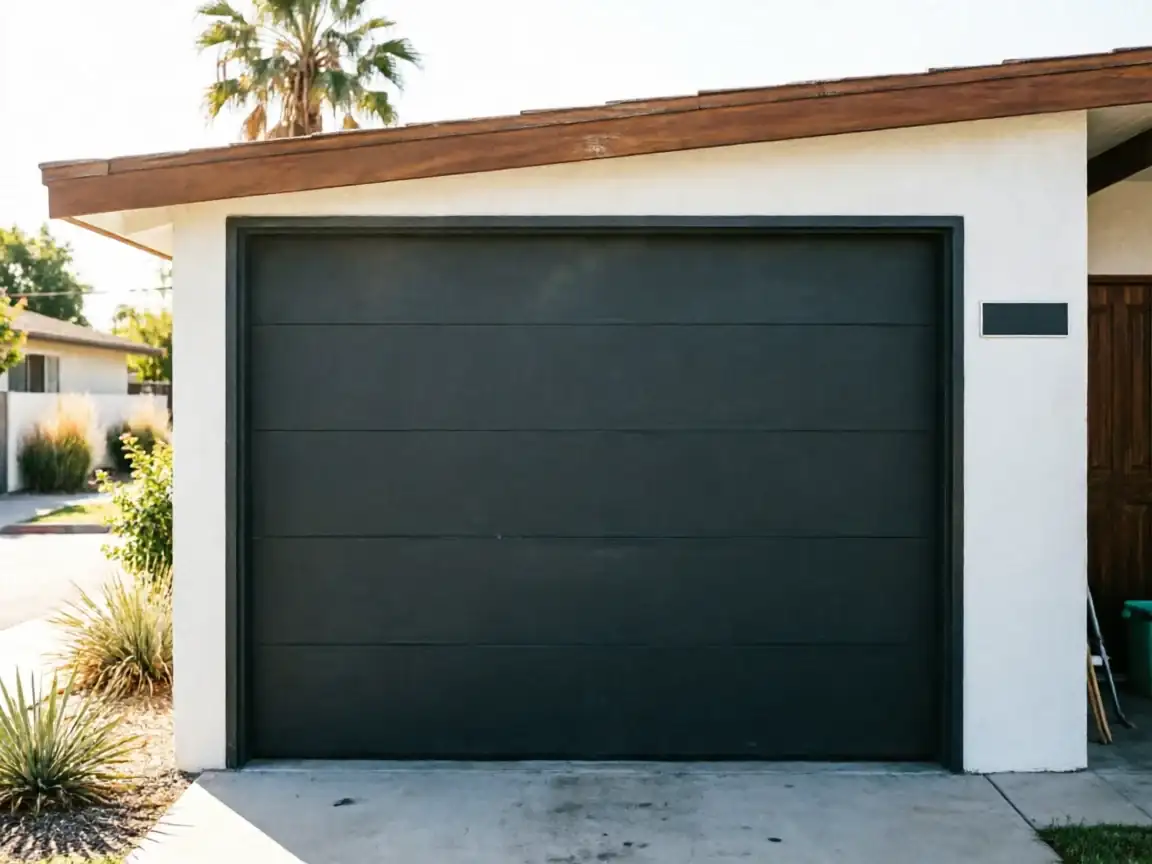
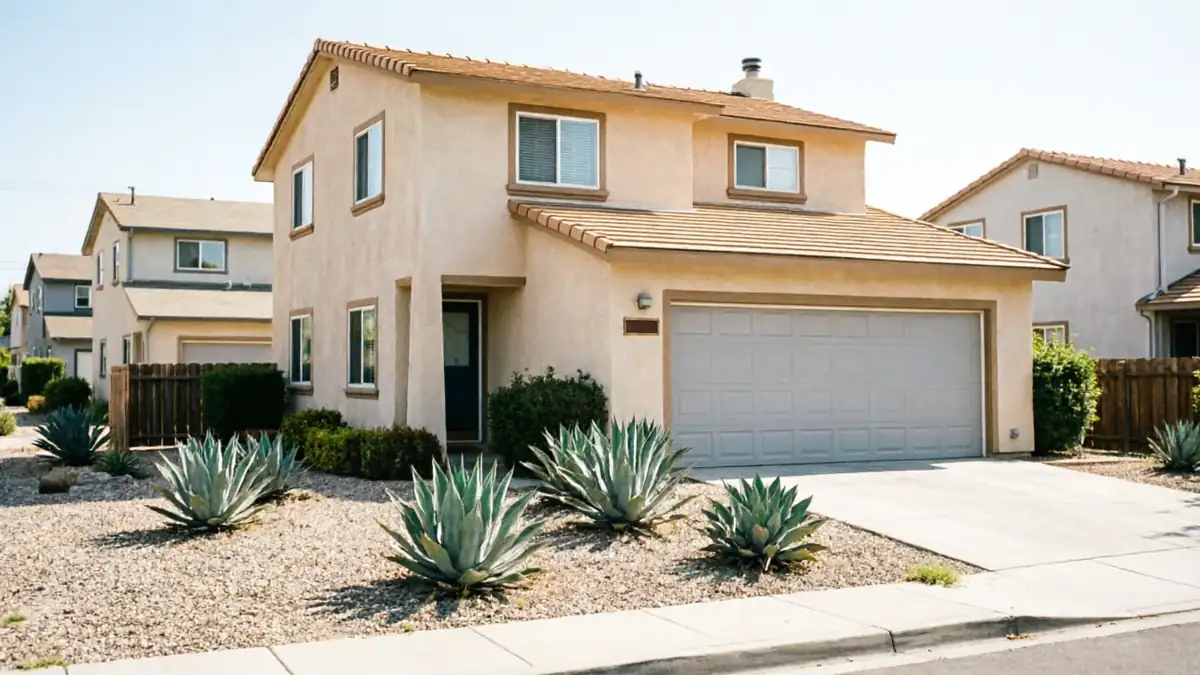
Long Beach housing runs from 1947 up through 2012, but the median build year lands at 1964, and most of the stock across the 58 named areas in this service territory is 1960s-70s construction. That means a huge share of garage doors and openers in this city are working on hardware that's pushing 50 to 60 years of duty cycles. Springs, cables, and rollers don't last forever regardless of climate - they fatigue from use, and a door built in the Eisenhower or Johnson era has had a lot of open-close cycles by now.
The mild temperate climate here helps in one way: you don't get the freeze-thaw cracking or the extreme heat swelling that wrecks doors and tracks in harsher parts of the country. Wood doesn't warp the way it does somewhere with real winters, and steel track doesn't contract and expand violently. But mild weather doesn't stop metal fatigue. A torsion spring rated for a certain number of cycles wears out on schedule whether it's in a mild climate or not - it just doesn't get help from weather extremes to fail faster or slower. So in Long Beach, age of the hardware, not storm damage, is almost always the root cause we find.
This matters because a lot of homeowners here assume a sudden garage door problem means something broke. Usually it means something finally wore out, after decades of quiet use.
How to Book
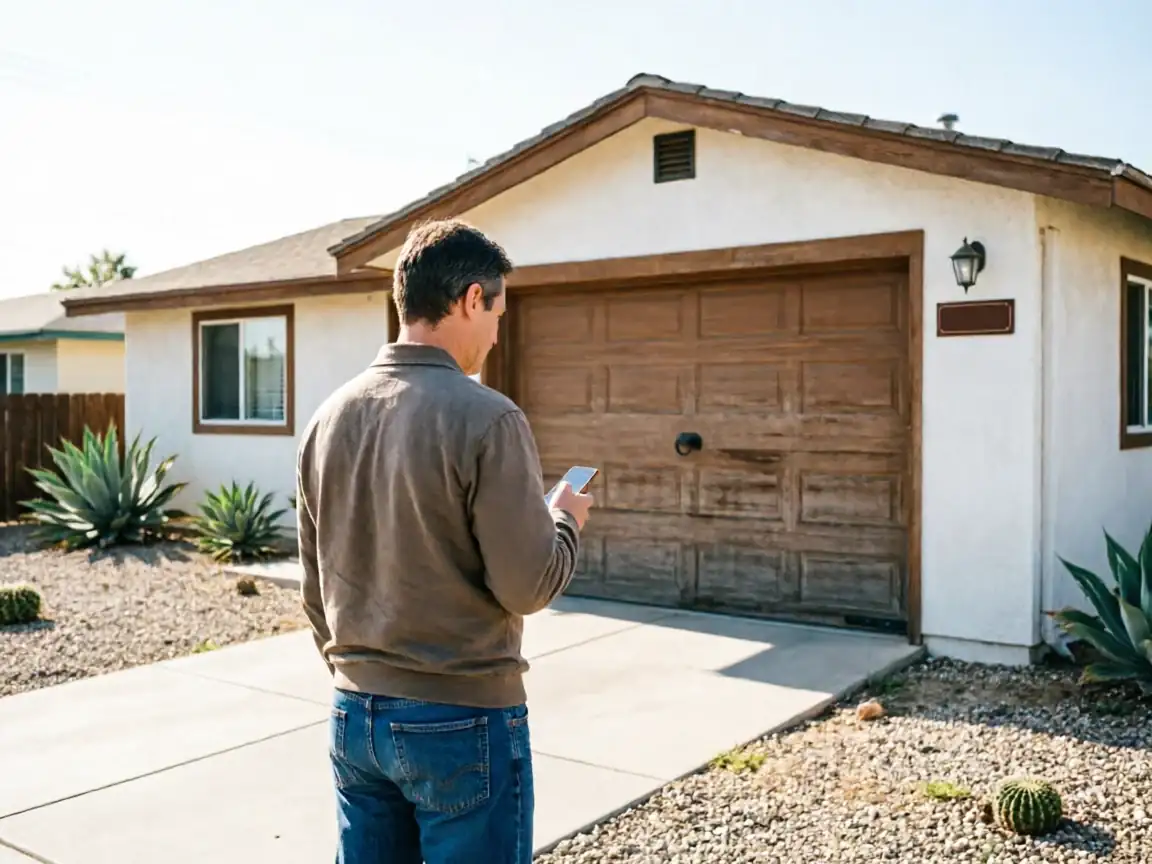
Call or use the contact link on our site and tell us what the door is doing
Won't open, grinding, off track, opener clicking but nothing moving. That one detail changes what we bring on the truck. We serve the Long Beach area including neighborhoods like along with nearby cities like Signal Hill, Lakewood, Rossmoor, Seal Beach, and Carson.
If your house is in one of the older sections of town built in that 1960s-70s window
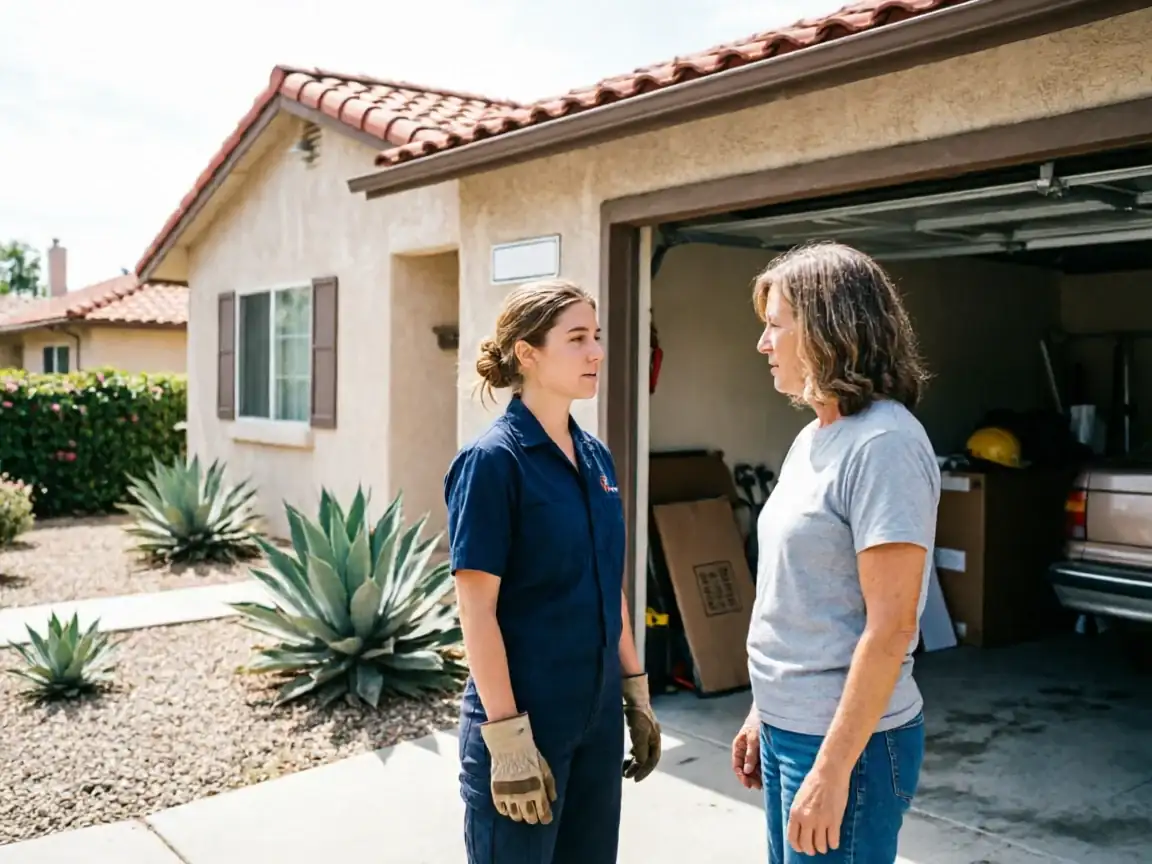
Mention the approximate age if you know it - it helps us guess at the parts before we even get there, since torsion spring sizing and track style changed over the decades.
We don't do emergency dispatch outside normal scheduling
And we're upfront about that: if you need someone at 2am because the door won't close and you're worried about security, we're not the right call for that specific situation. For everything else - broken springs, doors stuck on track, openers that hum but don't lift - we schedule the visit and bring the right stock for the job.
The Symptom
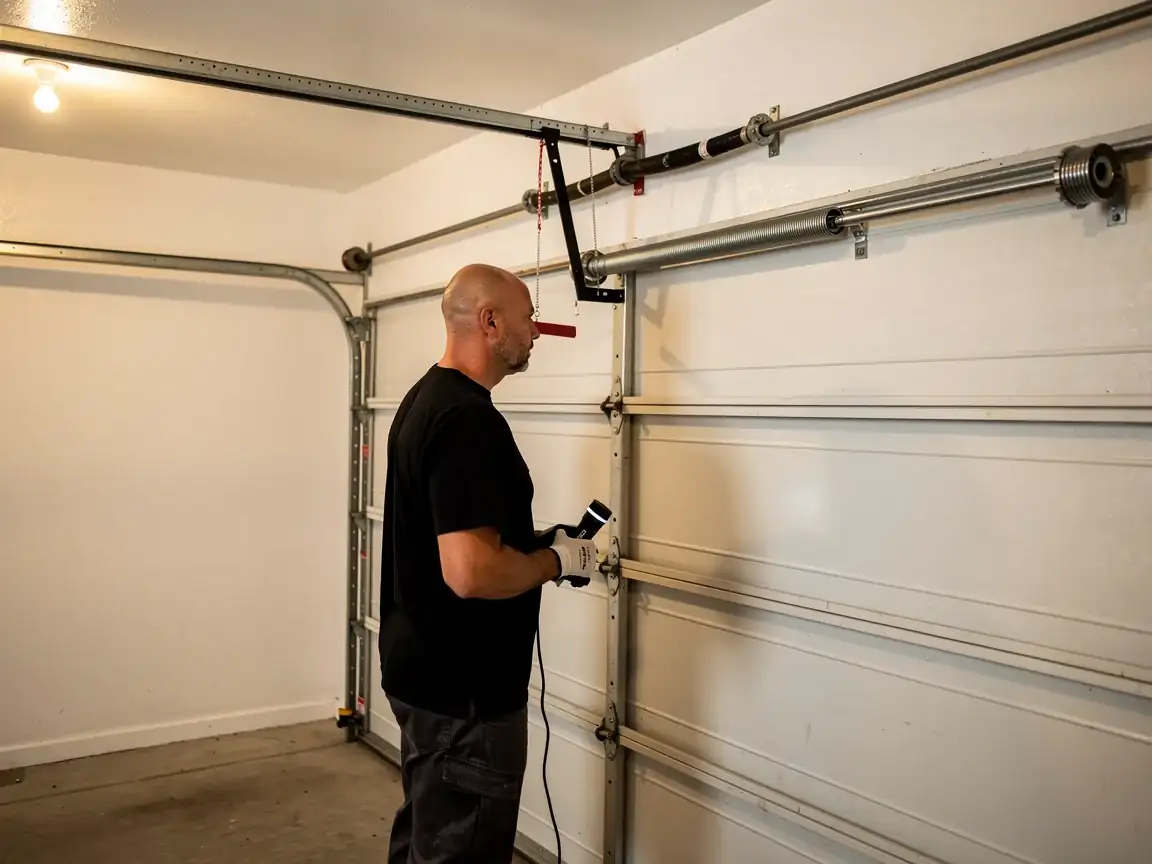
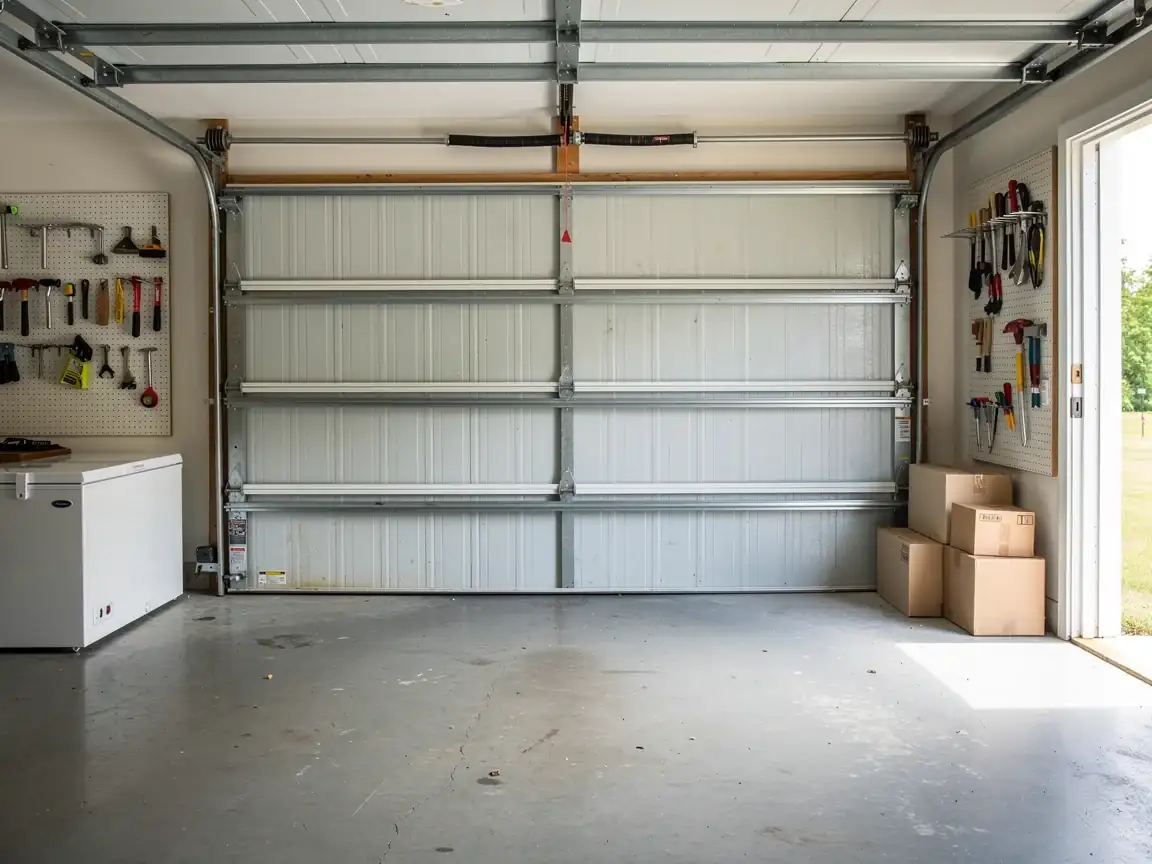
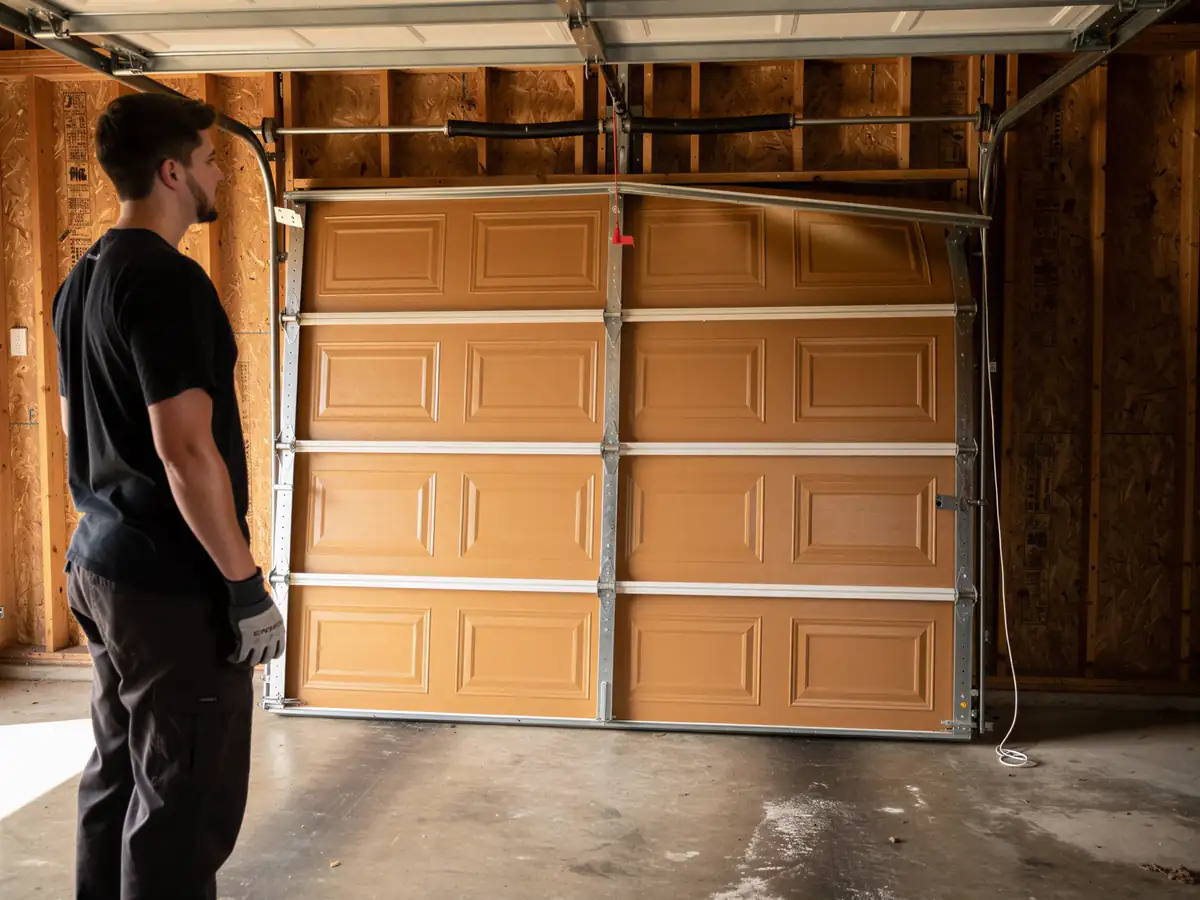
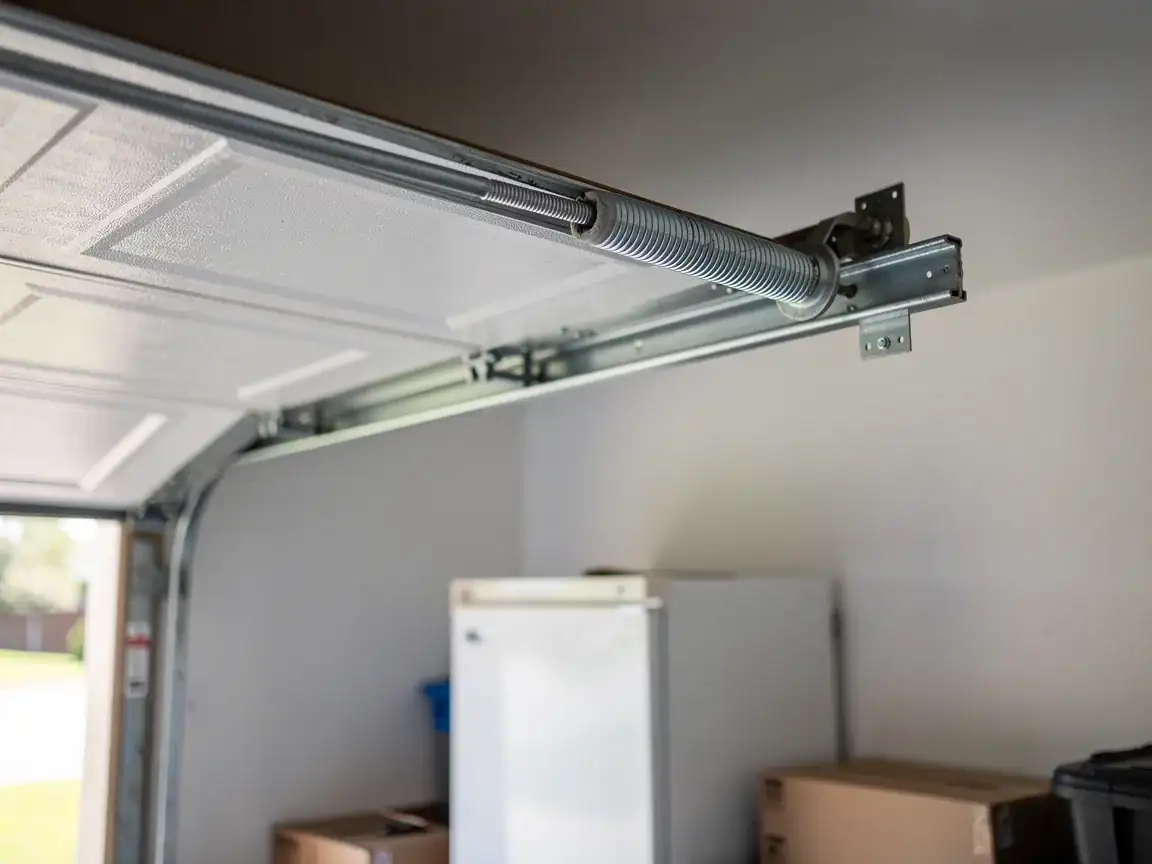
The most common call we get in this city is a door that either won't budge at all or moves a few inches and stops. Nine times out of ten that's a broken or badly worn torsion spring - the coiled spring above the door that does the actual lifting work, with the opener just providing the push. On a door installed when the house was built in the 1960s or 70s, that spring has done its job for decades and it's simply at the end of its rated cycle life.
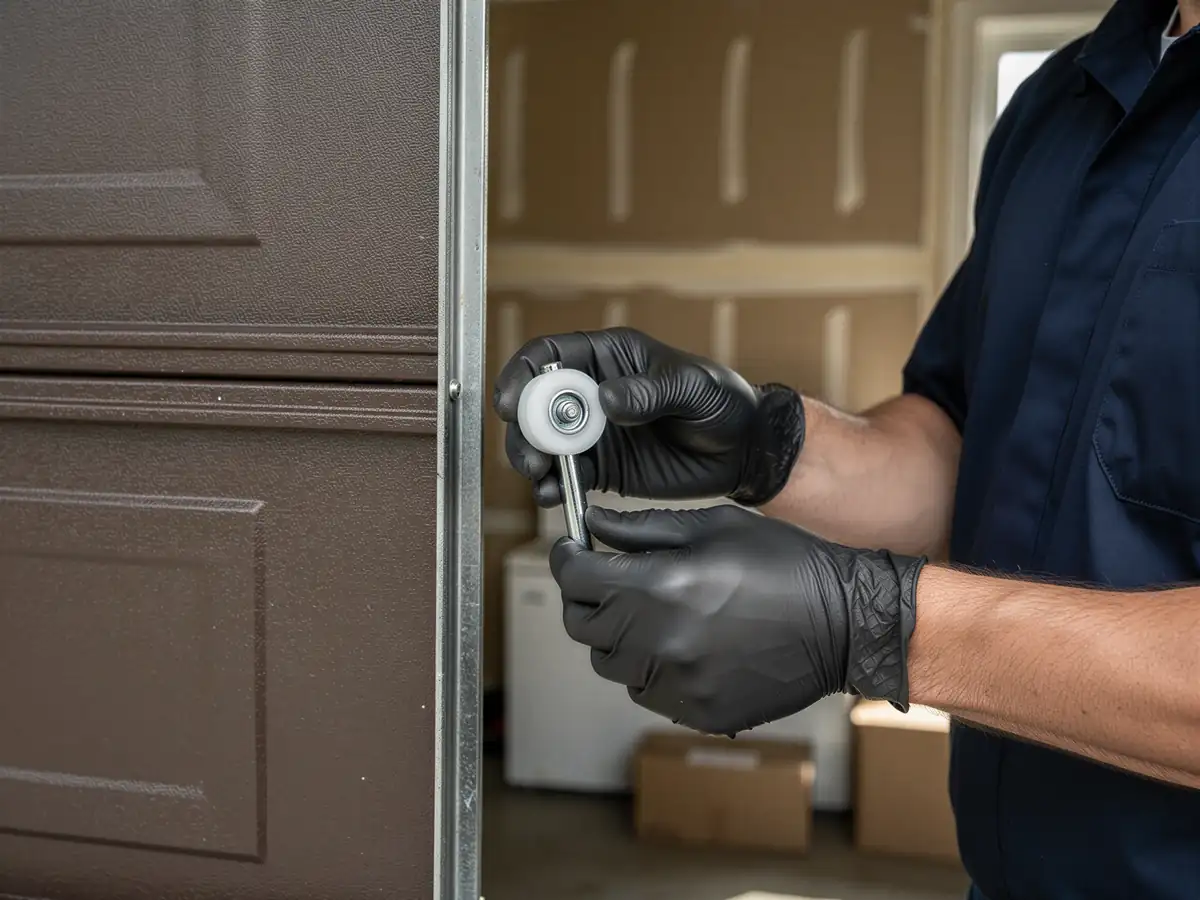
A second common pattern: the door runs rough, shudders, or jumps in the track partway up. That's usually worn rollers or a track that's drifted out of alignment over years of the door settling against its own weight. Neither of these is a climate failure - mild temperate weather doesn't push tracks out of square the way freeze-thaw regions do. It's straightforward mechanical wear from a long service life.
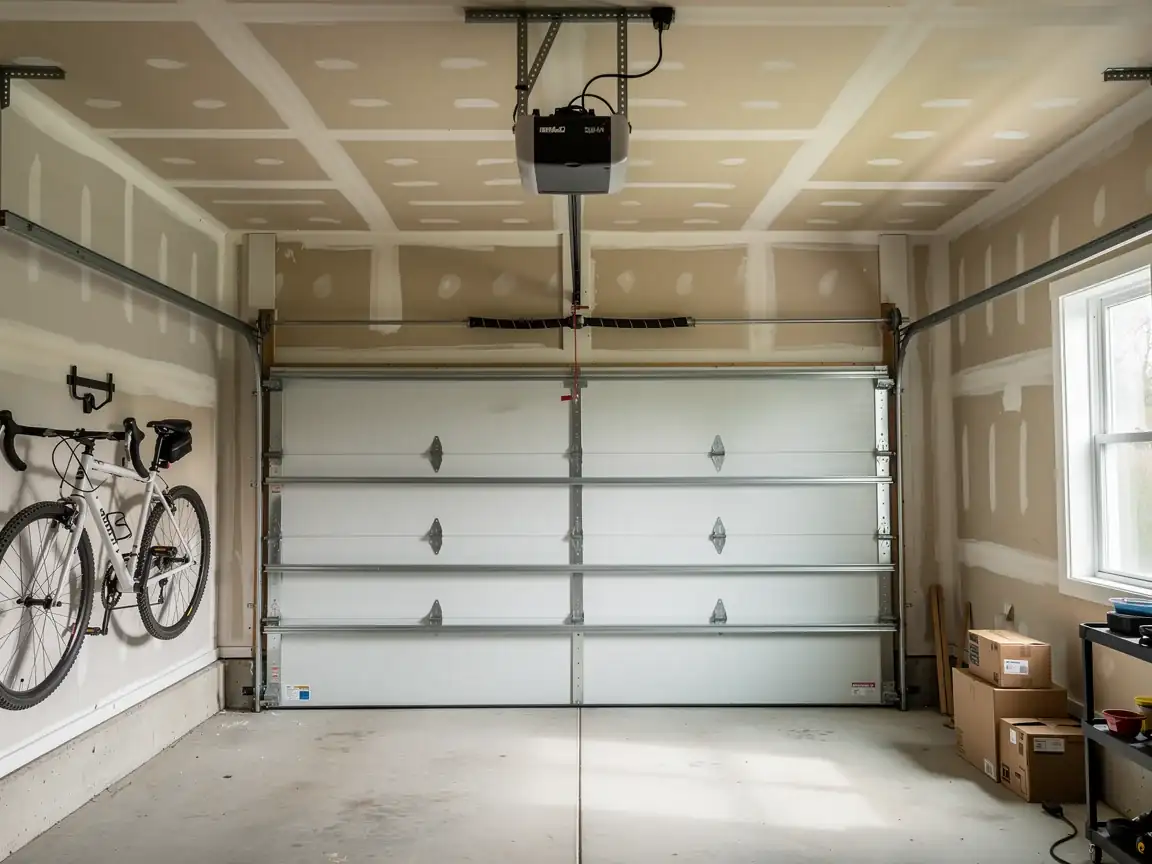
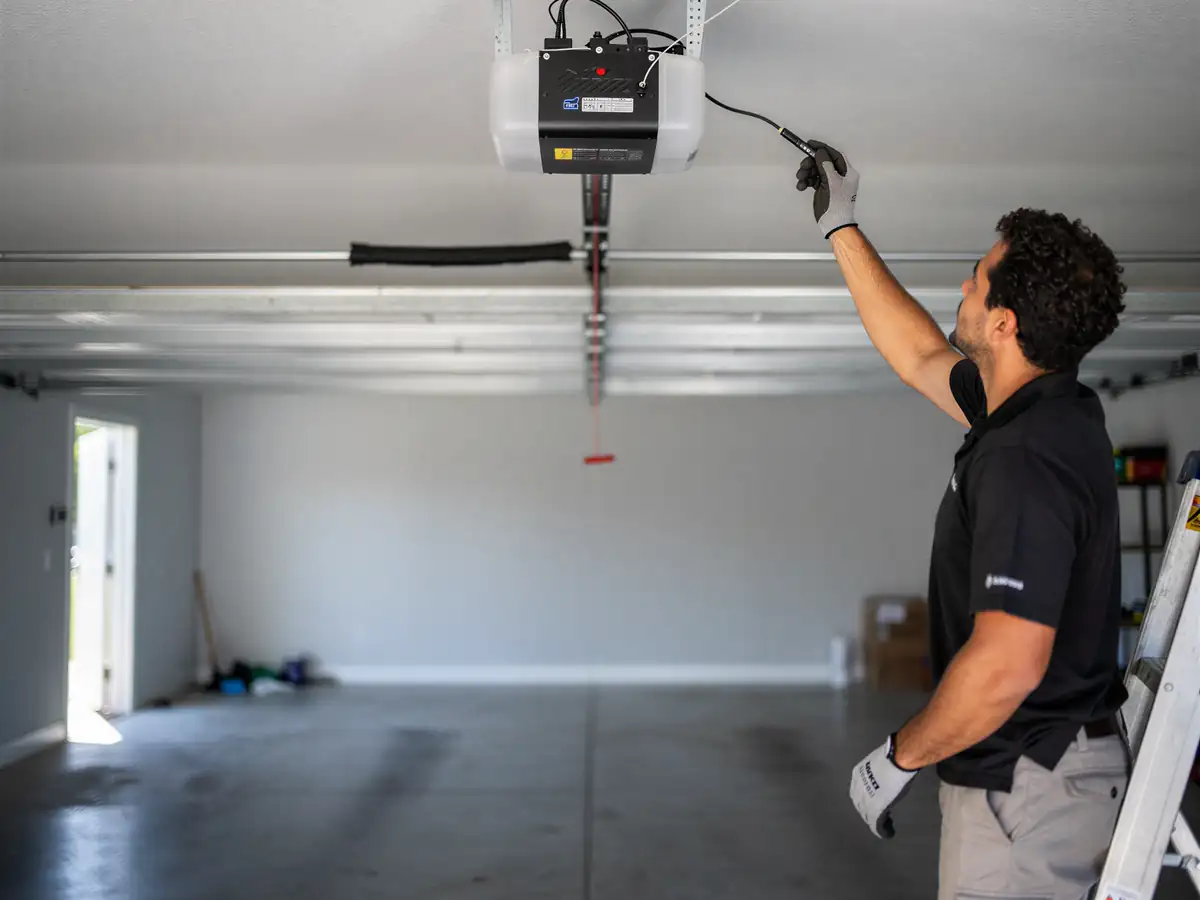
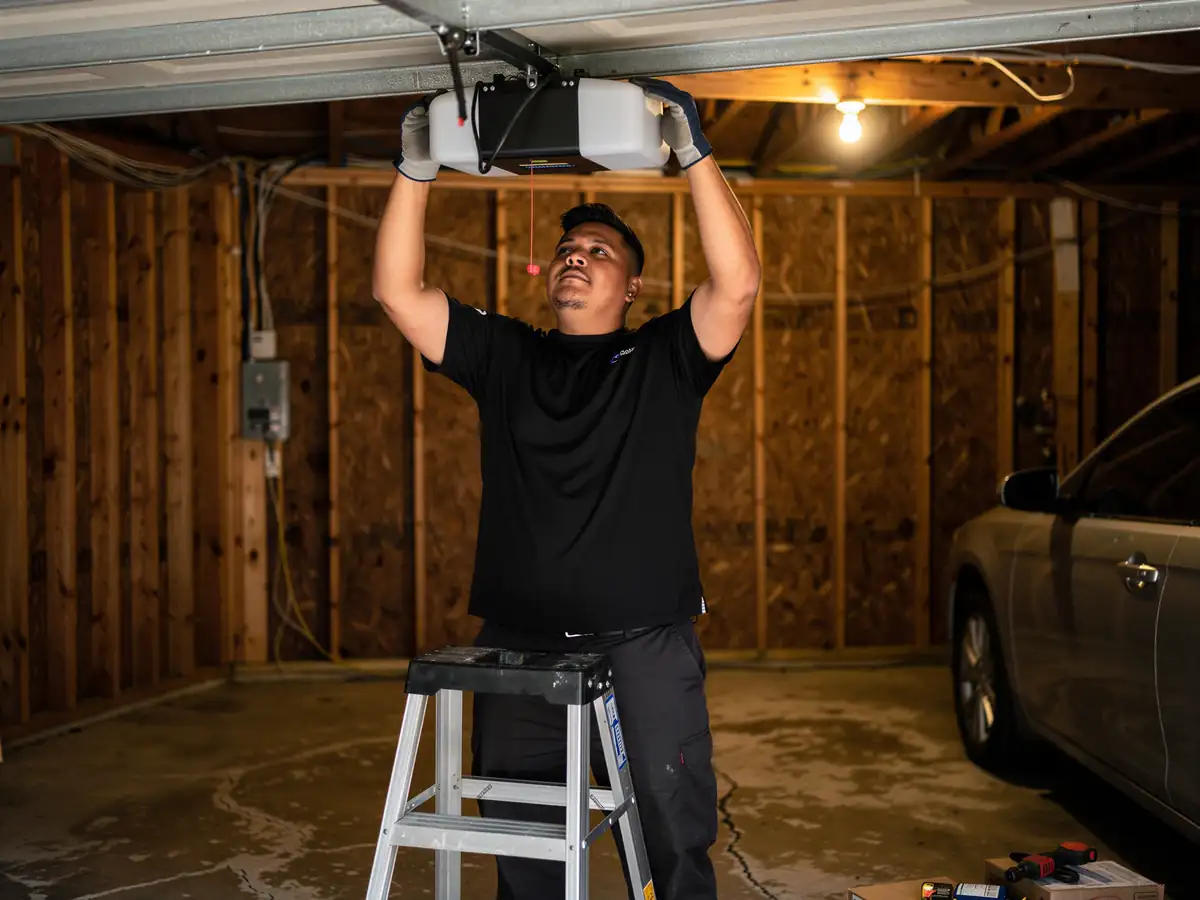
Less often, we get openers that run but don't engage the door - a stripped gear inside the unit, which shows up more on original-equipment openers that came with an older build. If your opener and door date back to when the house went up, that's the first thing we check.
How We Fix It
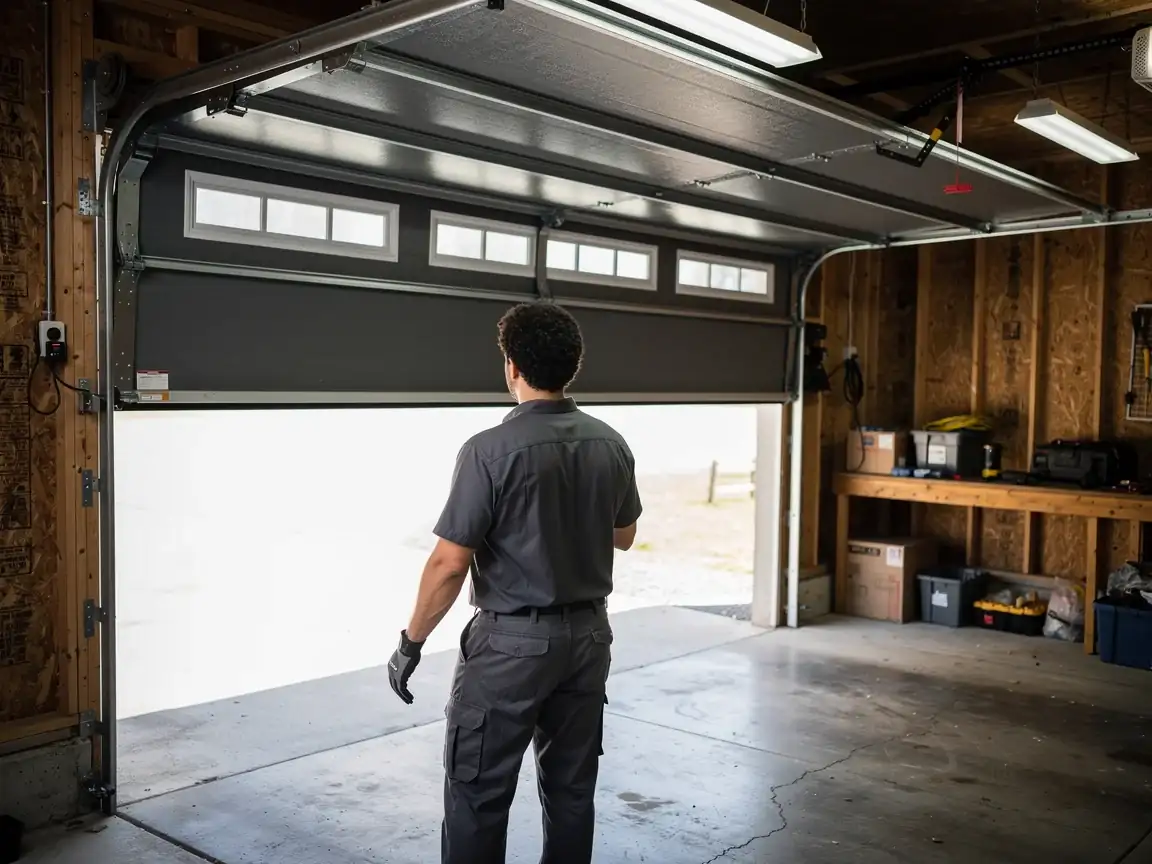
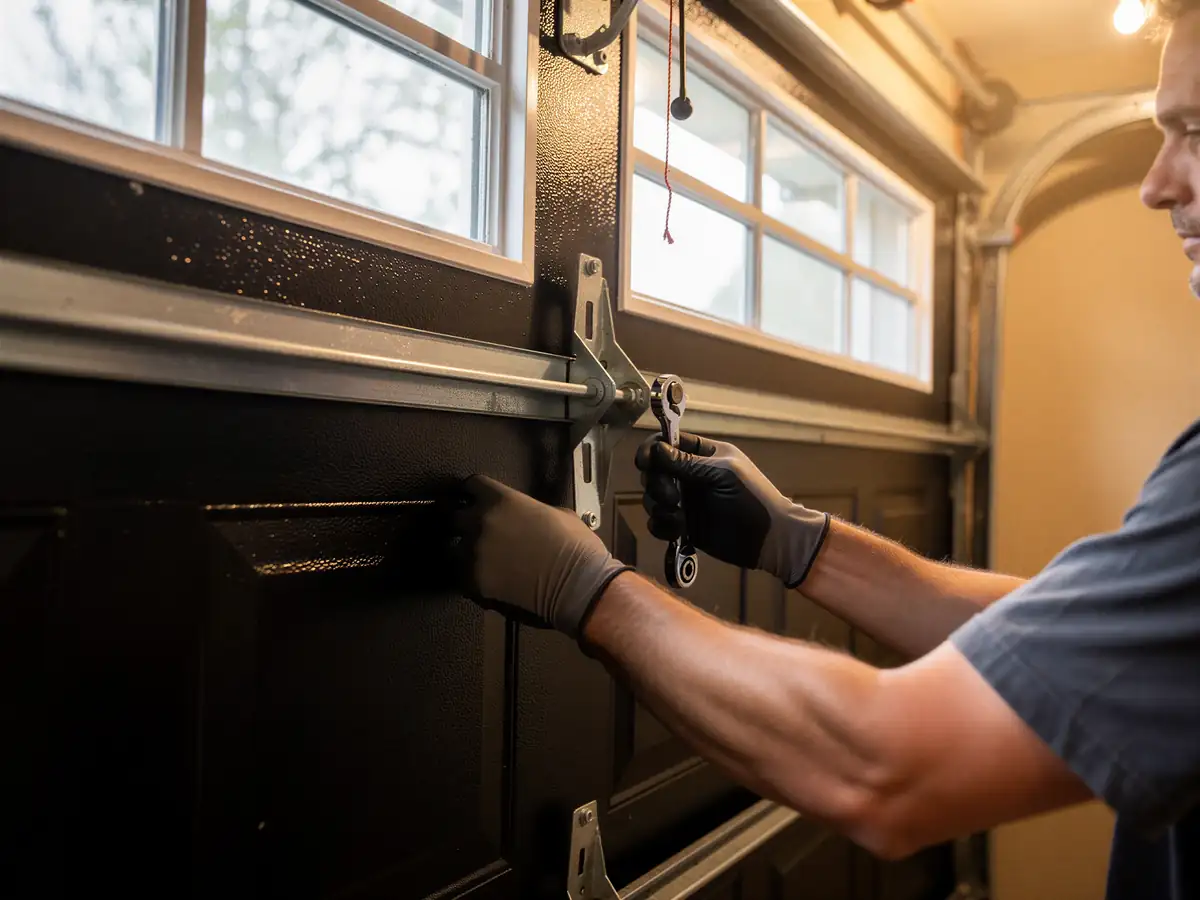
For a broken torsion spring, we replace it - we don't patch or rewind a spring that's past its life, because a partial fix on a spring under that much tension isn't worth the risk to you or to us. We size the new spring to the door's actual weight and track configuration, which varies more than people expect across a city with housing spanning 1947 to 2012.
For track and roller wear, we realign the track and swap worn rollers rather than replacing the whole track assembly unless it's bent or rusted through - most of the time the track itself is fine, it's the rollers riding in it that gave out. For opener issues tied to an aging original unit, we'll tell you honestly whether a repair makes sense or whether the unit is old enough that replacement parts are hard to source and a new opener is the better money. We'd rather say that upfront than bill you for a repair that won't hold.
One limit worth naming: we don't carry parts for every opener model made in the last 50-plus years. On older original equipment, there's sometimes a lead time to get the right gear kit or circuit board, and we'll tell you that before we start, not after.