How Local Conditions Play In
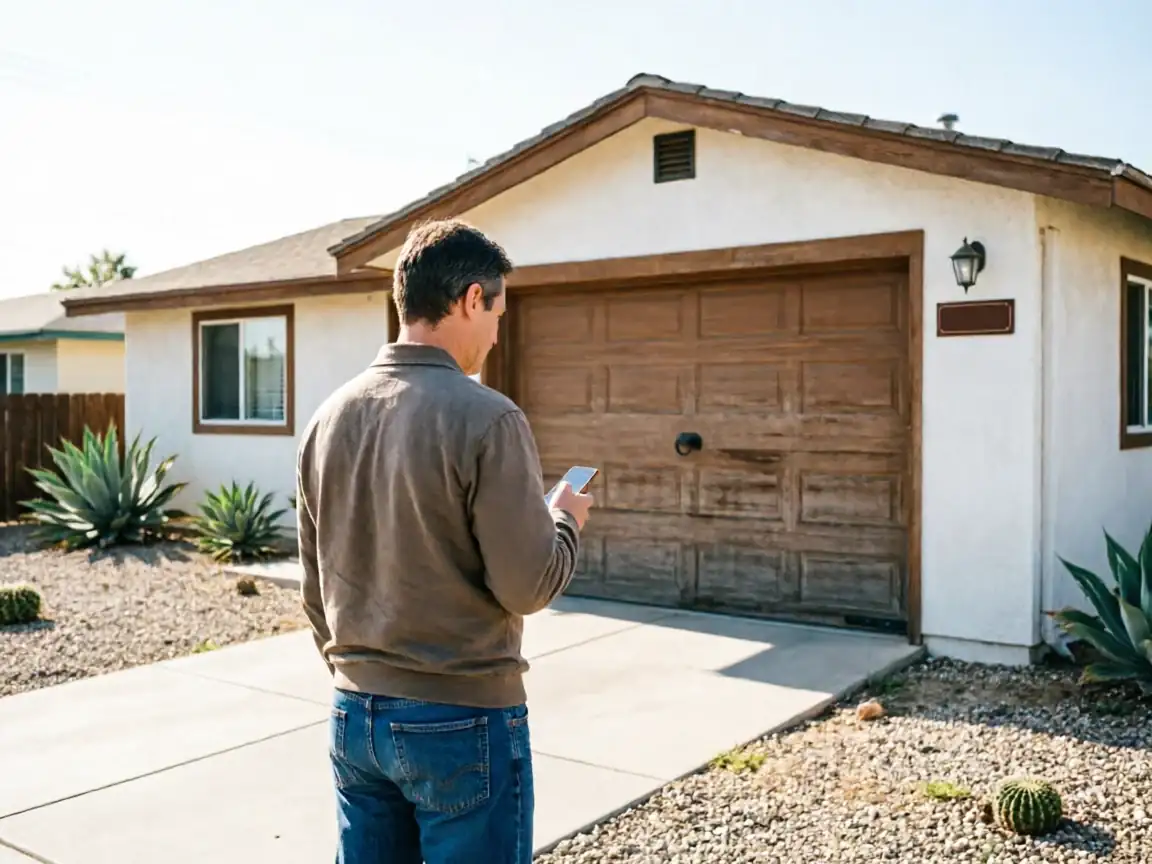
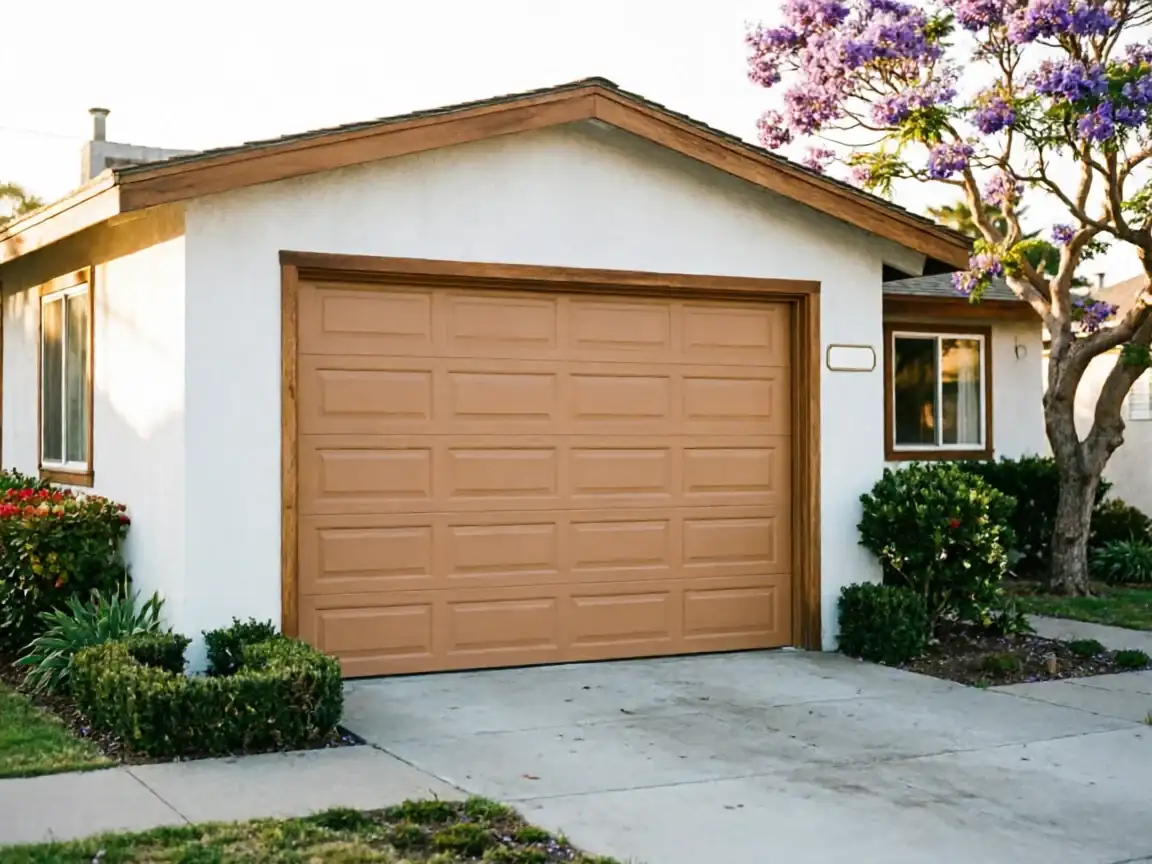
Long Beach's housing stock runs 1947 to 2012, but the median build year lands at 1964, and most of the 58 named areas in this service territory - the - went up as single-wave tract construction in the 1960s and 70s. That matters for one specific reason: insulation requirements for residential garage doors didn't exist when these houses were framed. The original door on a 1964 house is a single layer of steel or wood, no foam core, no thermal break at the track.
The mild temperate climate here is actually why so many of these original doors are still hanging. There's no freeze-thaw cycle cracking panels, no snow load stressing springs, so a door that would've failed structurally in a harsher climate just keeps working here, badly insulated but mechanically intact. People don't replace what still closes. That's the trap. A door can run fine on hinges and rollers for decades while doing nothing to keep heat out of an attached garage, and most owners never connect the two.
The Problem
A single-layer steel door from the 1960s build era has an R-value close to zero
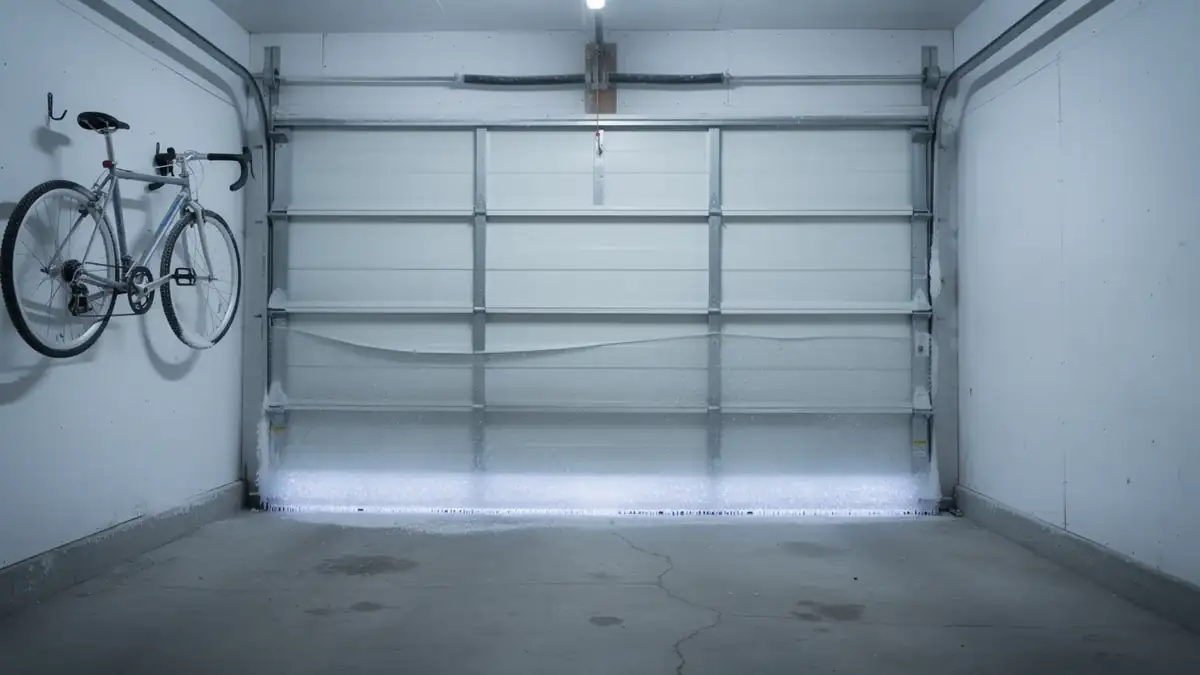
In this climate band that doesn't mean frozen pipes, but it does mean the garage runs 15-20 degrees hotter or colder than the rest of the house depending on season, and if the garage shares a wall with a bedroom or laundry room - common in the smaller lots around the - that temperature swing bleeds into the living space.
The mechanical side is the bigger issue
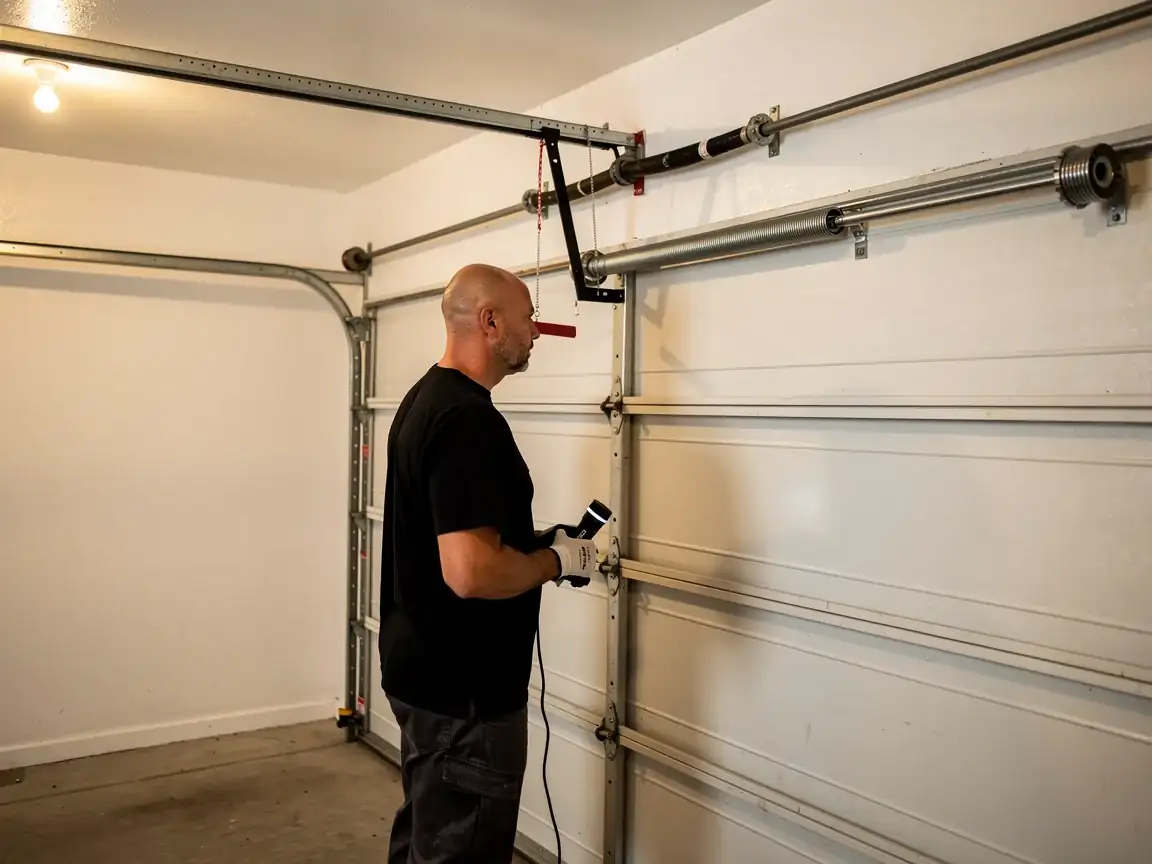
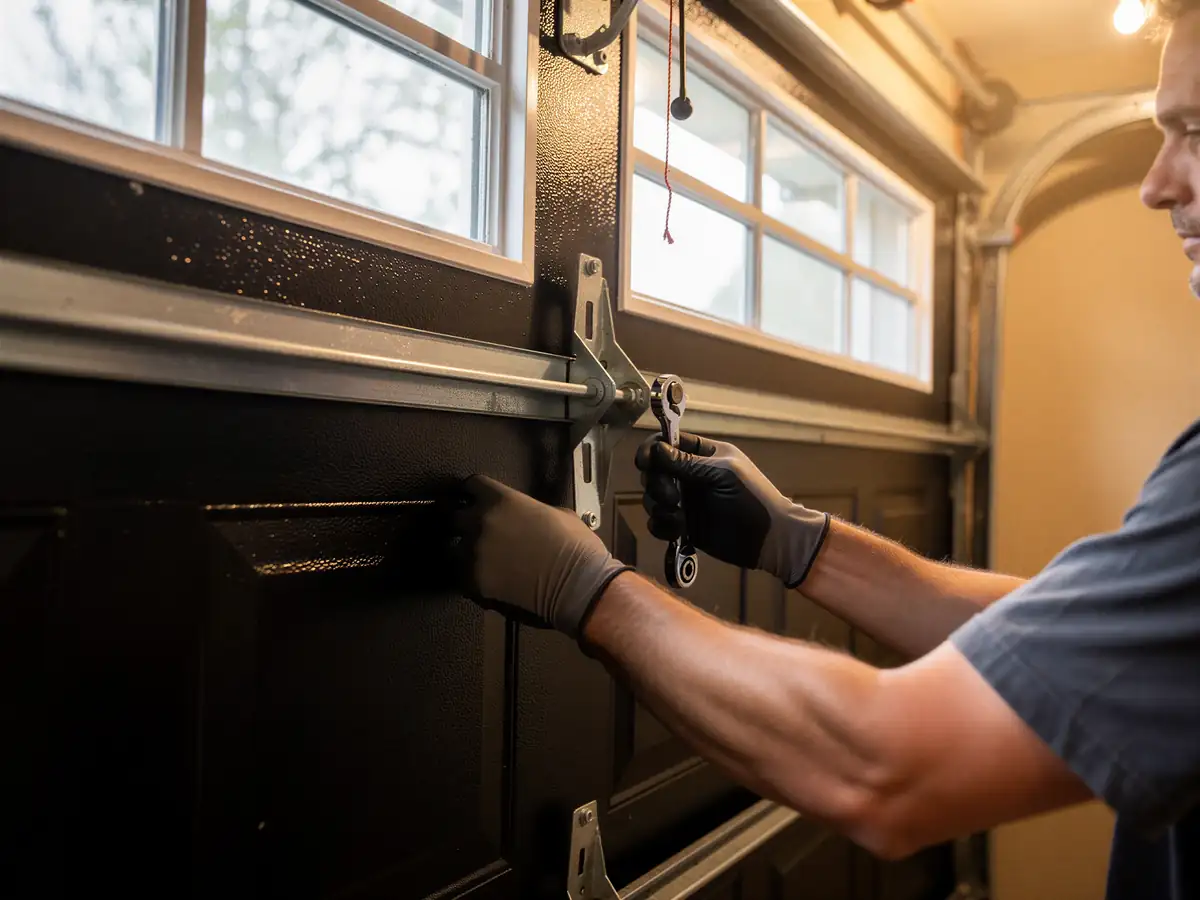
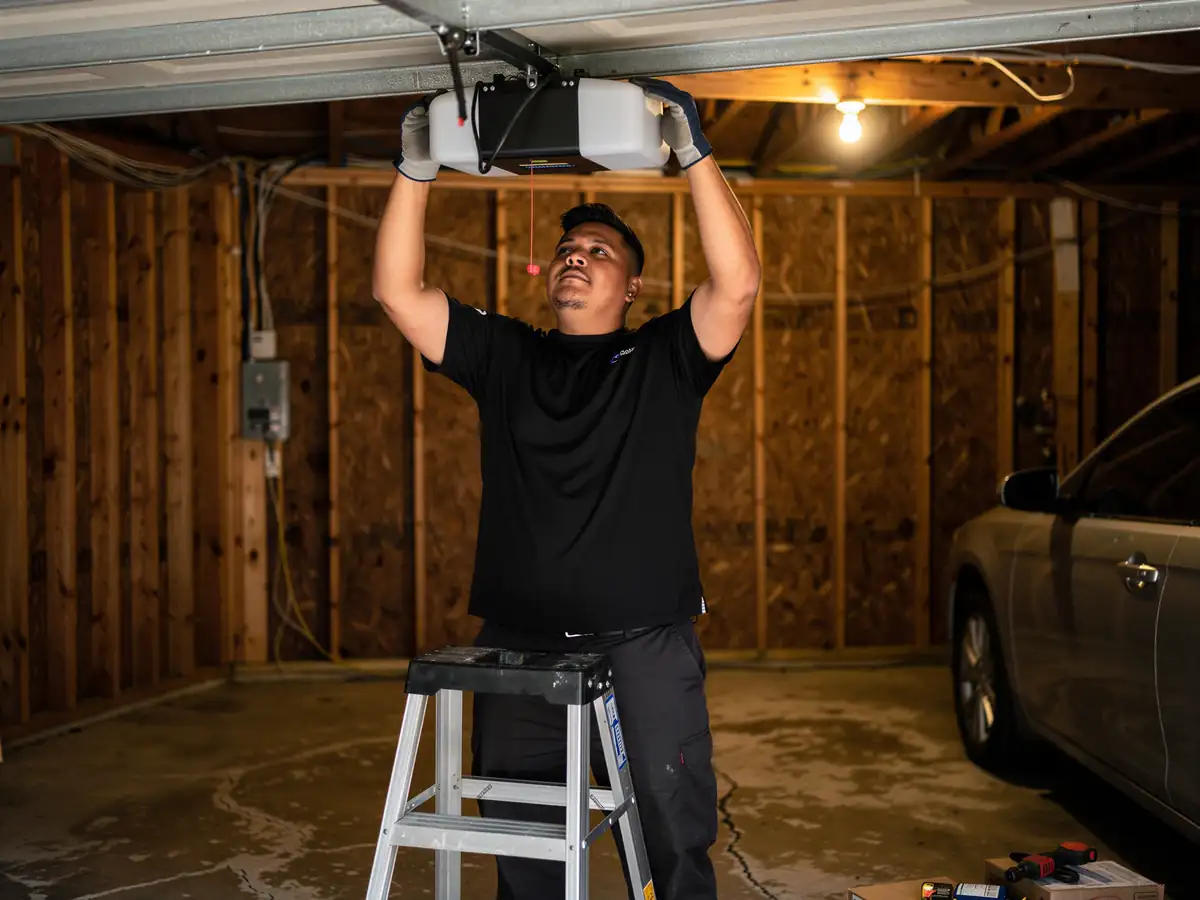
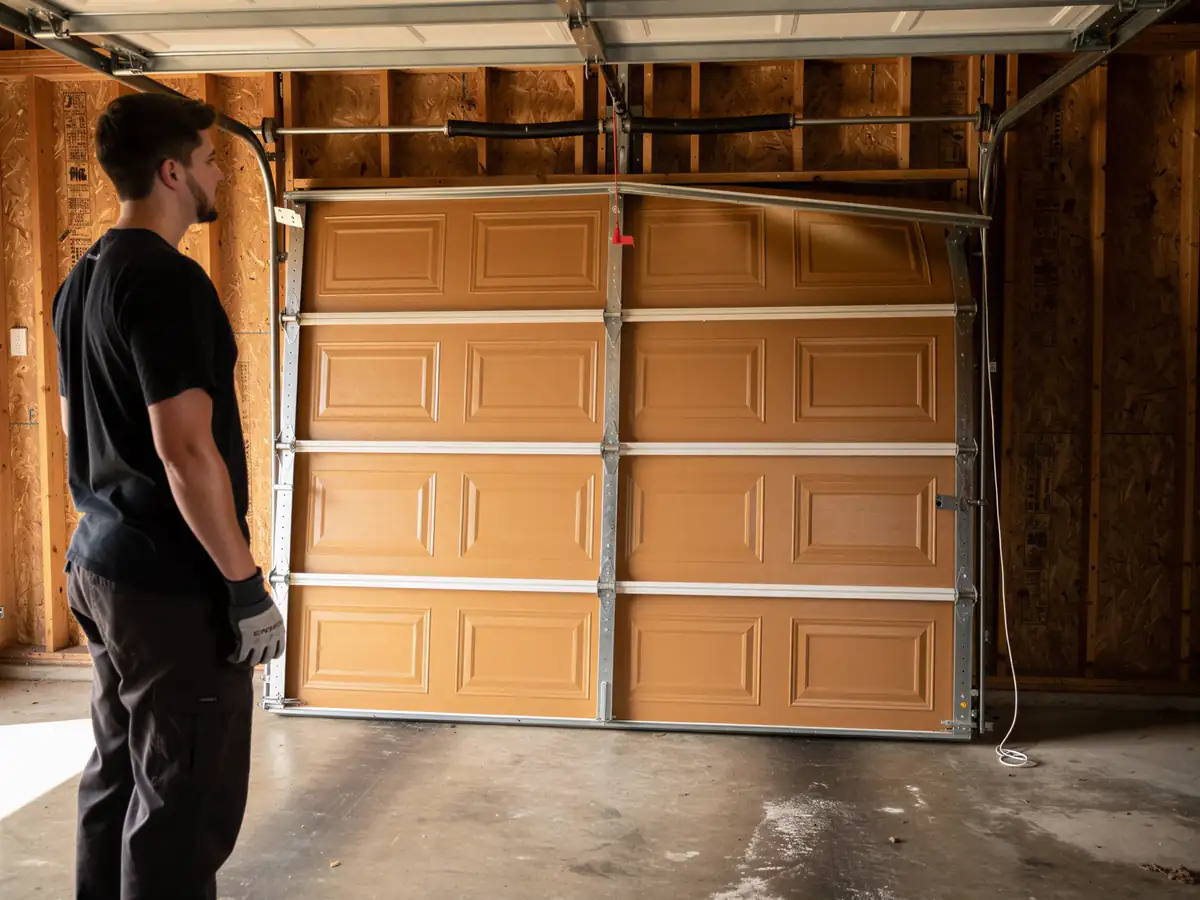
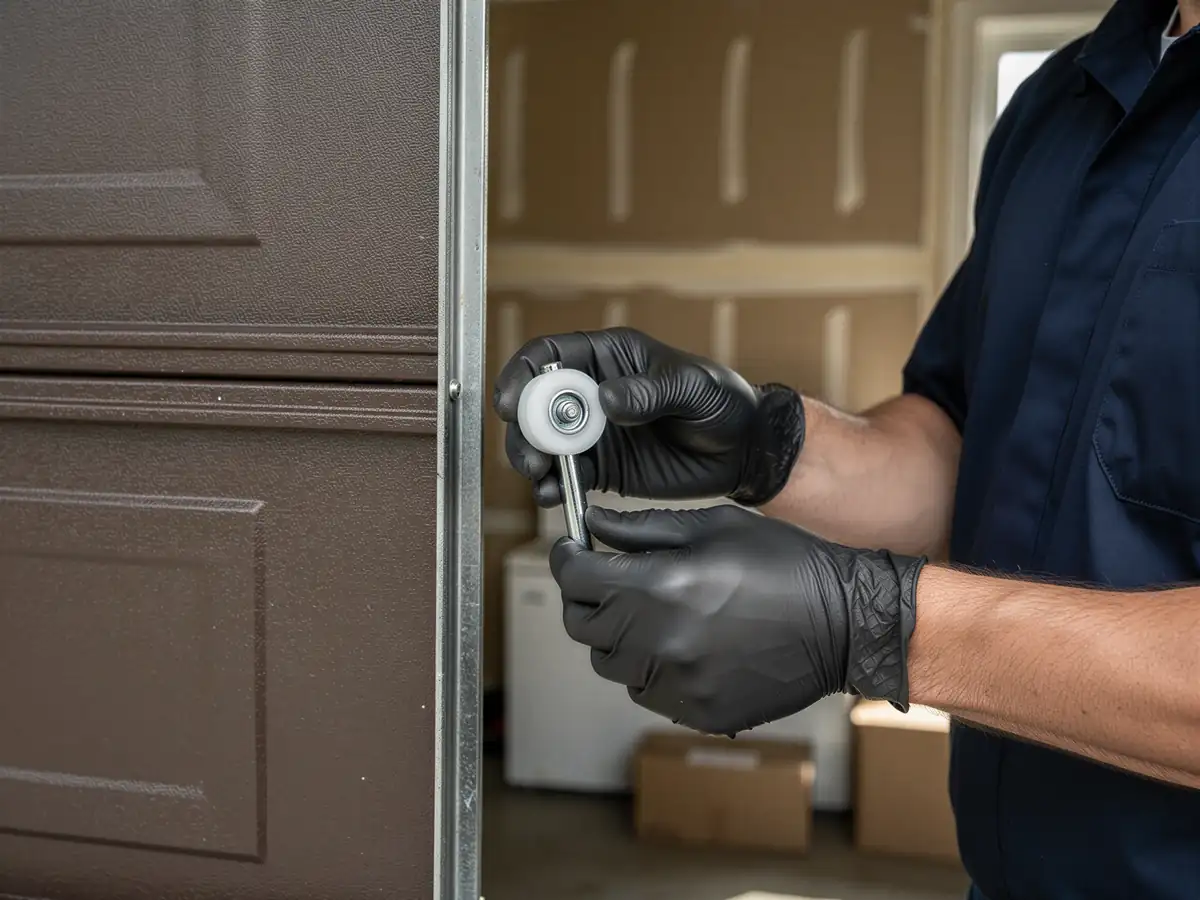
A door built before 1970 is almost always on a torsion or extension spring sized for the weight of a non-insulated panel. Swap in a modern insulated door without resizing the spring and the opener strains, the cables wear faster, and the whole system is now mismatched. We see this a lot on houses where someone replaced the door in isolation and left the original hardware in place because it 'still worked.' It did work, for the lighter door it was sized for.
When to Get Help
If your house falls in that 1960s-70s build window - which covers most of this service area - and the garage door has never been replaced, get the spring and cable system checked before you do anything else, including before you shop for a new door. A 50-plus-year-old torsion spring has had thousands of cycles on it. It doesn't announce that it's near the end. It just lets go, usually under tension, and that's a hardware job, not a cosmetic one.
If the garage backs onto a bedroom or living space in a Plaza-area house, and you're feeling temperature swings through that wall, that's a door replacement conversation, not a weatherstrip fix. Weatherstripping helps at the edges. It does nothing for a solid steel panel with no core.
What Most People Get Wrong
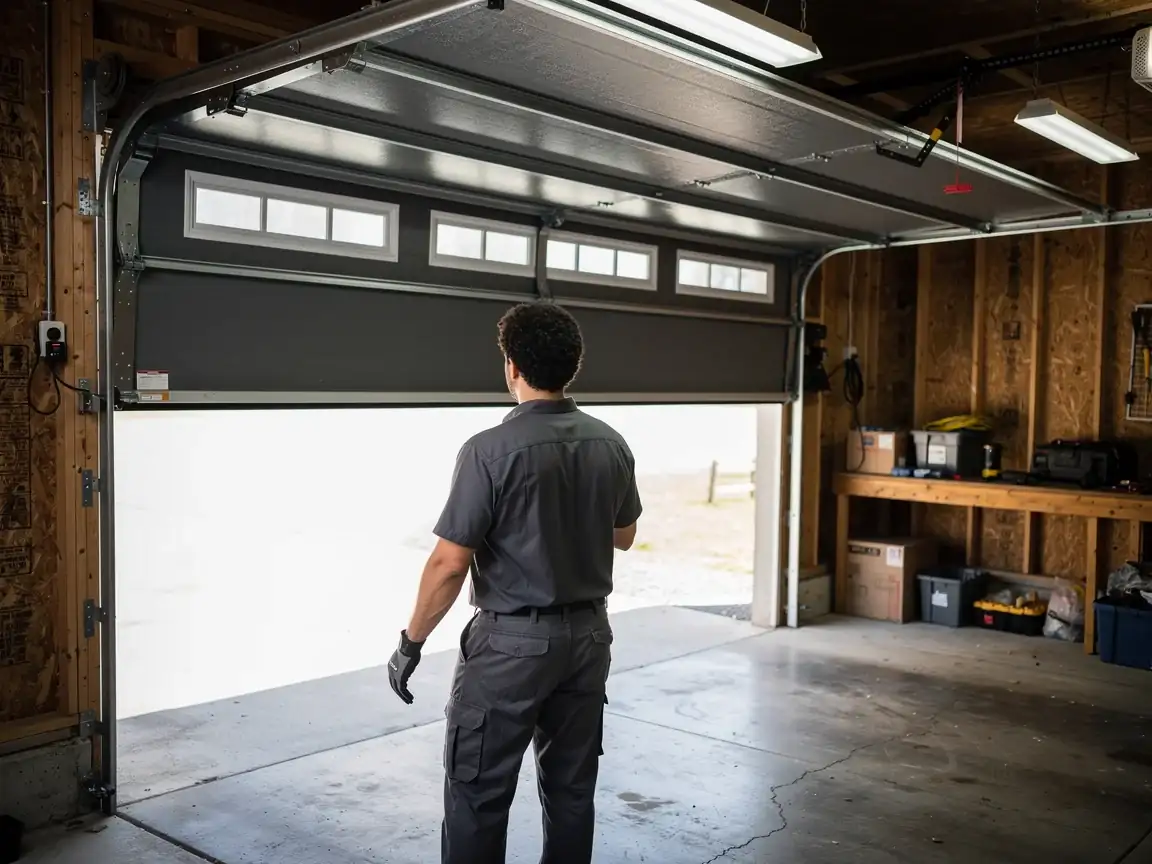
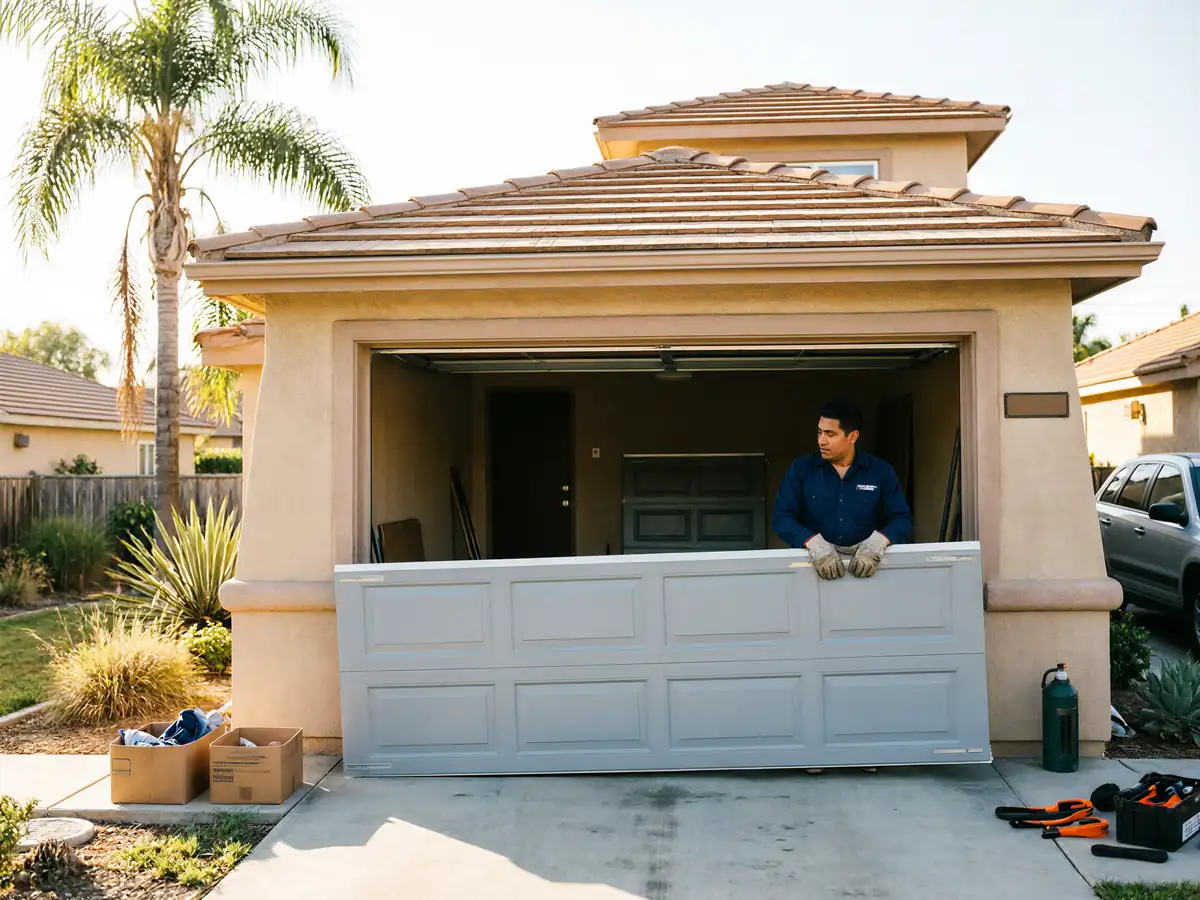
The most common mistake is treating the door and the spring system as separate decisions made at separate times. They're sized together. If you replace a pre-1970 single-layer door with a modern insulated one, the added weight changes the torque the spring needs to provide, and running the old spring under the new door shortens its life fast - sometimes to a year or two instead of the decade-plus it should give you.
The second mistake is assuming the mild climate means insulation doesn't matter here. It changes what insulation does for you - it's not about frost protection, it's about keeping an attached garage from acting as a heat sink in summer - but the effect on the house is real in a city where most garages were built attached and uninsulated by default.
One honest limit: we don't try to retrofit insulation panels into an original steel door that's past its service life. Past a certain point of rust or warping, patching it costs more over time than replacing the door and matching the spring to it correctly the first time.