How Local Conditions Play In
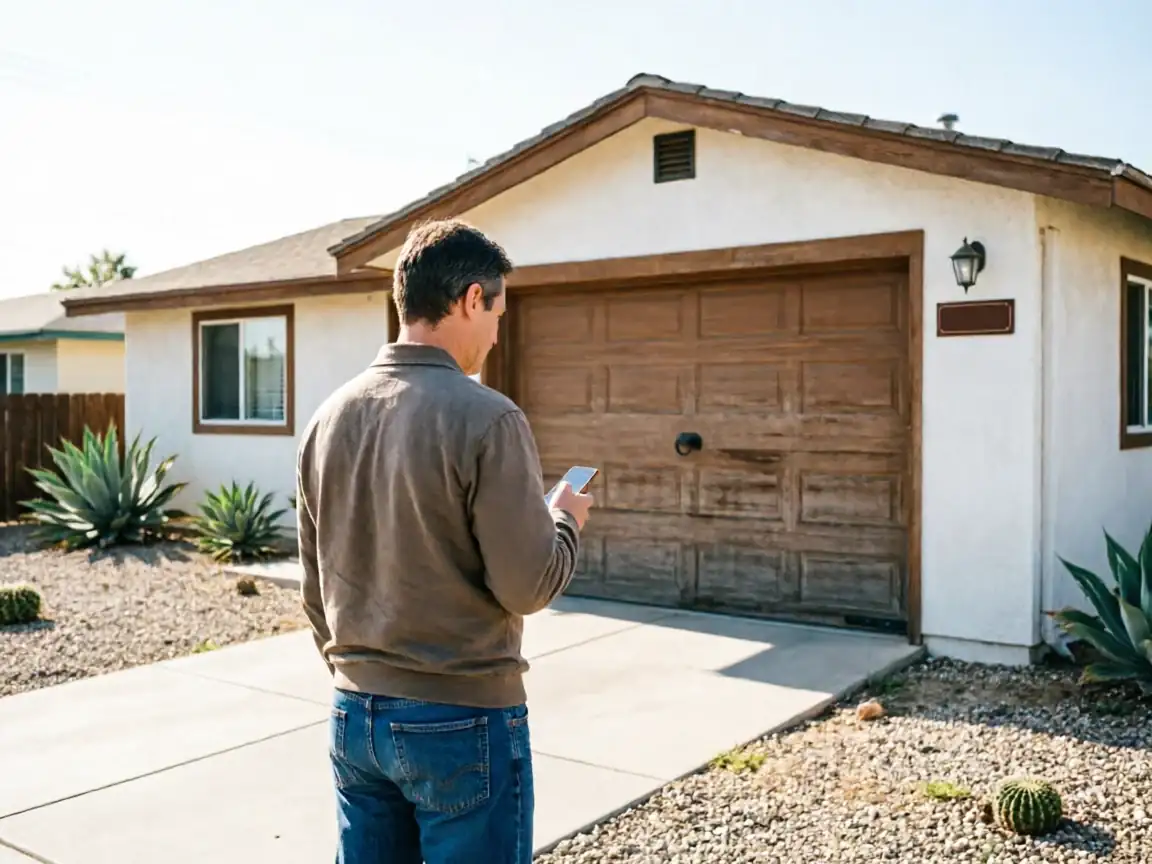
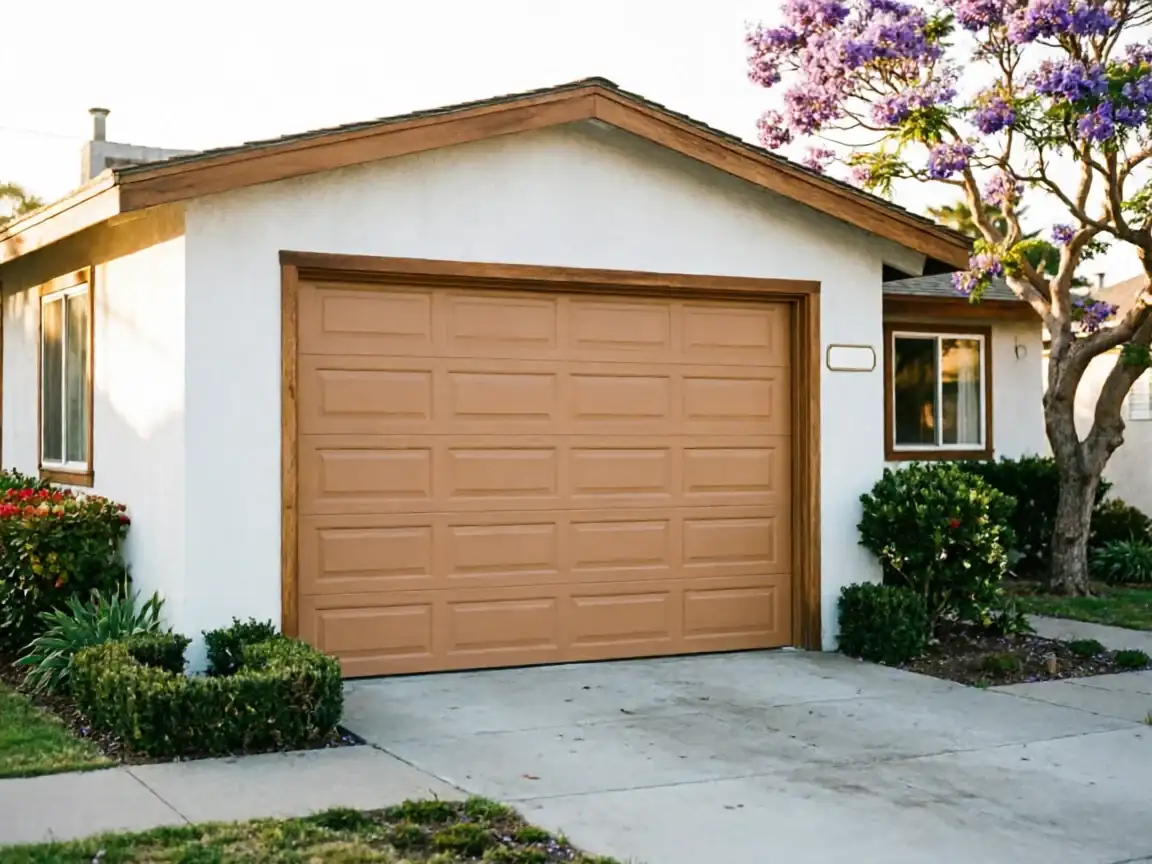
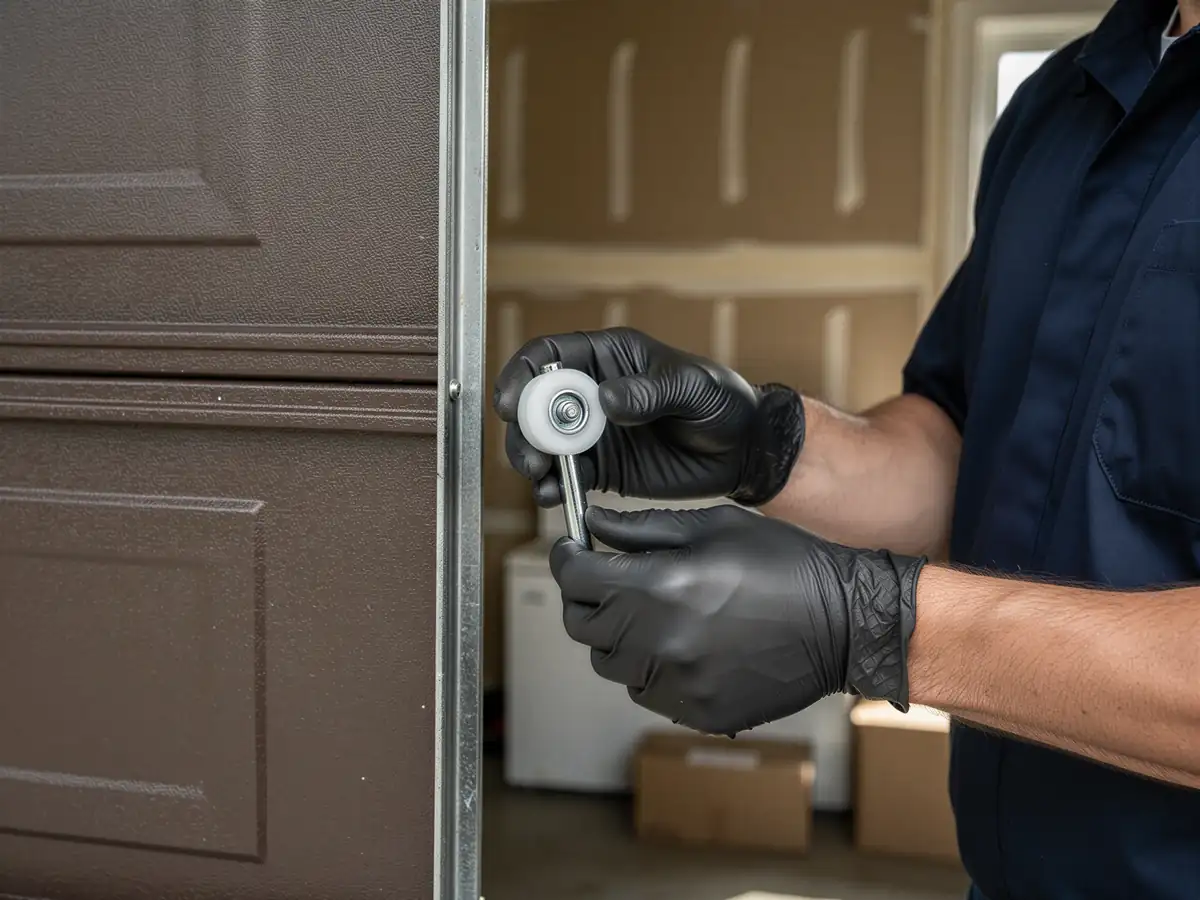
Long Beach sits in a mild temperate band, no hard freezes, no real humidity swings, which is actually good news for an old door. Steel doesn't rust out from the inside the way it does in wetter climates, and springs don't see the kind of temperature cycling that shortens their life elsewhere. That means a lot of the damage we find on older doors here isn't weather damage at all, it's just wear: thousands of open-close cycles on hardware that was never top-tier to begin with. Across the service area the housing stock runs from 1947 up through 2012, but the median build year is 1964, and most neighborhoods, the to the area, are solidly in that 1960s-70s wave. A door built or installed during that window was matched to a house that's now pushing sixty years old, and the garage itself often hasn't been touched since. Mild weather kept the metal from rusting through, but it didn't stop the torsion springs from fatiguing, the rollers from wearing oval, or the track brackets from loosening a quarter-inch at a time. So the local condition that matters most isn't rain or heat, it's just time, and a lot of these doors have had a long, gentle run instead of a short, harsh one.
When to Get Help
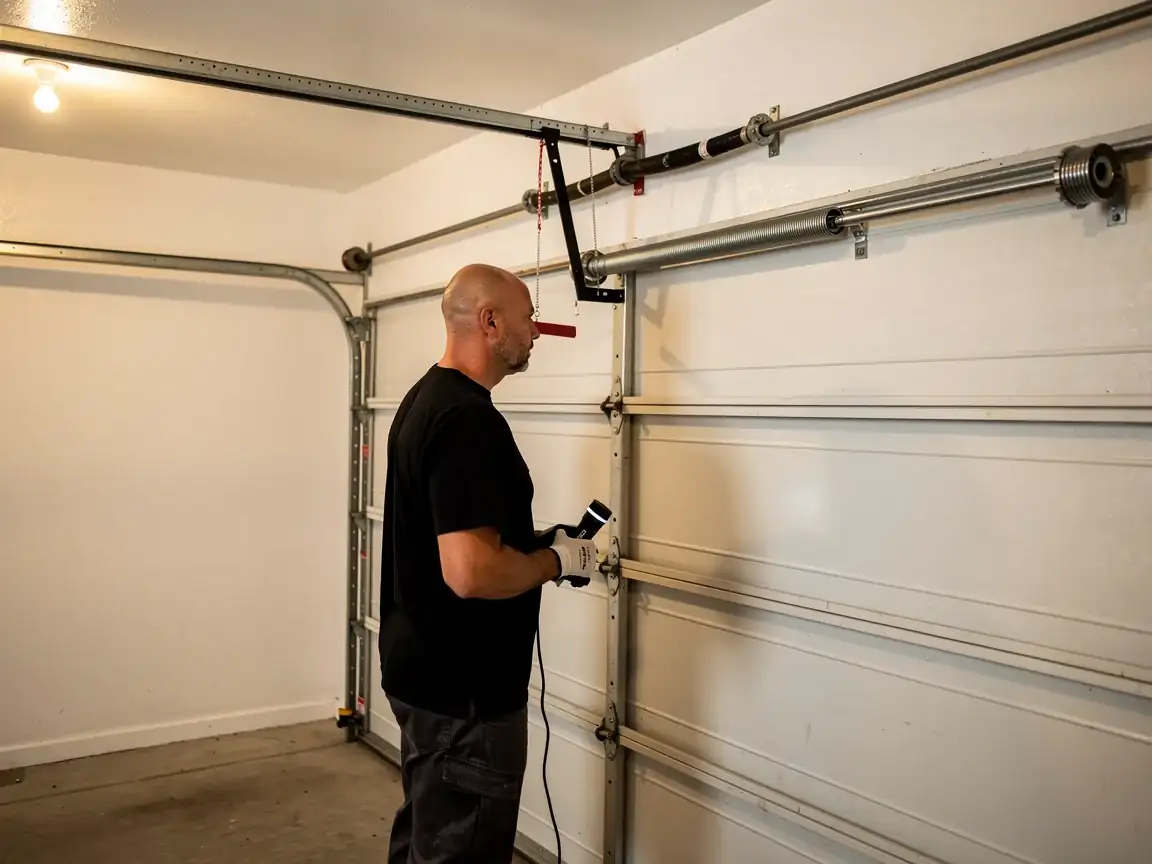
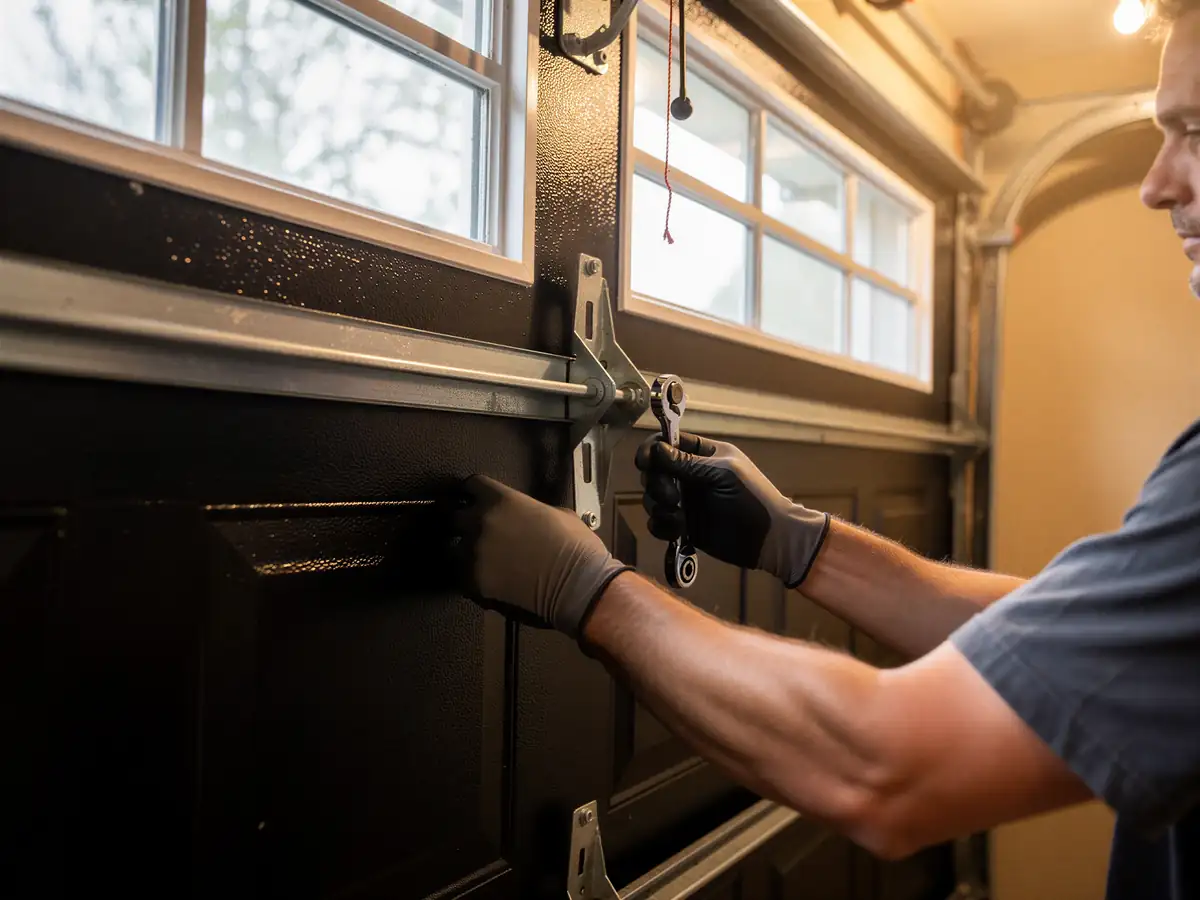
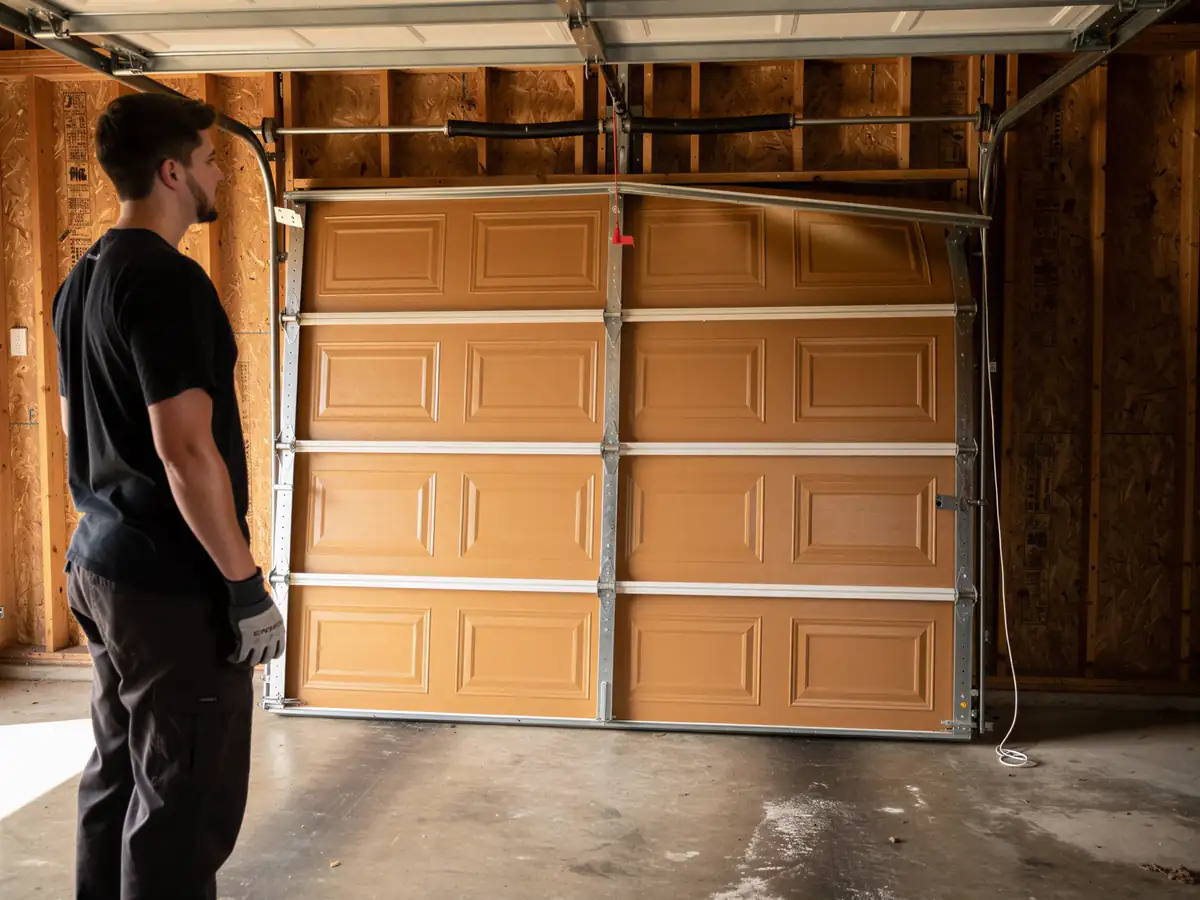
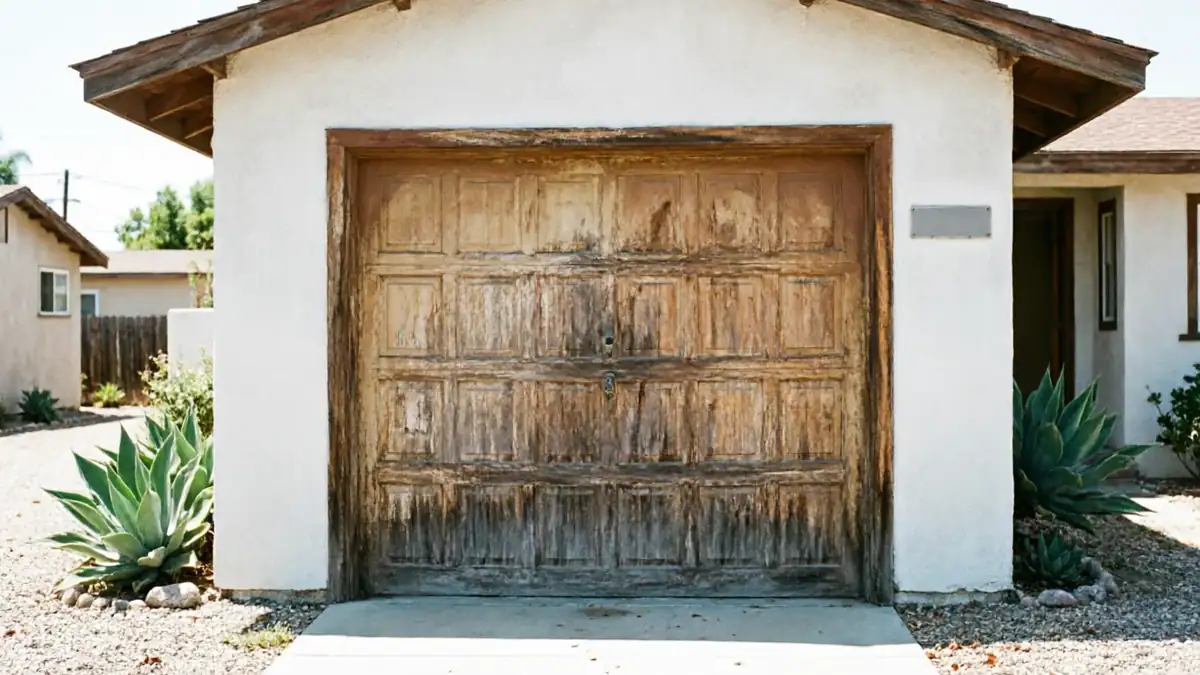
Call before the door stops working, not after. A door that's noticeably heavier to lift by hand than it used to be is telling you a spring has lost tension, and that's a cheap fix today and a stuck car tomorrow. Grinding or popping sounds on the way up usually mean a roller or bearing, not the whole track. If the door closes crooked, catching on one side before the other, that's track alignment, and it's worth a look before a cable jumps the drum. The one sign that does tip toward replacement rather than repair: wood rot or rust-through on the panels themselves. It doesn't happen often given the mild climate here, but on houses near the water side of the service area, closer to Seal Beach or the salt air can get into a door that's gone a long time without paint. If you're seeing bubbling paint or soft wood at the bottom panel, that's a structural call, not a hardware one, and it's worth having someone look at the door in person rather than guessing from a list like this.
What Most People Get Wrong
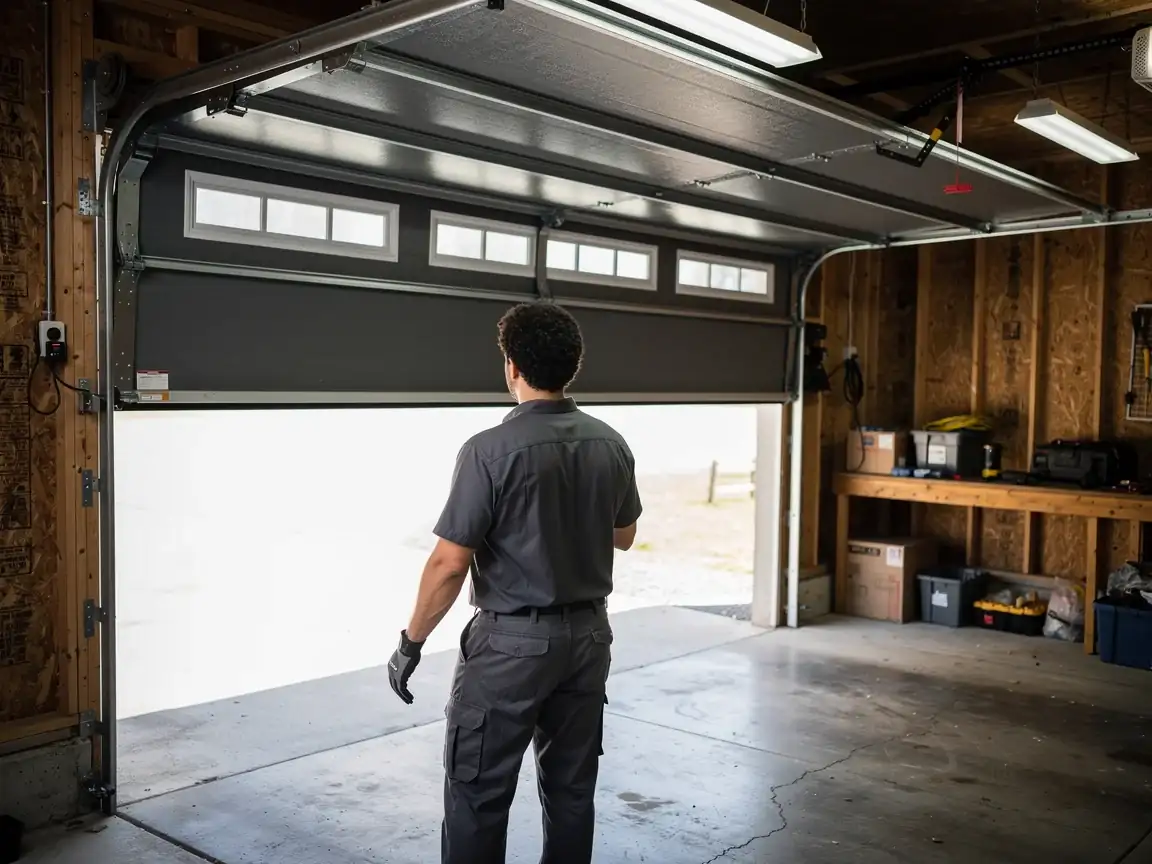
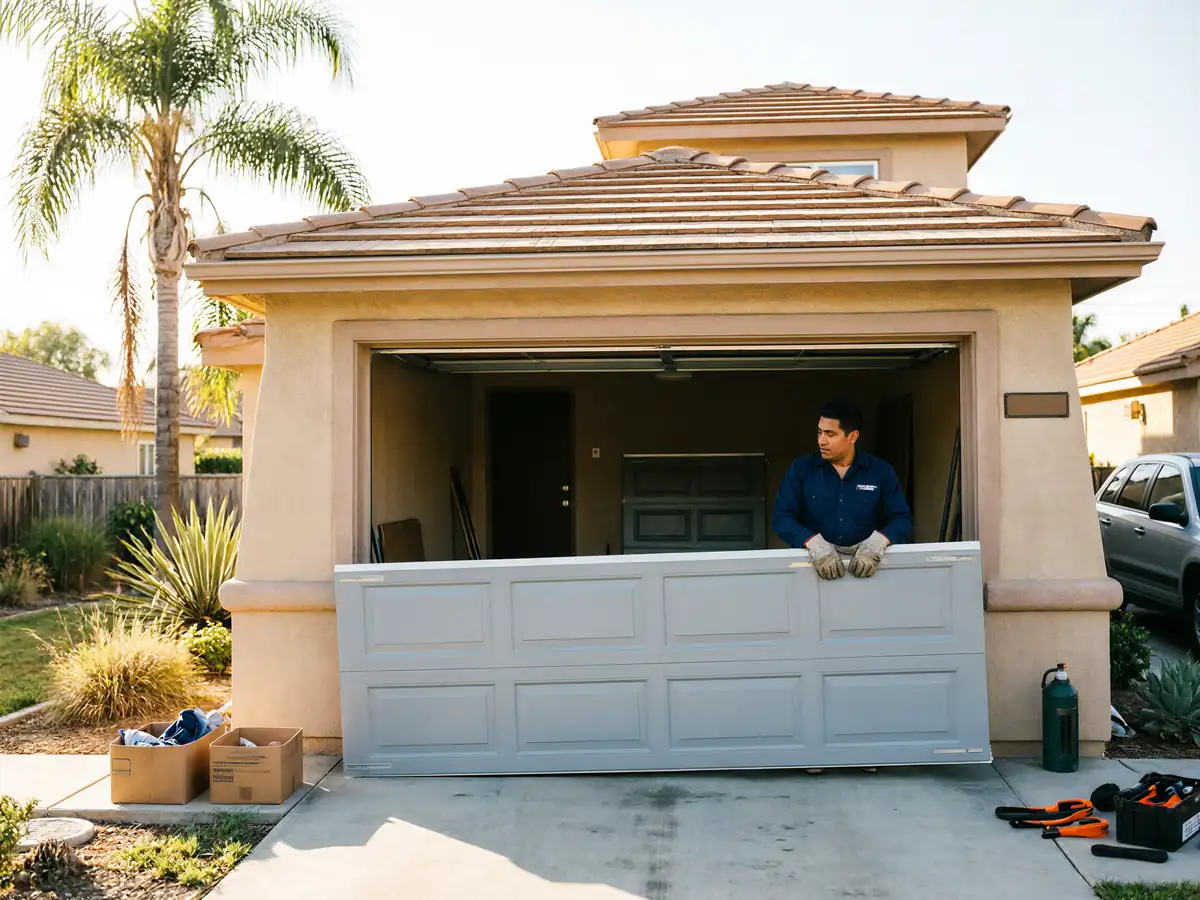
The most common mistake is assuming age alone means replace. A door from the 1964-era housing wave, if it's steel and the panels are sound, can often run another decade on new springs, rollers, and a cable set, which costs a fraction of a new door. The opposite mistake is just as common: patching a door that's actually failed structurally because the repair bill looks smaller upfront. We won't put new springs on a door whose track is bent past true or whose bottom panel has rotted out, because it just fails again in a year and the labor gets paid twice. One honest limitation: some original hardware from houses this old is no longer made, and if a part has to be special-ordered, that can push a repair out by days rather than being same-day. We'll tell you that upfront rather than promise a timeline we can't hit. The right question isn't "how old is this door," it's "which specific parts are worn," and that only gets answered by someone looking at it.