How Local Conditions Play In
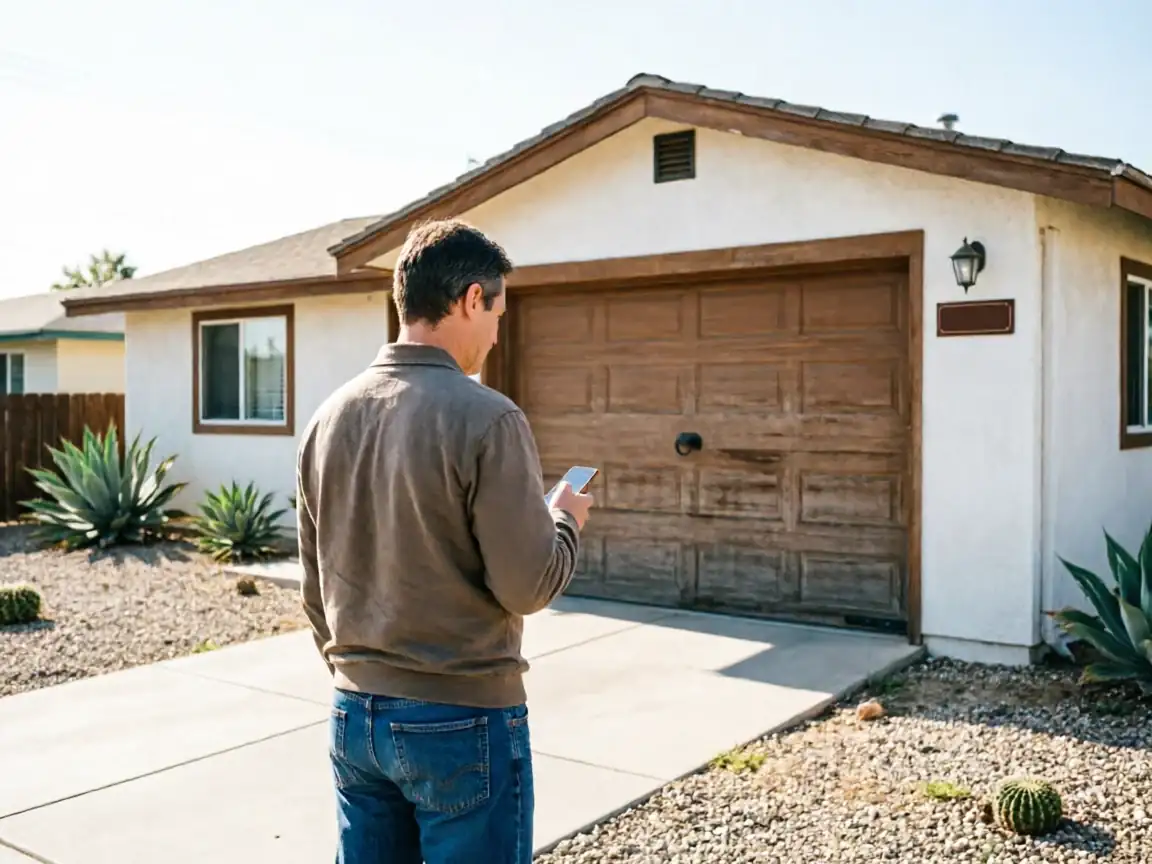
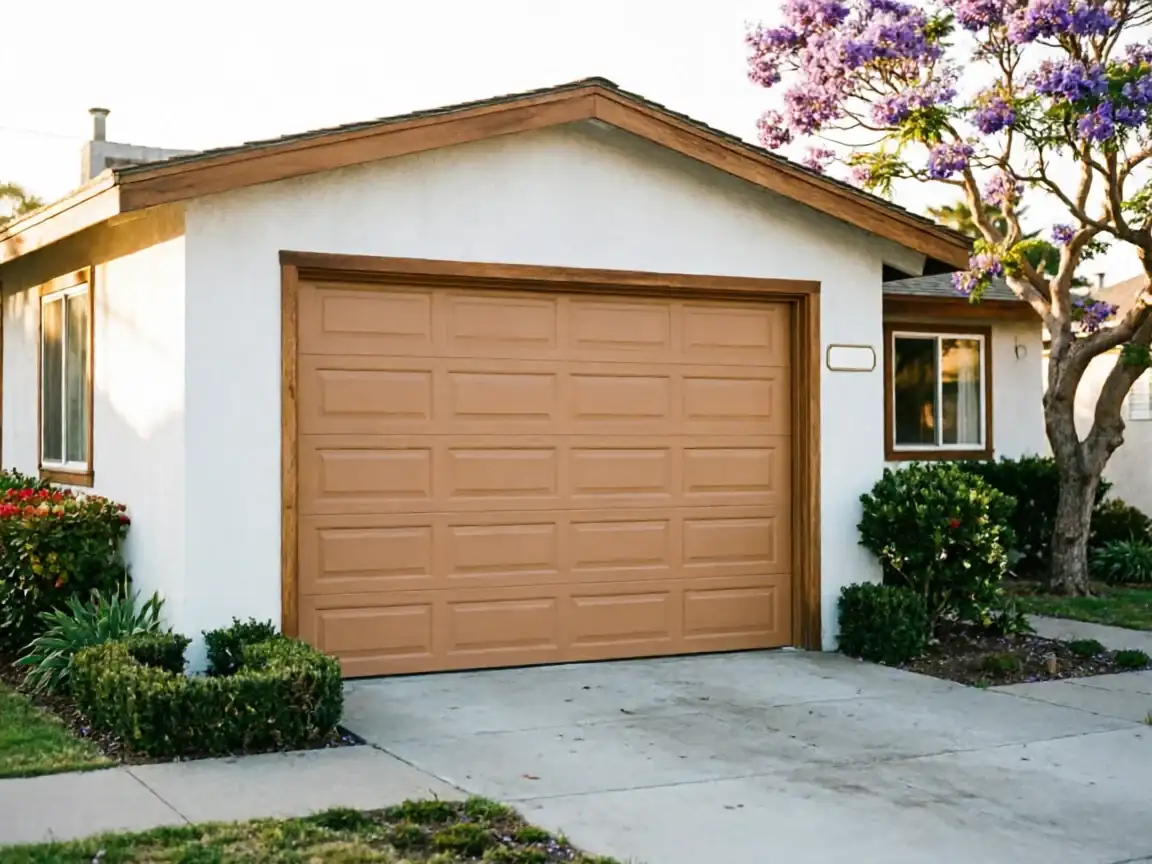
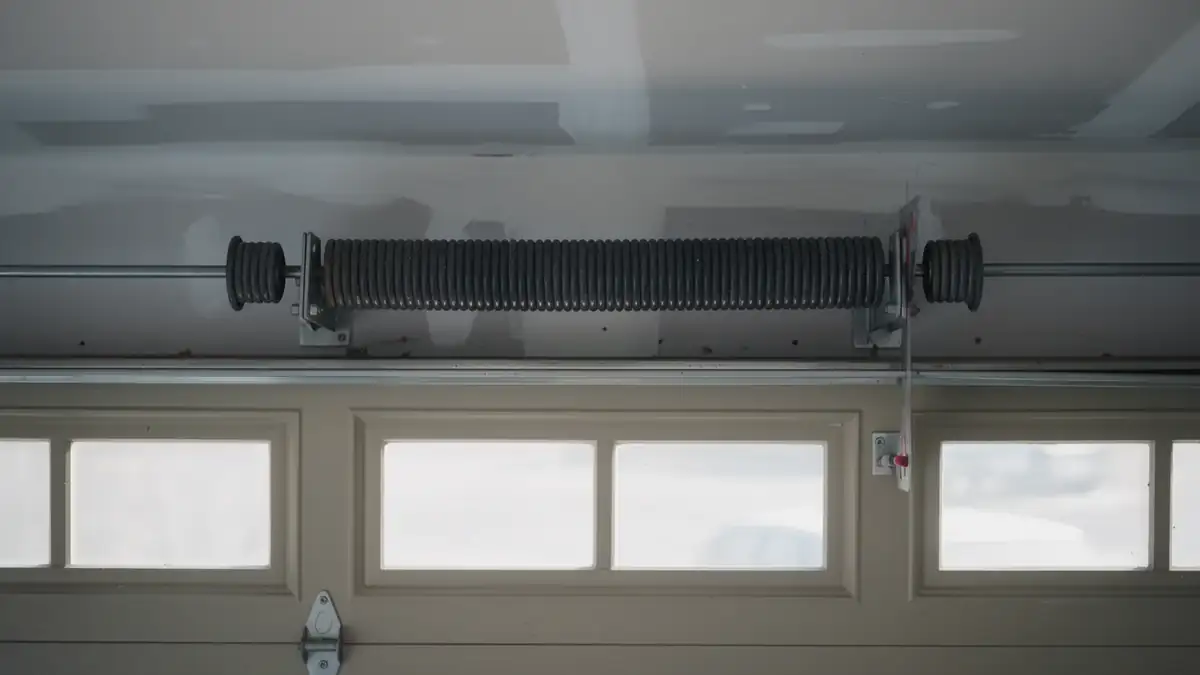
Long Beach sits in a mild temperate band, so we're not talking about the kind of deep freeze that snaps steel outright. What we're talking about is the handful of cold mornings a year, usually in the 40s overnight, landing on a spring that's already old. Steel contracts in the cold and loses a little flex. On a spring with a lot of healthy life left, that's nothing. On a spring that's been winding and unwinding for forty or fifty years in a house built when this area was going up fast - most of the stock here dates to the 1960s and 70s - that small loss of flex is the difference between another ten years and a snap on a Tuesday morning. The mild climate means most owners here never think about cold weather and a garage door in the same sentence. That's exactly why it catches people off guard. You get one or two cold snaps, and the phone starts ringing with doors that won't open because a spring let go overnight.
When to Get Help
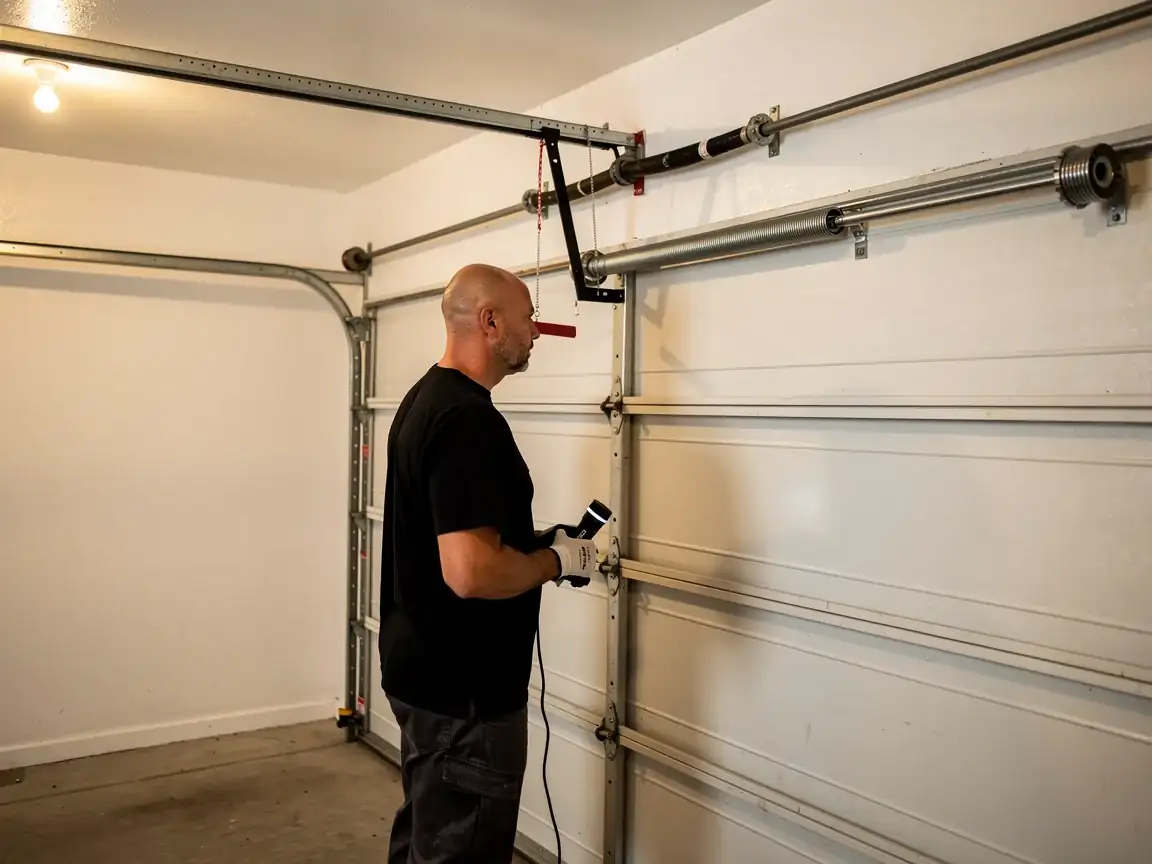
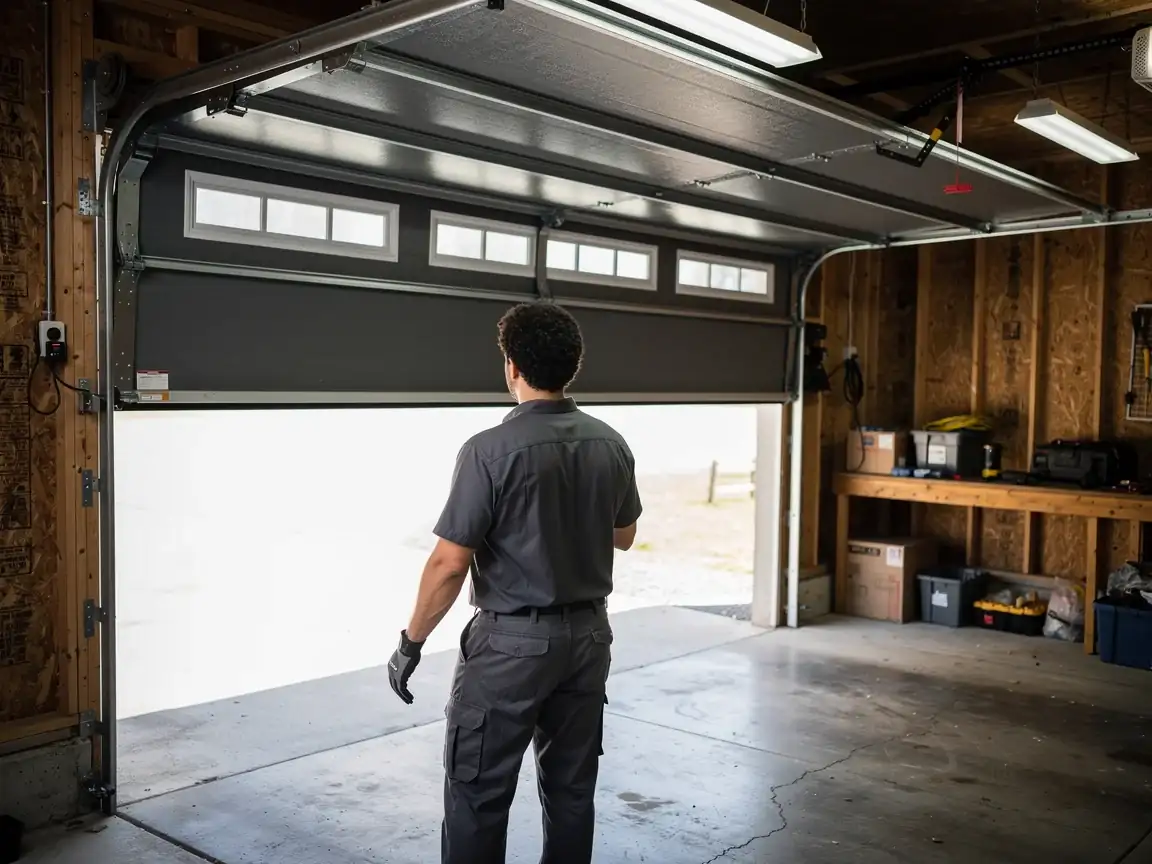
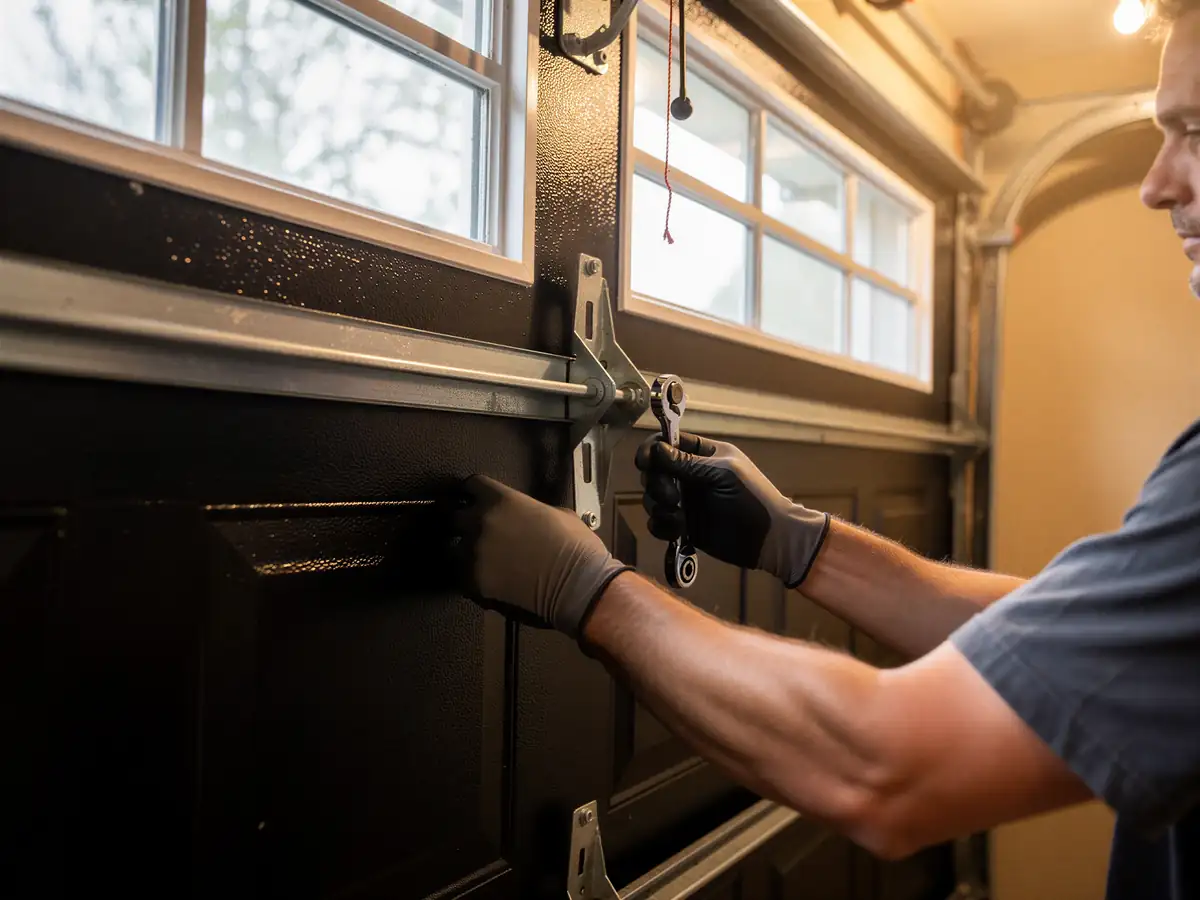
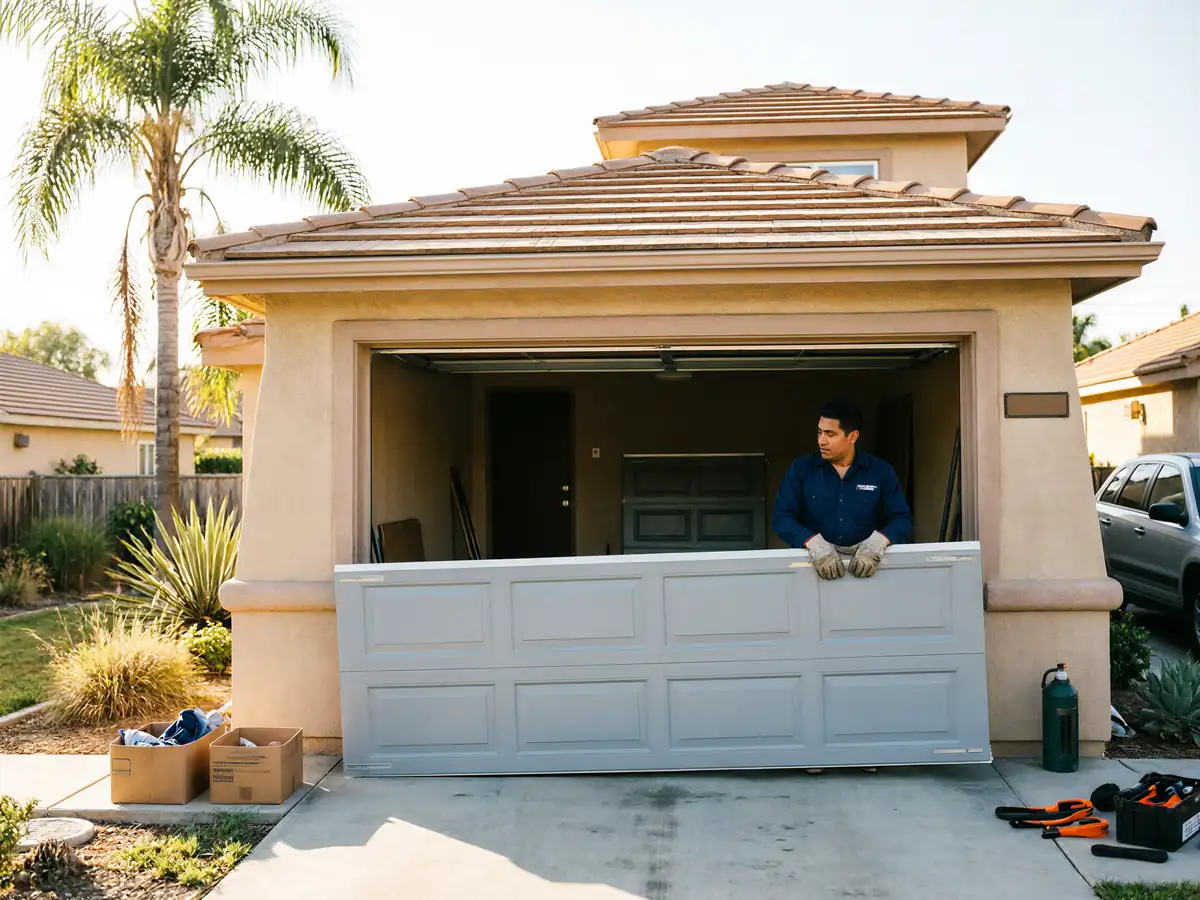
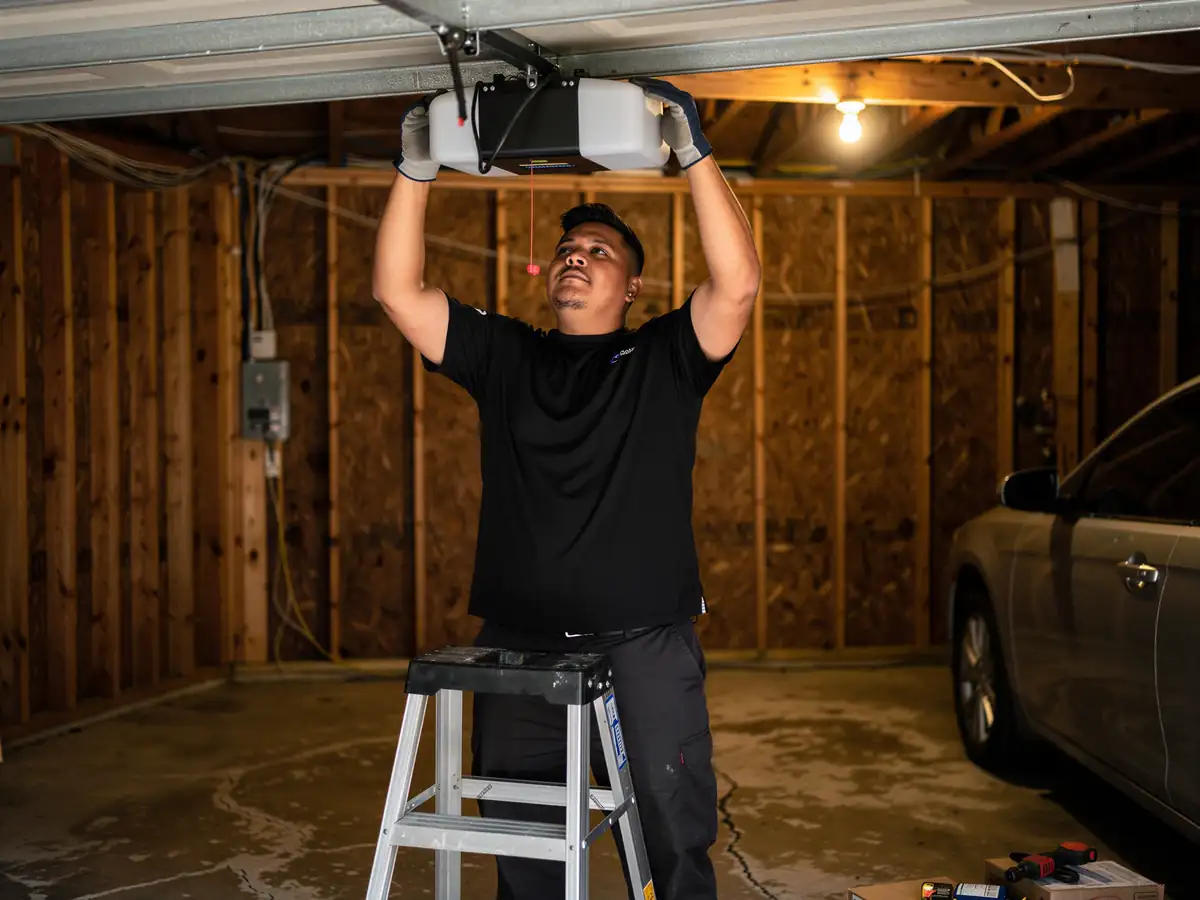
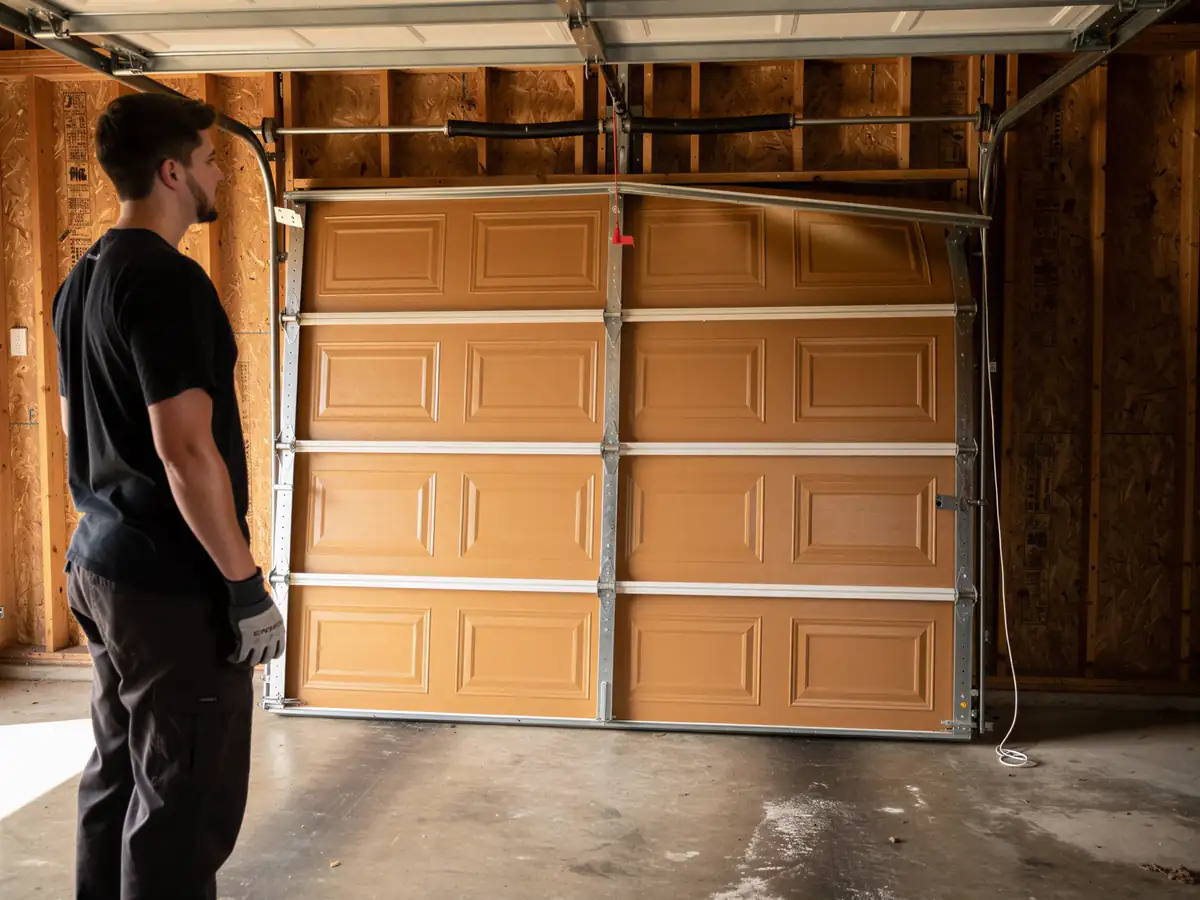
If the door won't budge, or budges only a few inches and stops, that's a broken spring, not a bad opener. Don't force it with the opener - you'll burn out the motor trying to lift weight it was never built to carry alone. Don't try to open the coil yourself either; a torsion spring under tension can do real damage if it lets go while you're working on it. Call it in. A door that's heavy to lift, sagging on one side, or makes a grinding or popping noise before it fails is telling you the spring is close. Catching it before the full break means a scheduled repair instead of a dead door blocking a car in on a cold morning.
What Most People Get Wrong
The common mistake here is assuming that because Long Beach doesn't get hard winters, the door doesn't need winter-style attention. People lubricate once a year if at all, and never think about spring age because they're not shoveling snow or scraping ice. But the spring doesn't care that the climate is mild. It cares about cycle count and the handful of degrees it drops on a January morning. The honest limitation: we can't tell you how many cycles are left on a spring without looking at it, and a spring that looks fine can still go on the next cold morning. If your door and springs are original to a house built in the 1960s or 70s, age alone is reason enough to have them checked before the next cold stretch, not after.