Why It Happens Here
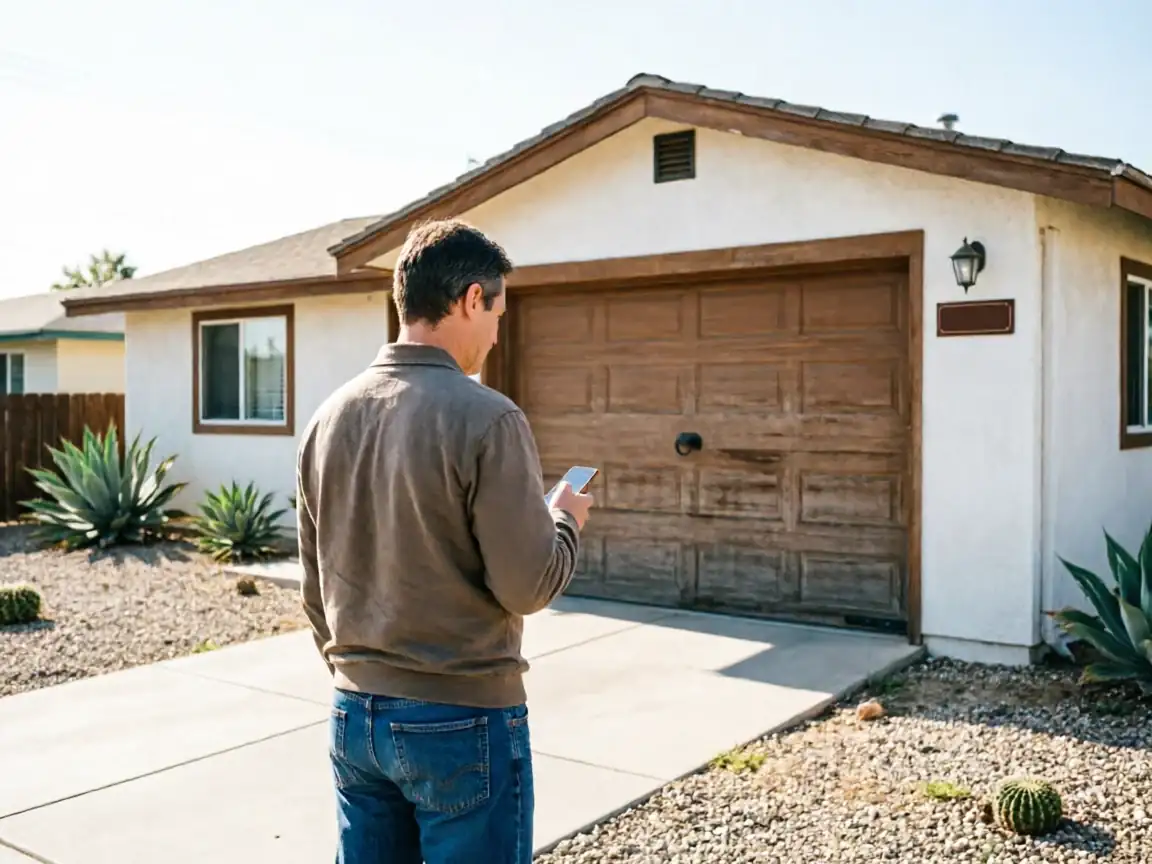
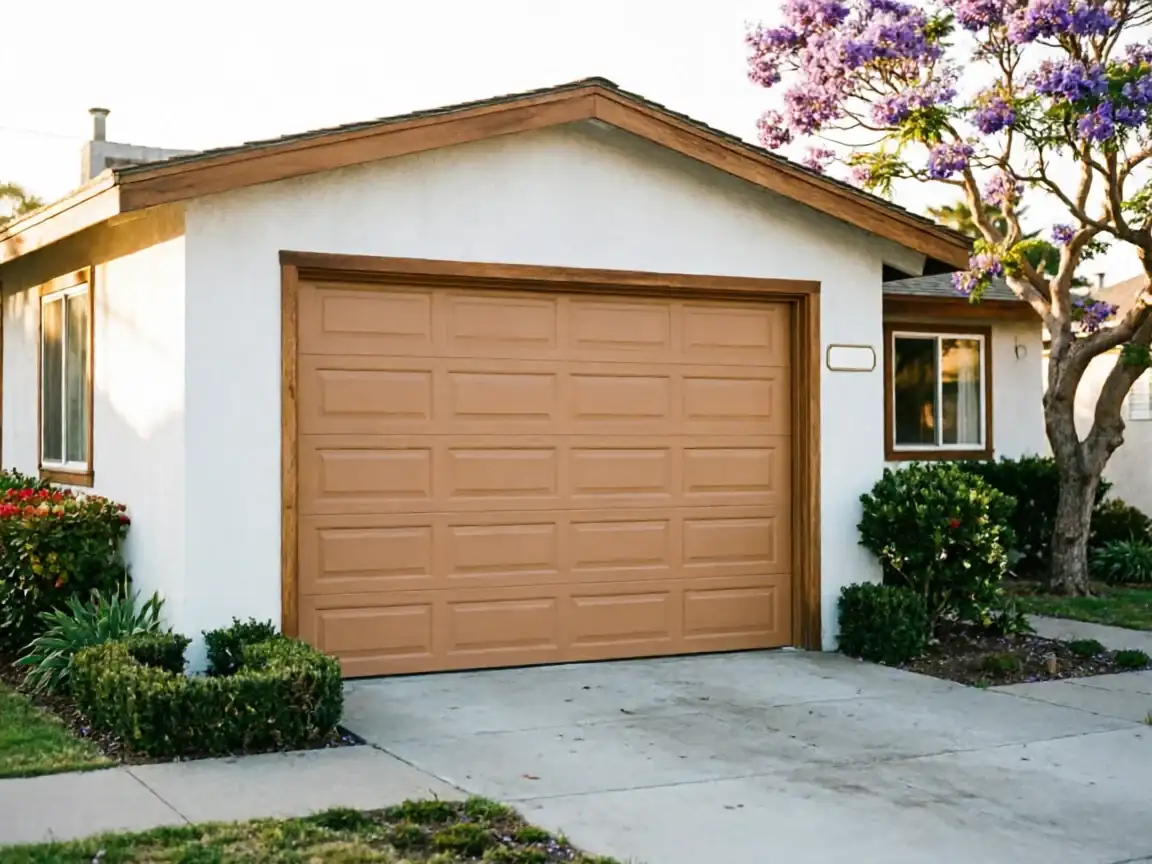
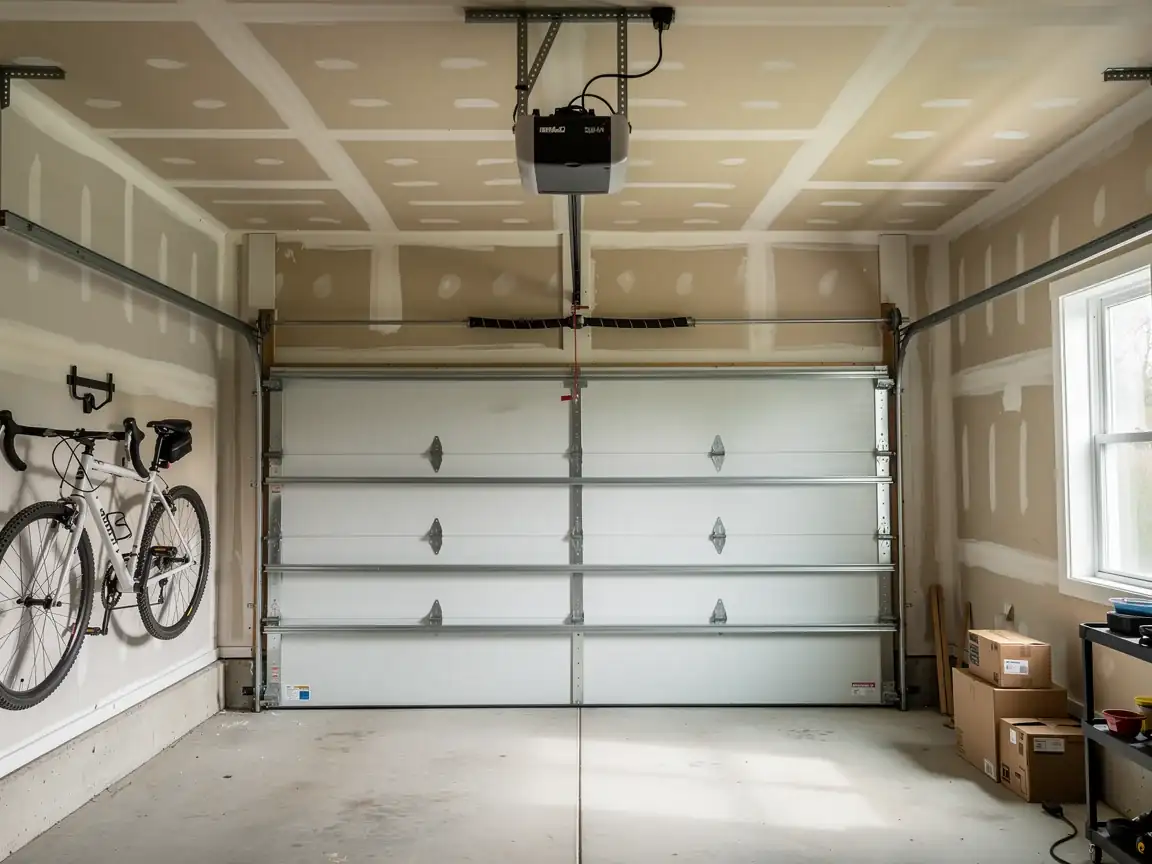
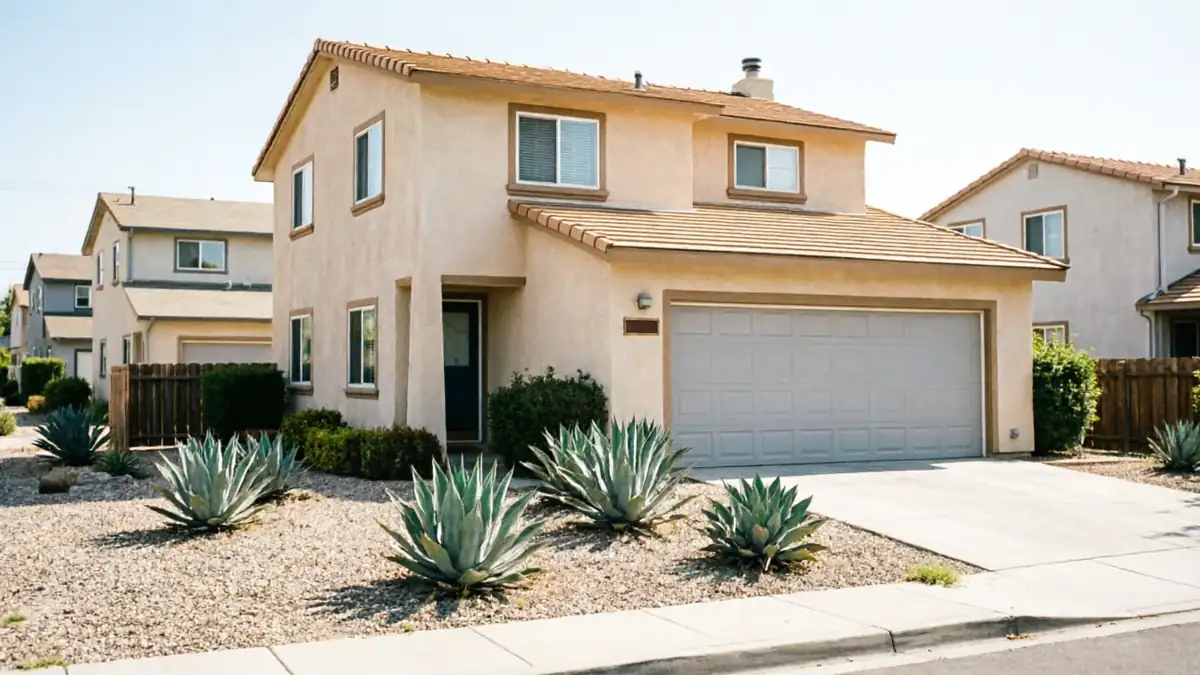
Housing across this service area went up mostly between 1947 and 2012, with the bulk of it dating to the 1960s and 70s. A lot of those doors are still running close to original hardware - steel rollers riding in steel track, no sealed bearing, no nylon wheel to quiet things down. Steel-on-steel wears a groove into the roller stem over time, and once that groove gets deep enough the roller starts binding instead of rolling, which is what you hear as grinding or a hitch partway up the door.
The mild temperate climate here isn't the culprit the way it would be somewhere with hard freeze-thaw cycles. Rollers in this area don't usually fail because the track iced over or the metal contracted and cracked. They fail because they've simply logged forty or fifty years of cycles on hardware that was never designed to go that long without replacement. Whether the house sits in or out toward Signal Hill, the pattern repeats: original builder-grade rollers, original track, and a door that's been opened and closed tens of thousands of times since the Johnson administration. That age is the honest explanation, not the weather.
How to Book
Call and tell us the door is sticking, grinding, or jumping in the track
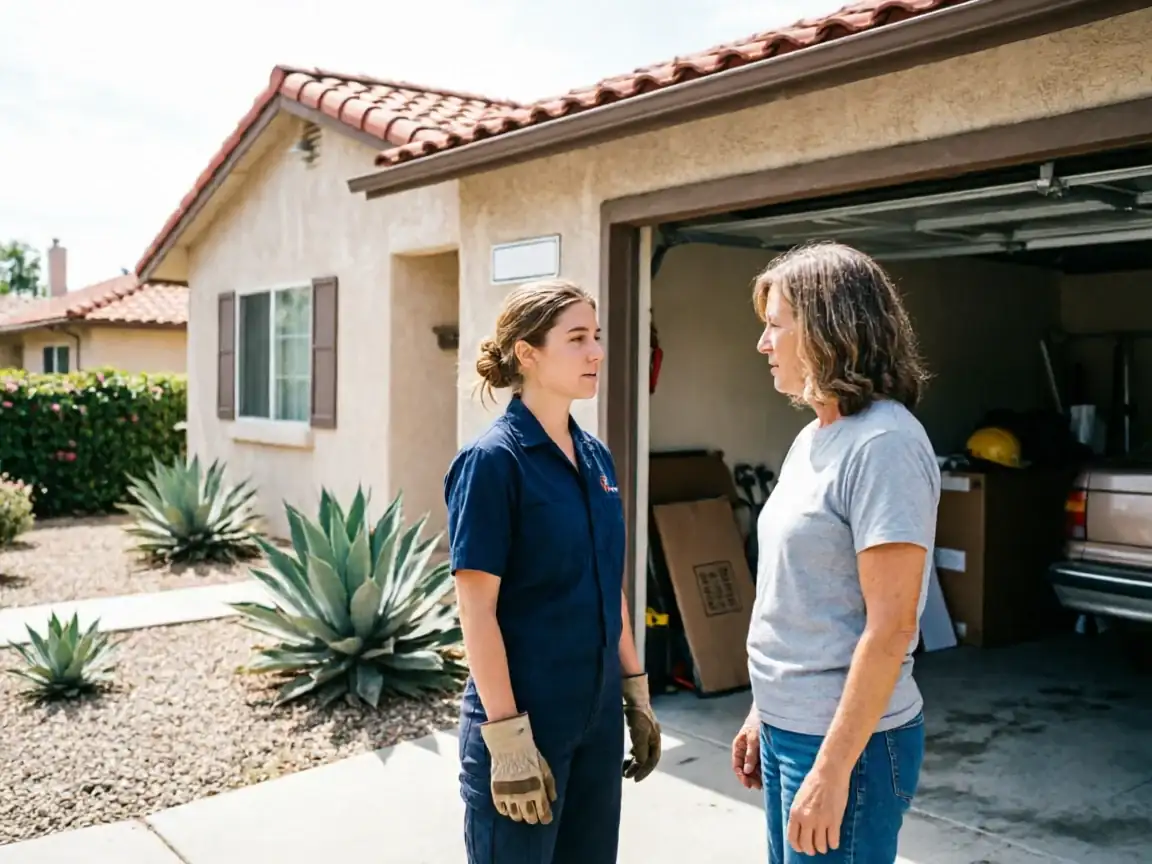
That's enough for us to bring the right roller stock on the first visit instead of guessing. We'll ask a few questions about how old the door is and whether it's a single or double, since that changes which roller size and track gauge we load on the truck.
We book out for the service area covering Long Beach and the surrounding communities we list on our home page
So if you're not sure whether your address falls inside our range, just ask when you call. You can also start from our home page if you want to see the full list of what we cover before you dial.
The Symptom
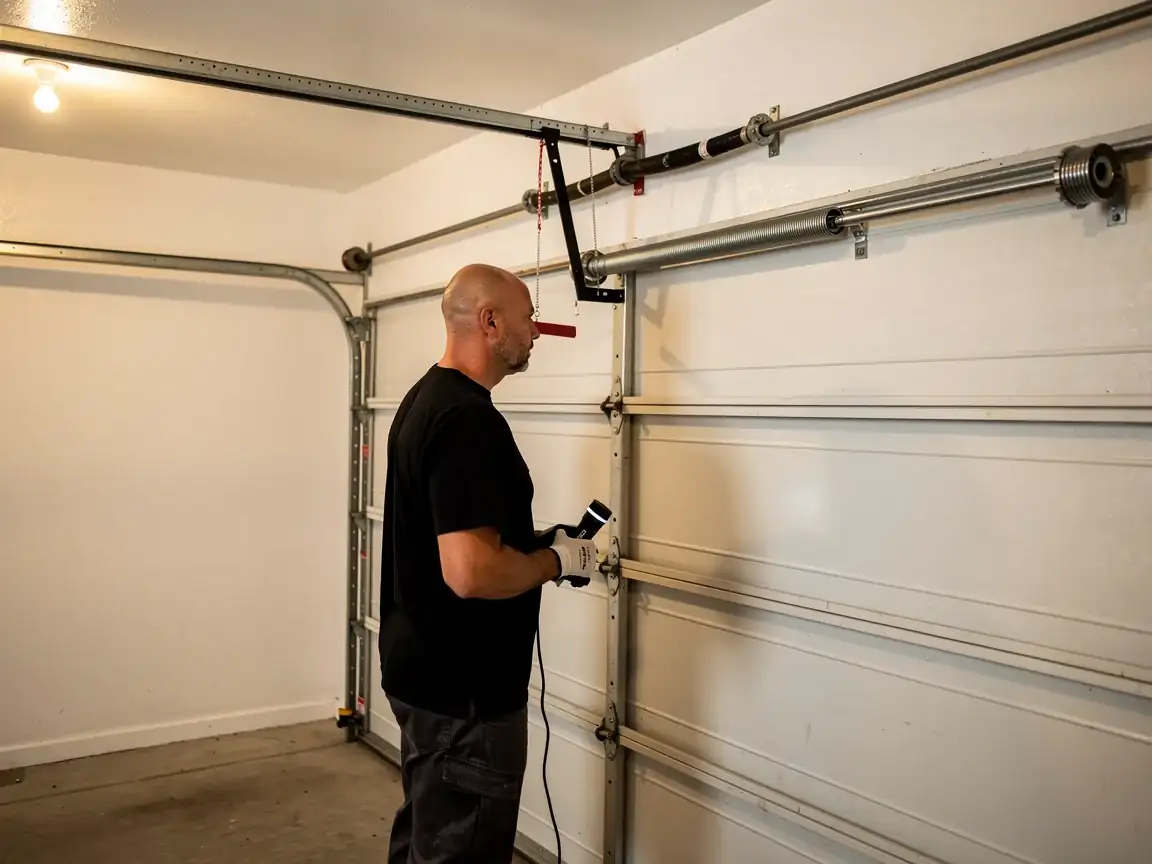
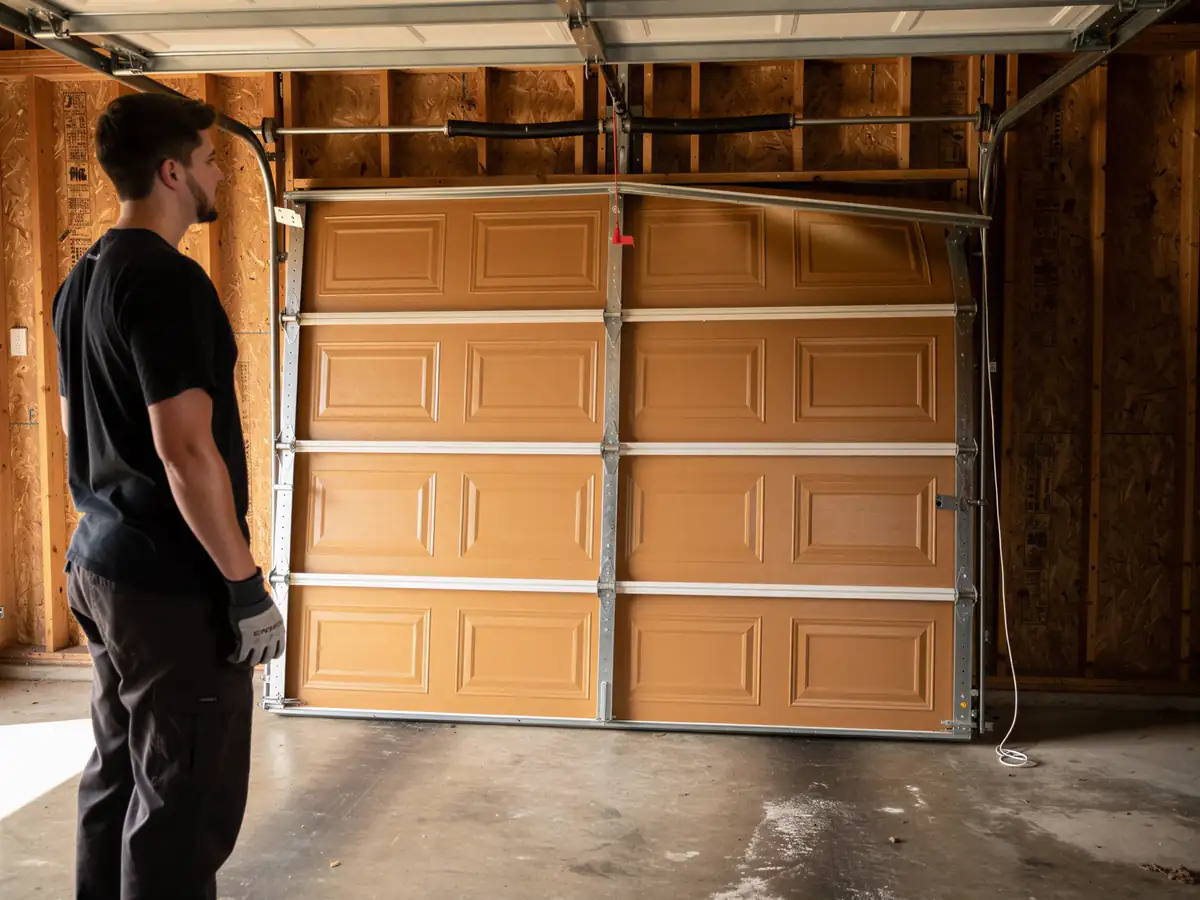
The telltale sign is noise that wasn't there a year ago - a grinding or rattling as the door travels, especially right where the roller crosses from the vertical track into the curve toward the horizontal section. Some owners notice the door hesitate or jerk at that same spot instead of gliding through it. Others see it visually: a roller that looks chipped, flat on one side, or has worked its way partway out of its bracket.
If only one or two rollers are bad, you'll often feel it as a shudder rather than hear a full grind. If most of them are original hardware from a 1960s or 70s build, though, it's rarely just one roller - by the time one fails from age, the rest are usually close behind it, which is worth knowing before you pay for a single-roller fix and end up calling again in a few months.
How We Fix It
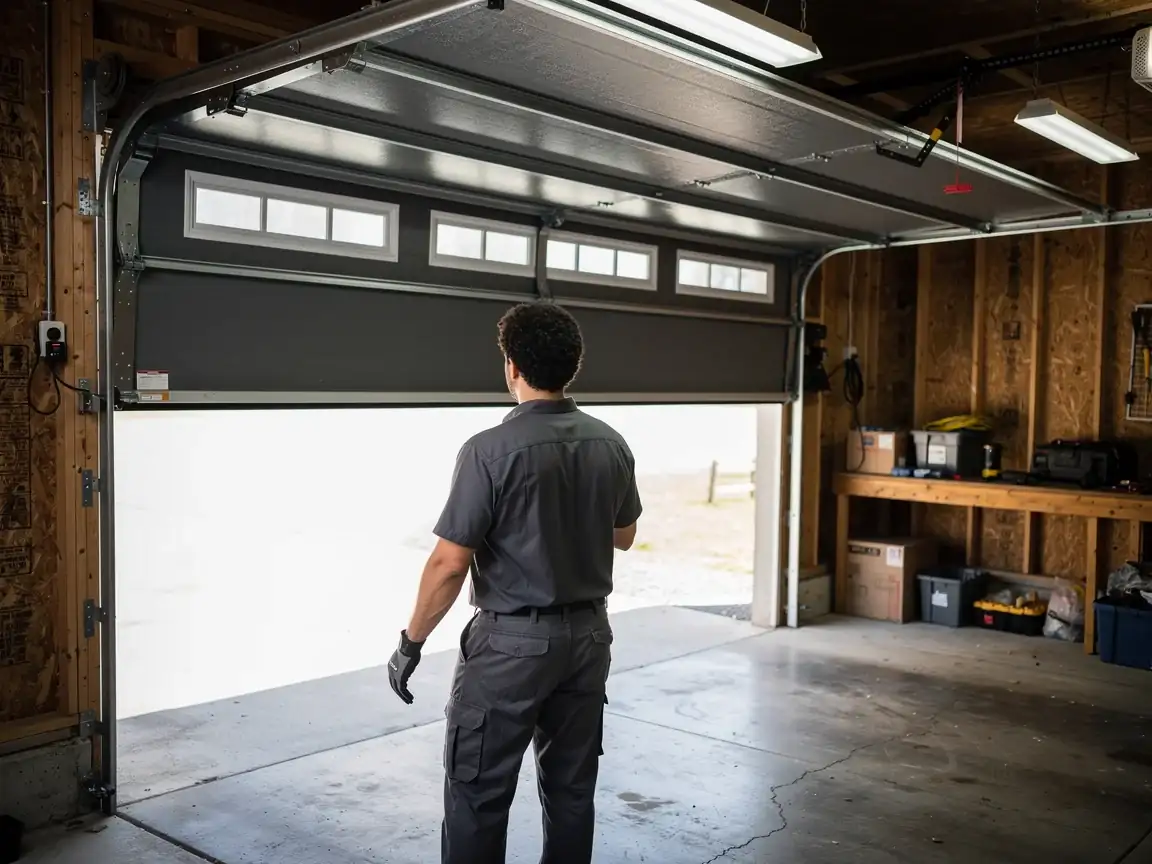
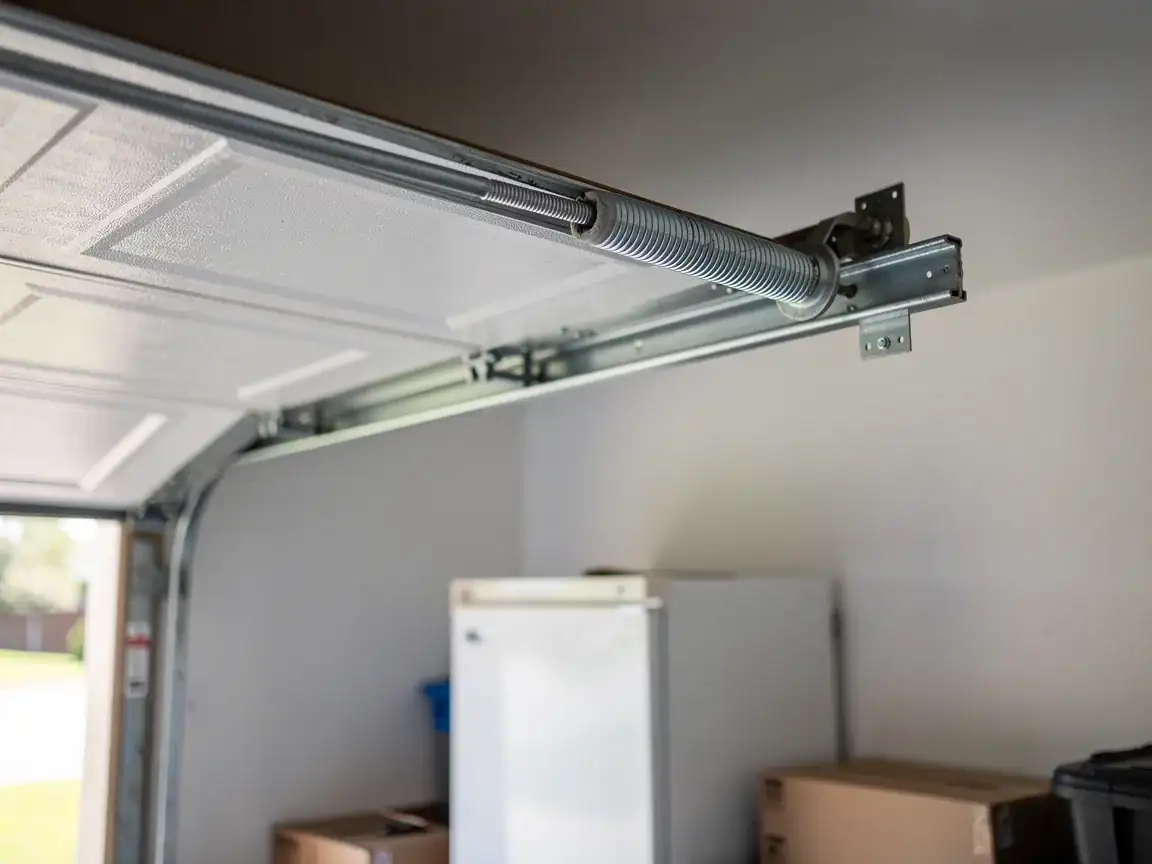
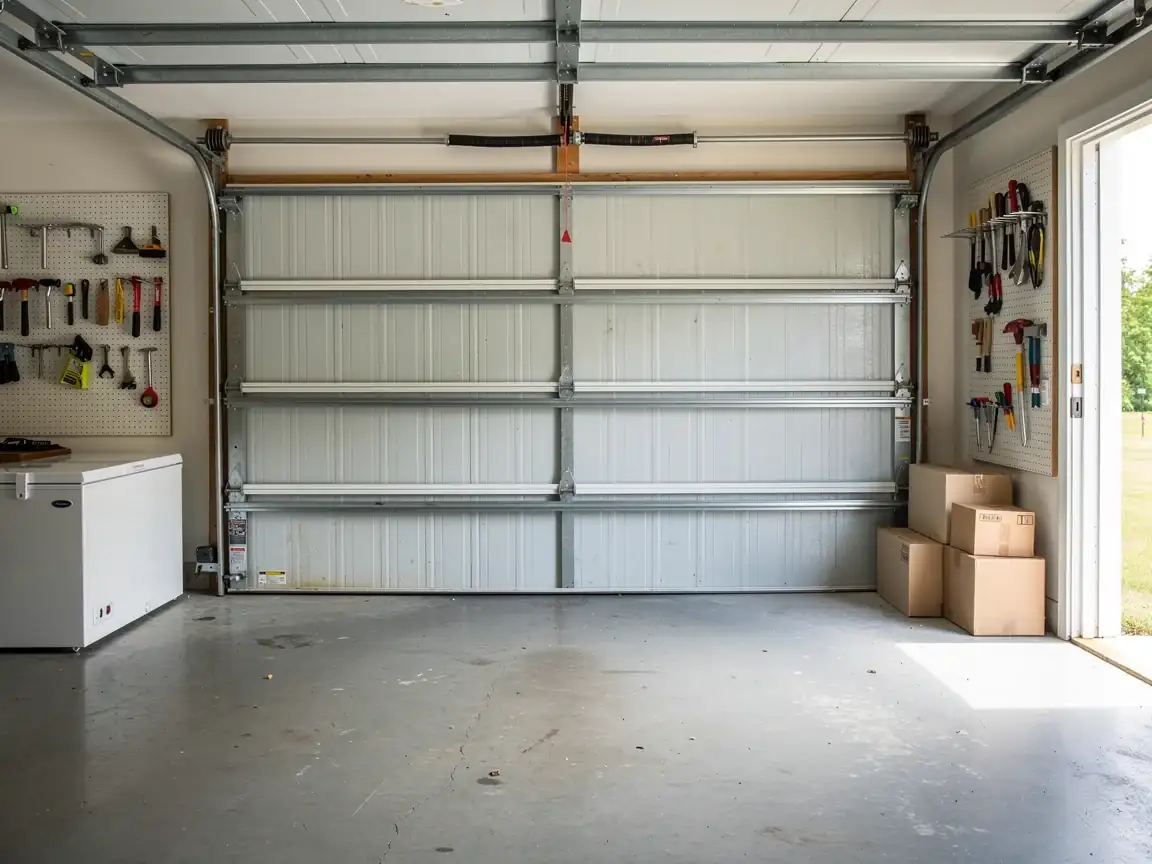
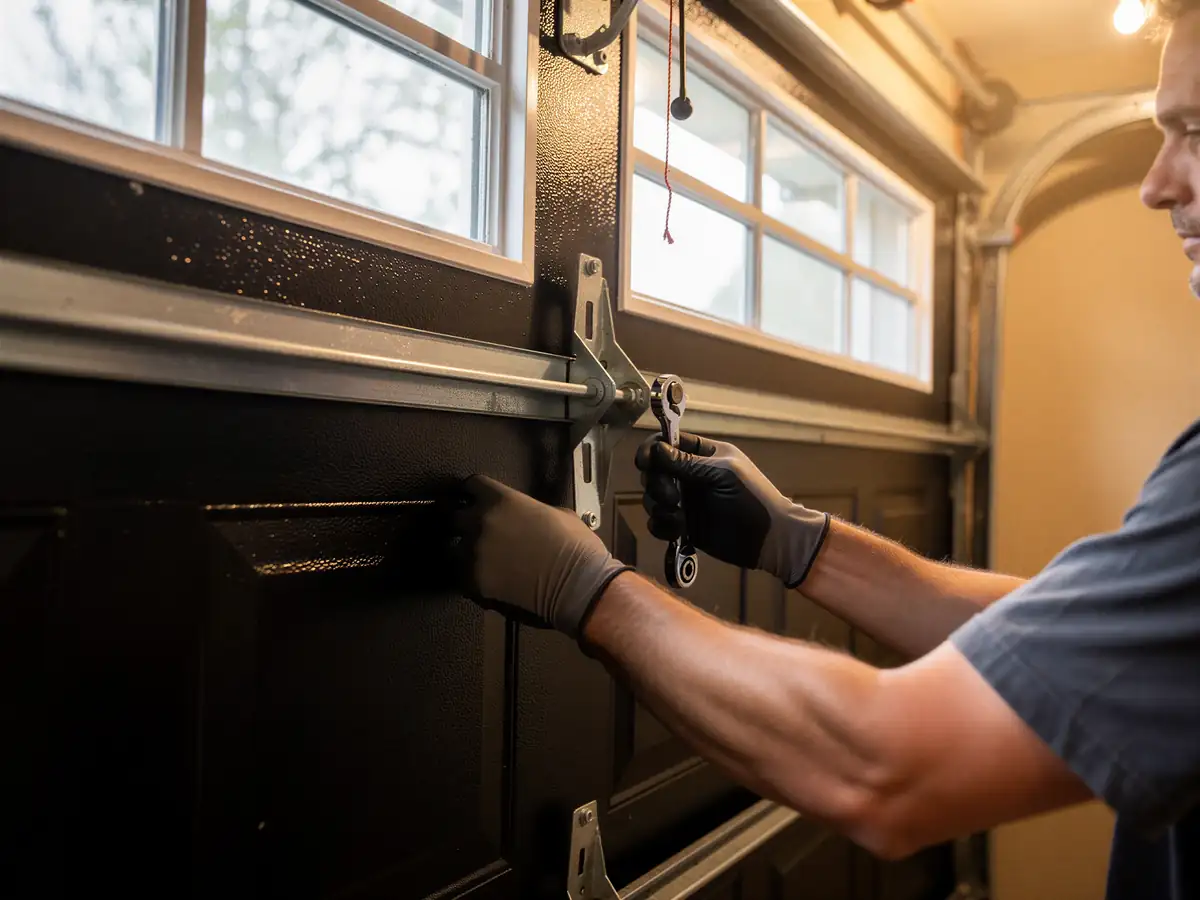
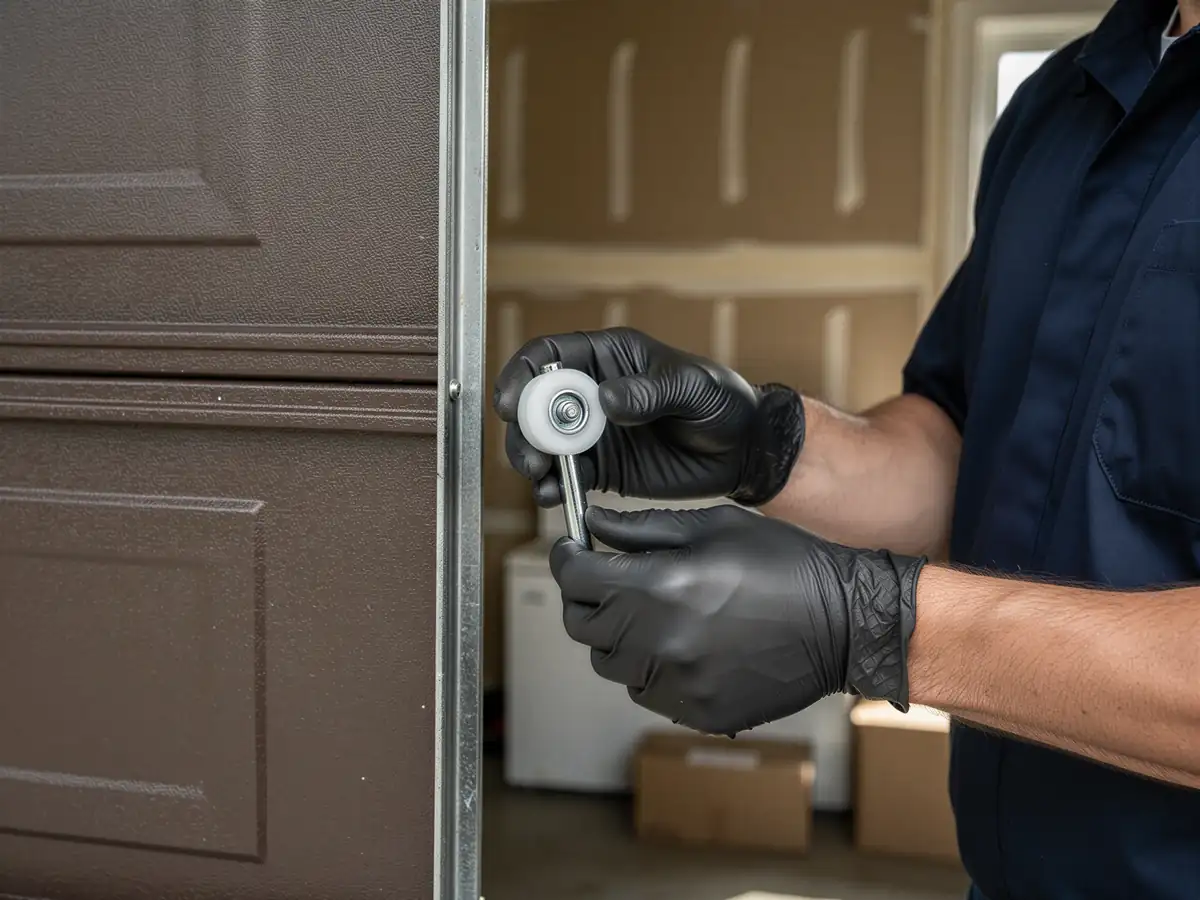
We pull the worn steel rollers and replace them with sealed nylon rollers, which run quieter and don't wear the track the way steel-on-steel does over decades. While the door's open and the rollers are out, we check the track for the kind of wear pattern that forty-plus years of steel rollers leaves behind - flared edges, flat spots, light rust - and true it up or replace a section if the groove has worn too far for a new roller to ride smoothly.
One honest limit: if the track itself is bent or badly pitted on a door running original 1960s hardware, a roller swap alone won't quiet it down for long. In that case we'll tell you straight that the track needs attention too, rather than sell you new rollers that'll grind again on bad track within a year.