Why It Happens Here
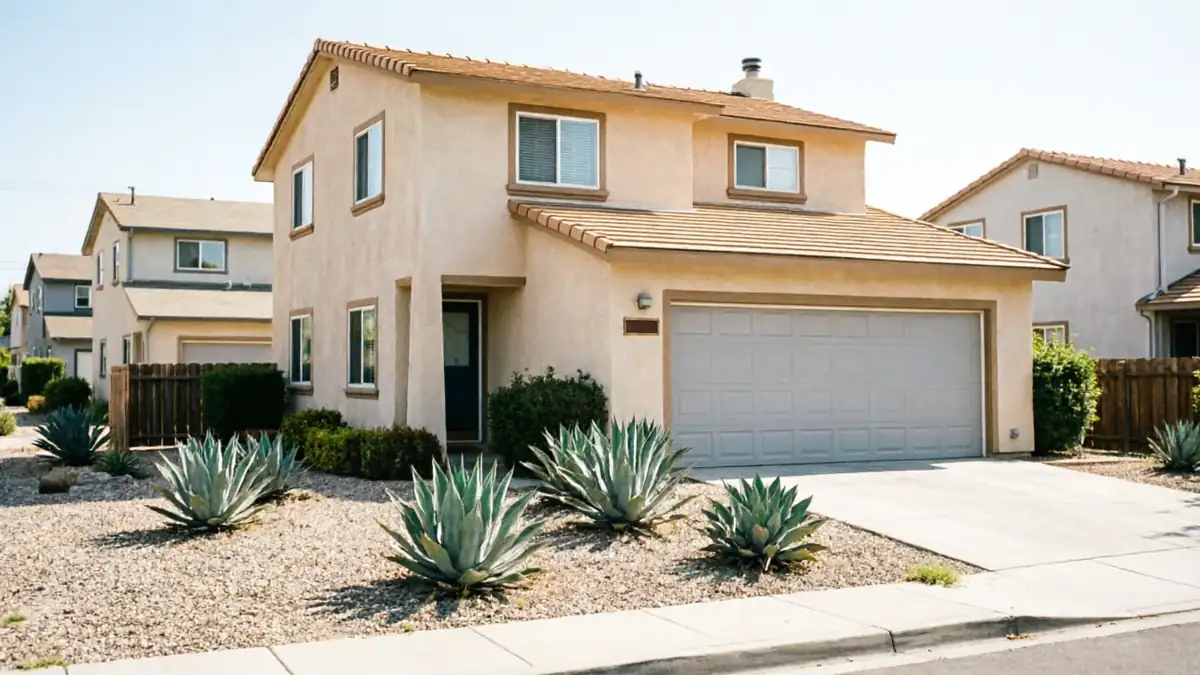
Most of the houses we work on across this service area went up between 1947 and 1964, with the bulk of the stock dating to the 1960s and 70s across the 58 named areas we cover. That generation of garage doors used galvanized lift cables on drums that were never designed to last the life of the house. Fifty-plus years in, the zinc coating on those original cables is long gone on the doors that haven't been touched, and what's left is bare wire flexing over a drum thousands of times a week. Add the mild temperate climate here - no deep freeze, no heavy humidity swings - and you don't get the dramatic failures some regions see. You get slow fatigue instead: a cable that frays strand by strand near the bottom bracket or the drum, until one more cycle snaps it. We see this on original 1960s hardware constantly, and we see it on newer torsion setups where a cable was never replaced after the spring was. A cable rarely fails alone - if one side goes, the other is usually close behind, especially on a door that's original to a house built in that 1947-1964 window. We won't tell you a cable failed because of 'wear and tear' and leave it there; the honest answer is almost always age plus cycle count, and we'll tell you if your drums or track are worn enough that cable replacement alone won't hold.
The Symptom
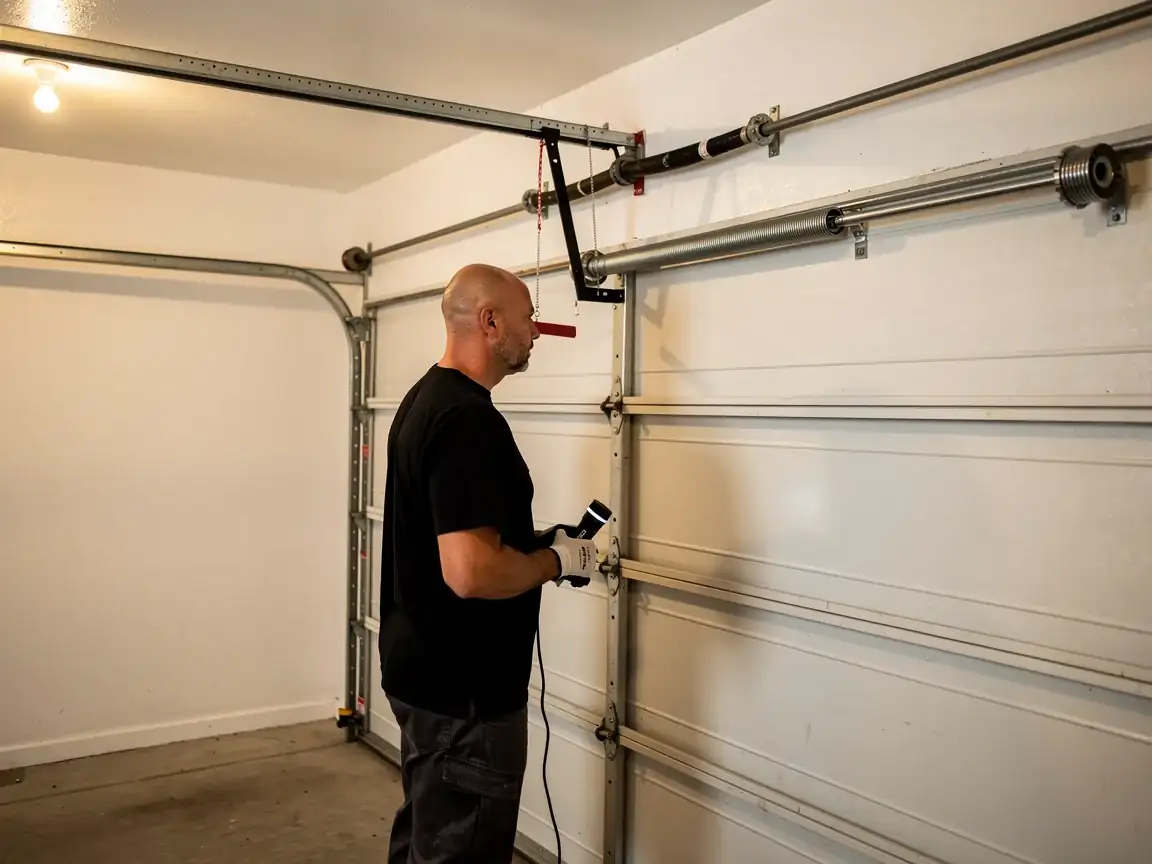
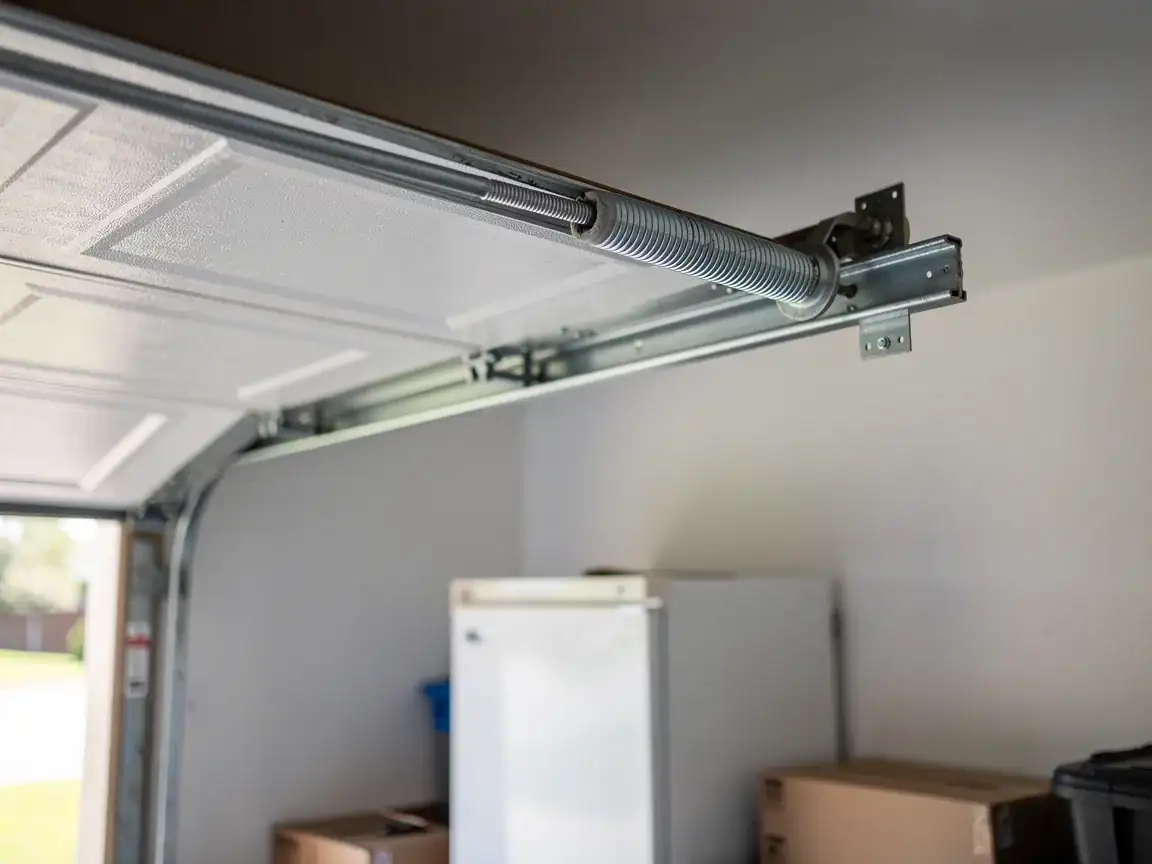
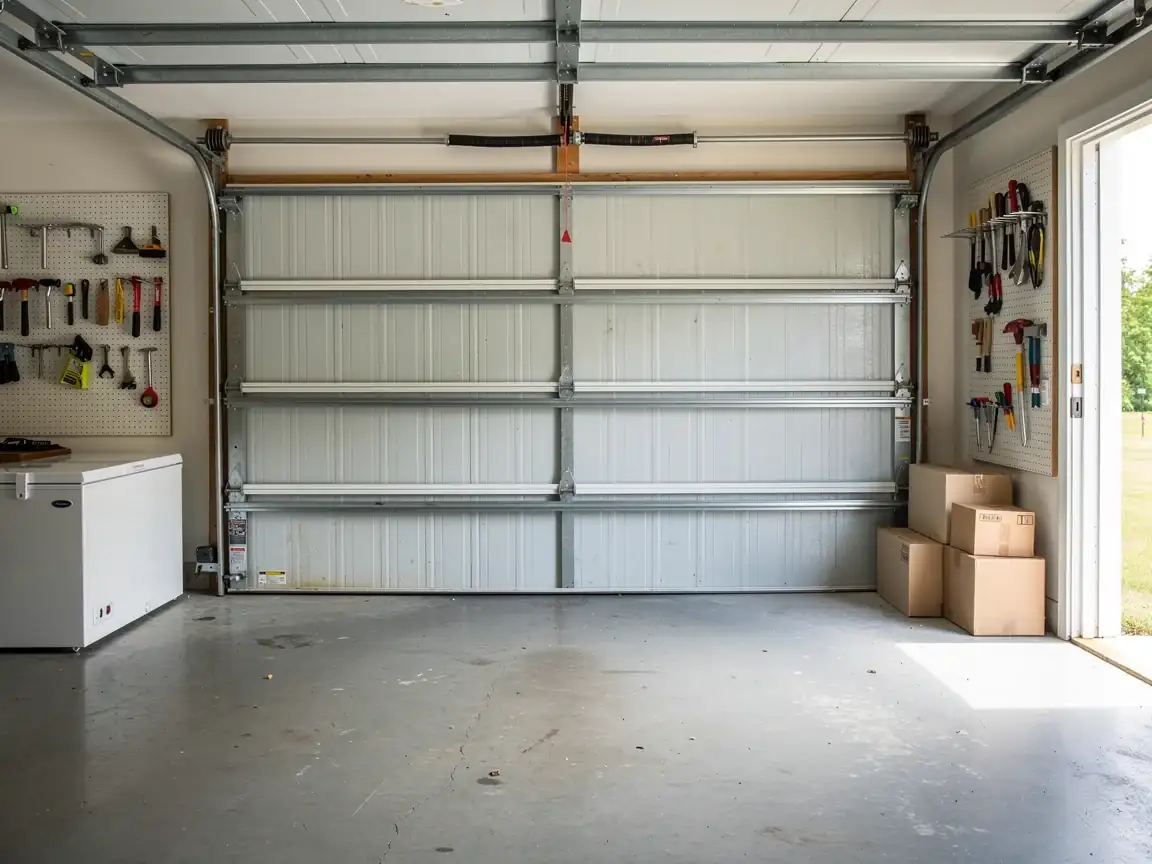
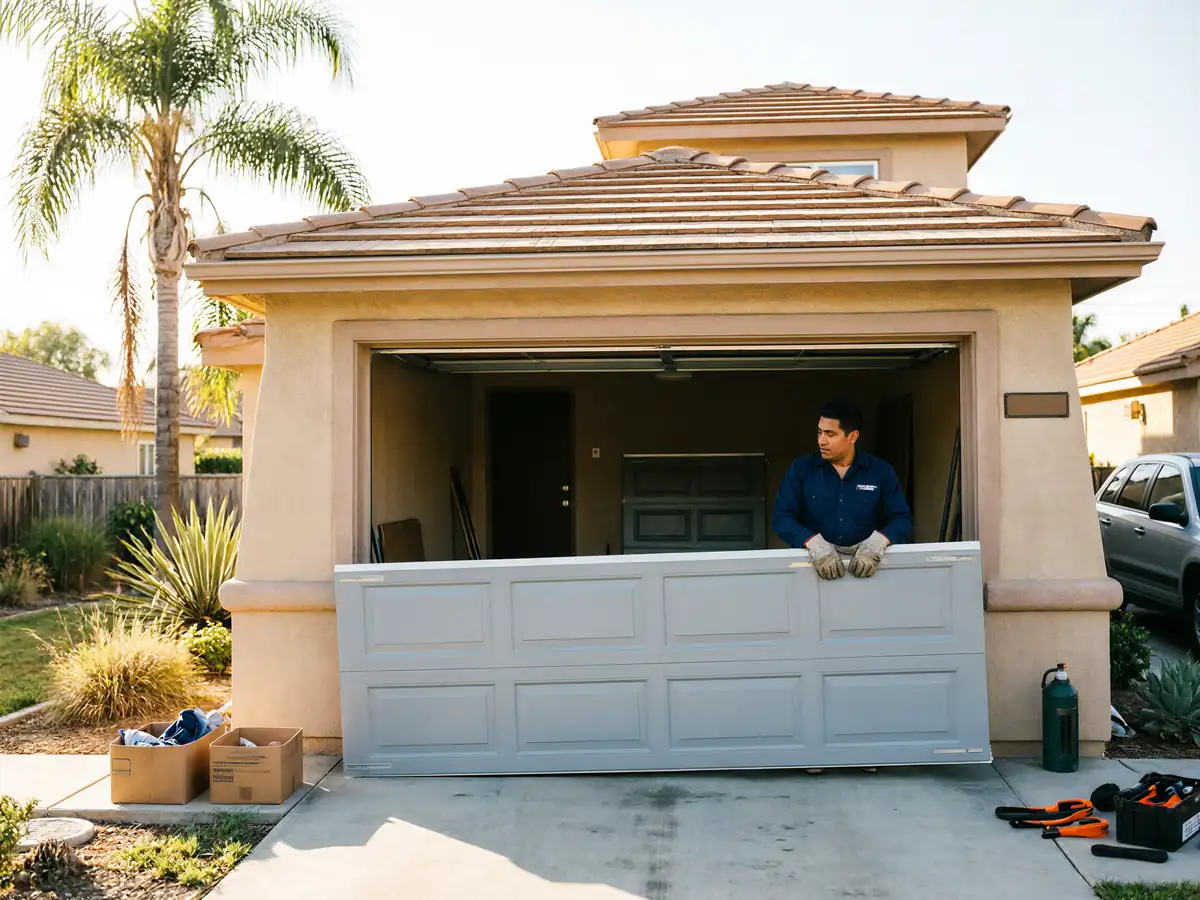
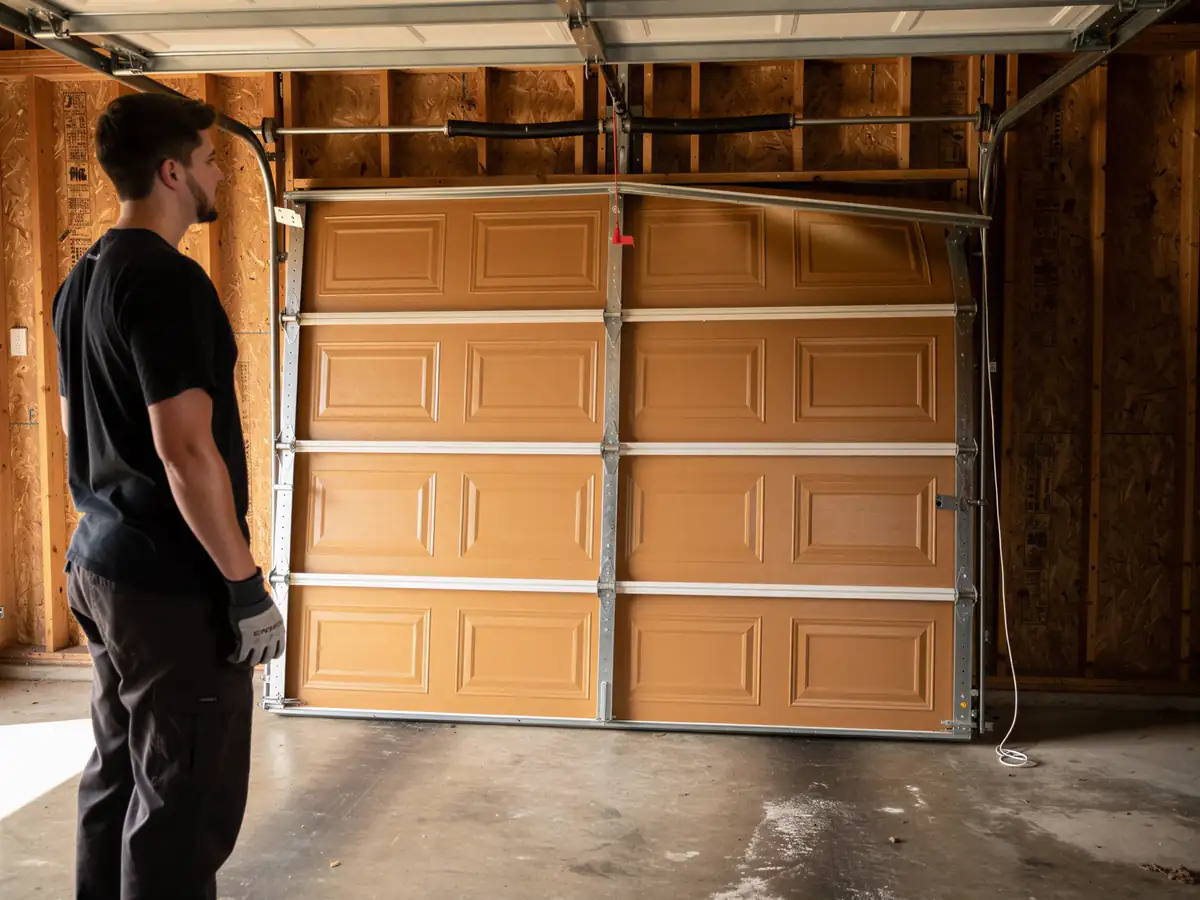
A failing cable rarely announces itself cleanly. You'll usually notice the door hanging unevenly, one corner lower than the other, or the door binding partway through its travel because one side is still under tension and the other isn't. Sometimes it's a loud bang as the cable lets go and the door drops fast on one side, catching on the track. Other times it's quieter: loose cable visibly bunched at the bottom bracket, or a thin wire starting to unravel near the drum where it takes the most abuse. On older torsion setups common in this area's 1960s and 70s housing, the cable often fails right where it wraps the drum, because that's the point with the most repeated flex over fifty-plus years of cycles. If your opener is straining, reversing, or making grinding noise but the door isn't moving right, don't keep running it - a half-failed cable under load is how a door comes off its track.
How We Fix It
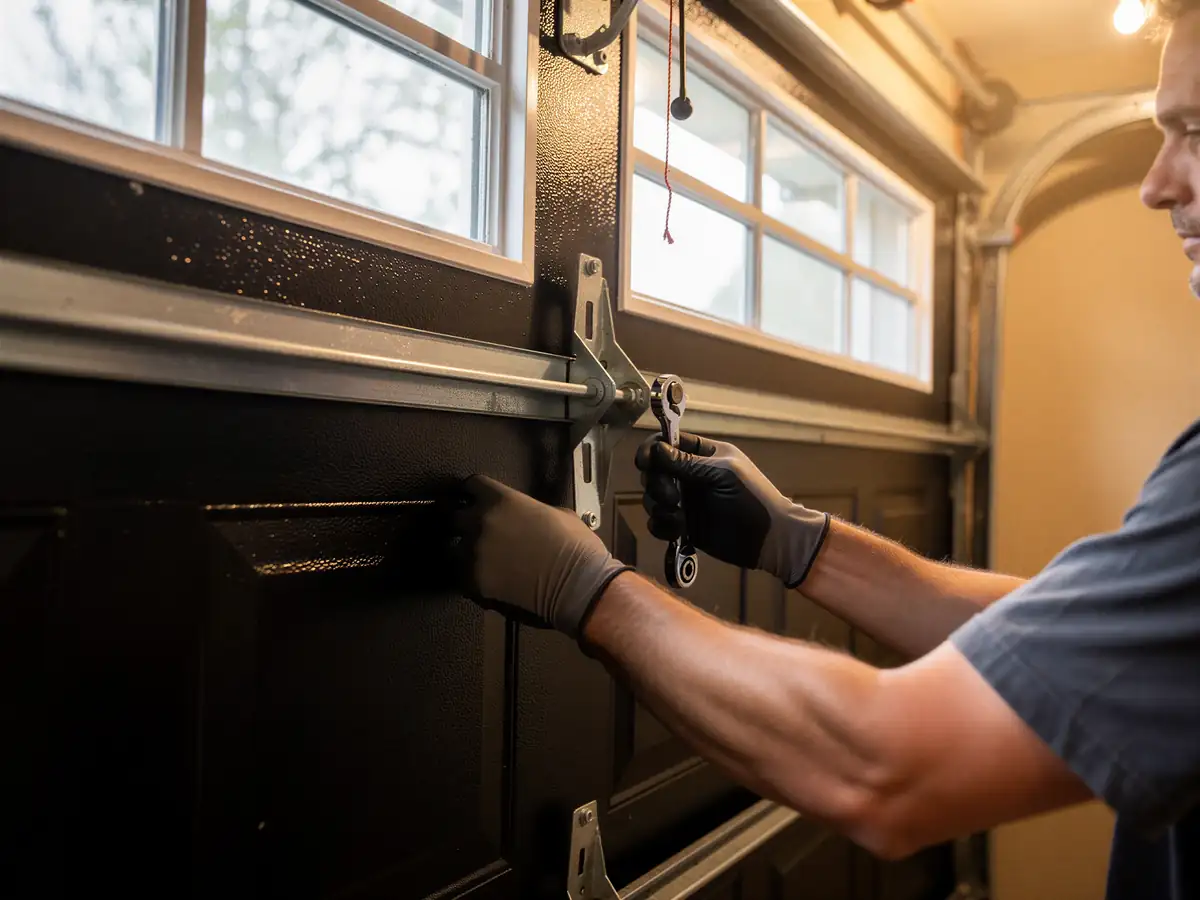
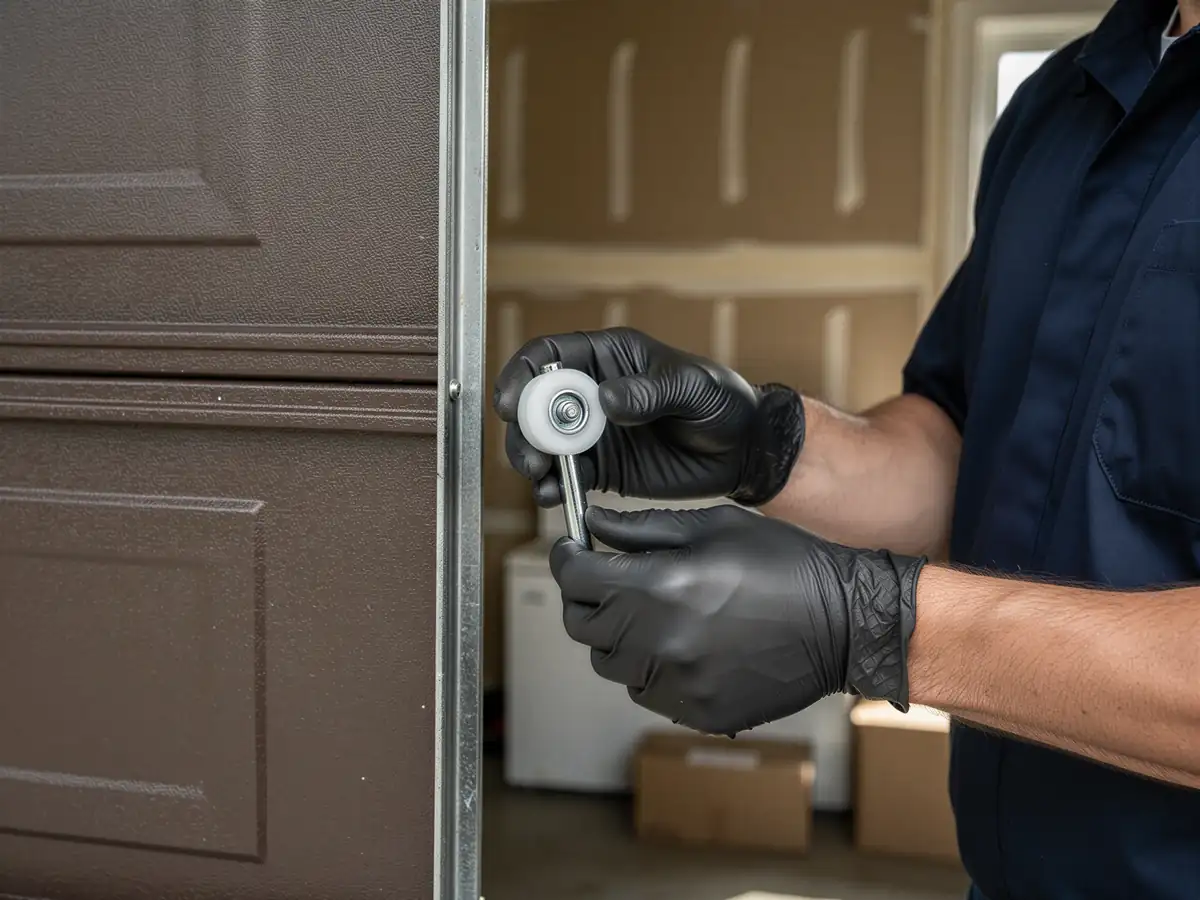
We start by releasing spring tension safely, then pull the old cable, drums, and any damaged hardware for inspection. On houses from the 1947-1964 build era we often find the drums themselves worn from decades with the original cable, so we check those before quoting a cable-only fix. We size new cables to the actual door weight and drum diameter rather than assuming a standard length, since door sizes and spring setups across this service area's housing stock vary more than people expect. Once the new cable is set and wound evenly on both sides, we cycle the door multiple times under load to check balance before we call the job done. We don't apply cosmetic fixes like clamping a frayed cable or re-tensioning a worn one - a compromised cable gets replaced, not patched, because a cable under full spring load is not a place to save money on a half-measure.