Old Streets and New Ones
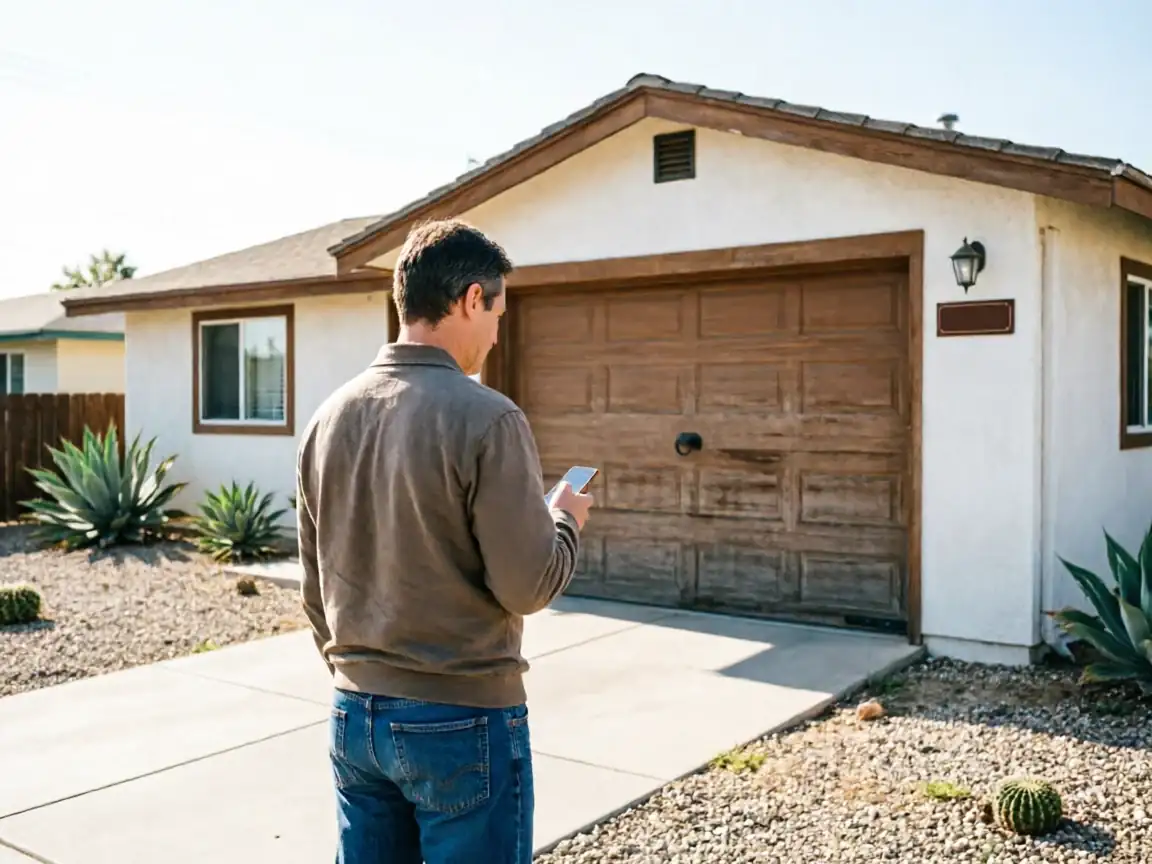
Los Alamitos sits about six miles from our Long Beach shop, closer than most of the territory we cover. It's a small city as these things go - 4,257 households, tucked between Rossmoor five miles off, Seal Beach six miles out, and Cypress at eight. That geography matters less for your garage door than what got built when, but it's worth knowing we're not guessing at the area when we quote a job here.
What does matter is the build era. The median home in Los Alamitos went up around 1970, which is later than the 1964 median across the broader service territory. Six years doesn't sound like much until you're standing in front of the opener. A house framed in 1970 usually got a different door, different spring setup, and often a different opener retrofit history than one framed a decade earlier. We see both eras on a given week, and we don't treat them the same.
The Houses Here
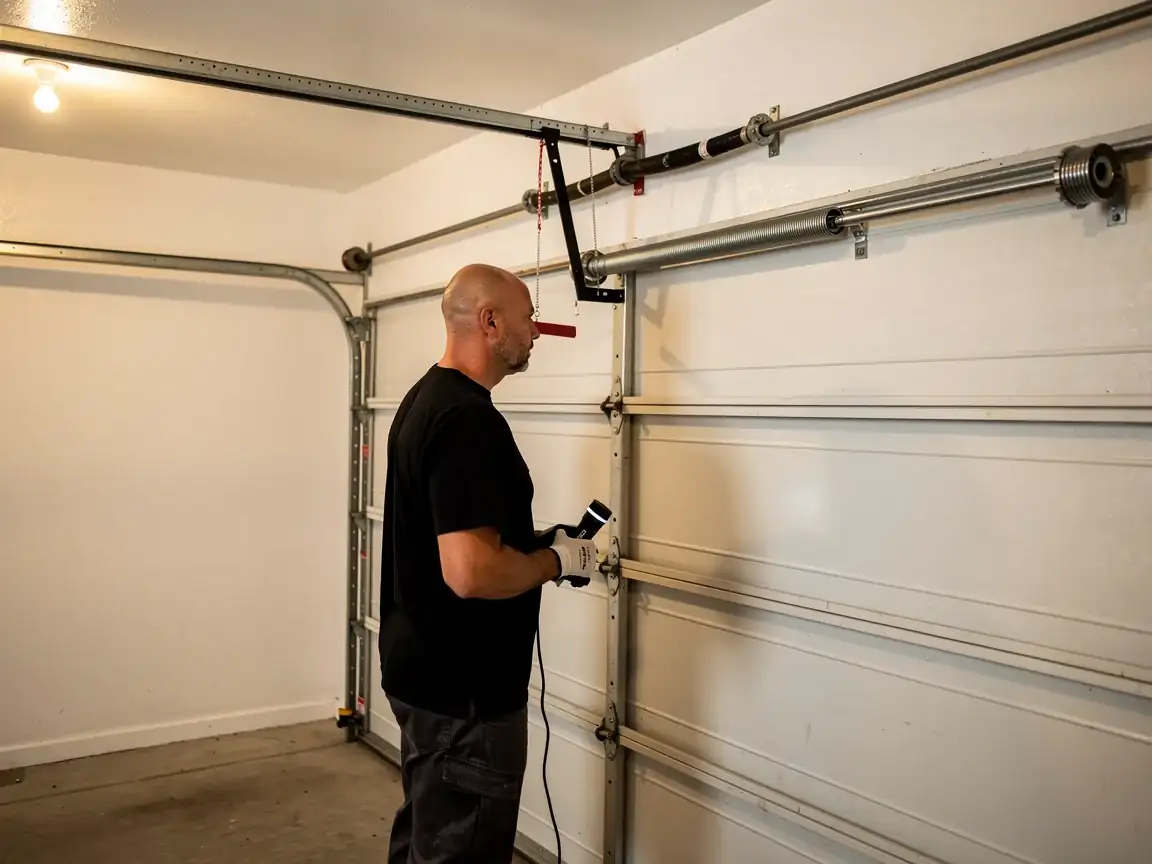
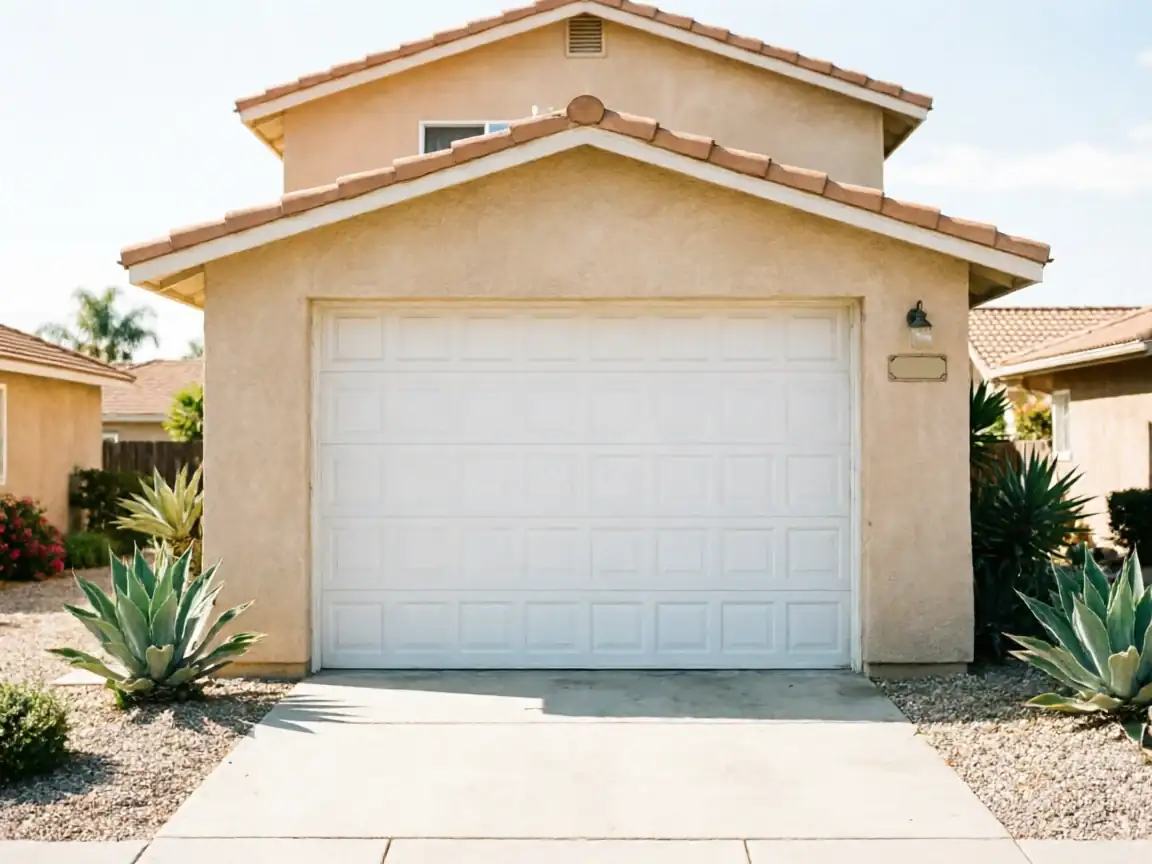
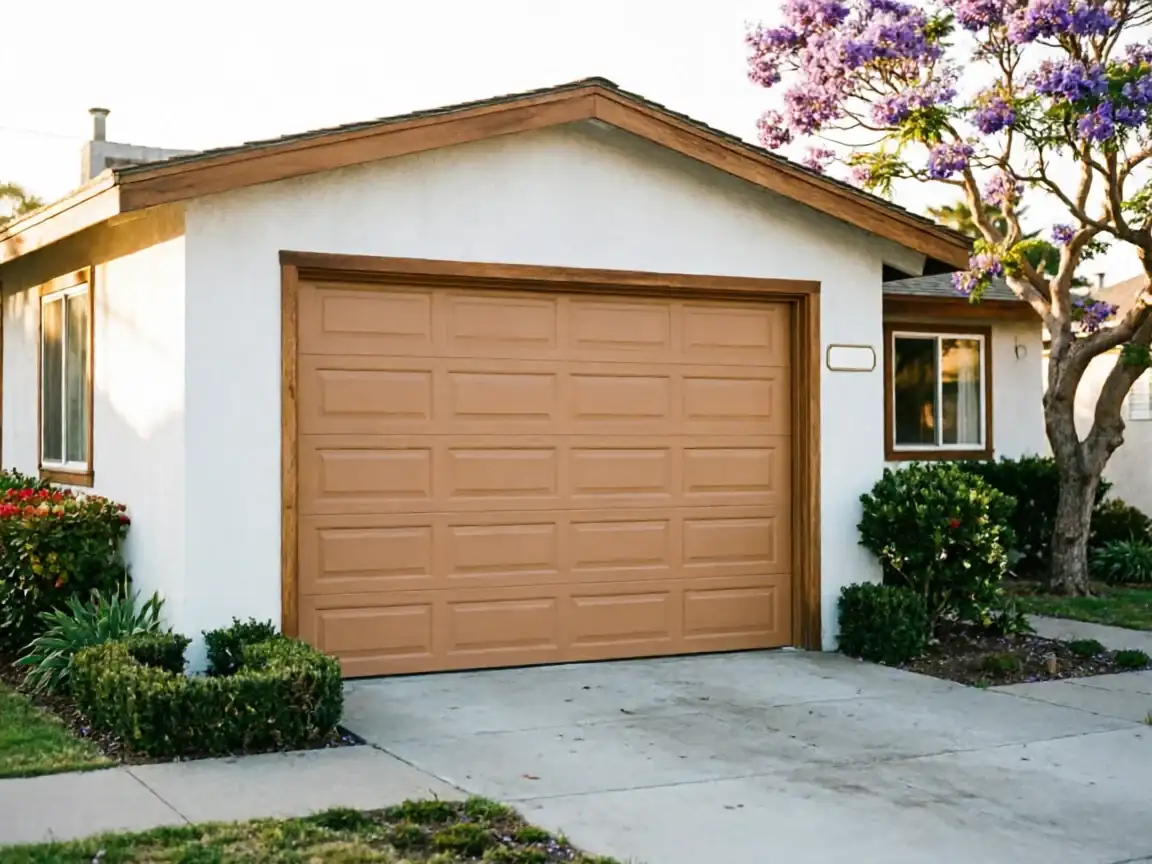
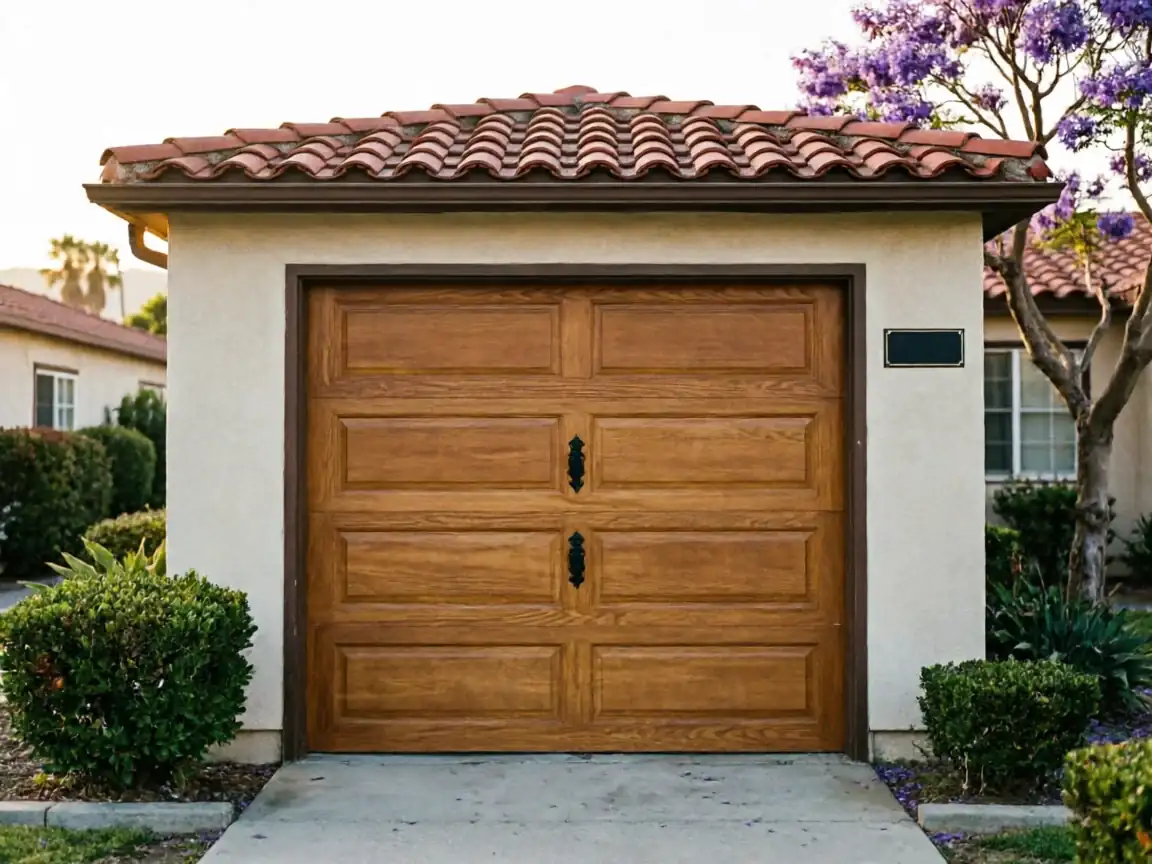
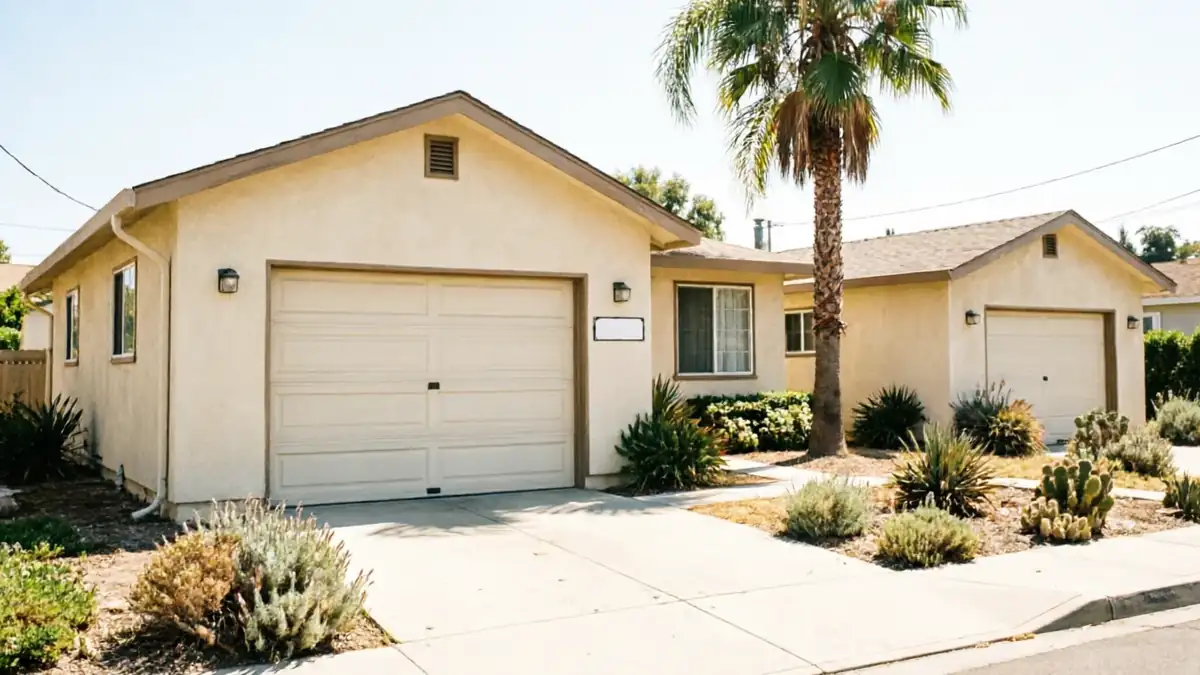
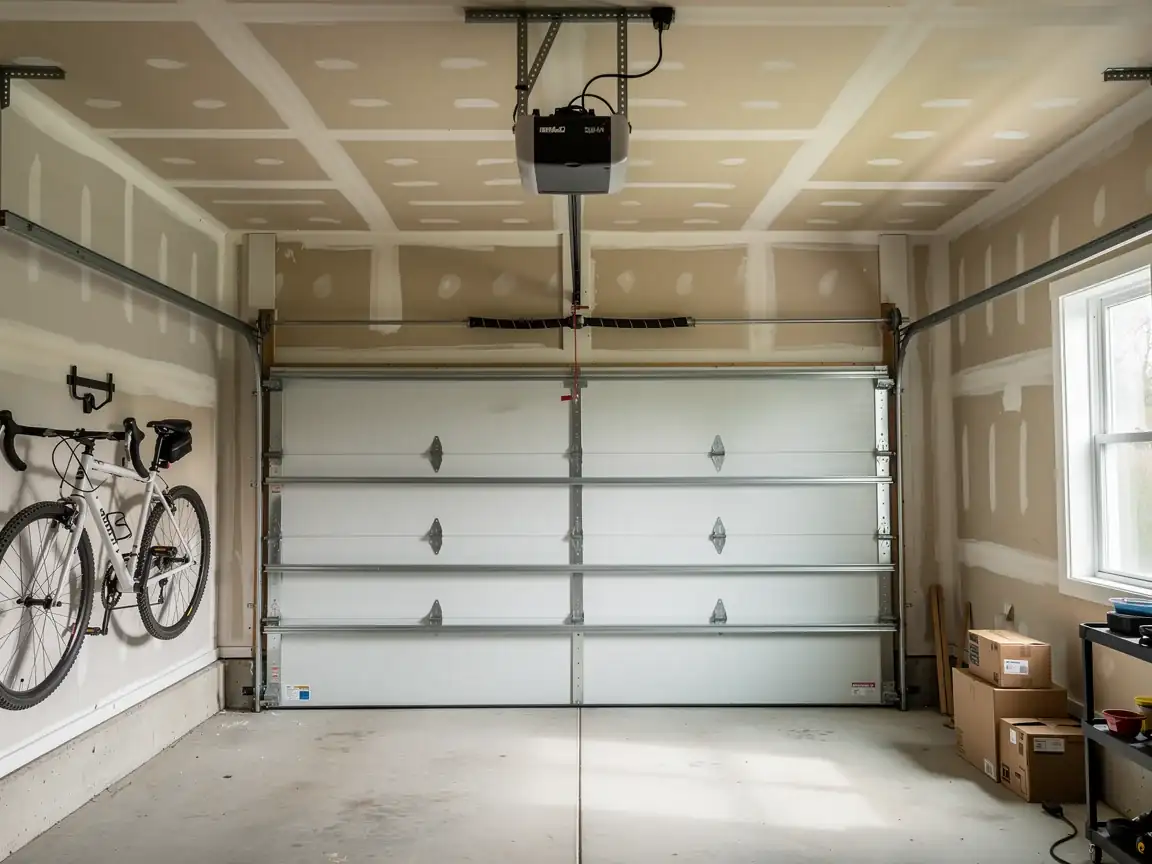
A 1970-built home in this part of the region typically shipped with a steel sectional door on an extension-spring system
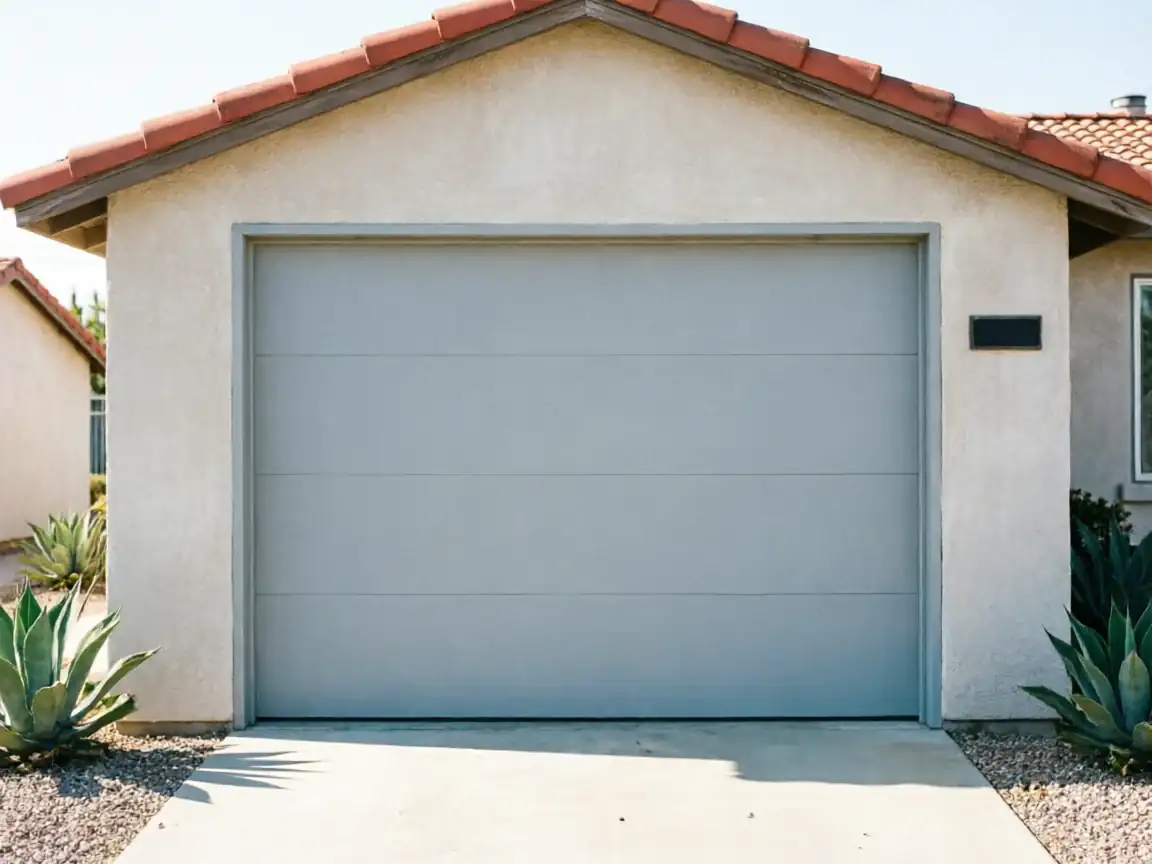
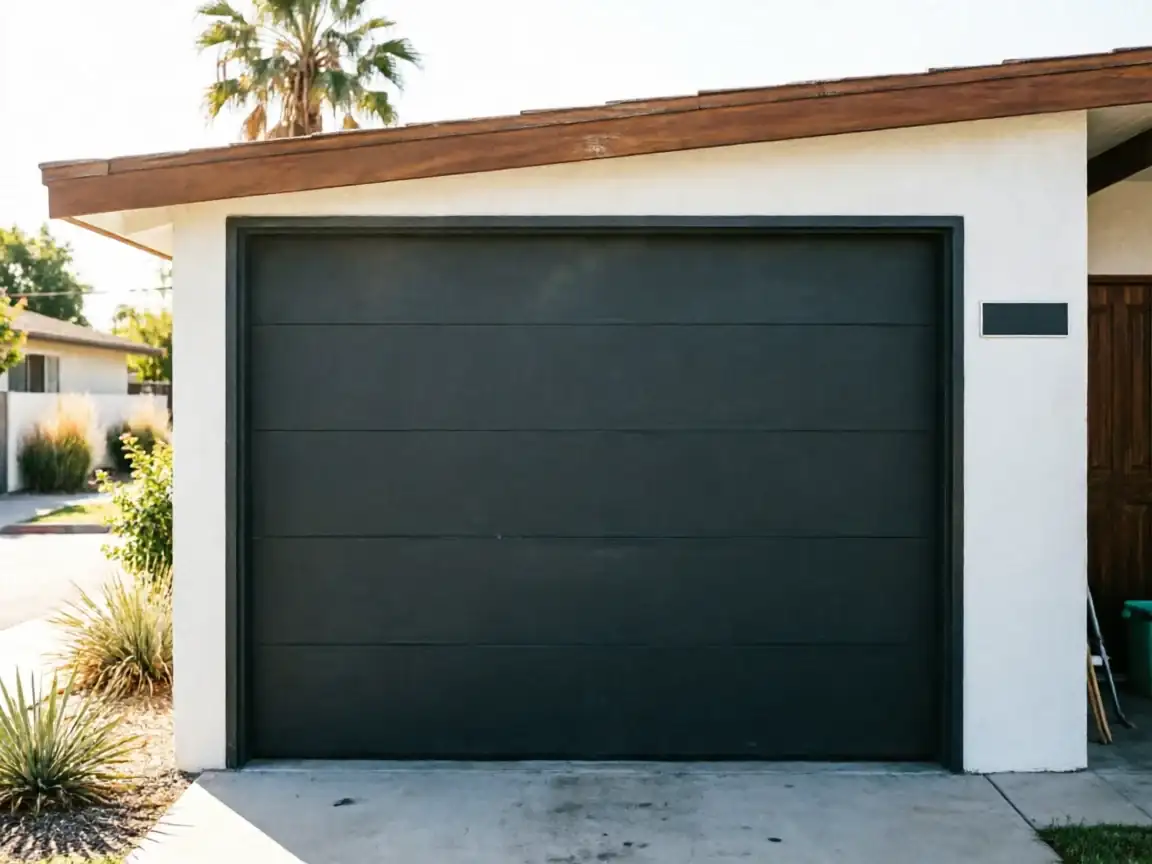
Sometimes a flush panel without the ribbed look that came later. Garages from this era also tend to have single-car bays converted or widened at some point, which means hardware that doesn't always match the opening it's bolted to.
The climate here is mild temperate
No deep freeze, no monsoon season - so the doors and tracks aren't fighting the weather the way they would somewhere with real seasonal swings. That's a point in this area's favor. Rust and warping from moisture cycling are less of a driver here than in harsher climates. What ages these doors is mostly use: fifty-plus years of cycles on original springs and rollers, not weather damage. Income here runs higher than the territory average, $98,539 against $85,247, which we mention only because it tracks with what we see on the ground - more owners choosing full opener upgrades over patch repairs when a spring finally goes.
What the Housing Means for Your Door
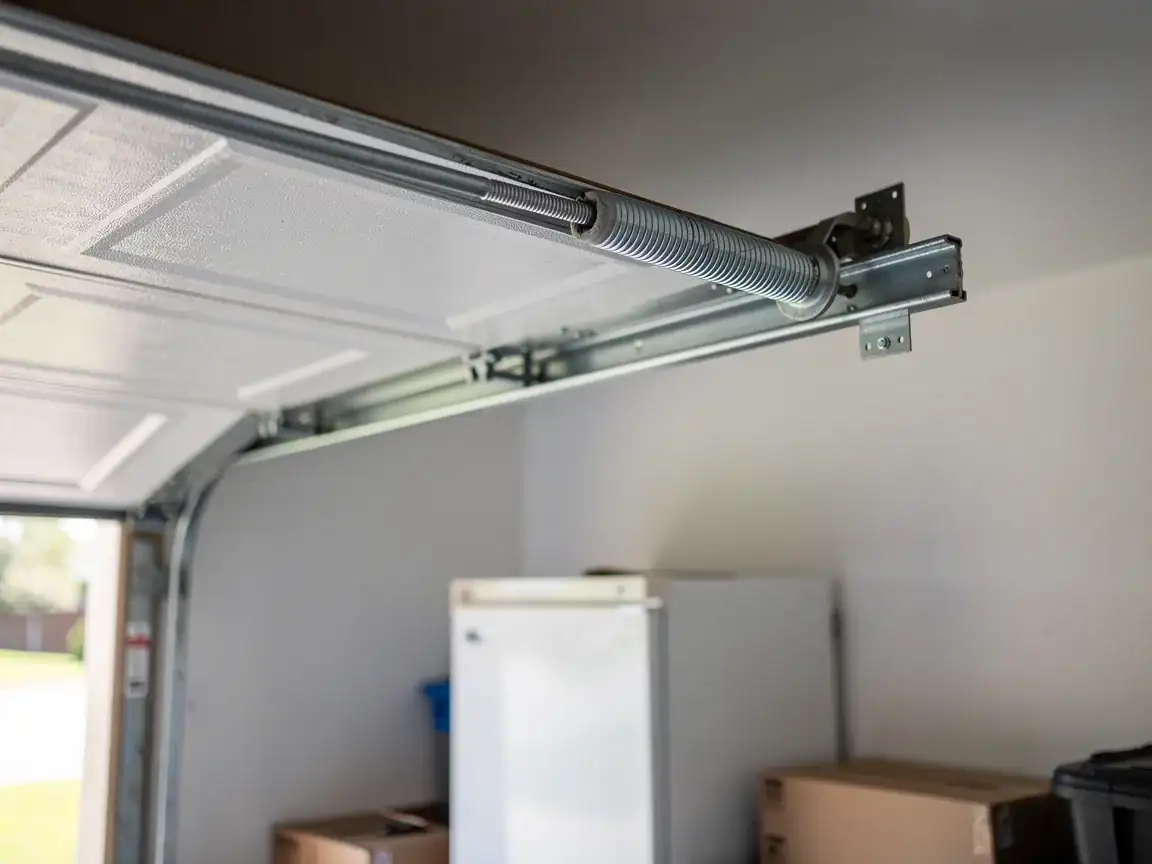
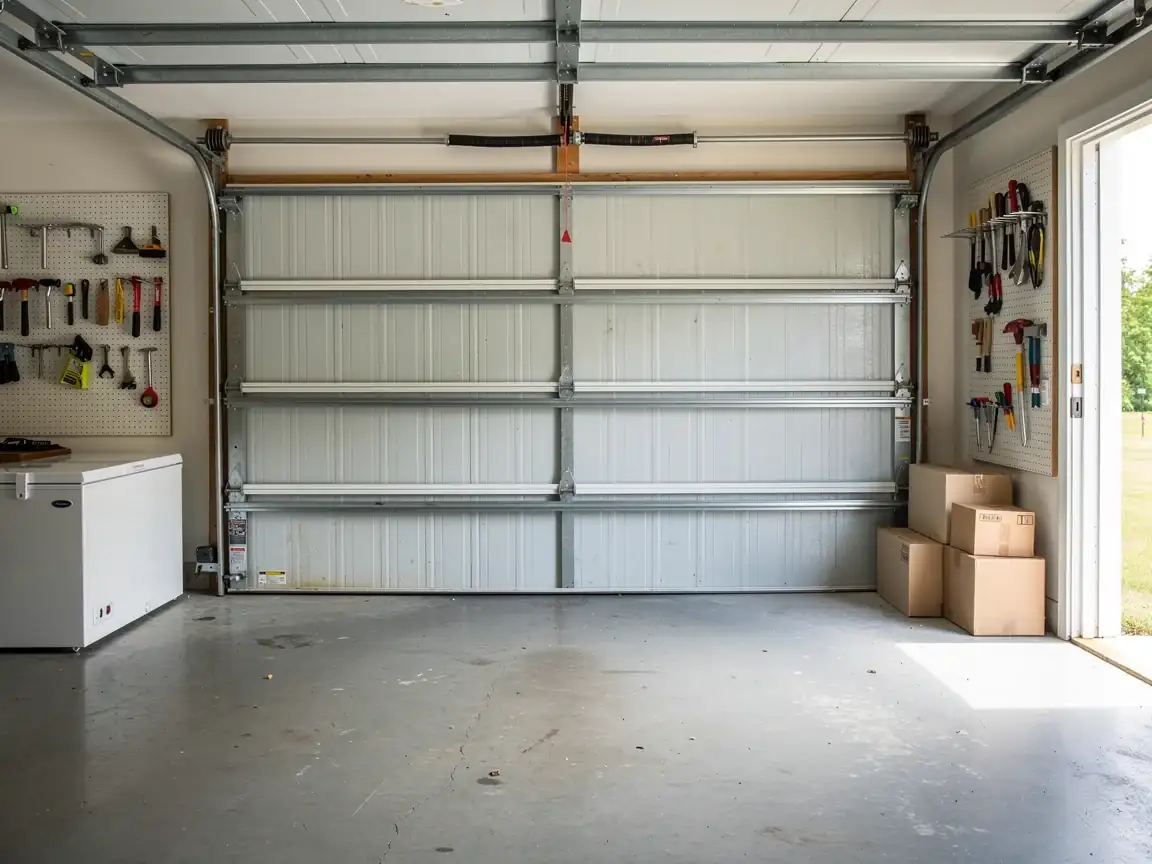
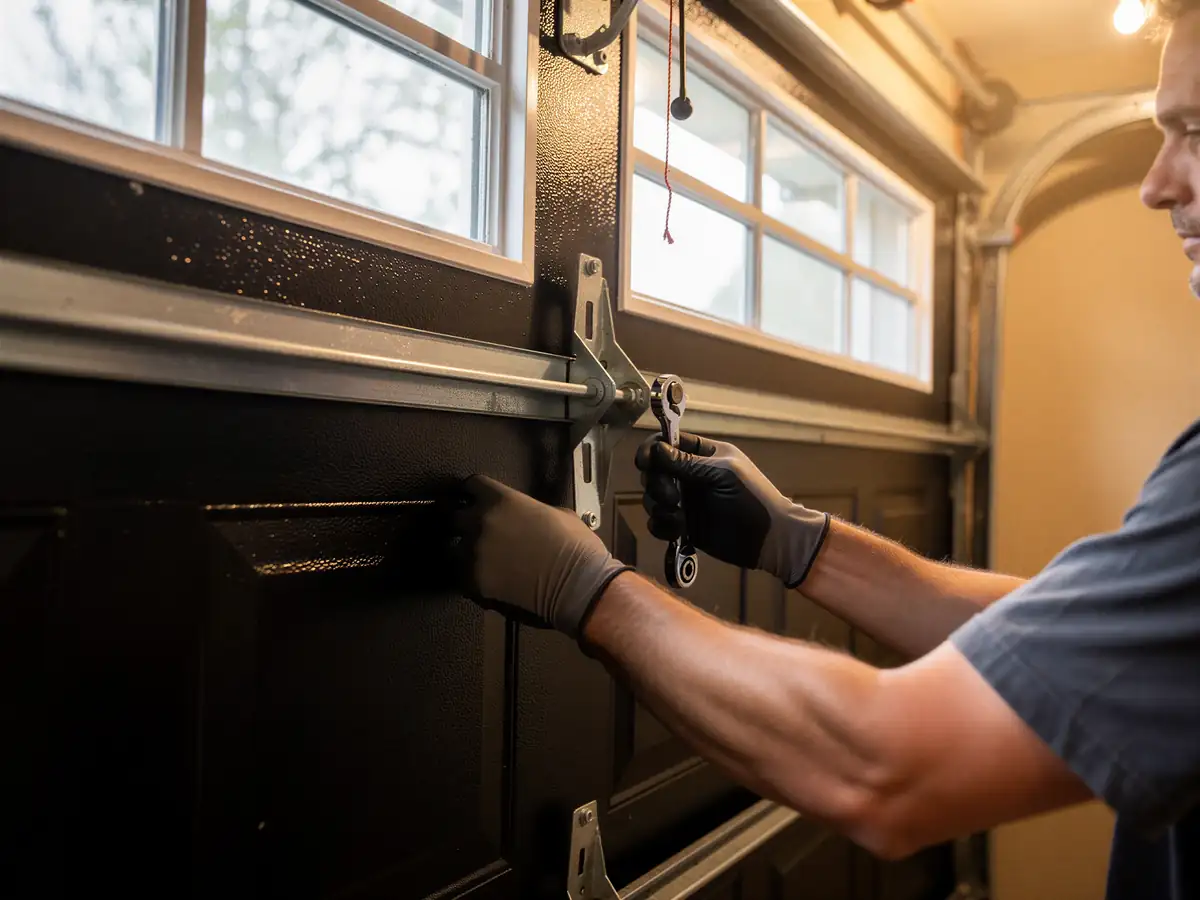
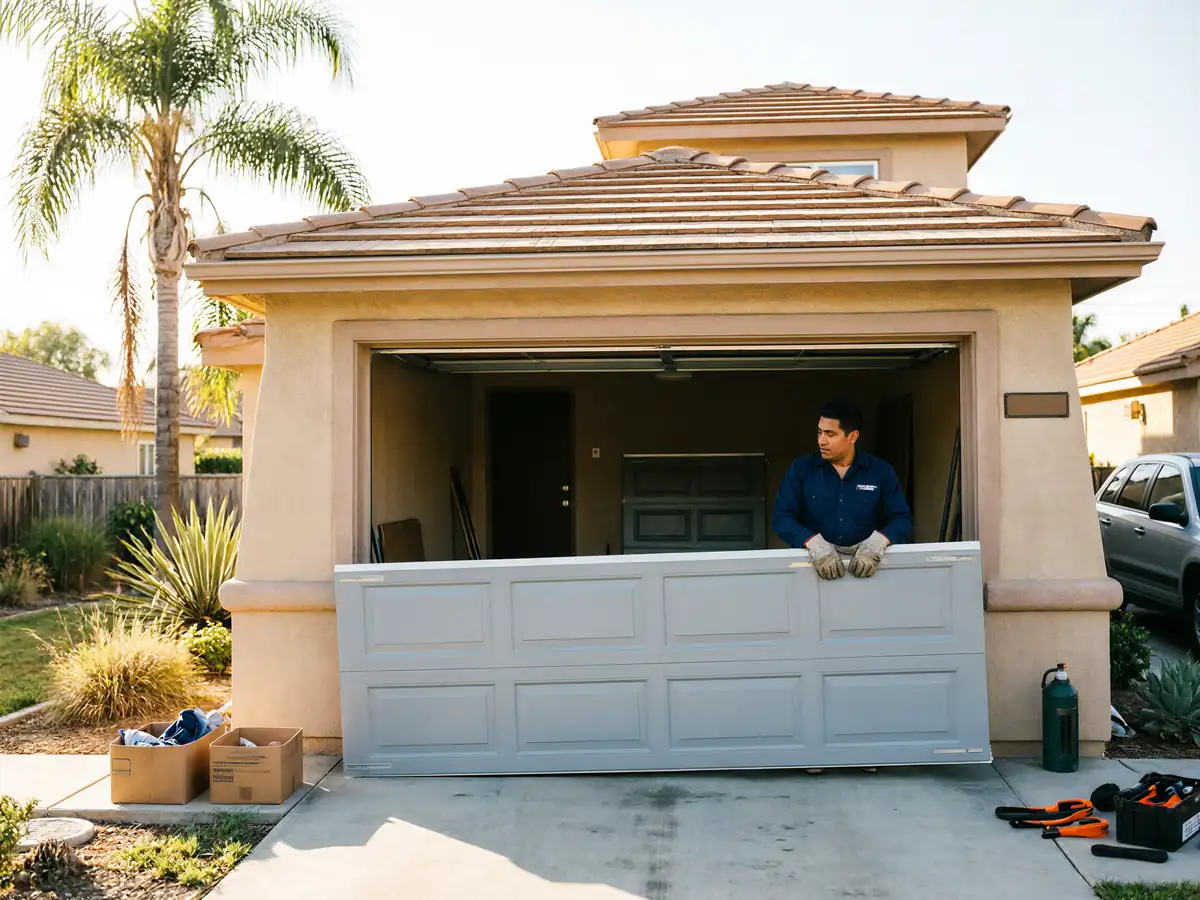
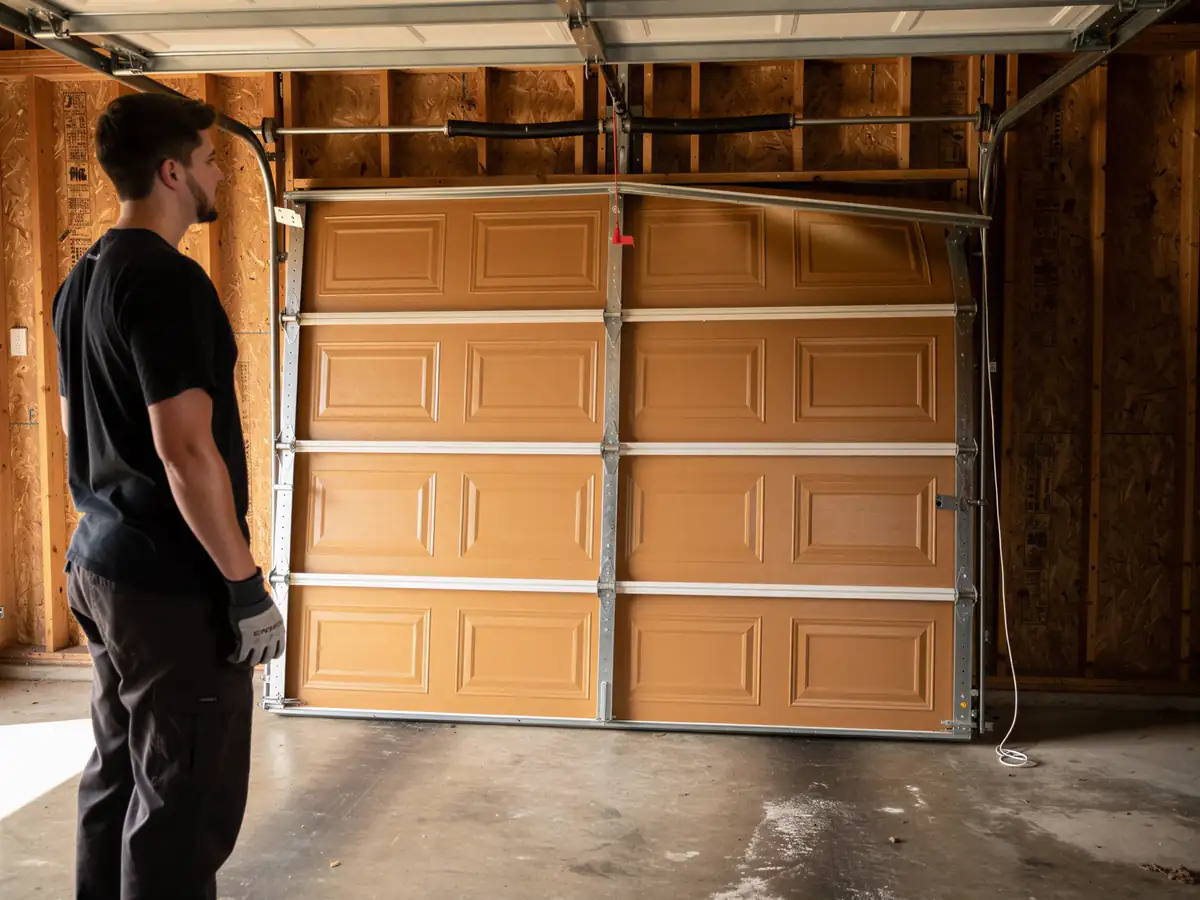
With a 1970 median build year, a good chunk of Los Alamitos garages still run original or first-replacement extension springs rather than the torsion setups that became standard later. Extension springs on an older door are the thing we get called about most - they stretch, fray, and eventually snap, usually without warning, usually when it's cold enough to notice but not cold enough to blame weather.
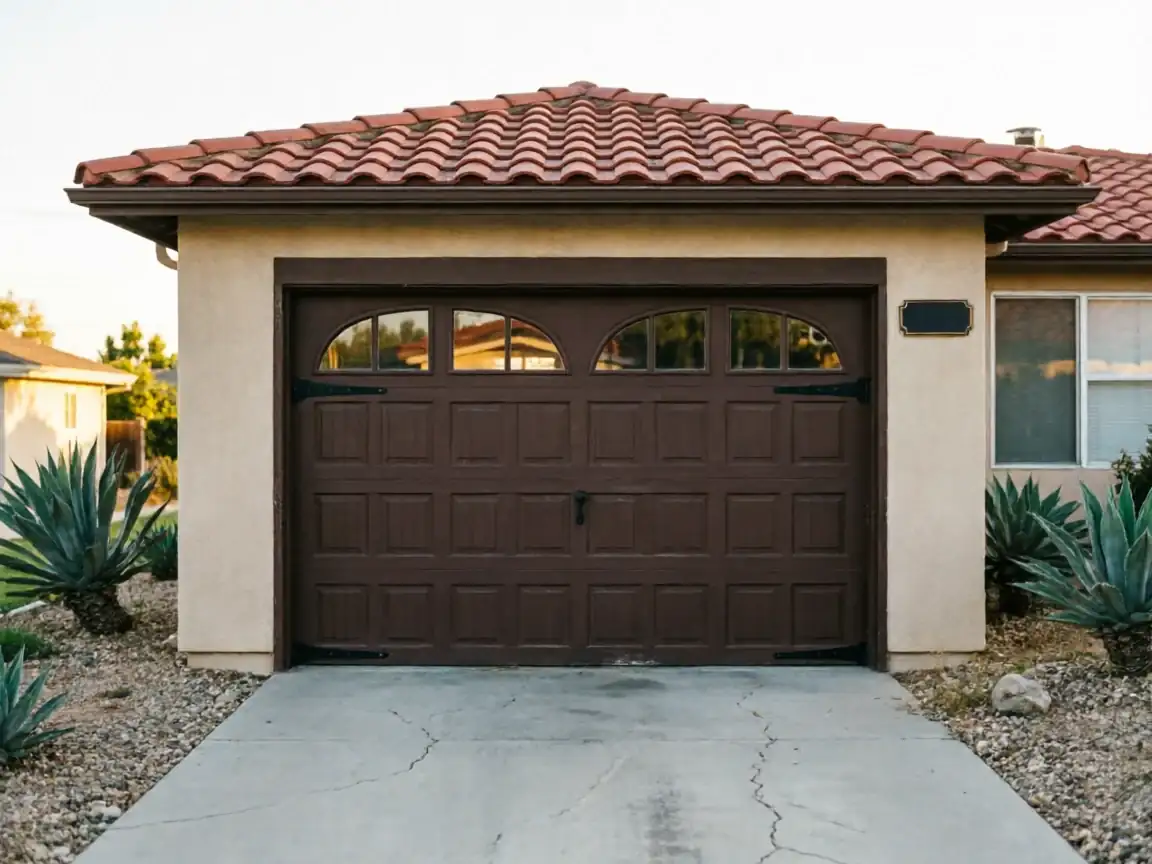
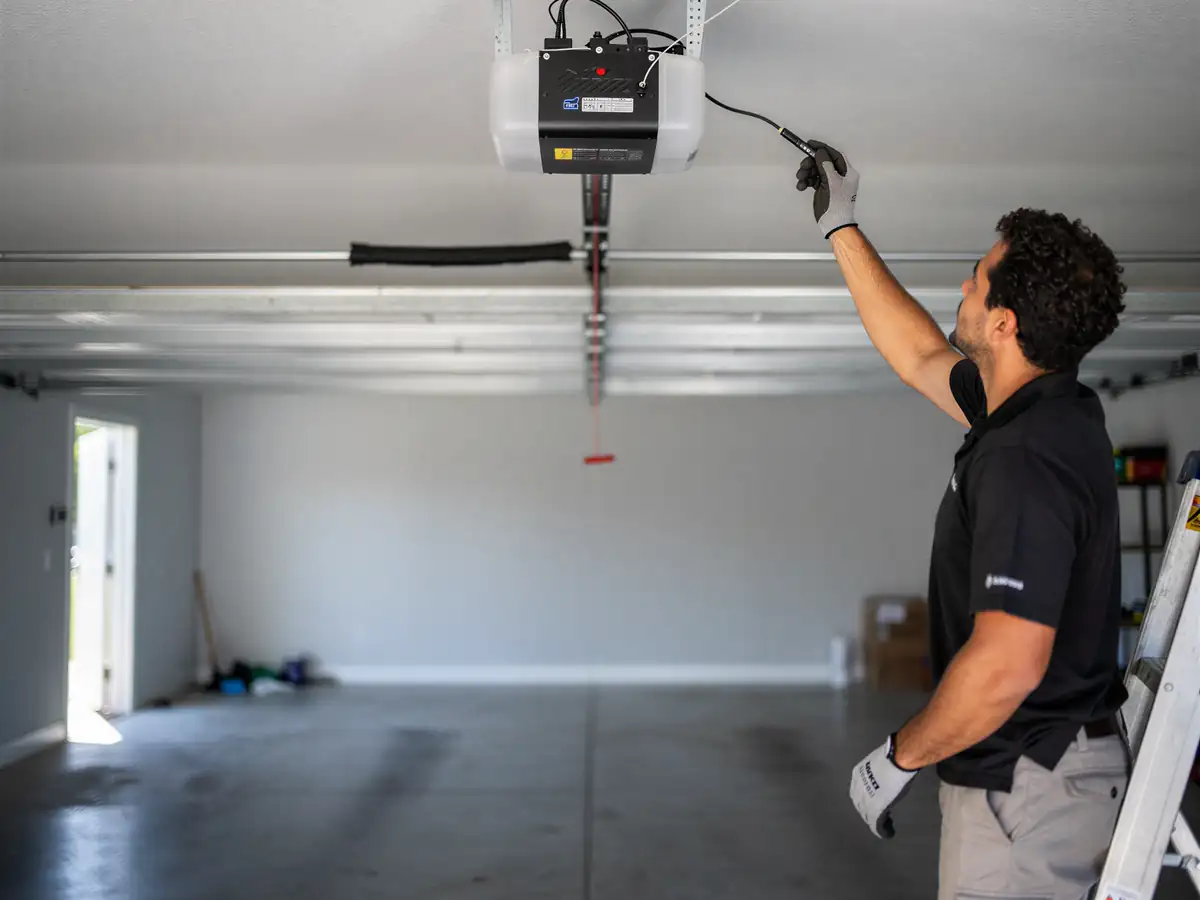
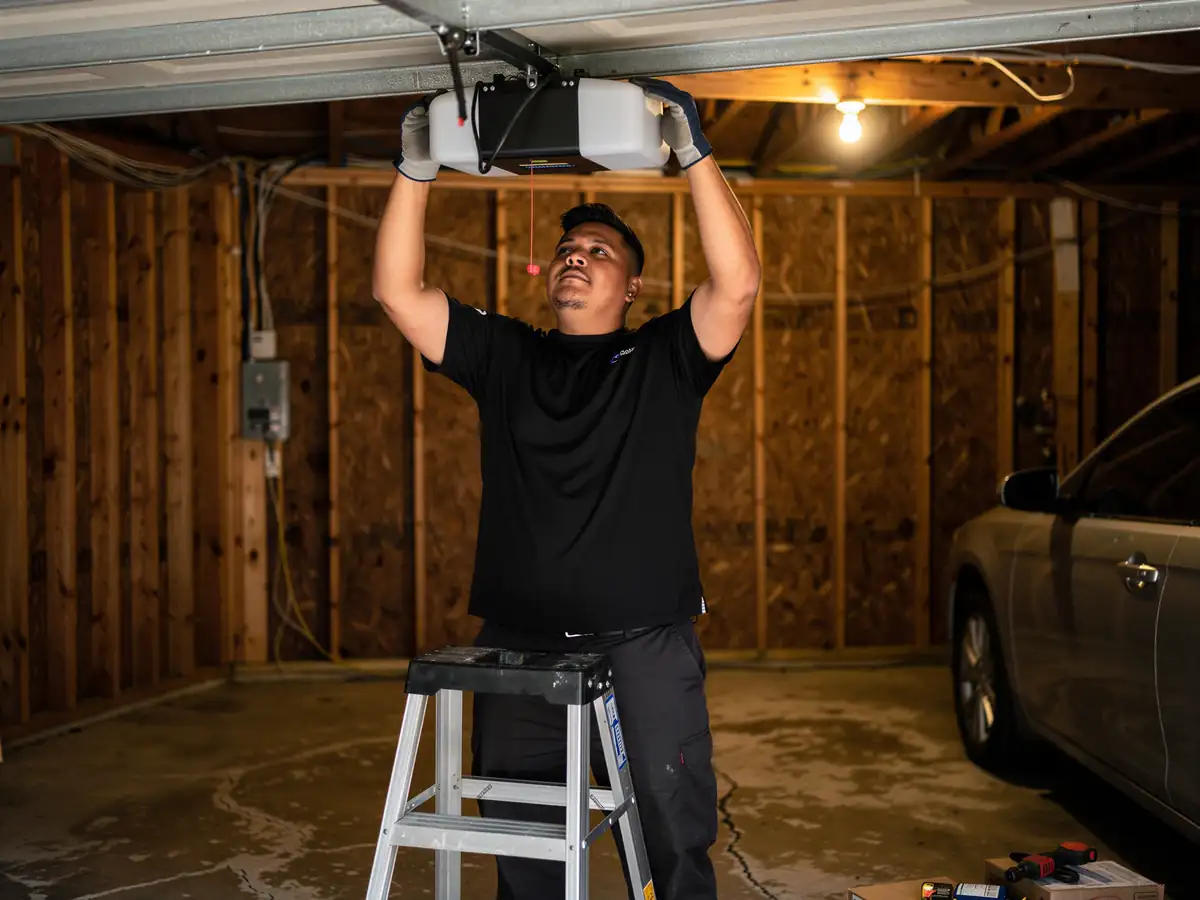
We also see a fair number of openers from the 80s and 90s bolted onto these original tracks, which means chain drives doing the work on hardware they weren't paired with from the factory. That mismatch causes grinding, slow travel, and openers that trip their limit switches for no obvious reason.
One honest limit: if your door is original steel from 1970 and the panels are rusted through or badly dented, we're not going to spend an afternoon trying to true it back up. Past a certain point, patching an old steel door costs more in labor than replacing it costs in parts, and we'll tell you that straight instead of running the clock.
How Soon We Can Come Out
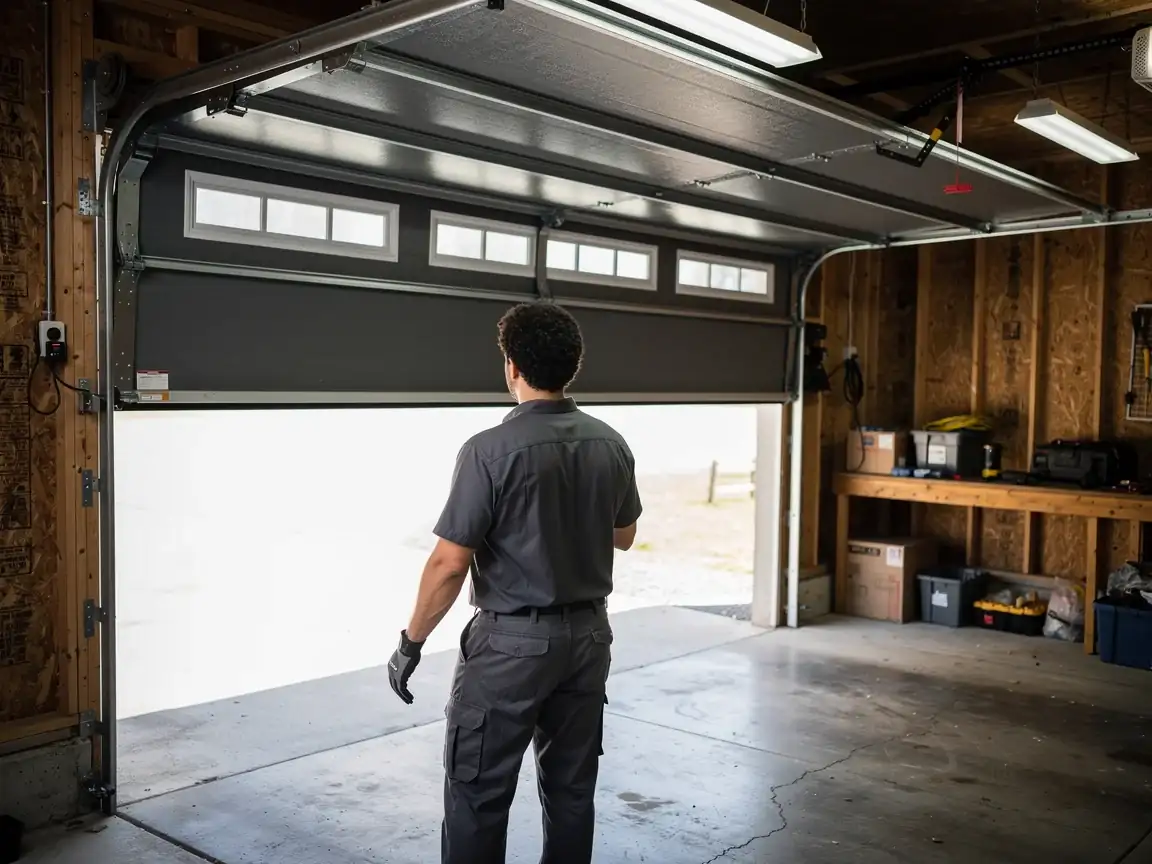
We run out of Long Beach, about six miles from Los Alamitos, so there's no local depot or standing crew parked in the neighborhood. What that means in practice is a truck making the drive, same as it would to any stop in our territory at that distance. We don't advertise a guaranteed window because it depends on the day's route and what's already on the schedule, but six miles is a short run compared to a lot of the area we cover.
If your spring just went or the door won't close, say so when you call - that moves differently than a scheduled opener swap. We'd rather tell you honestly where you land in the day than promise a number we can't hold to.