Why It Happens Here
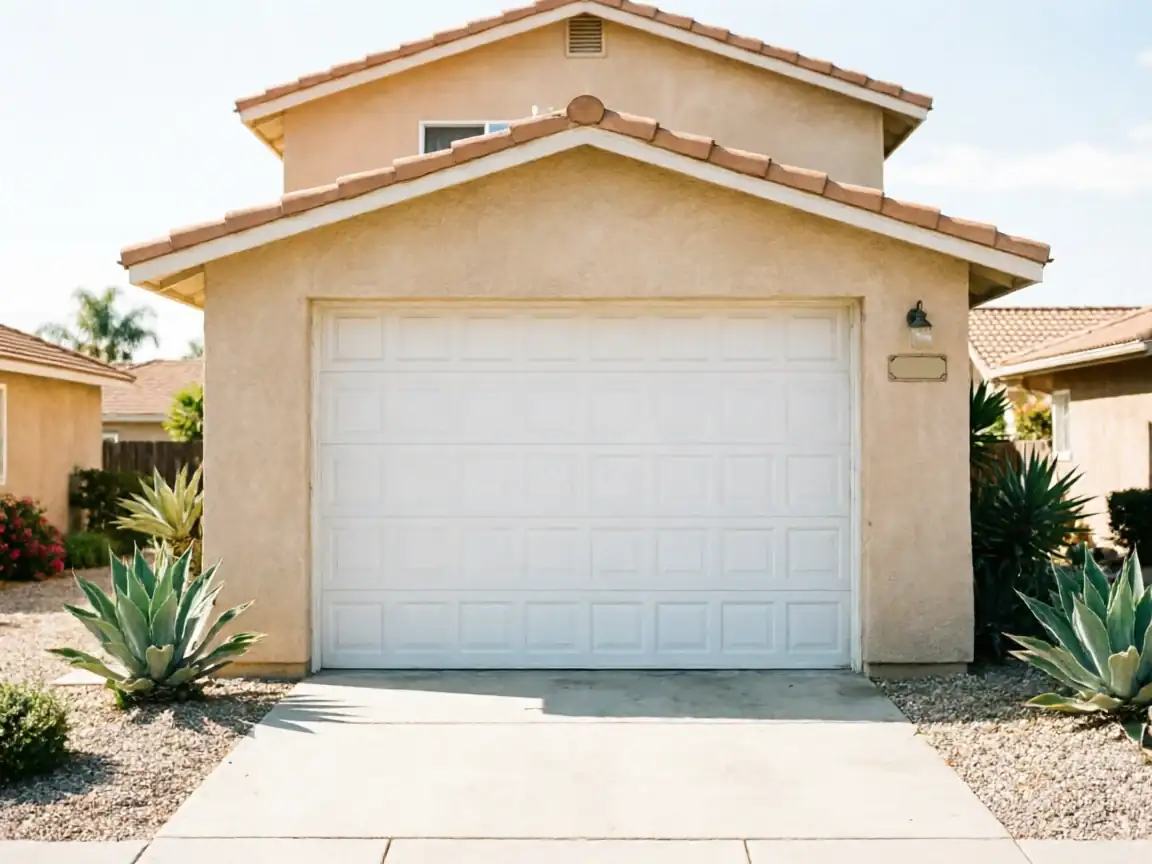
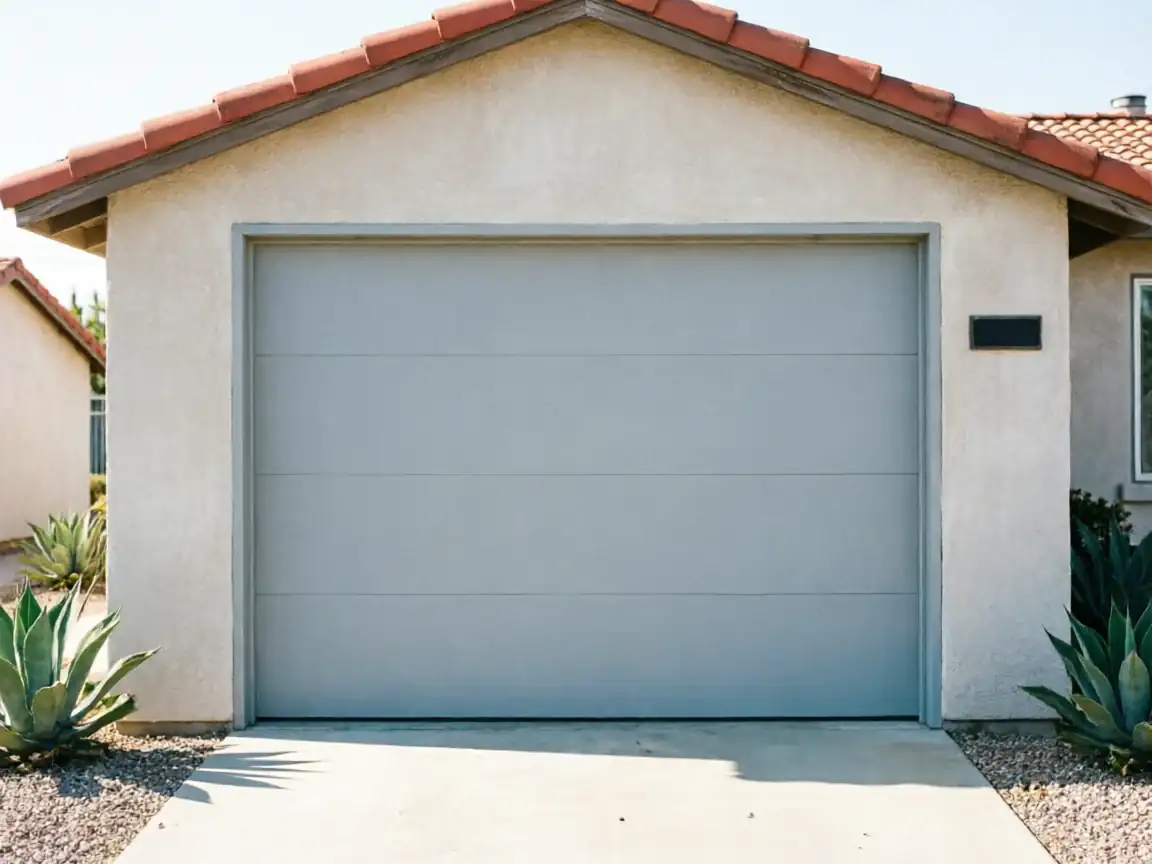
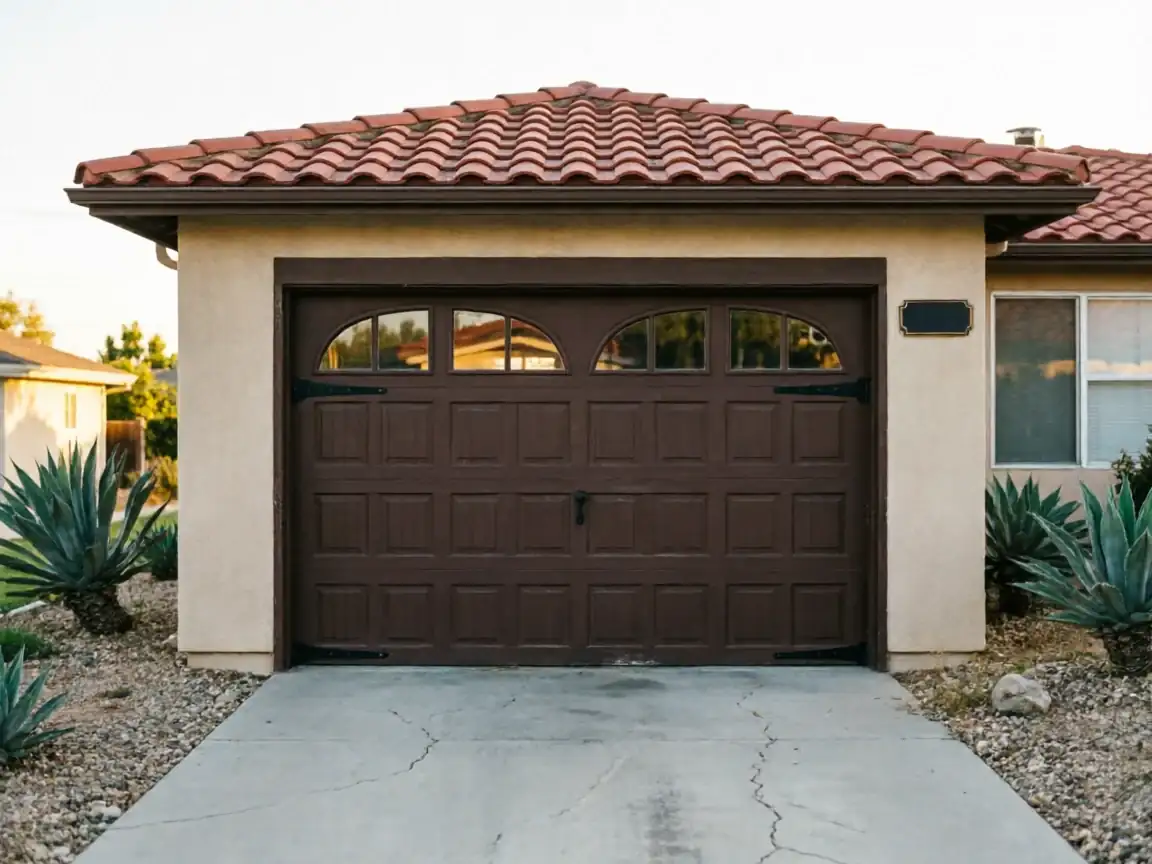
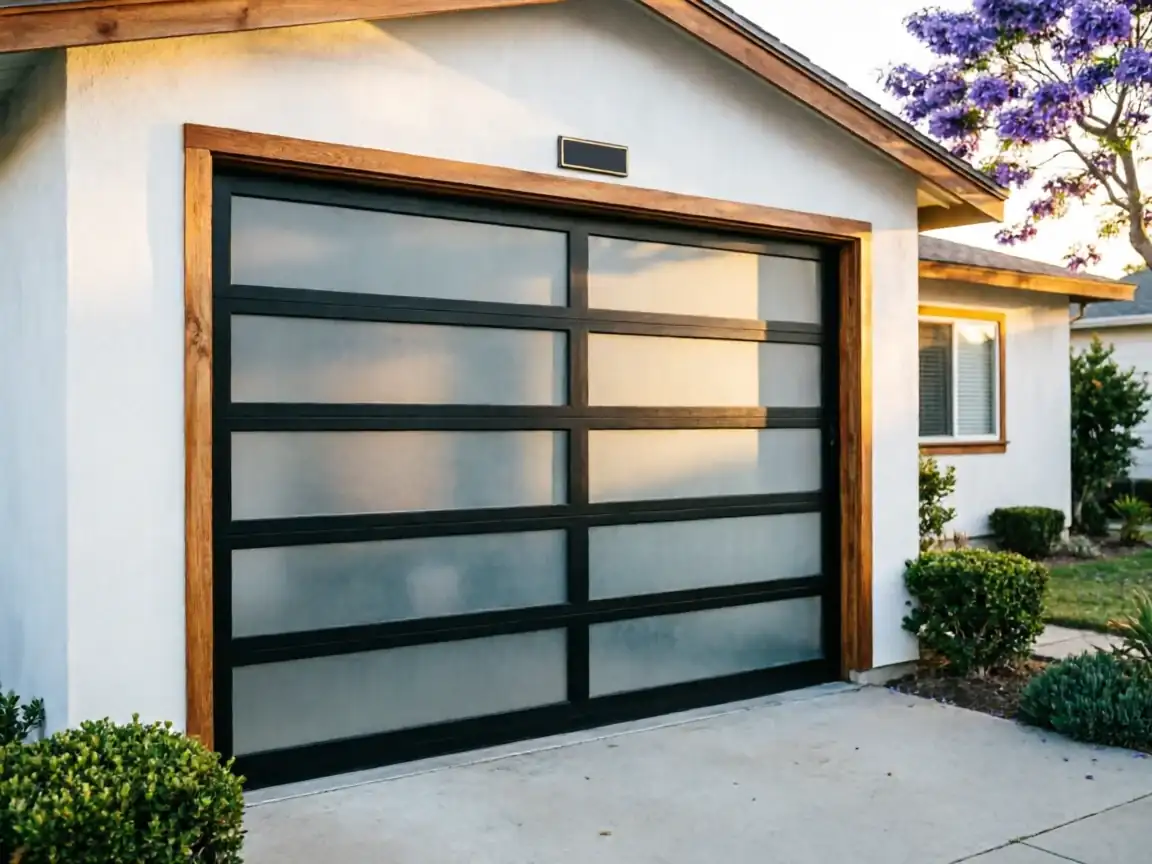
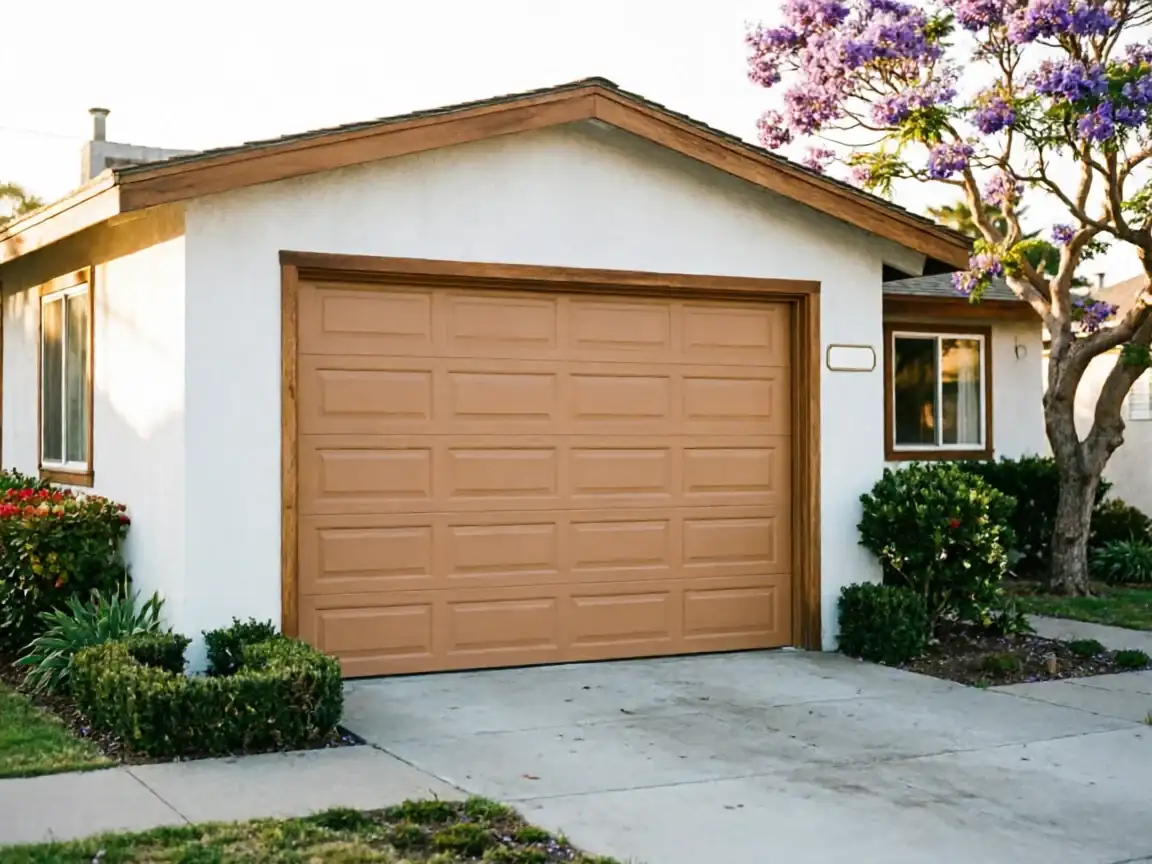
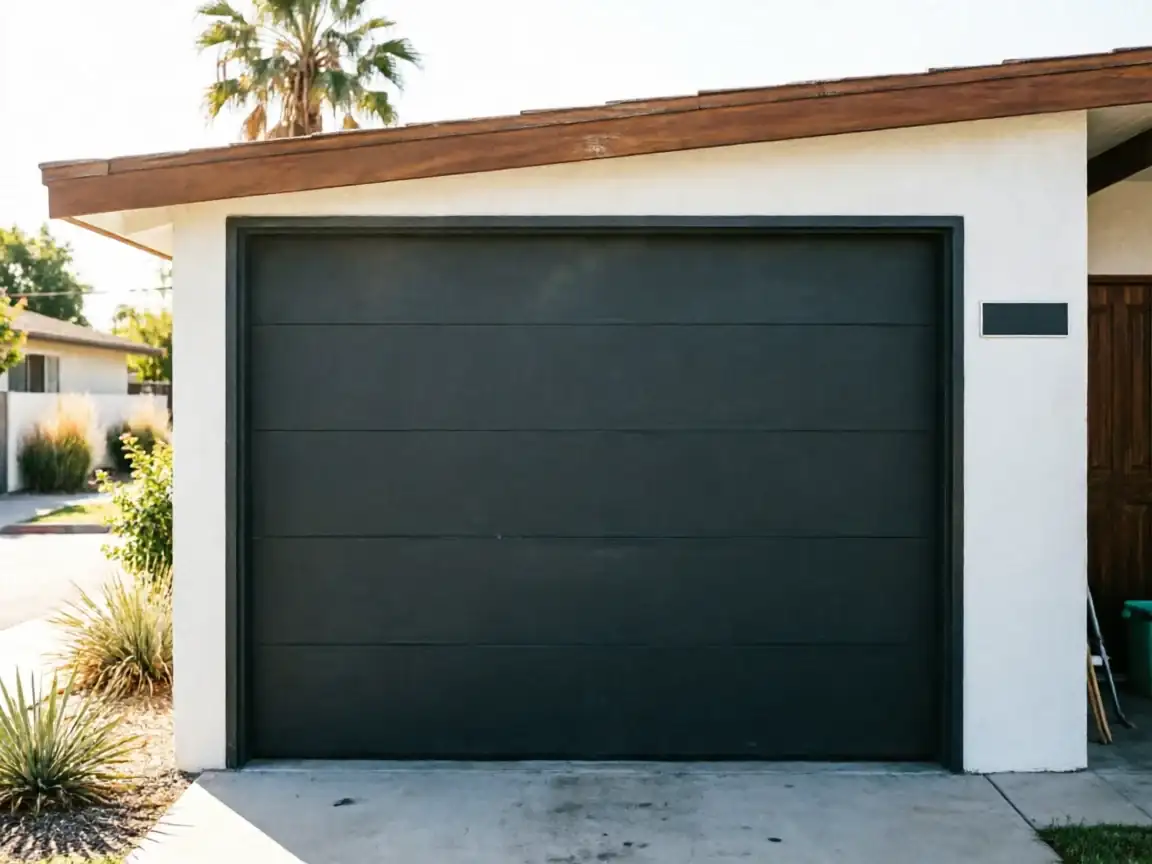
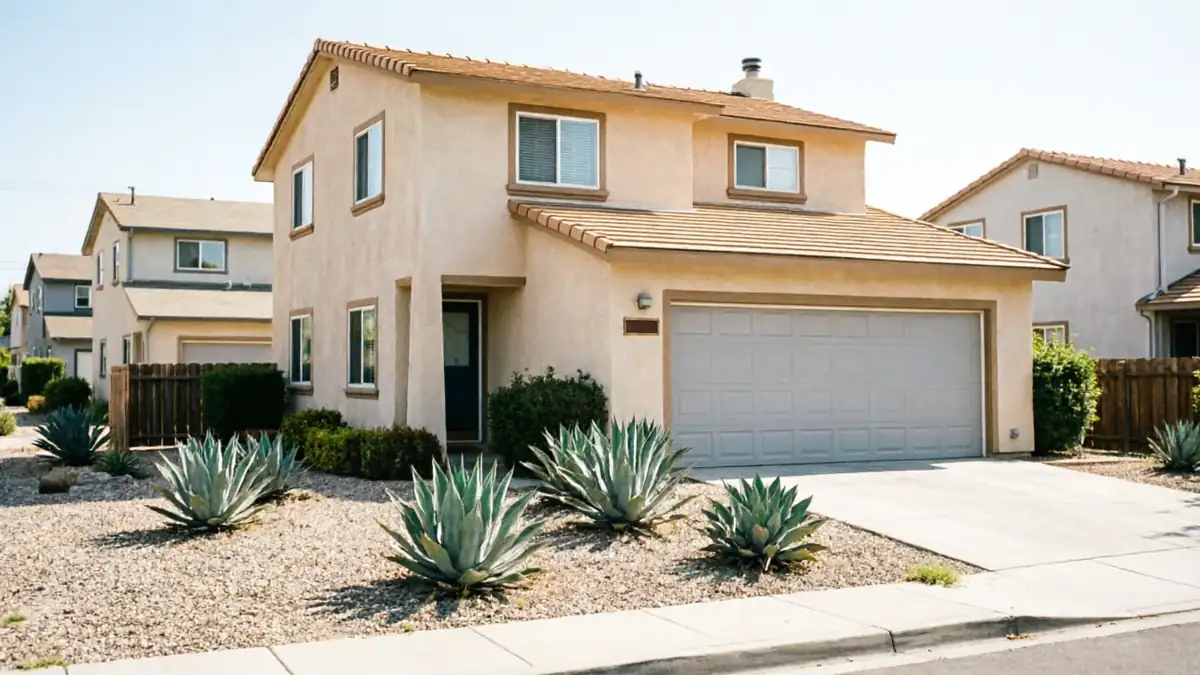
Most of the houses in this service area went up between 1947 and 2012, with the median sitting around 1964. That one number explains a lot of the calls we get. A house built in the early 60s has had, at best, two openers in its life - the original chain-drive unit the builder installed, and whatever got bolted up as a quick replacement sometime in the 80s or 90s. Neither one talks to a phone, neither one has battery backup, and neither one was built to run for 50-plus years, even in a mild climate.
Across the 58 named areas we cover - the the rest - the housing stock skews heavily toward that 1960s-70s build era. That means garages with the same half-horsepower chain drives, the same worn nylon drive gears, and the same two-button remotes with a range of about ten feet before they start acting up.
The mild temperate climate here is actually kind to the metal parts - no freeze-thaw cracking, no hail dents on the housing - but it does nothing for a motor and gear set that's just old. Heat cycling inside a closed garage over 50 summers wears out plastic and grease the same way anywhere else. The failure mode here isn't weather damage. It's just time, on a lot of original equipment that never got swapped.
The Symptom
The calls sound almost identical no matter which neighborhood they come from
The opener runs but the door barely moves, or it reverses halfway up for no reason. Sometimes the motor hums and nothing happens at all - that's usually the drive gear, a $20 part that strips out after a few decades of chain tension. Other times the remote works from inside the car but not from the sidewalk, which points to a dying antenna or a receiver board that's simply worn out.
A newer symptom we're seeing more of
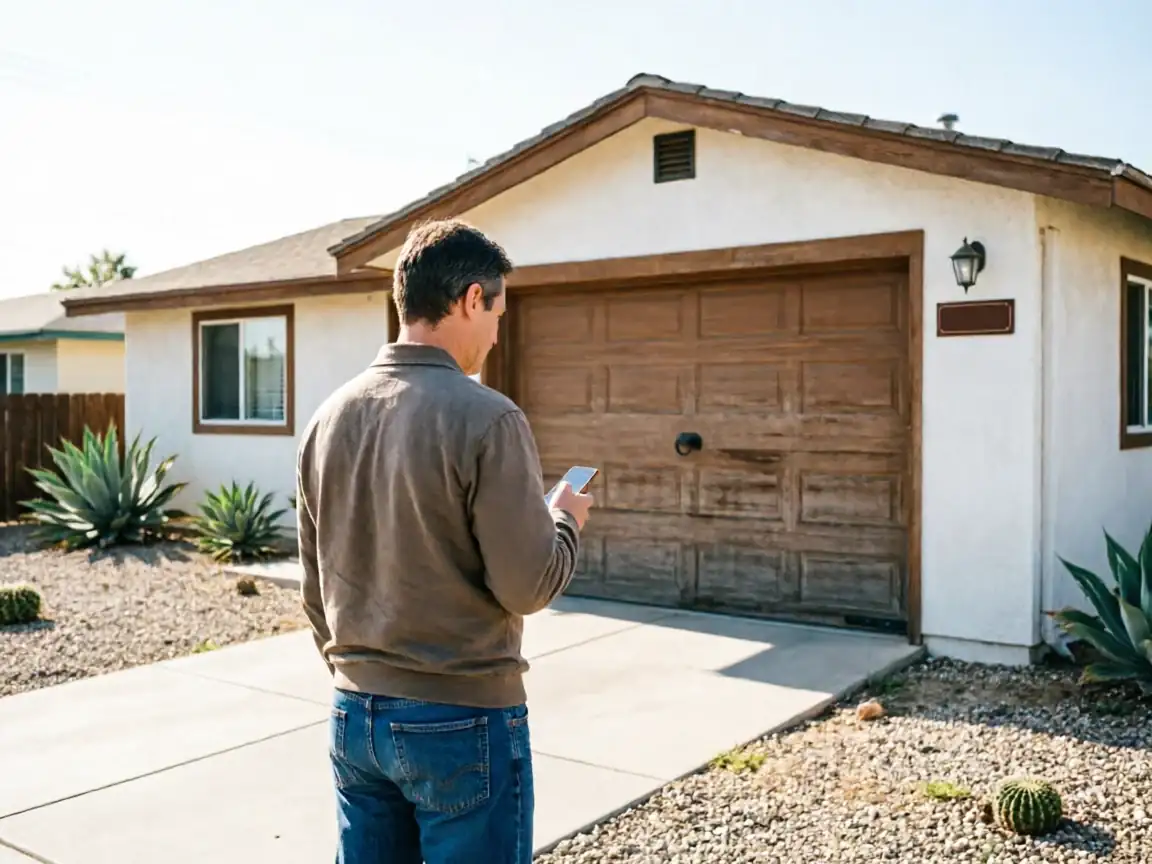
Homeowners who want a smart opener with a phone app and can't add one, because the existing unit predates the safety-sensor wiring standard that newer openers require. You can't just bolt a 2024 opener onto 1960s rail and expect it to pair cleanly - the mounting, the sensor brackets, and sometimes the header clearance all need adjusting.
If your opener is original to a house built in that 1947-2012 window
Odds are good it's reached the point where parts for it simply aren't made anymore. We'll tell you straight if that's the case rather than quote a repair on a dead platform.
How We Fix It
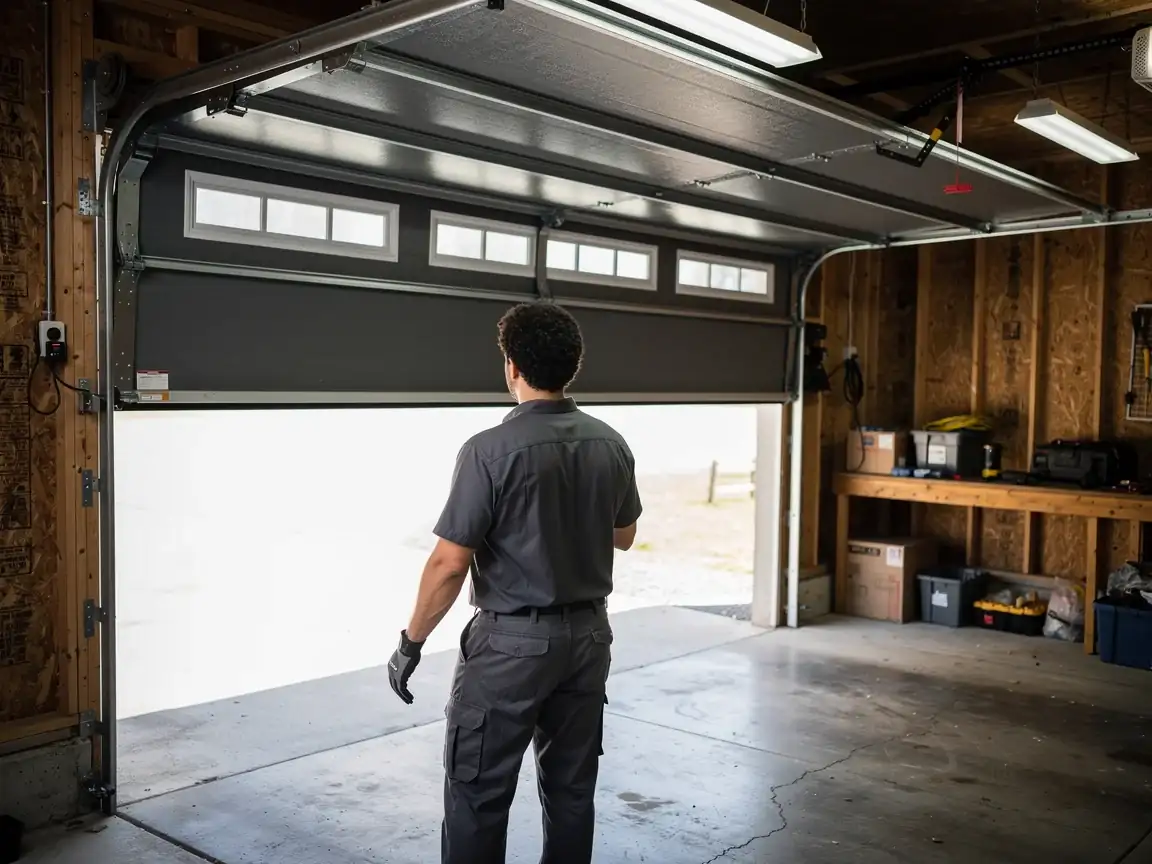
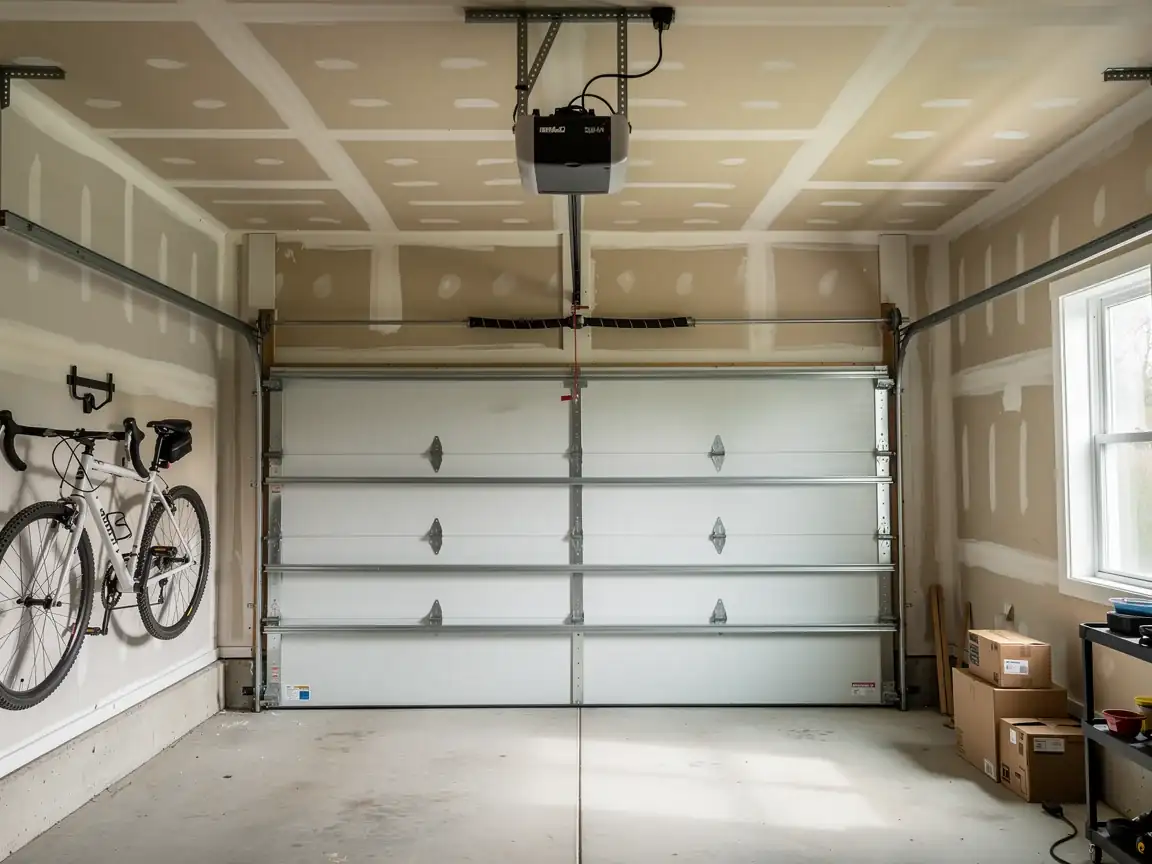
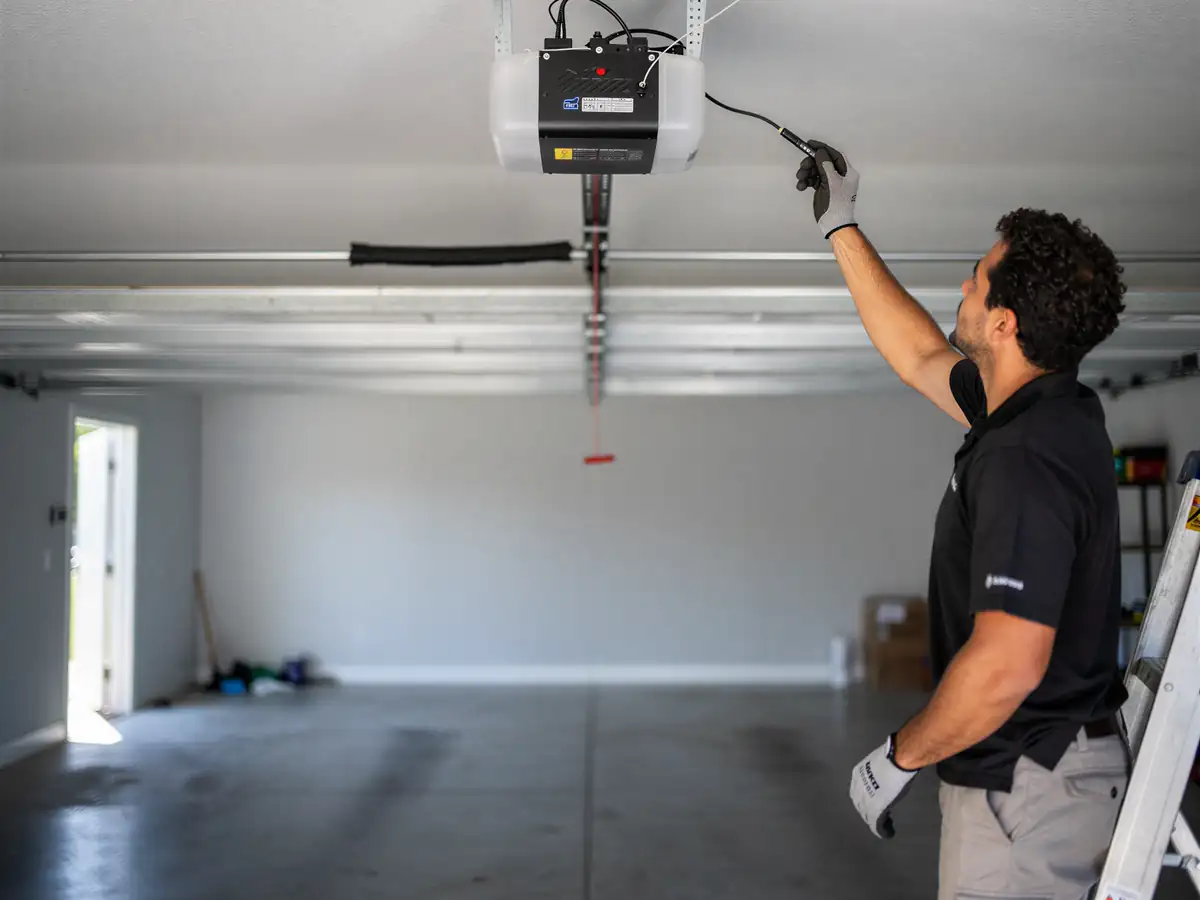
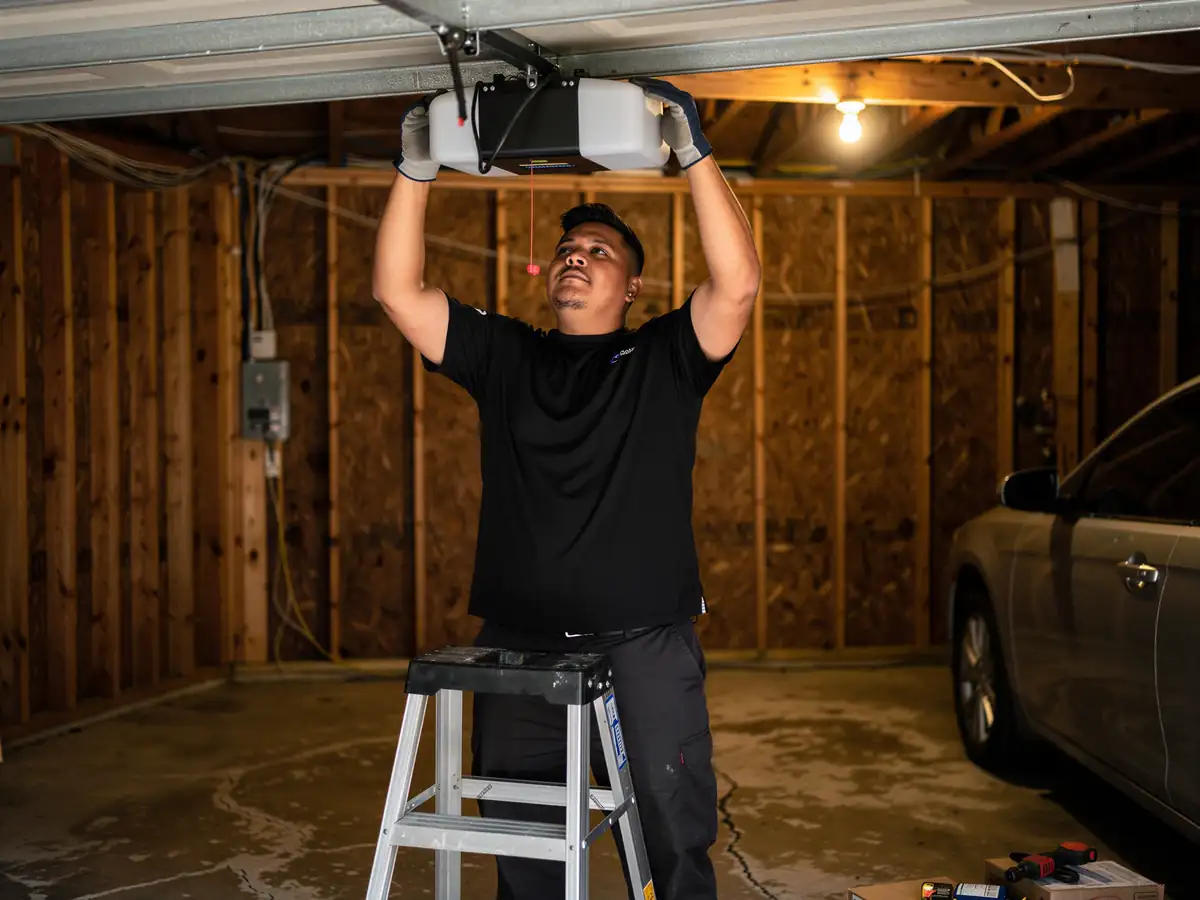
For a straight opener swap, we pull the old unit, check the rail and header clearance, and install a new belt-drive or chain-drive unit sized to your door's weight and your garage's height. Belt drives run quieter, which matters more in Long Beach's attached-garage layouts than in detached setups - a noisy chain drive under a bedroom at 7am gets noticed fast.
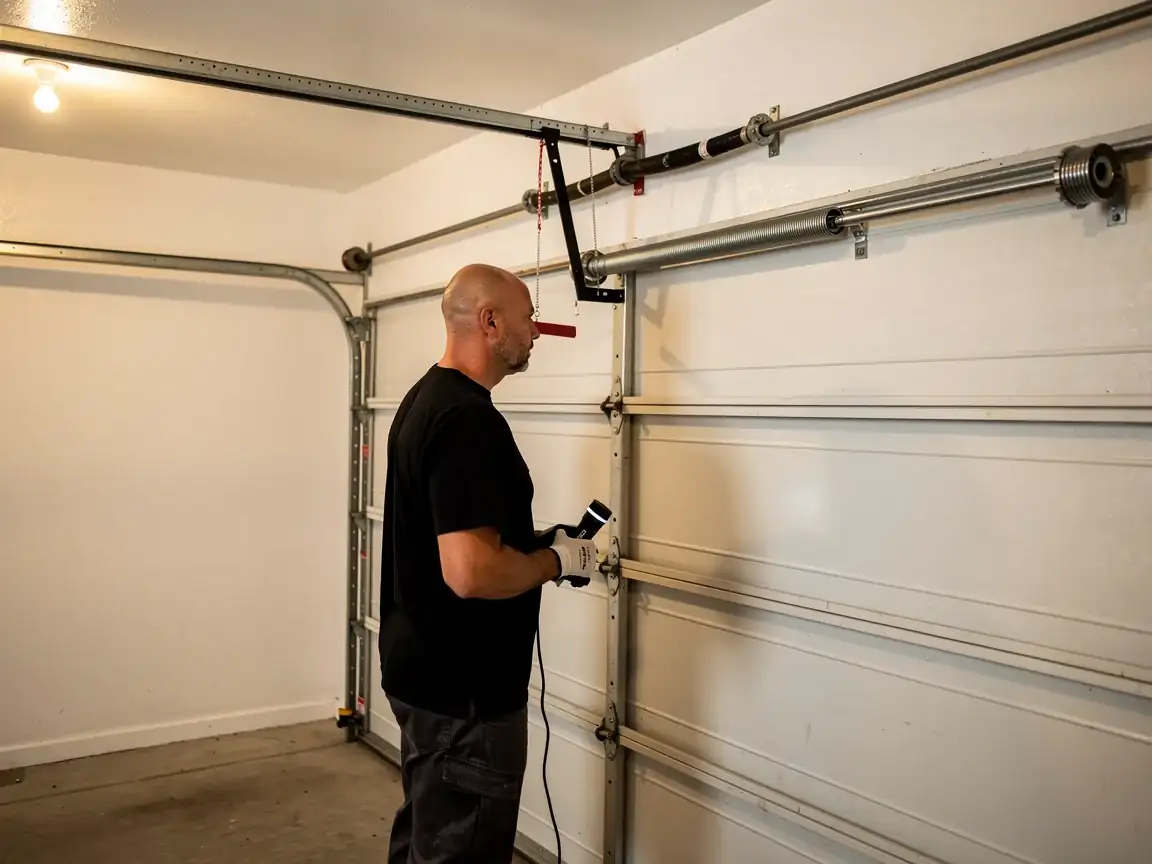
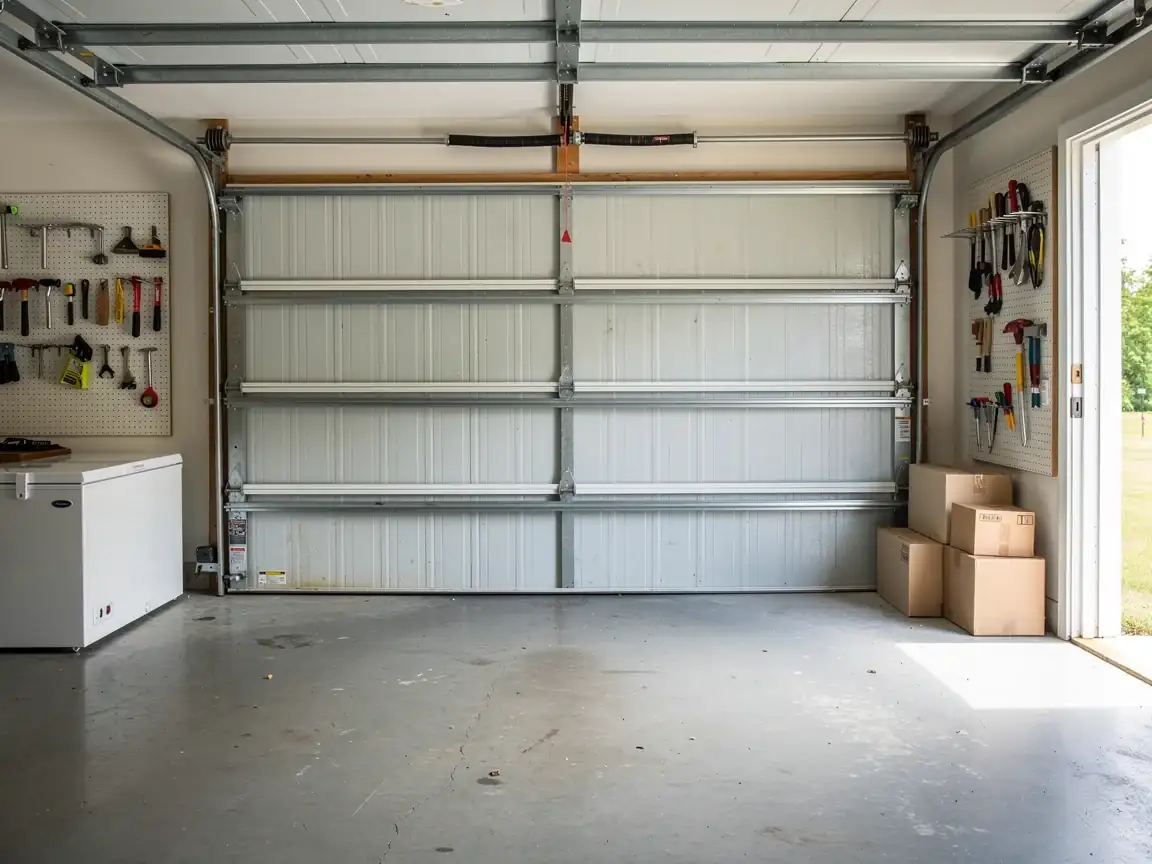
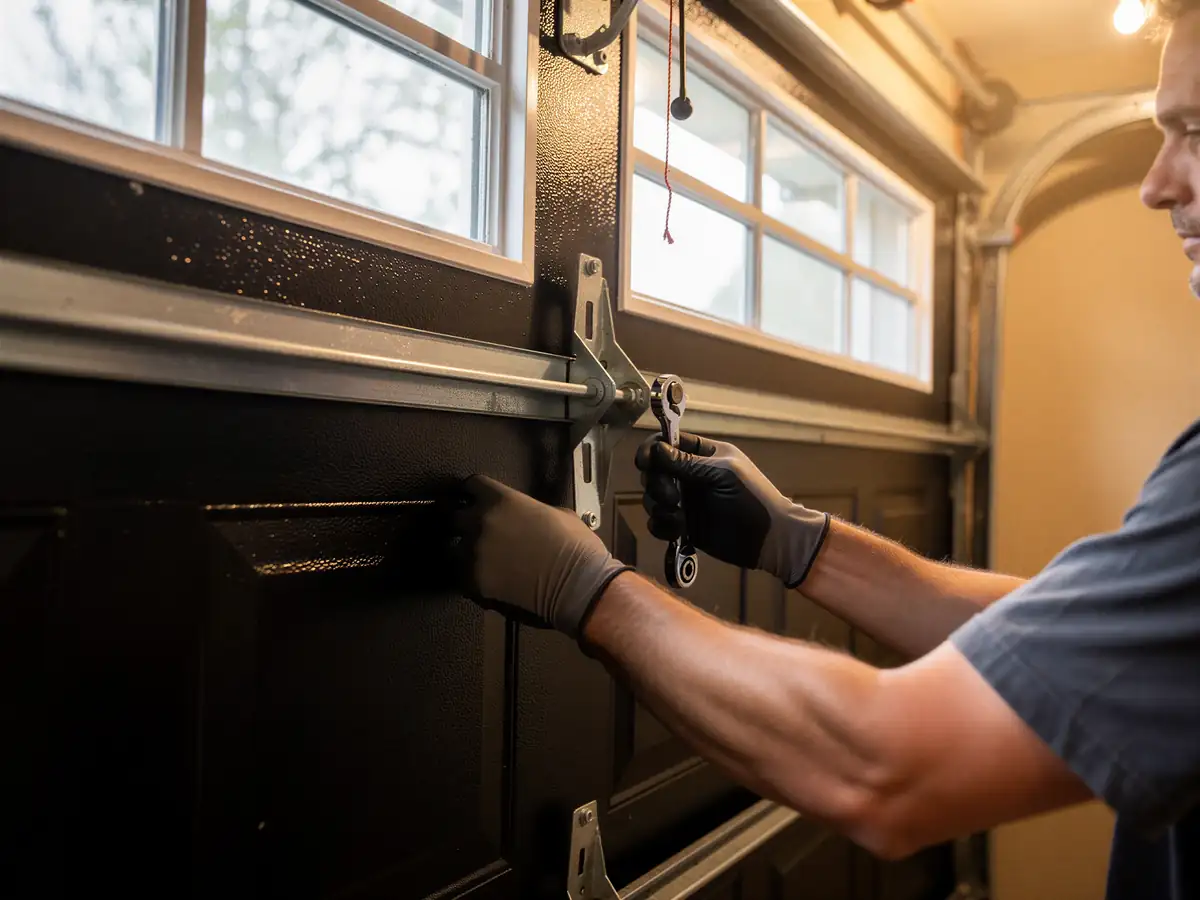
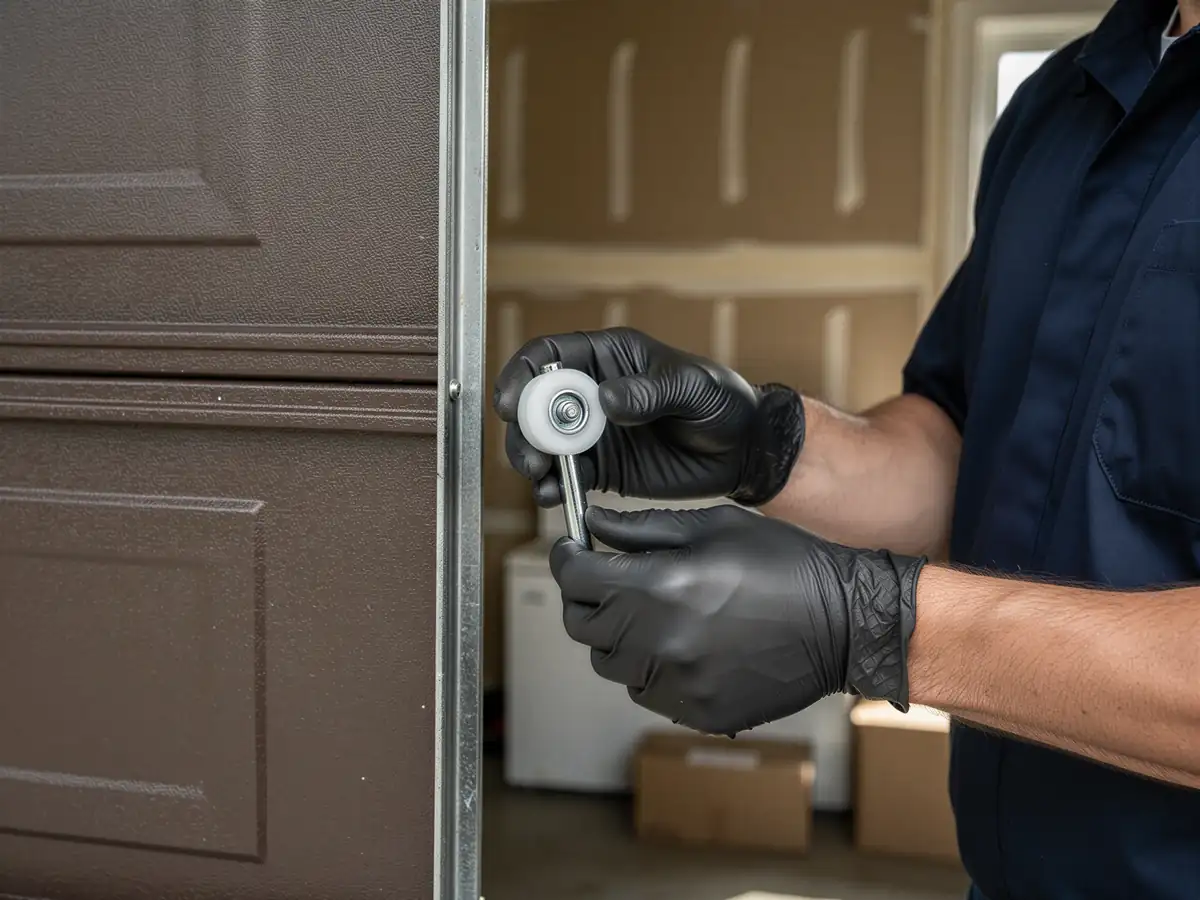
On older houses we often find the existing rail or header bracket doesn't match modern opener mounting hardware, so we adjust or replace brackets rather than force a fit. We also update the safety sensor wiring to current standards during the swap, since a lot of 60s and 70s-era setups predate the photo-eye sensor requirement entirely.
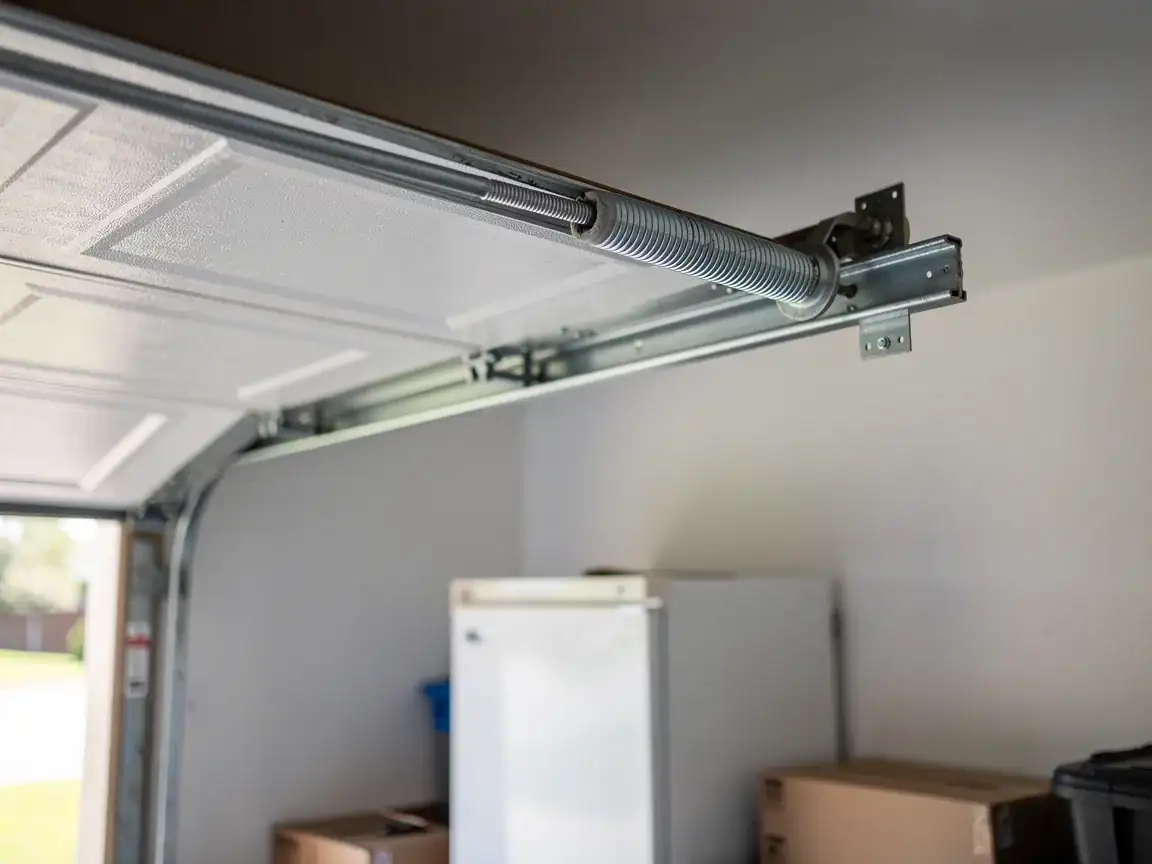
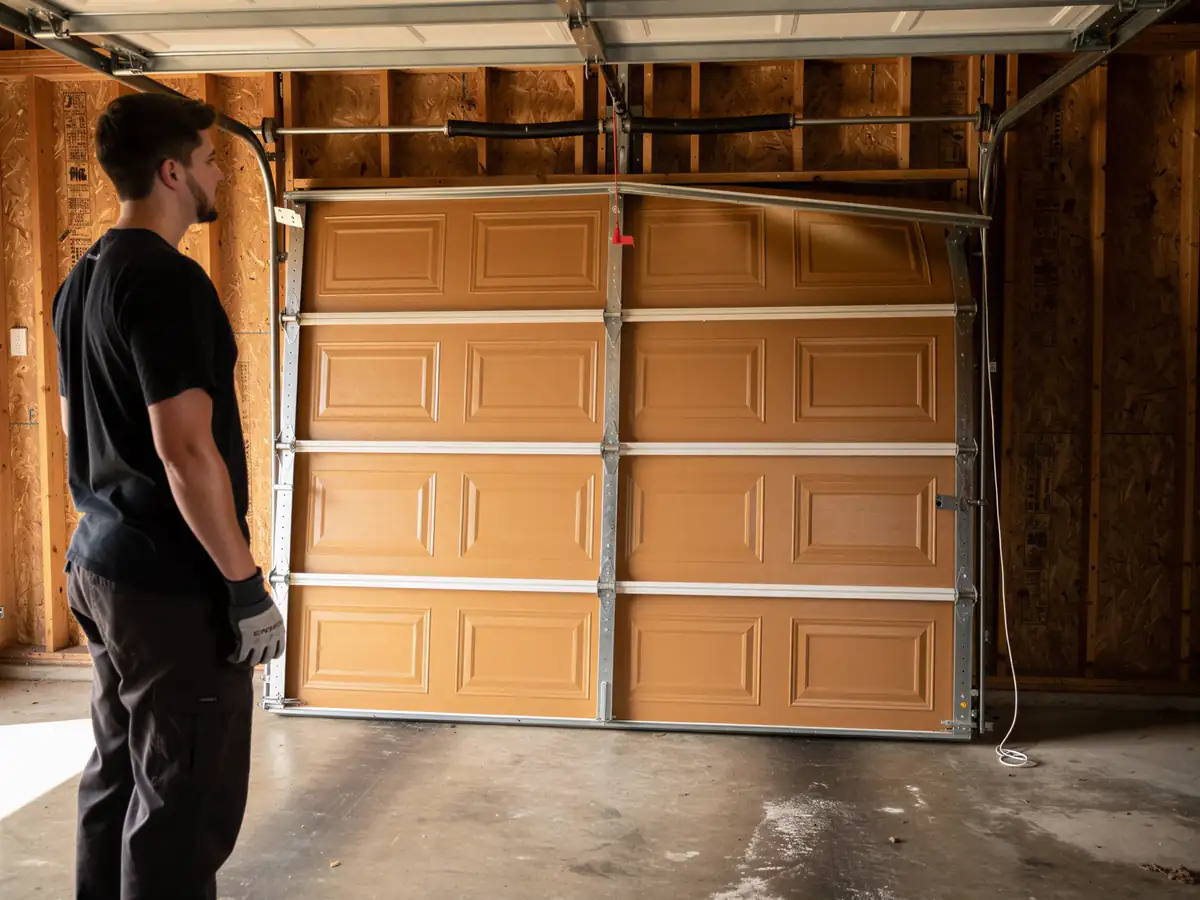
One limitation worth saying up front: if your door itself is out of balance - bad springs, bent track, warped panel - a new opener won't fix that, and running one against a door that isn't balanced will just burn out the new motor too. We check door balance before we quote an opener install, and if the door needs work first, we say so rather than sell an opener that'll fail in a year.
How to Book
Call or request a visit through the site and tell us the age of your house if you know it - that one detail tells us a lot about what opener and rail configuration to expect before the truck even leaves. We serve the full area out to about a 12-mile radius, covering neighborhoods from Signal Hill and Lakewood out to Cerritos and Rancho Palos Verdes, plus the named areas inside Long Beach itself like the.
We'll ask a few questions up front: single or double door, attached or detached garage, and whether you want a basic chain-drive replacement or a belt-drive unit with app control. That lets us bring the right opener and rail length on the first visit instead of a second trip.