Why It Happens Here
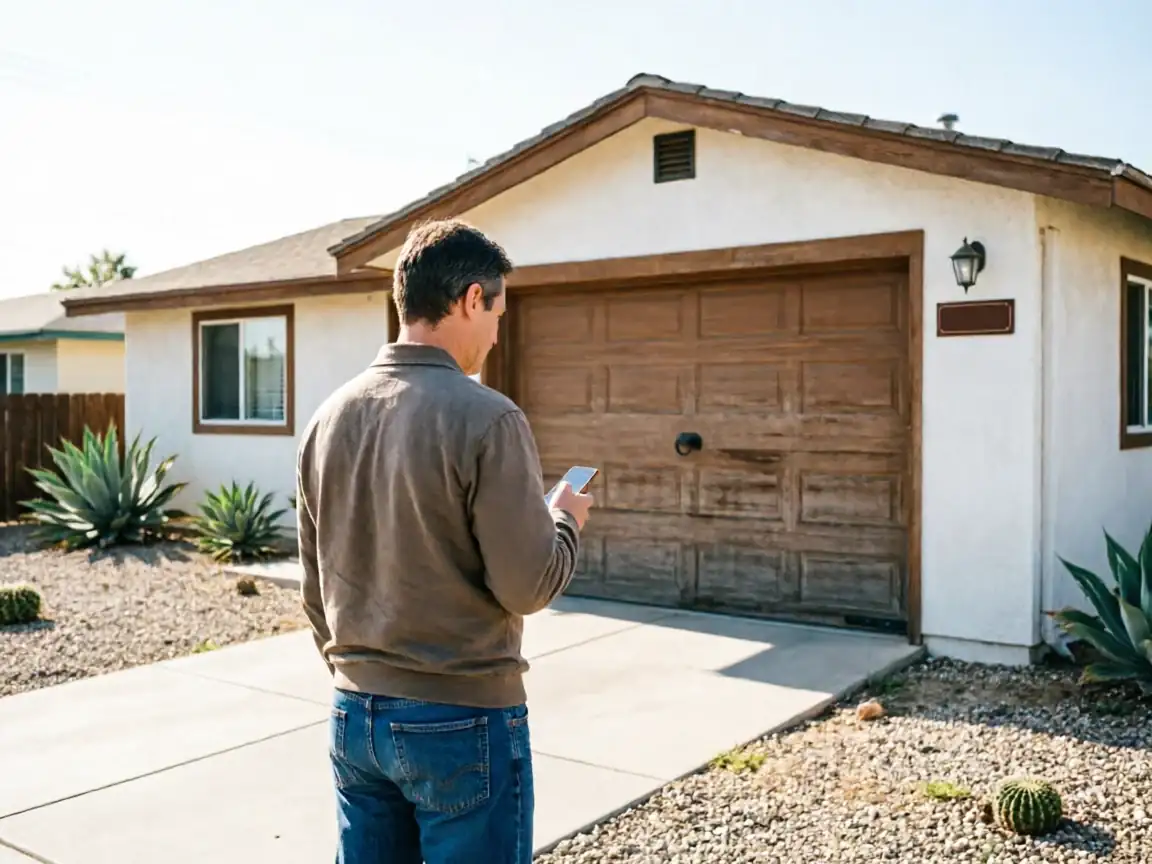
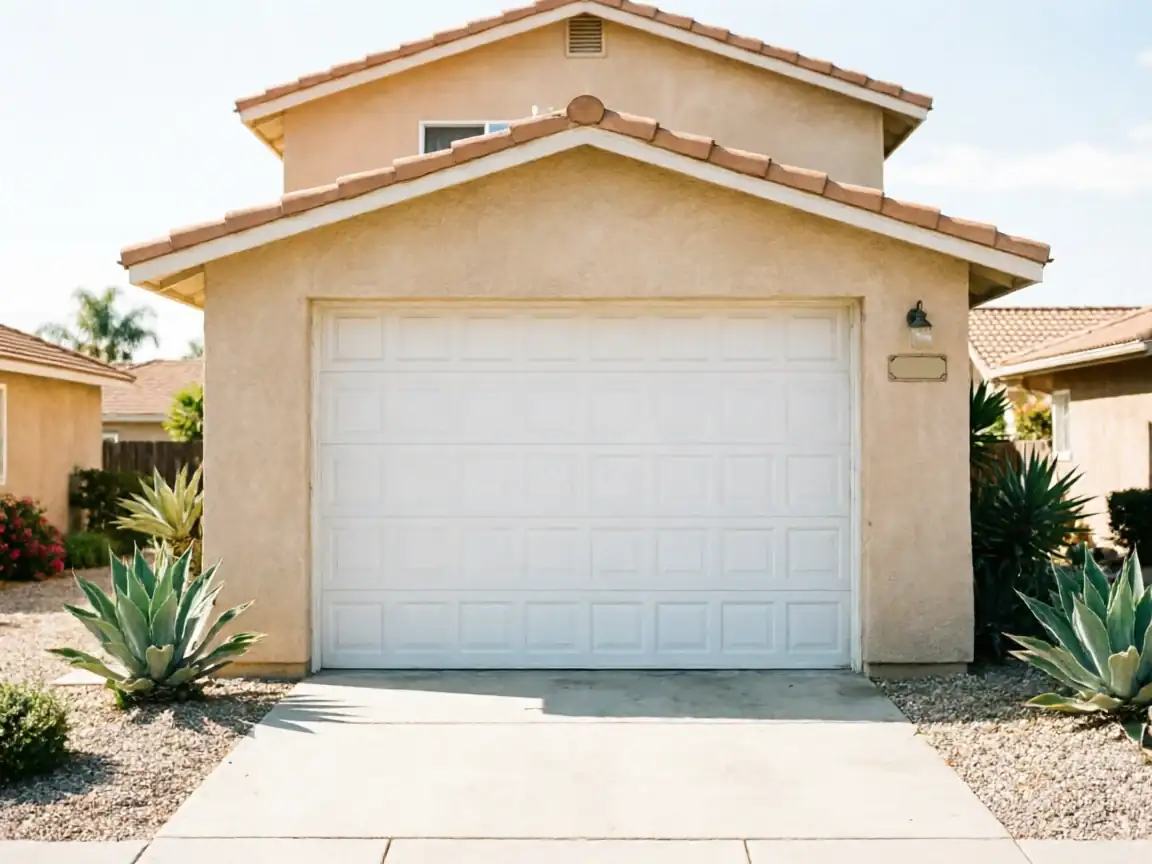
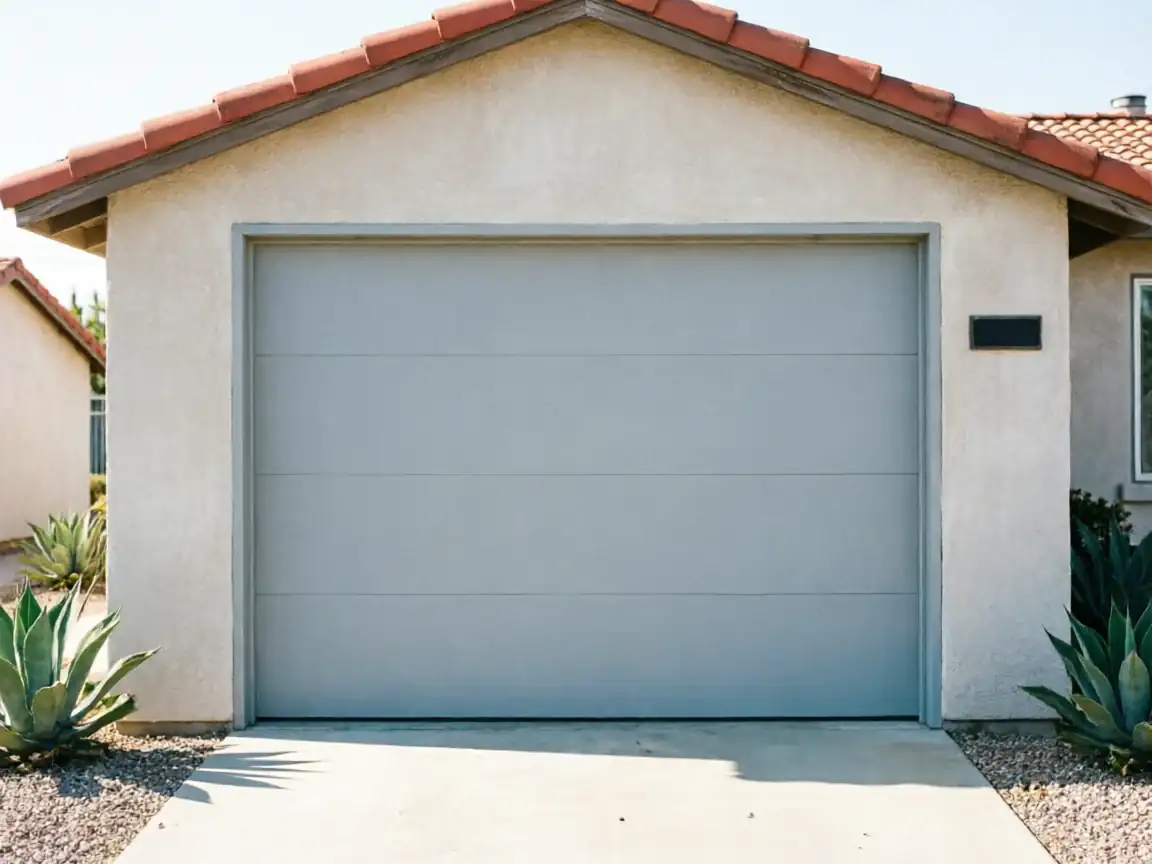
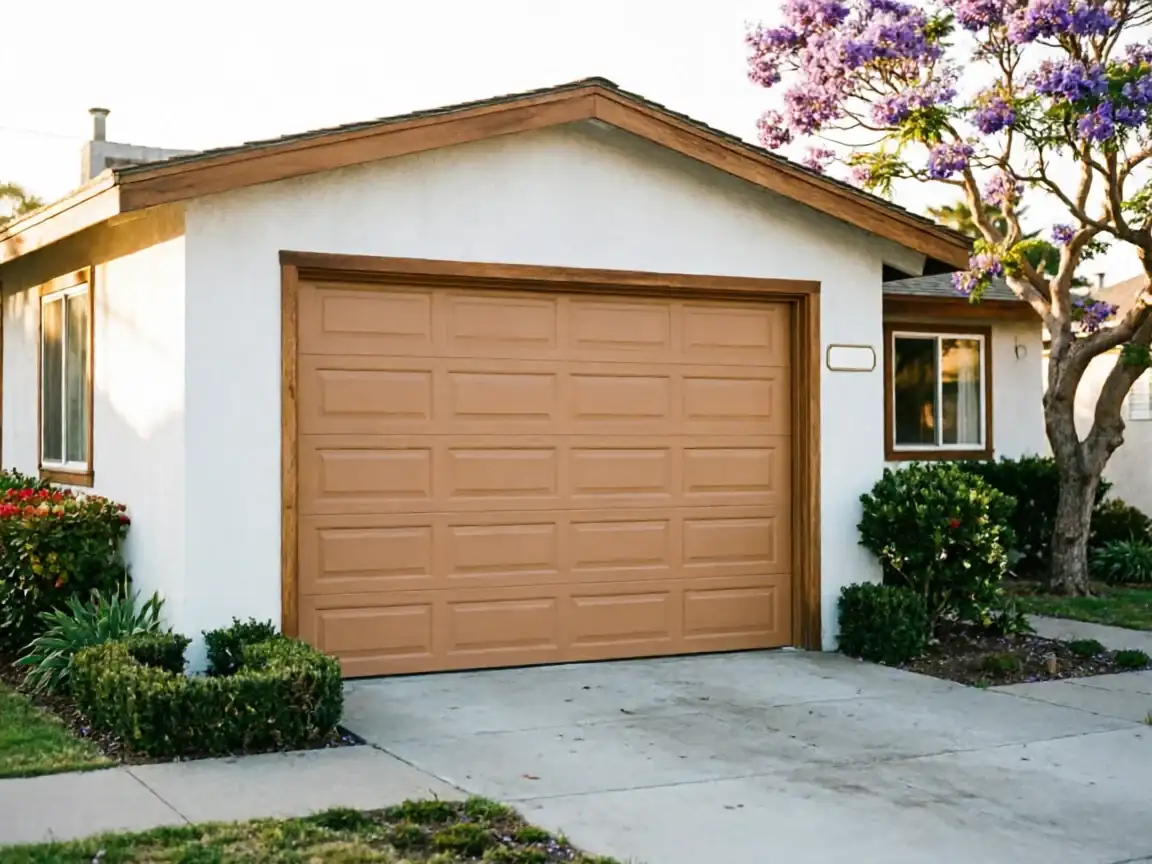
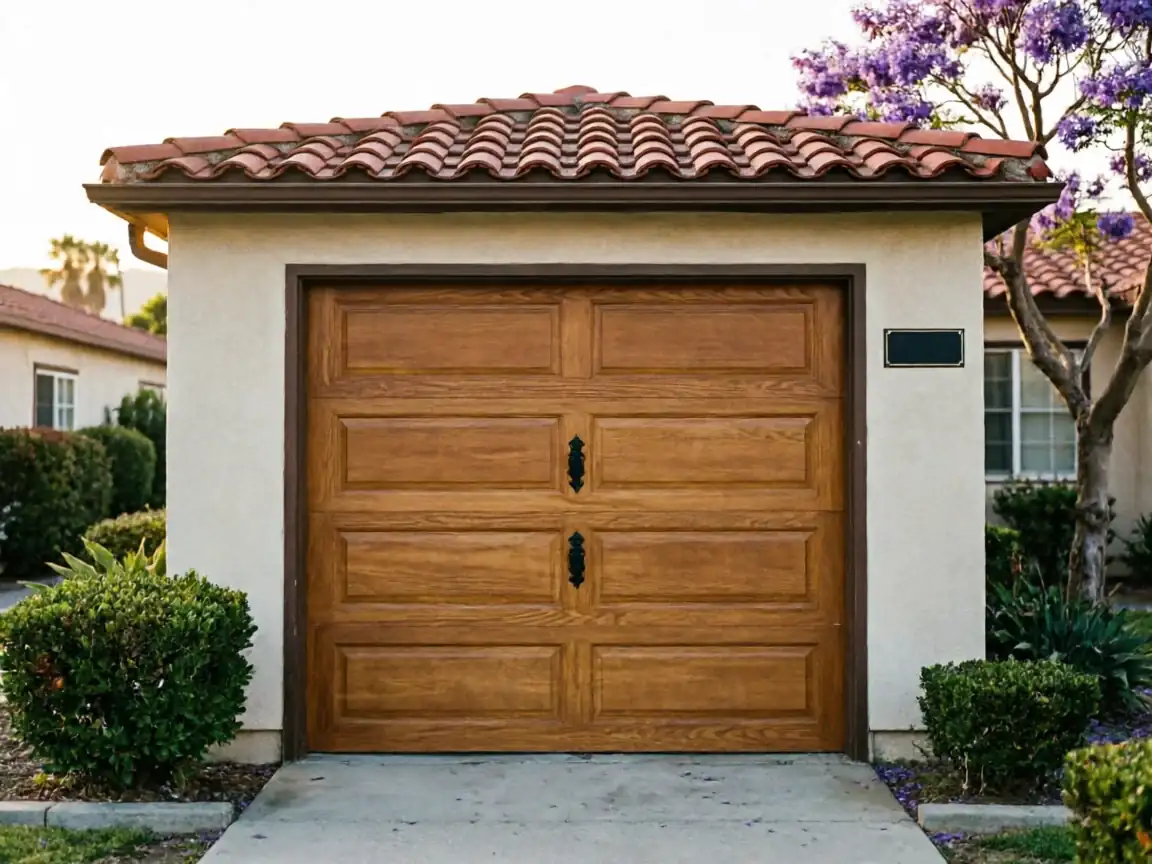
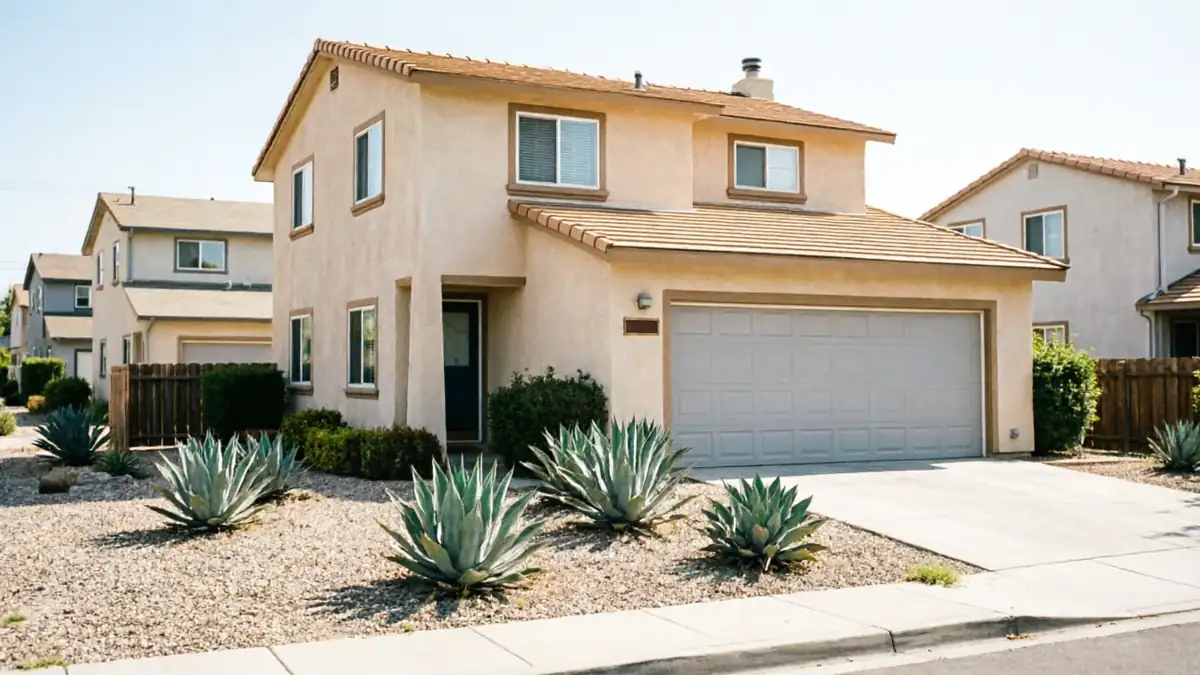
Long Beach housing stock runs from 1947 up to 2012, but the median build year lands at 1964, and most of the 58 named areas we work in - the - are still carrying their original 1960s-70s garage doors or a first-generation replacement from the 80s. Those doors were built for a mild coastal climate, which is part of why so many of them are still standing at all. No freeze-thaw cracking, no snow load, nothing forcing an early swap.
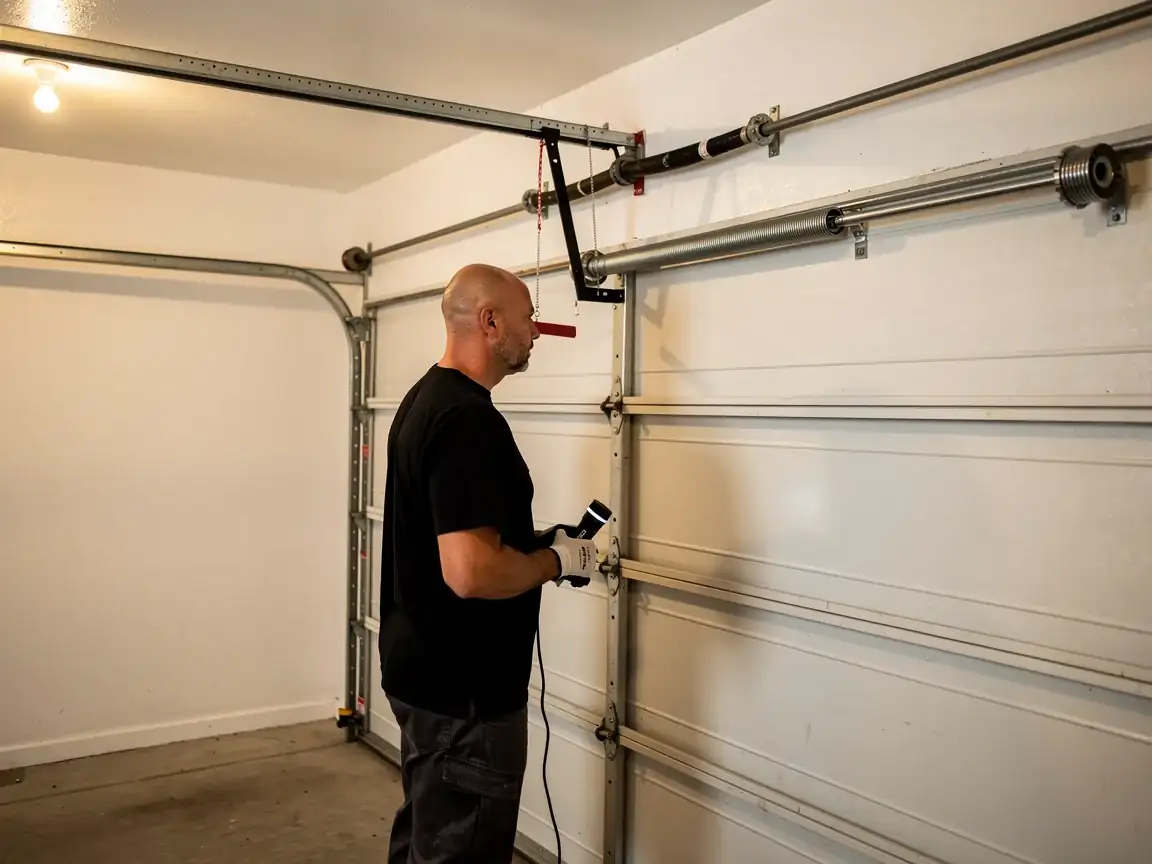
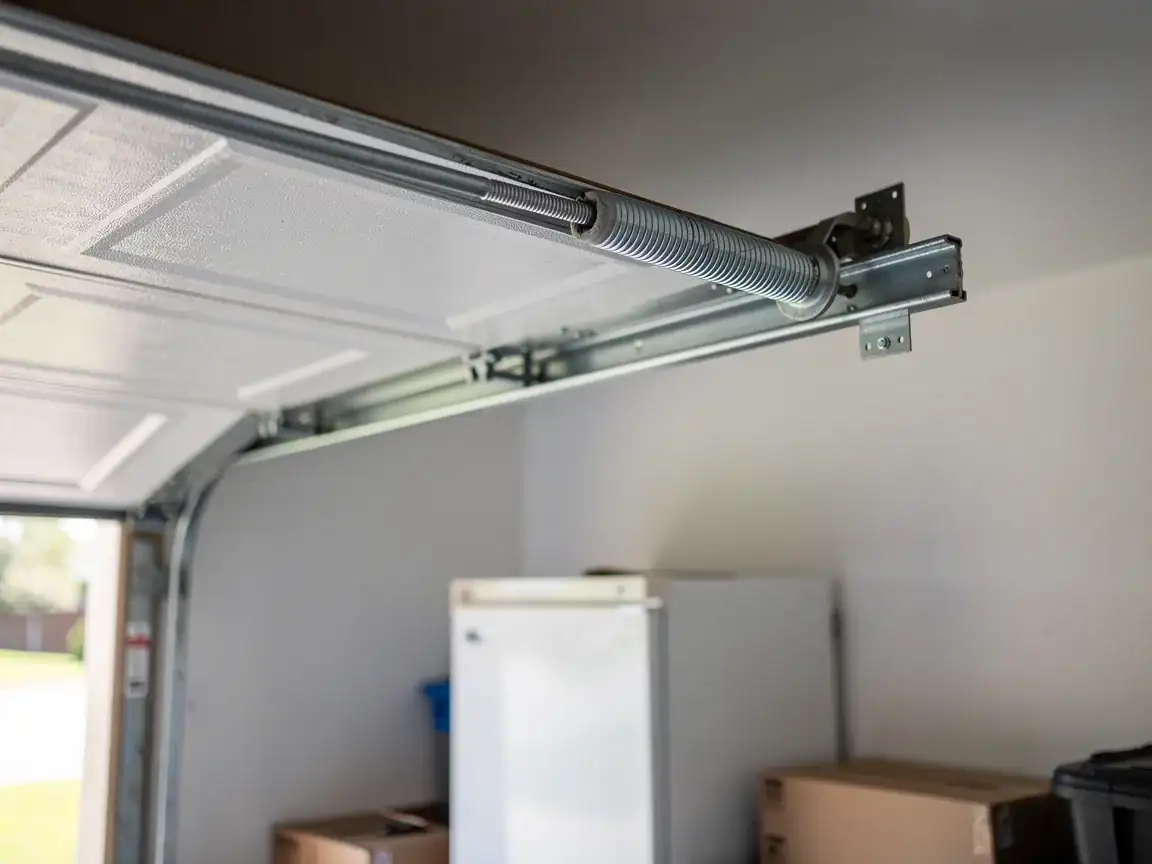
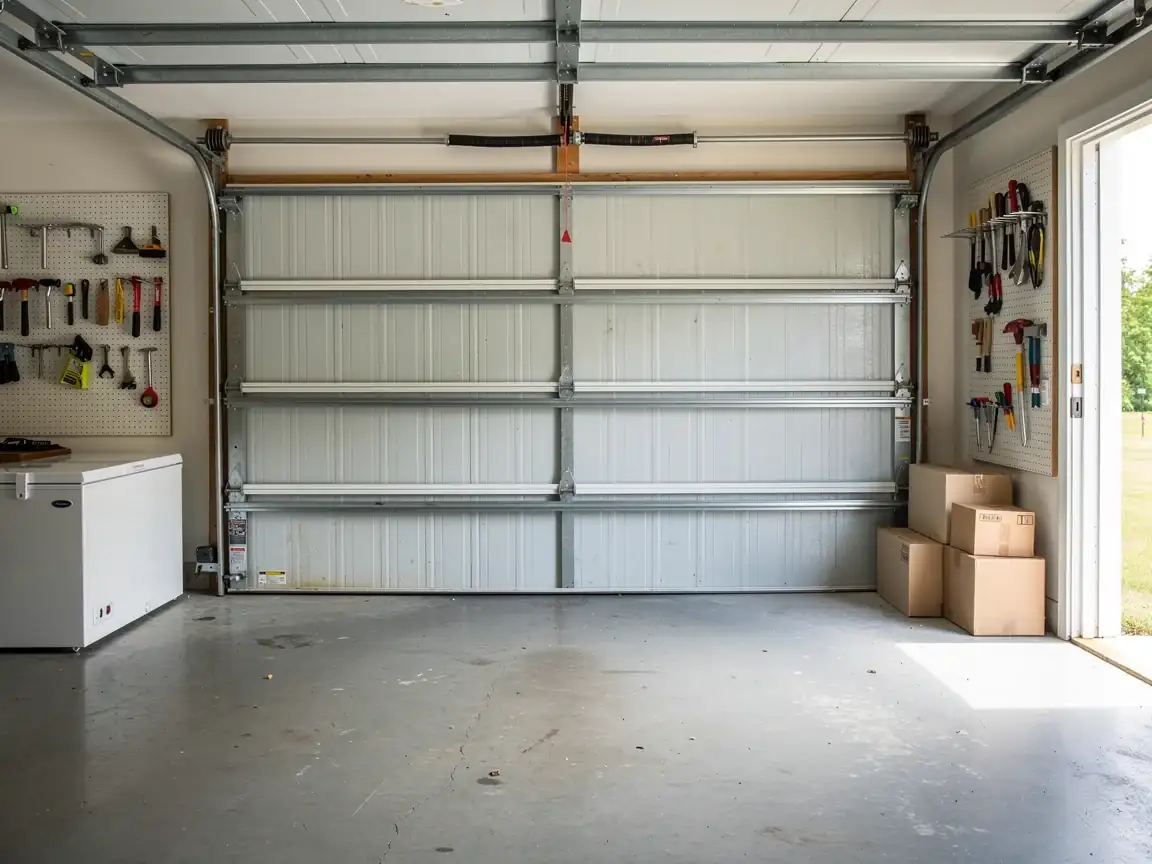
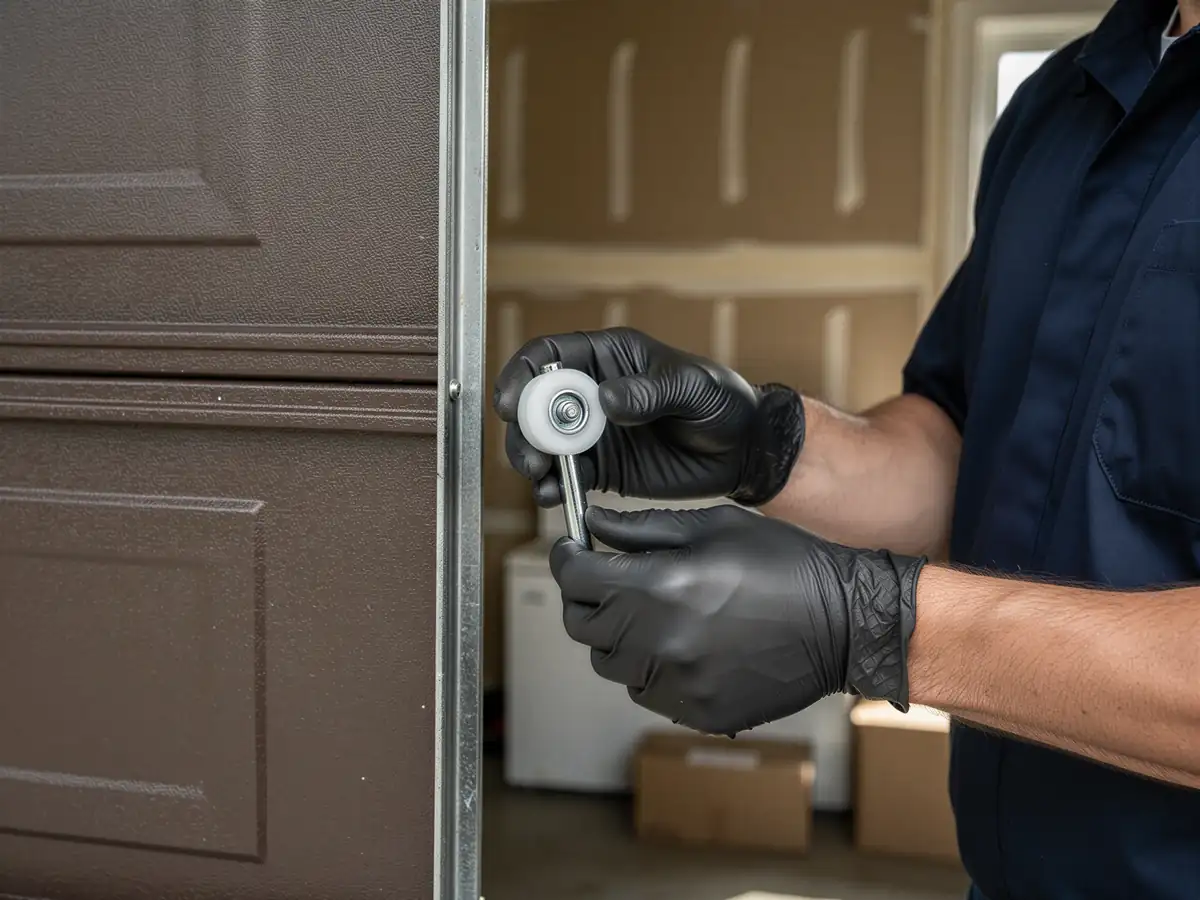
But mild doesn't mean maintenance-free. A single-layer steel door from that era has no insulation, no vapor barrier, and steel that's thinned out from fifty-plus years of salt air drifting in from the coast. The track hardware is often the original galvanized steel too, sized for a door half the weight of what's on the market now. When a homeowner in finally replaces the door itself, the opener and track usually need to come along with it - the old hardware wasn't built to carry a modern insulated panel.
This is a installation market built on age, not disaster. Nobody's door here gets wrecked by a hailstorm. It just gets old, the springs give out one too many times, and the math stops favoring another repair.
How to Book
Call or use the contact page to set up a look at your door and opening
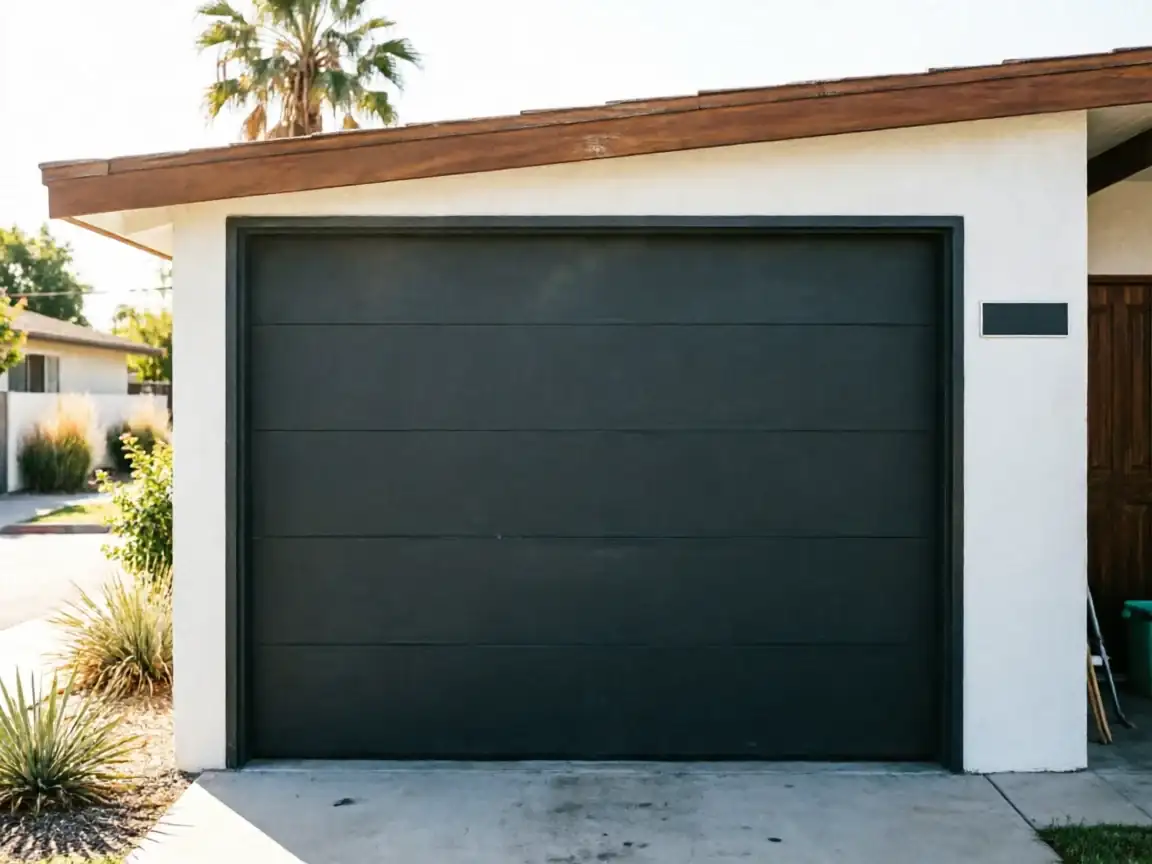
We measure the opening, check the header and track clearance, and talk through door styles that fit a Long Beach house built in that 1947-2012 window - a lot of garages here have slightly non-standard openings from additions or conversions done over the decades, so an accurate measurement matters more than a catalog number.
We'll give you options and a number before anything gets ordered
If your current door is original to the house, we'll also flag anything on the track or header that's going to need attention during install, so there's no surprise mid-job. Scheduling is straightforward: once you approve a door and we confirm it's in, we set an install date and get your old door off the hinges that day.
The Symptom
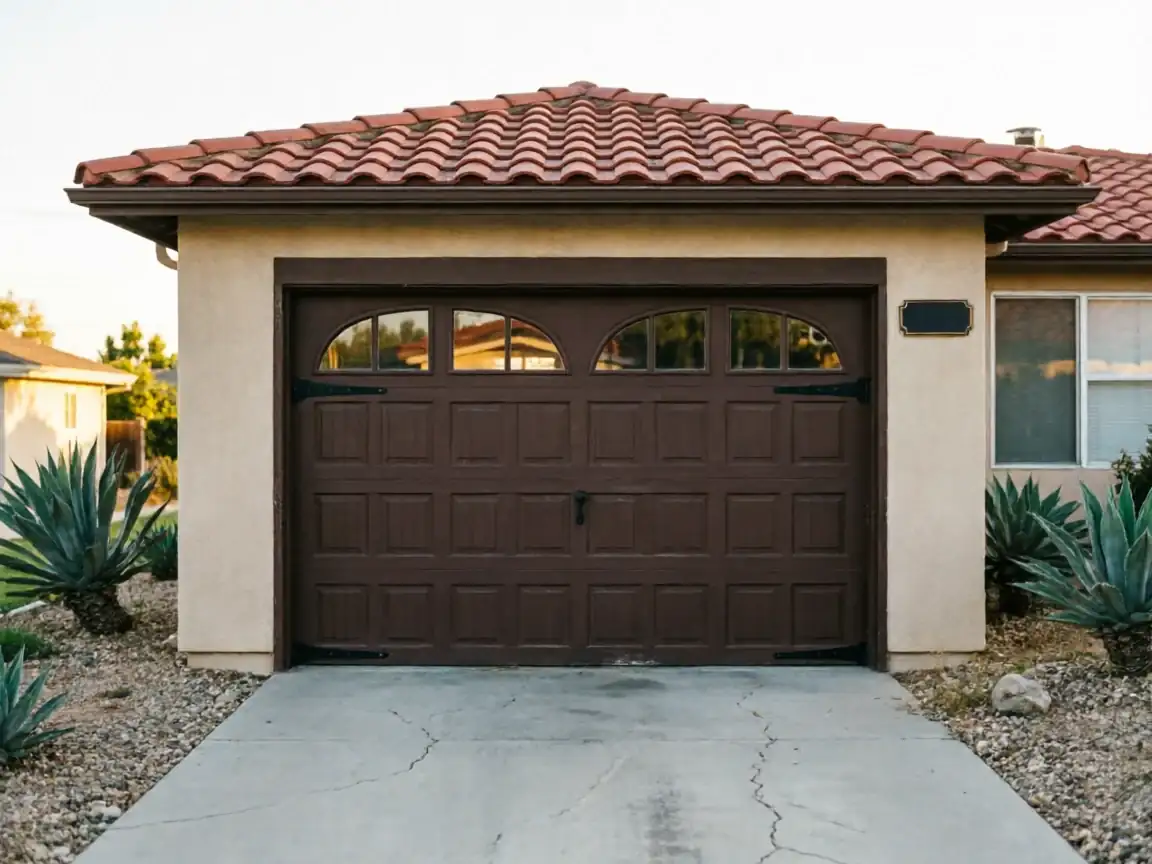
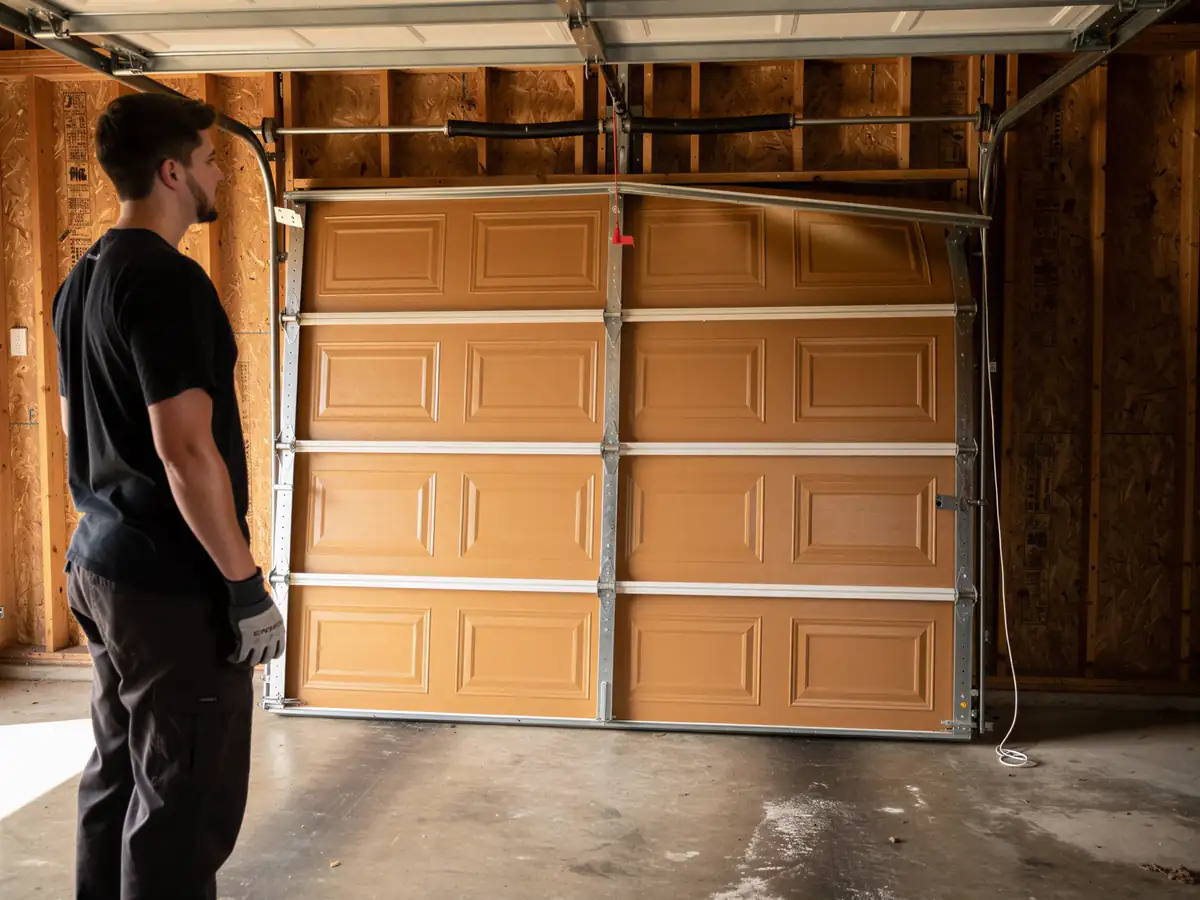
The giveaway isn't always a door that won't open. More often it's a door that opens but feels heavier than it should, a lift that strains the opener, or a panel that's started to oil-can - that wavy flex in the steel - near the bottom where moisture off the slab has been working at it for decades. On a lot of the original 1960s doors we see in the steel has thinned enough that a dent from a bike or a trash can doesn't pop back out anymore.
Another pattern: a door that technically still works but costs more in spring and cable repairs than a new installed door would run over a couple of years. If your opener is cycling hard, your springs are getting replaced every other year, and the door itself still looks like it did in a photo from 1975, that's not a repair conversation anymore. That's a point where patch jobs stop making financial sense against a straightforward swap, and we'll tell you that honestly instead of selling another spring.
How We Fix It
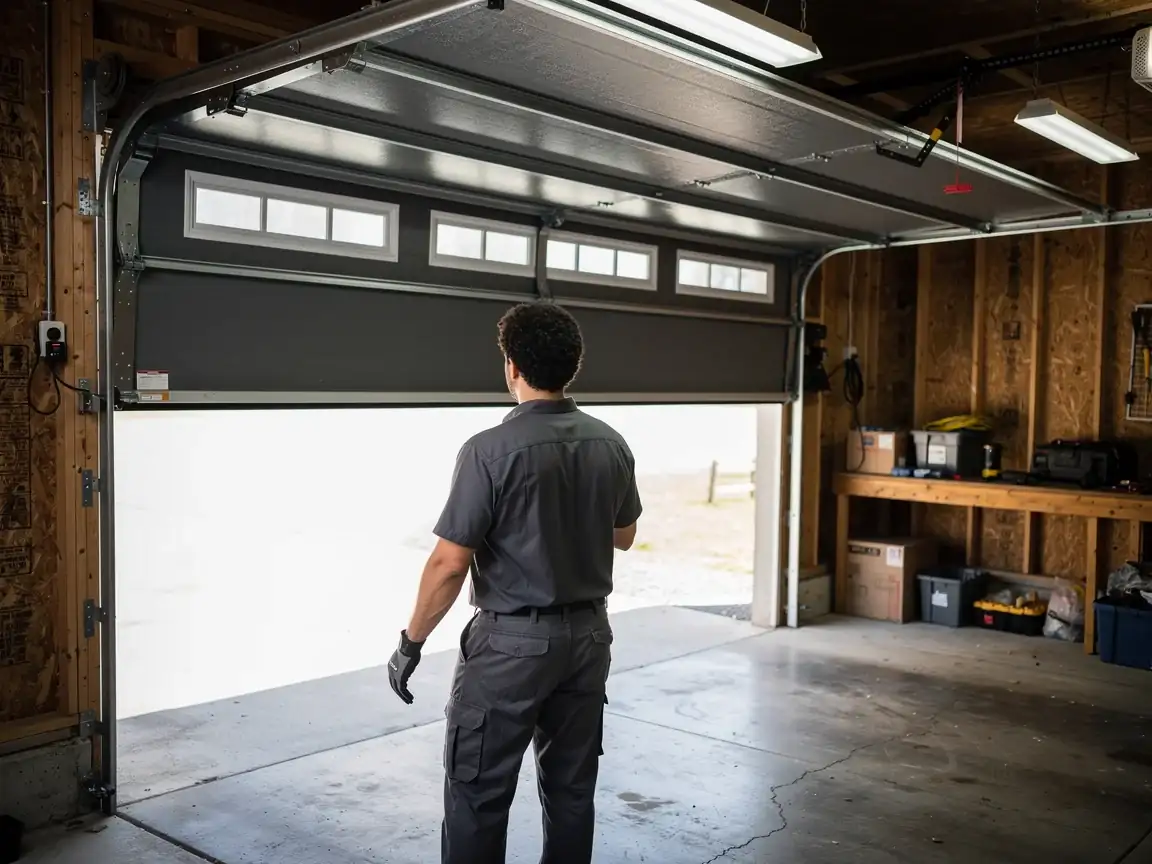
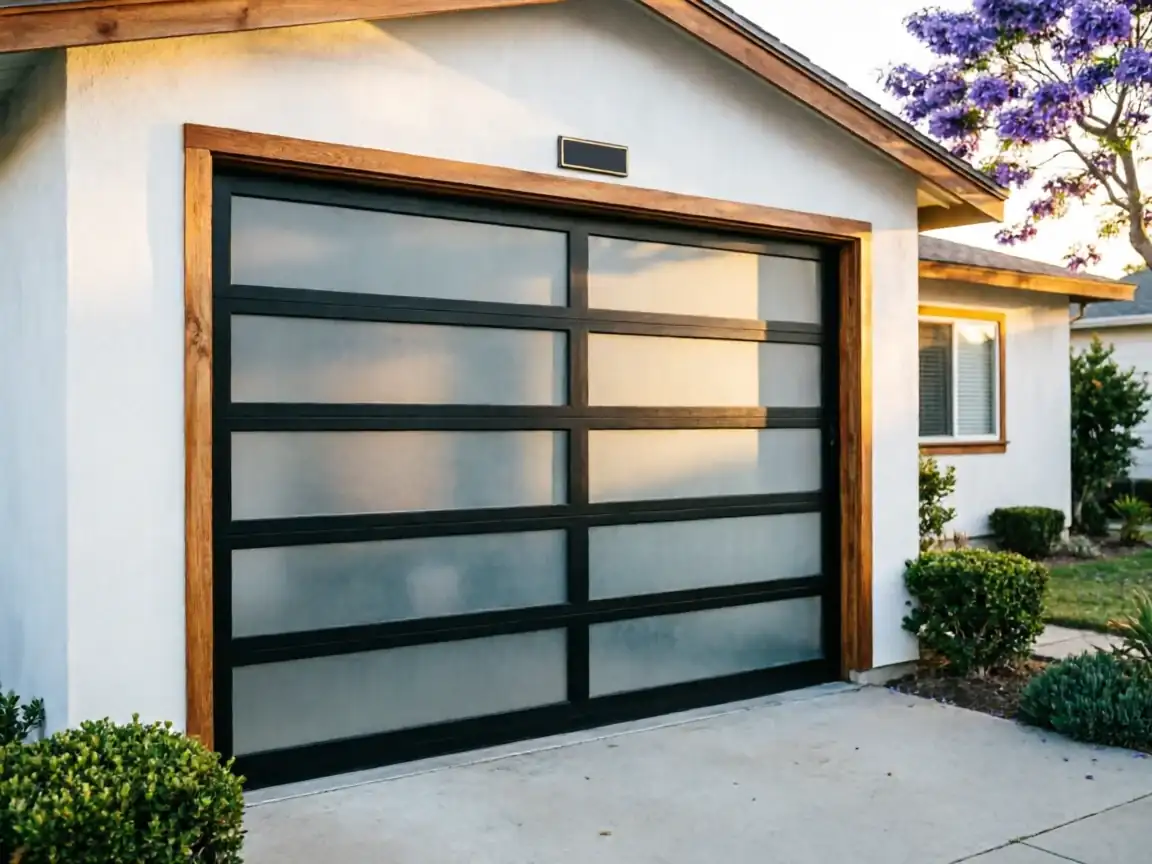
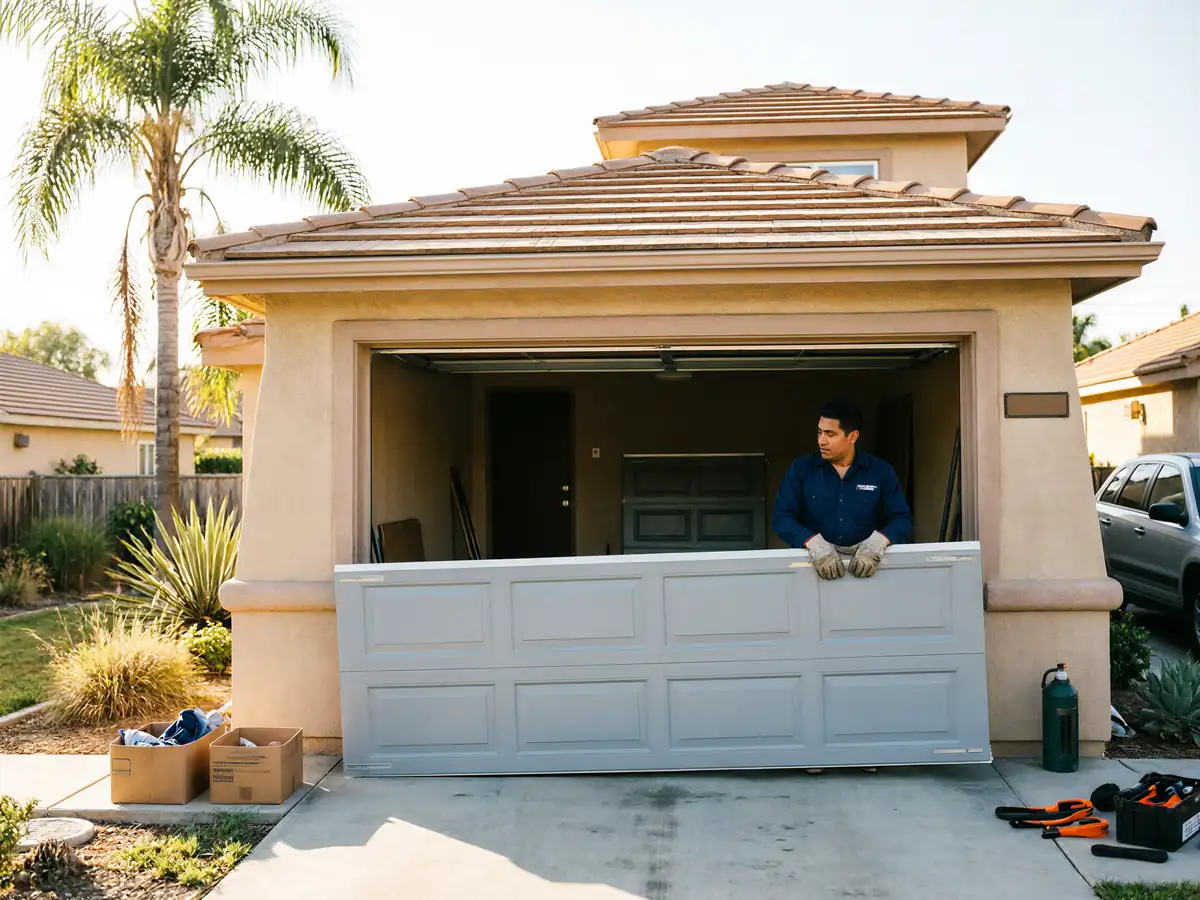
We pull the old door, inspect the track and header for wear tied to that original 1960s-70s hardware, and install a new insulated door sized to your actual opening rather than a stock size. Given the mild temperate climate here, insulation isn't about keeping out cold the way it would matter inland - it's mostly about noise, and about a stiffer panel that won't oil-can the way the old uninsulated steel did.
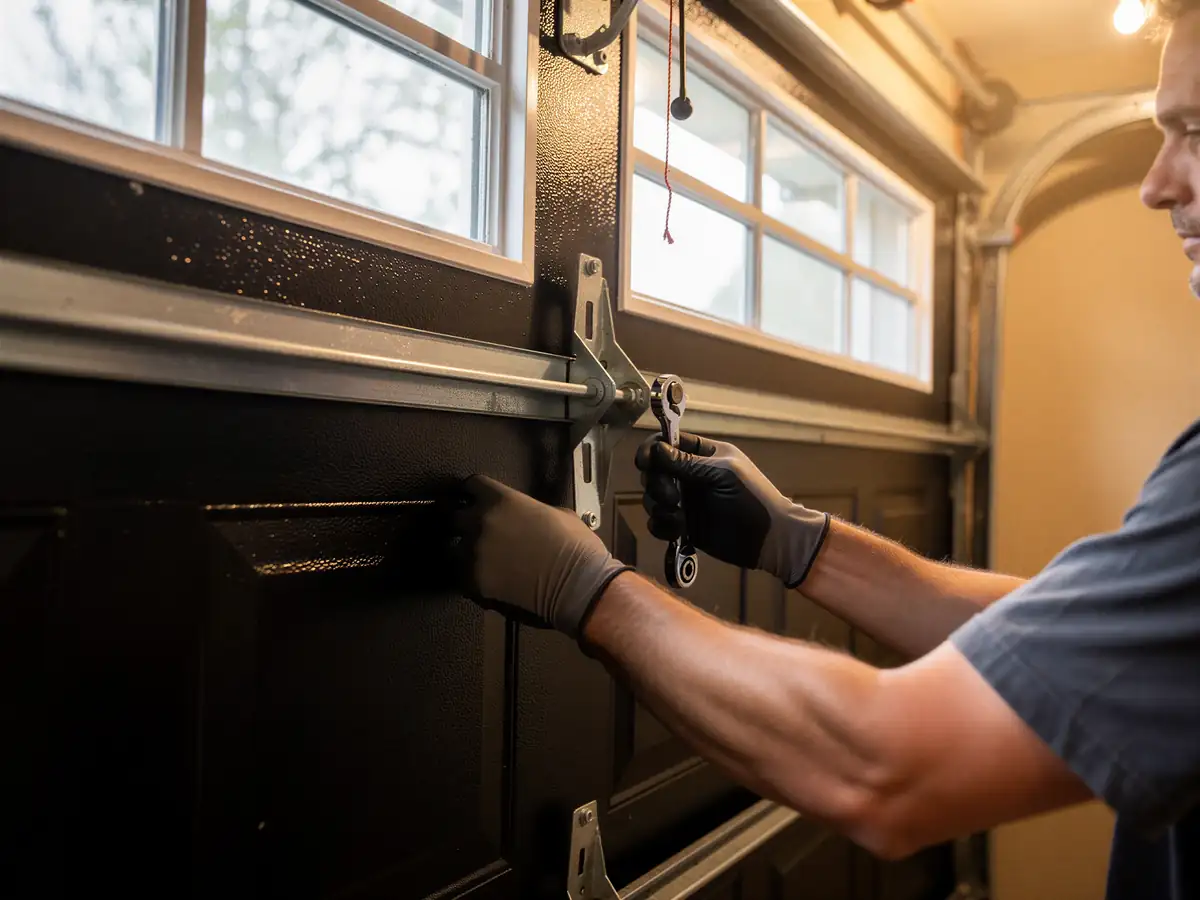
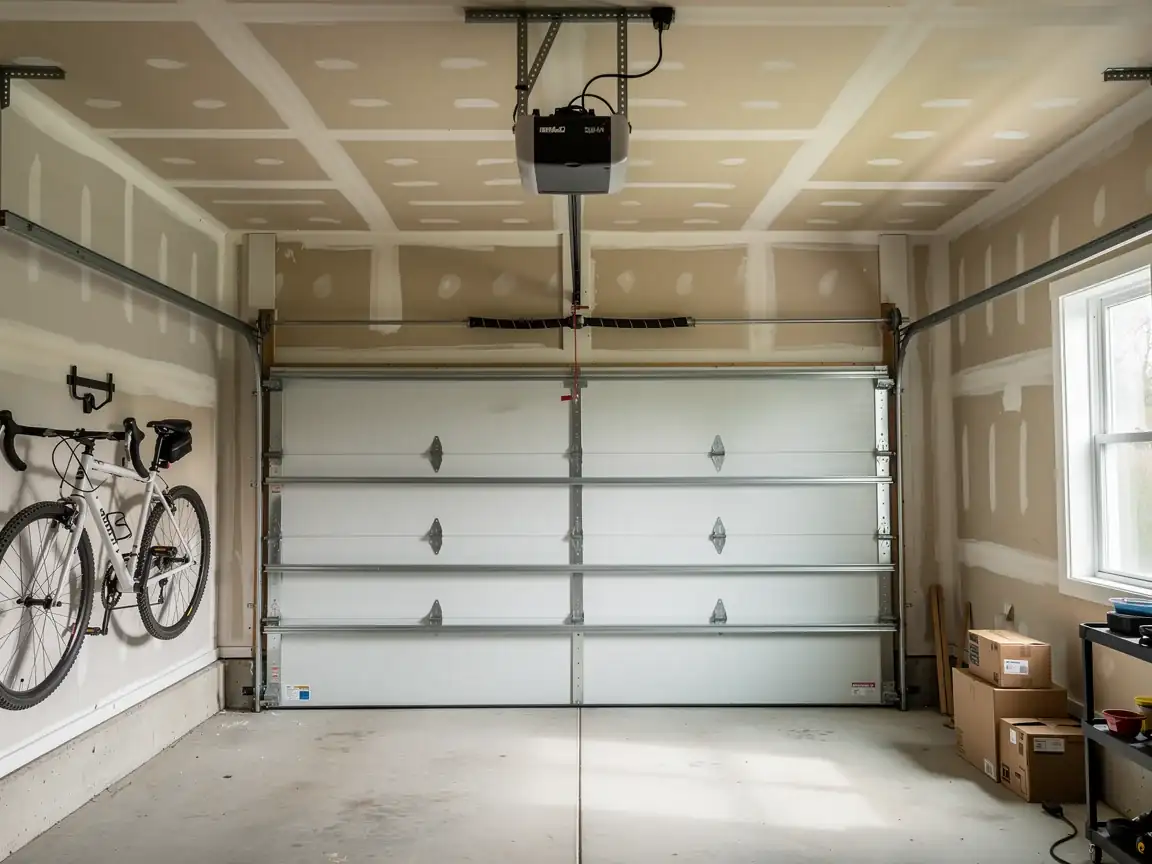
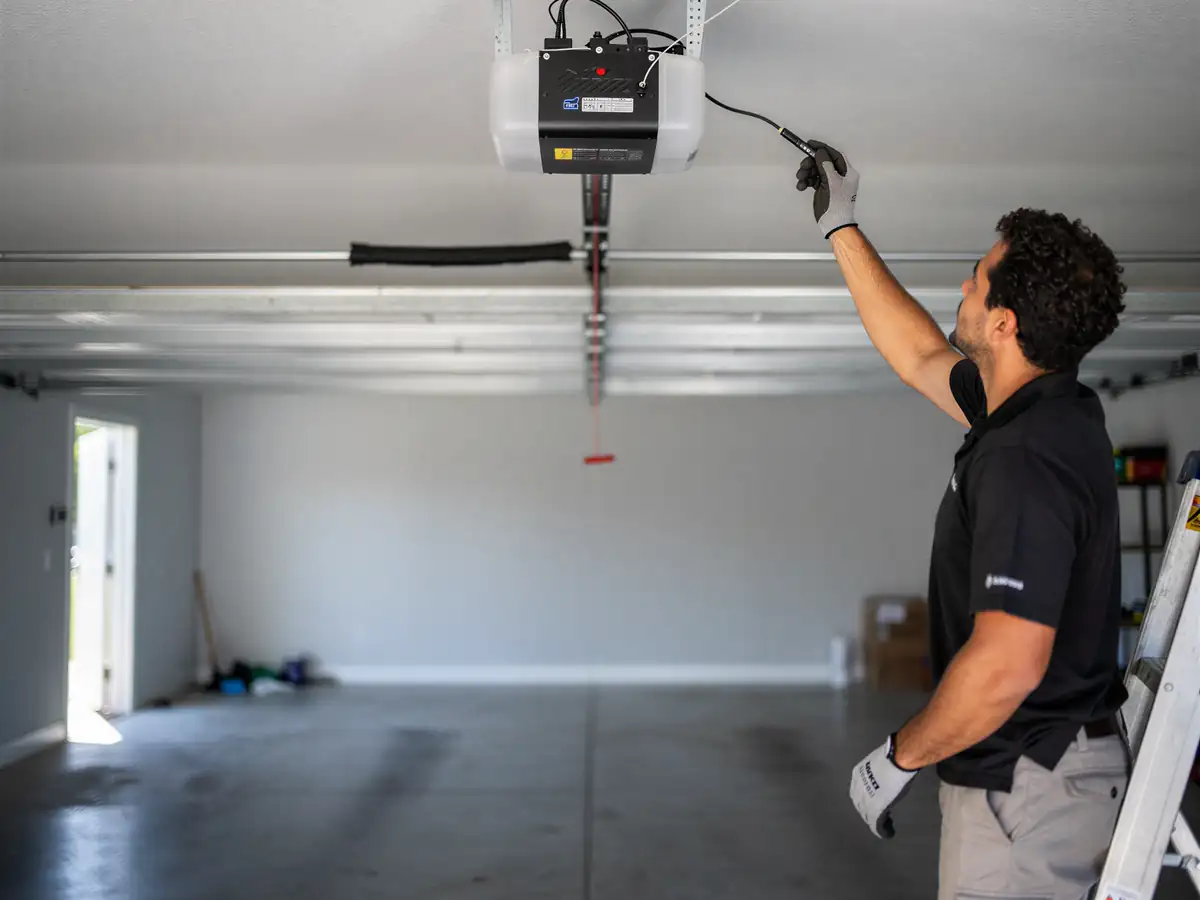
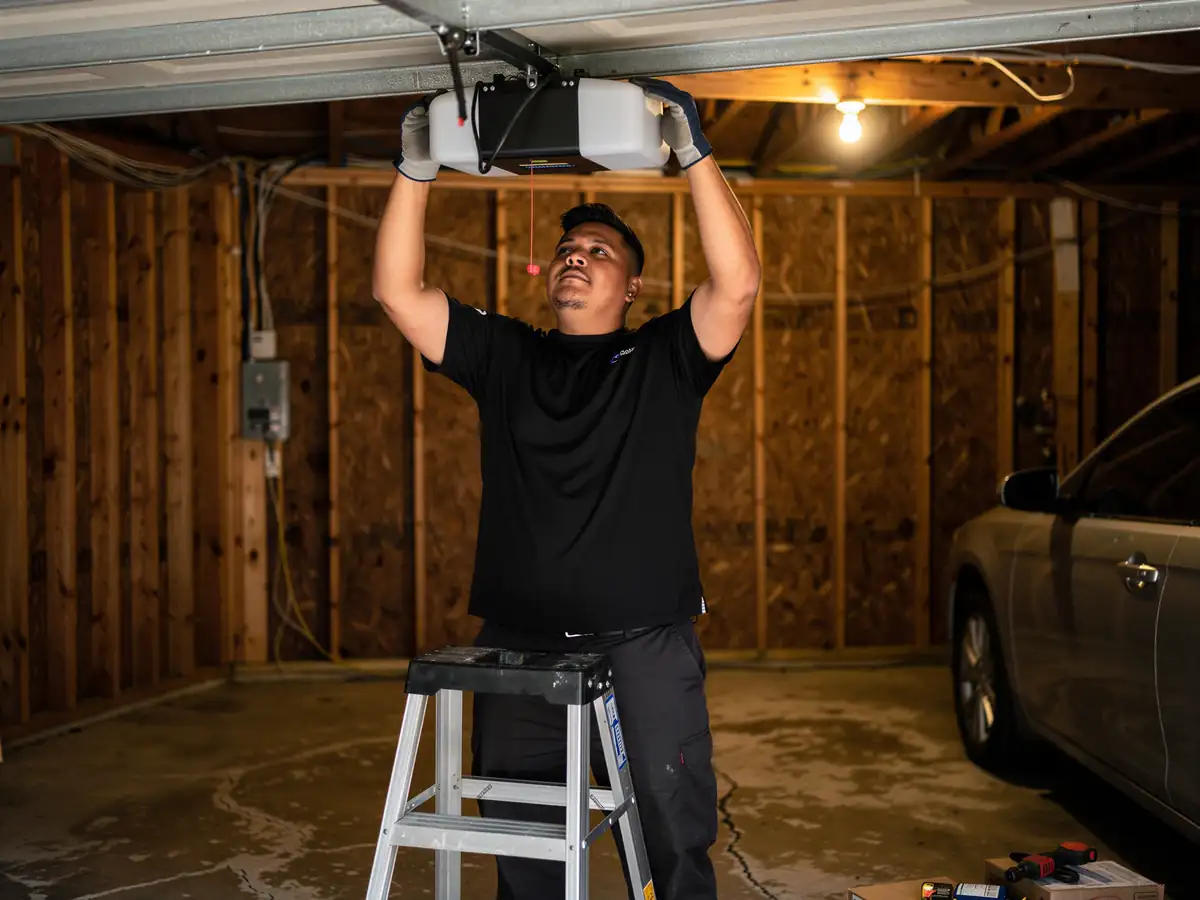
If the existing track or header can't carry the new door's weight safely, we replace that hardware as part of the job rather than bolting new onto worn-out old. We set the opener to match the new door's weight and travel, test the balance, and walk you through the spring tension so it's not a mystery.
One limit worth saying plainly: if your opening is badly out of square from a decades-old settling issue, that's a carpentry fix before it's a door fix, and we'll say so rather than install around a problem that'll come back.