Why It Happens Here
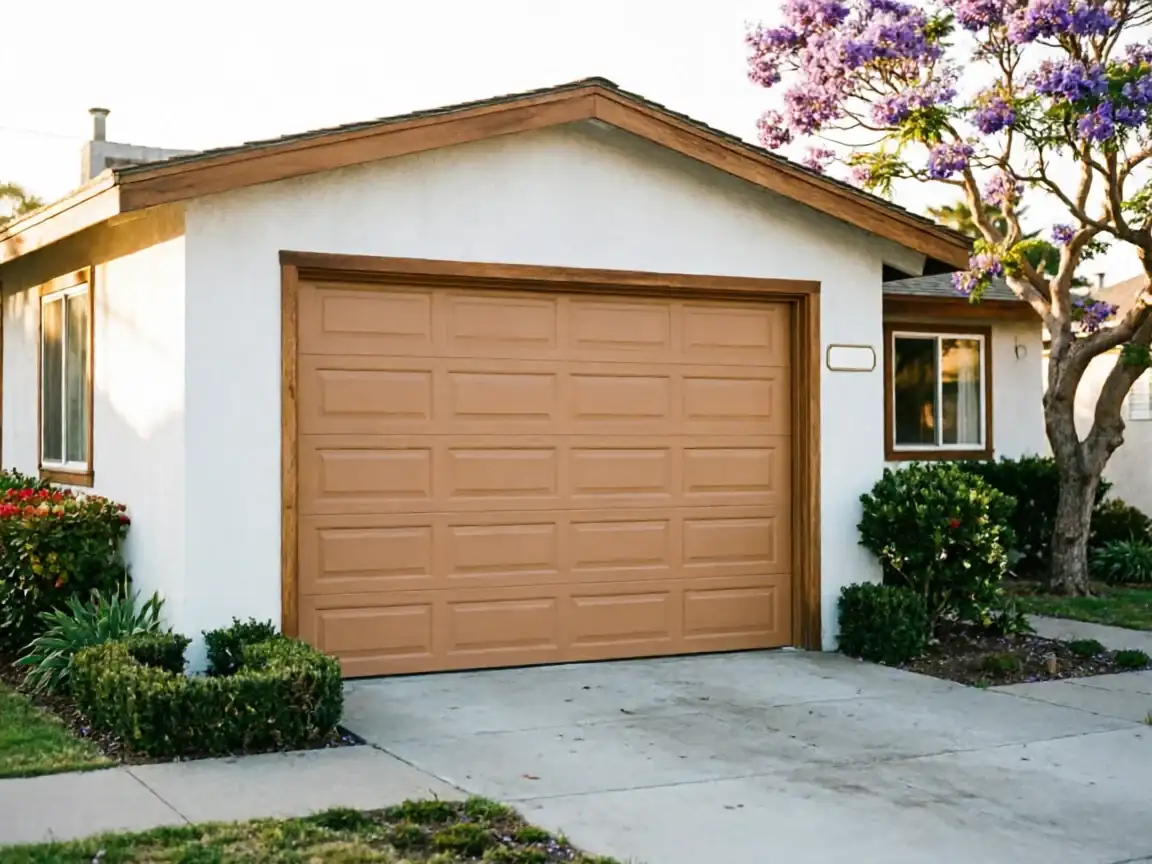
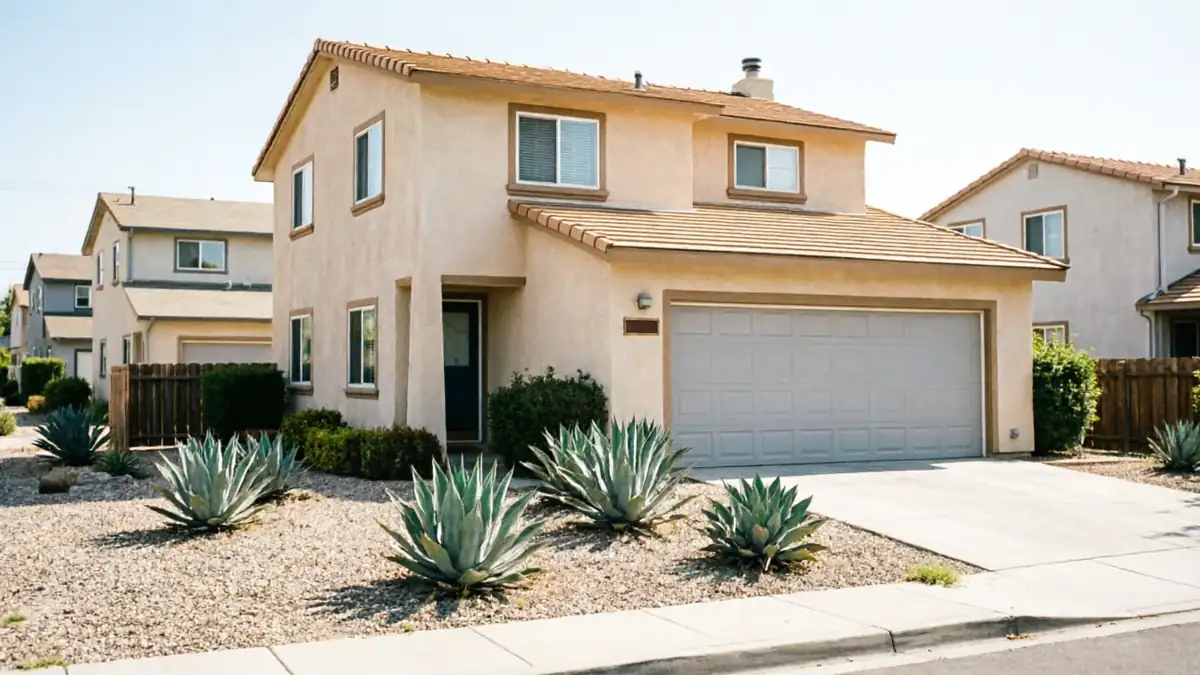
Most of the housing stock in this service area went up between 1947 and 2012, with the median build year sitting around 1964. That means a lot of openers out there are second or third replacements on original track hardware, and a lot of the original units themselves are chain-drive models from the 70s and 80s that were never designed to run for fifty years. Across the 58 named areas we cover, you see the same pattern: a 1960s or 70s house with an opener that's been swapped once, maybe twice, but wiring and mounting brackets that are original to the garage.
The mild temperate climate here doesn't put openers through the freeze-thaw stress you'd see inland or up north, so you won't get the cracked gear housings that cold weather causes elsewhere. What you do get is slow degradation - sun-baked nylon gears, dried-out lubricant, and logic boards that have simply run their service life after decades of daily cycles in a garage that never gets below 50 degrees. The failure mode here is wear, not weather shock, and that changes what we look for first.
How to Book
Call or use the contact link on our site to get a technician scheduled
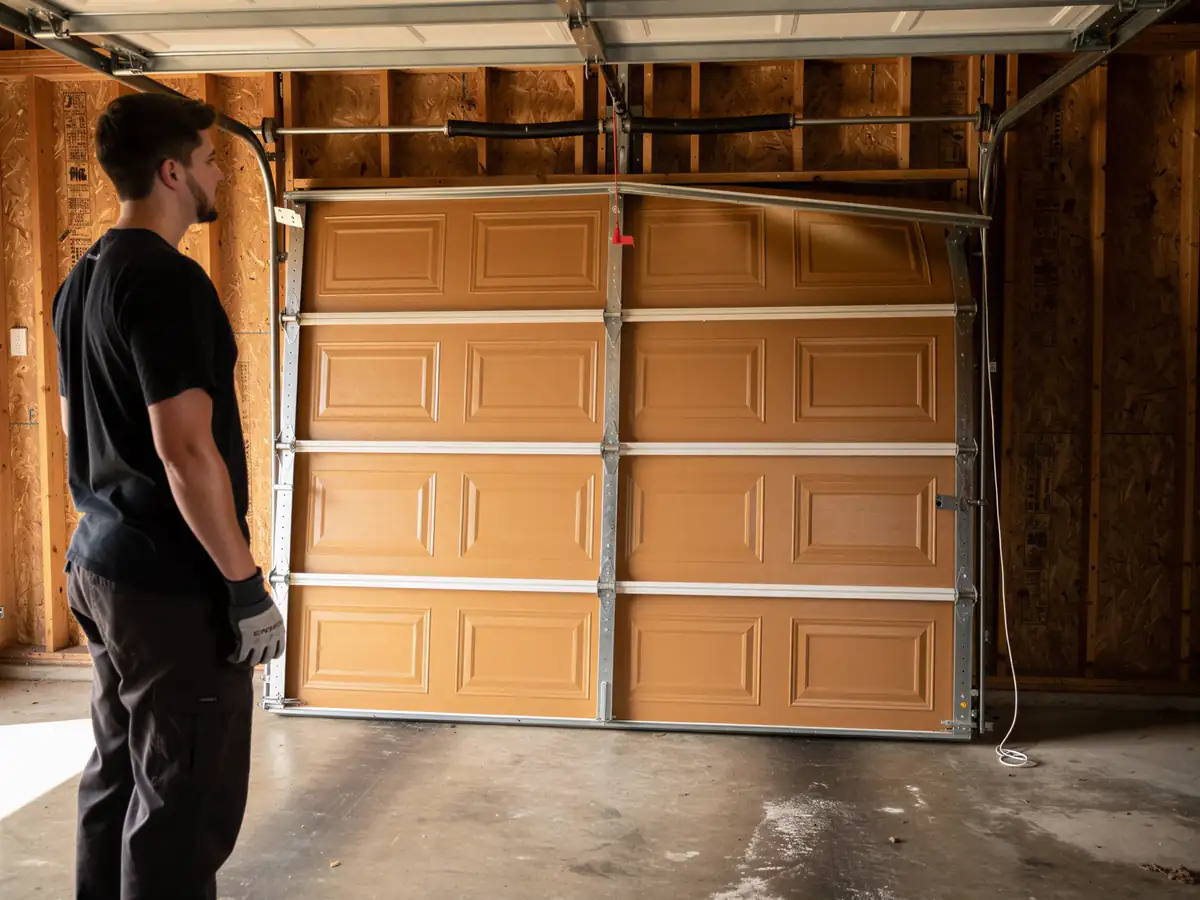
Tell us the opener's age if you know it, what it's doing (or not doing), and whether the door moves manually with the opener disengaged - that one detail alone tells us a lot before we arrive. We cover the full service area from out through and the rest of the 58 named areas, so give us your neighborhood when you call so we can route the right truck.
We don't do remote diagnosis over the phone for anything beyond the basics
A dead opener could be the logic board, the motor, the wall switch, or something as simple as a tripped breaker, and guessing wrong on the phone wastes your time and ours. A technician needs eyes on the unit.
The Symptom
The calls we get fall into a short list. The opener hums but the door doesn't move - usually a stripped gear, common in units that are 15-20 years old, which matches a lot of the original installs in this area's 1960s-70s housing. The remote works intermittently or only from inside the garage - often a dying logic board or a sensor alignment that's drifted over years of the garage door settling on its track. The opener runs the full cycle but the door reverses before it closes - safety sensor misalignment or a sensor eye fogged with years of garage dust, not a weather issue given how mild it stays here.
Then there's the opener that just stopped responding entirely: no light, no hum, nothing. That's either a dead circuit board, a tripped breaker, or in older installs, failed wiring that was never upgraded when the unit was swapped. Each of these points to a different fix, and the age of the unit combined with the age of the house tells us a lot about which one we're dealing with before we even open the housing.
How We Fix It
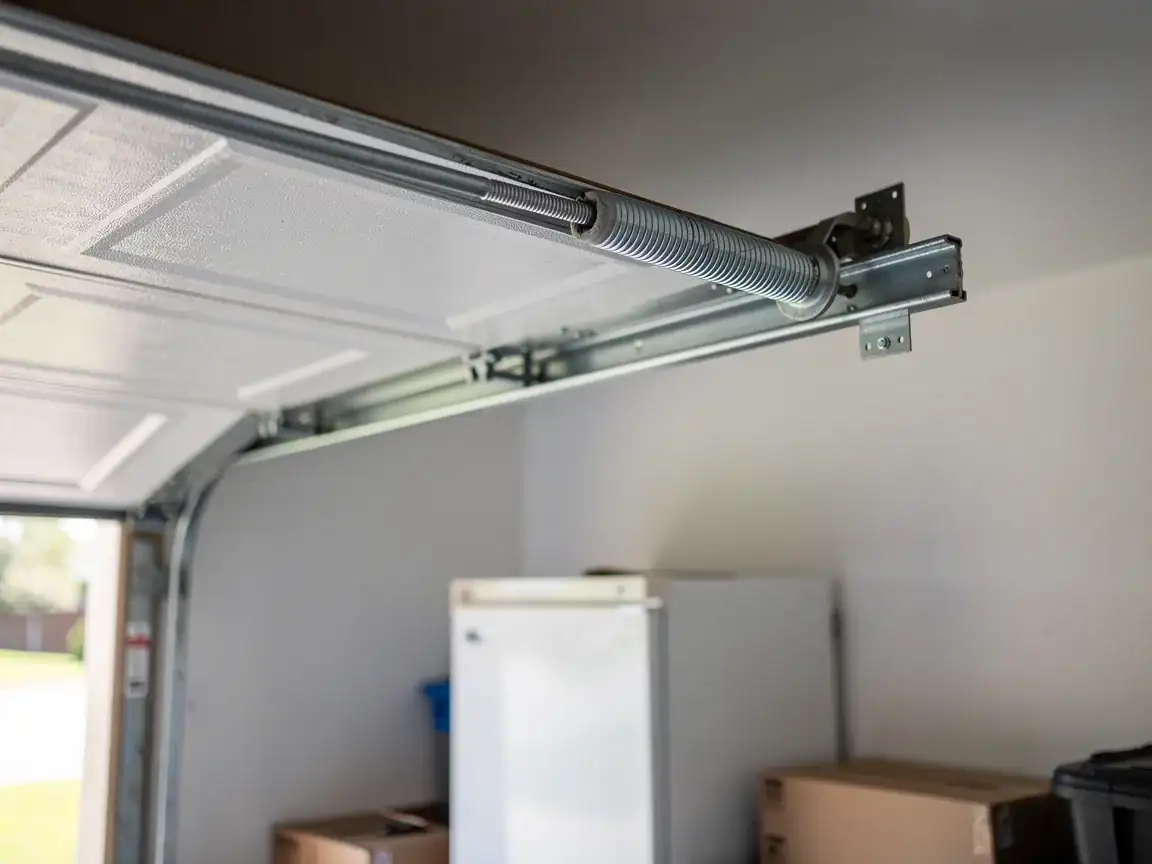
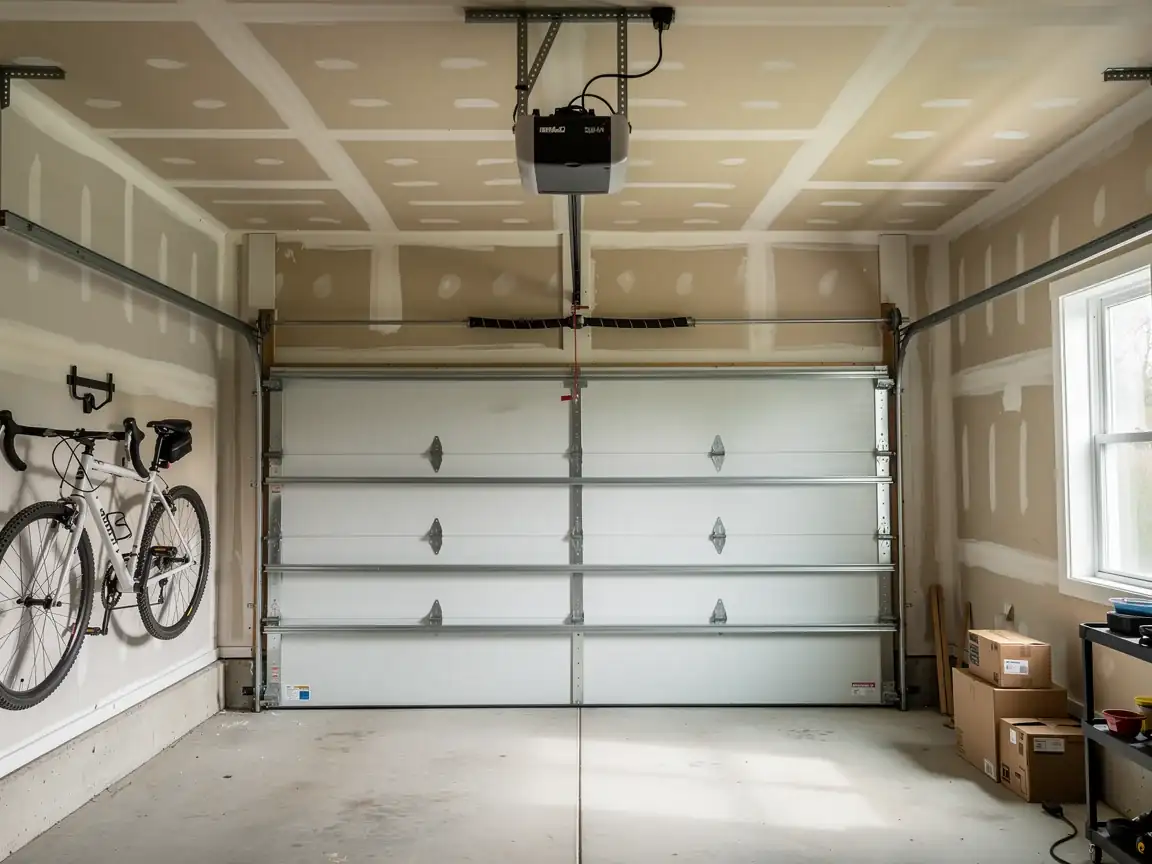
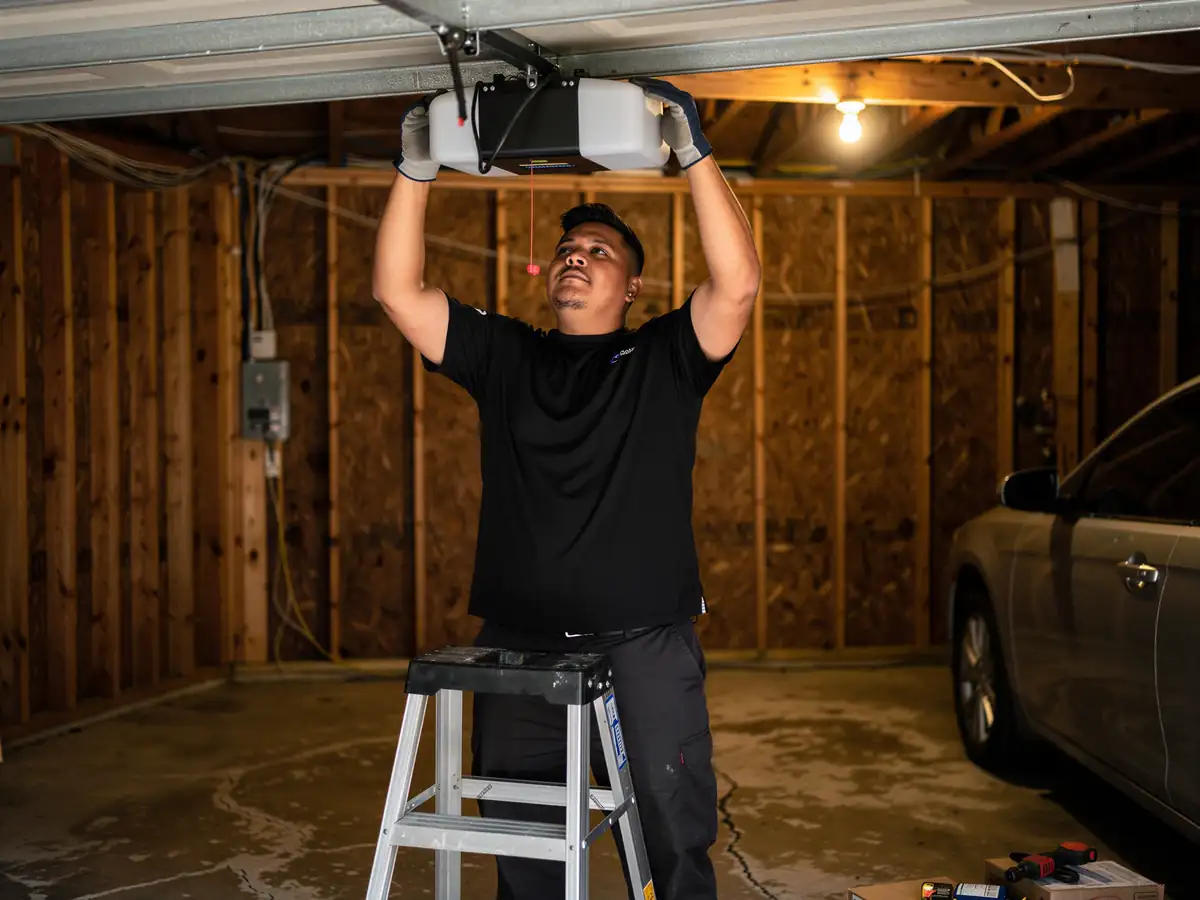
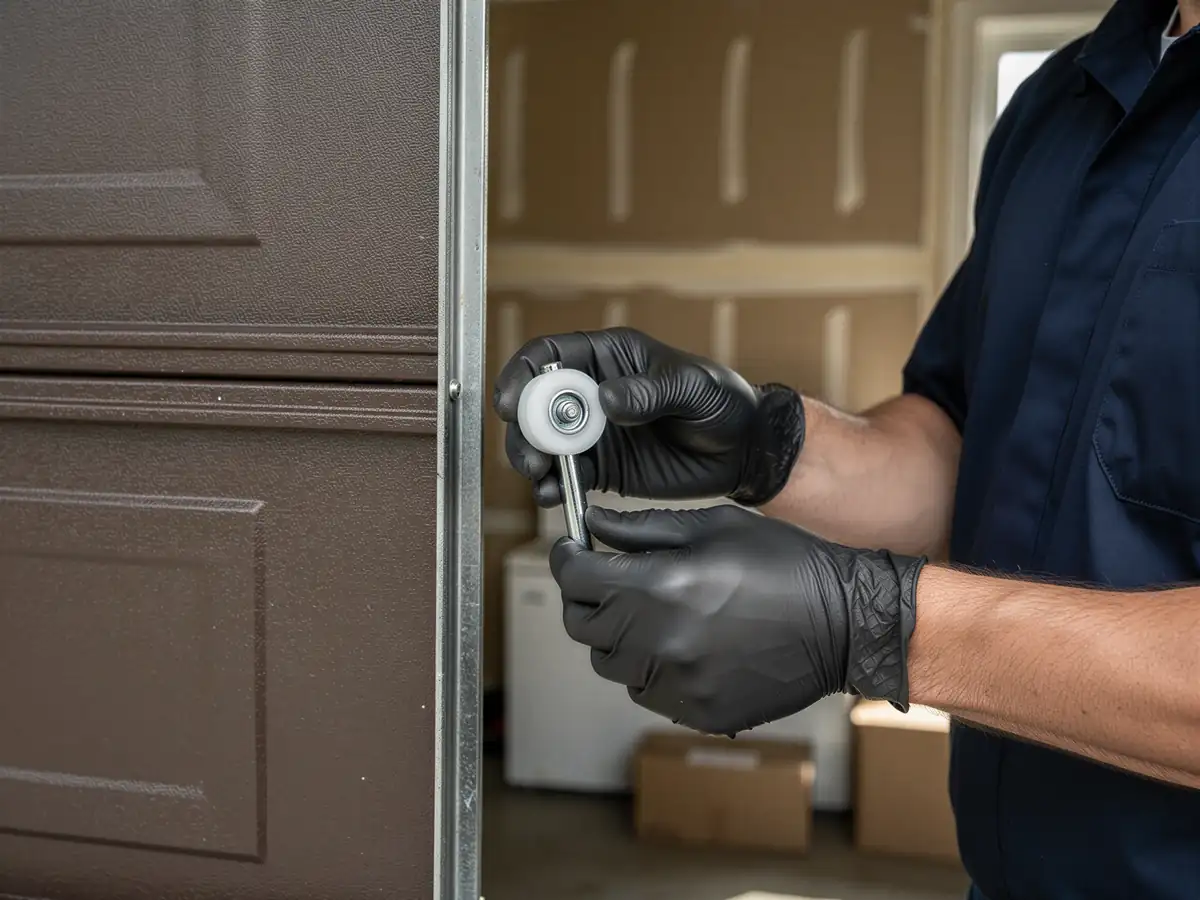
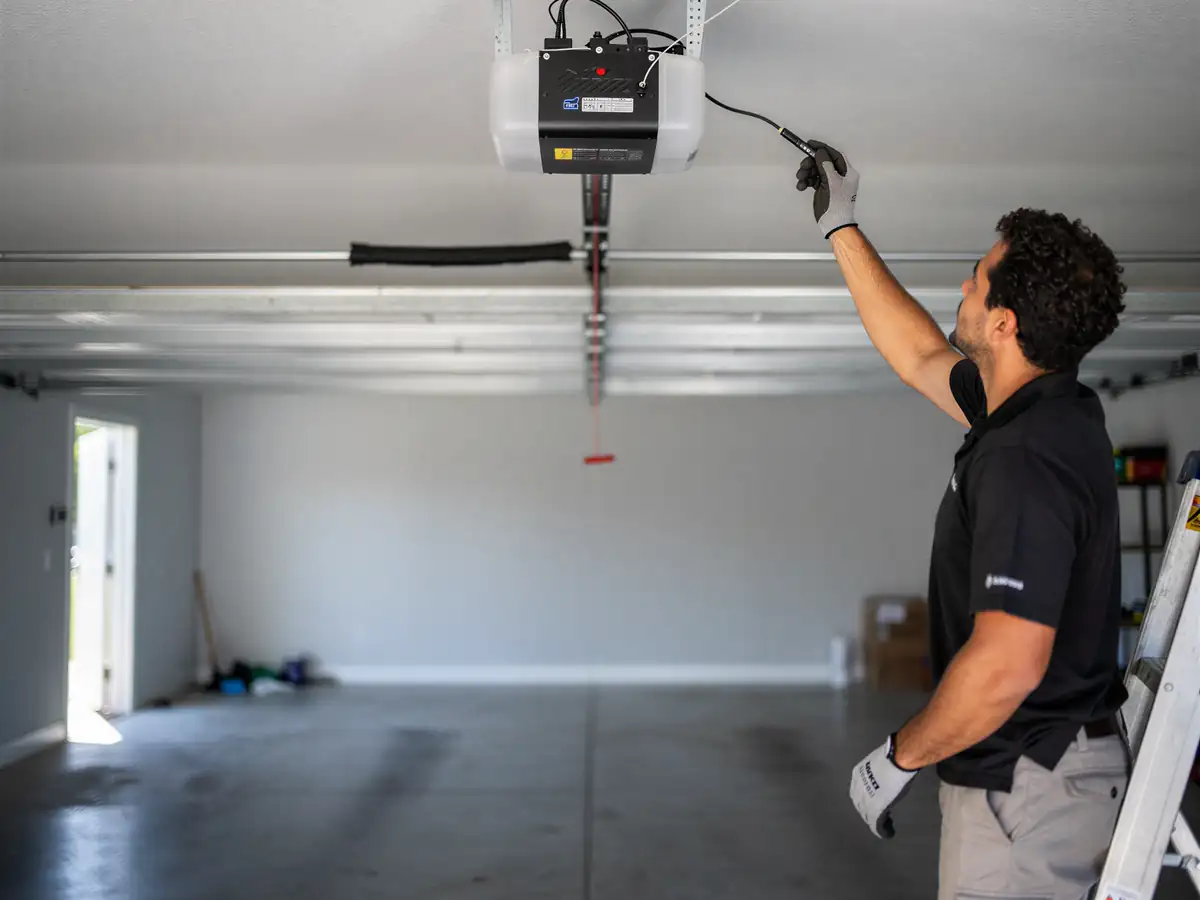
We start by testing the motor, the logic board, and the safety sensors separately, because an opener with multiple small issues can look like one big failure. If the gear's stripped, we replace it - on many of the chain-drive units common in this area's older housing stock, that's a straightforward fix rather than a full opener swap. If the board's dead, we check whether parts are still available for that model before quoting a repair; on units old enough to match this area's median 1964 build year, some manufacturers have discontinued boards entirely, and at that point replacement is the honest answer, not a repair that won't hold.
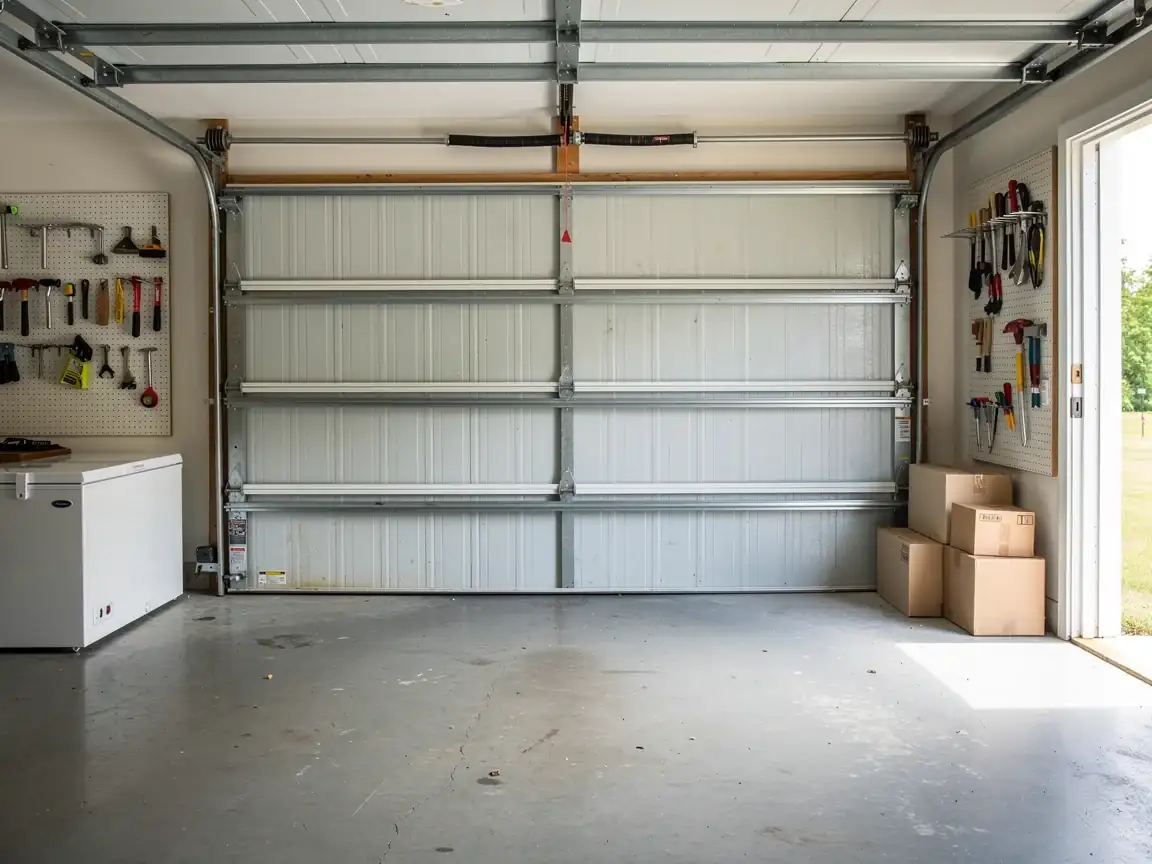
Sensor issues get realigned and tested through a full cycle, not just eyeballed. We also check the wall switch and wiring on any opener that's been retrofitted into an older garage, since that's where we most often find the actual fault hiding behind what looked like a motor problem. We're straight with you if a unit isn't worth fixing - sometimes the labor to chase parts for a 25-year-old opener costs more than a new unit, and we'll say so.