Why It Happens Here
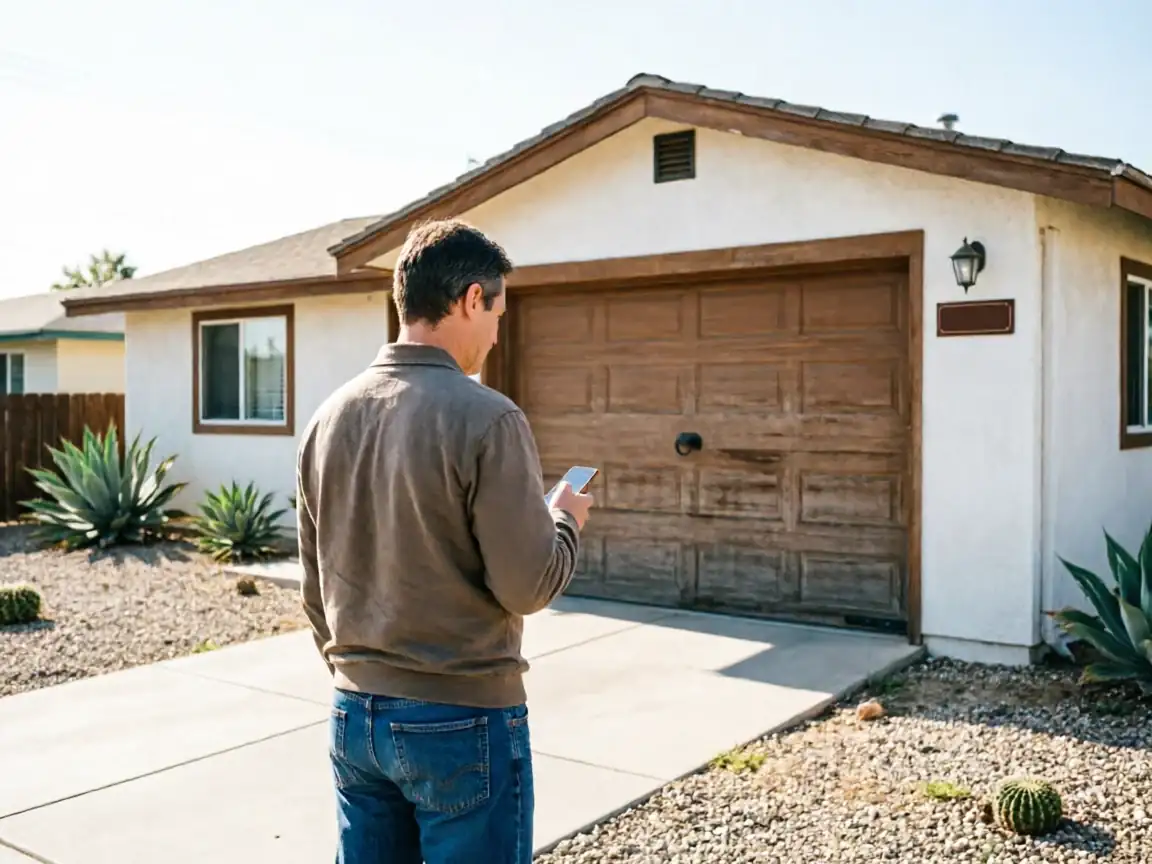
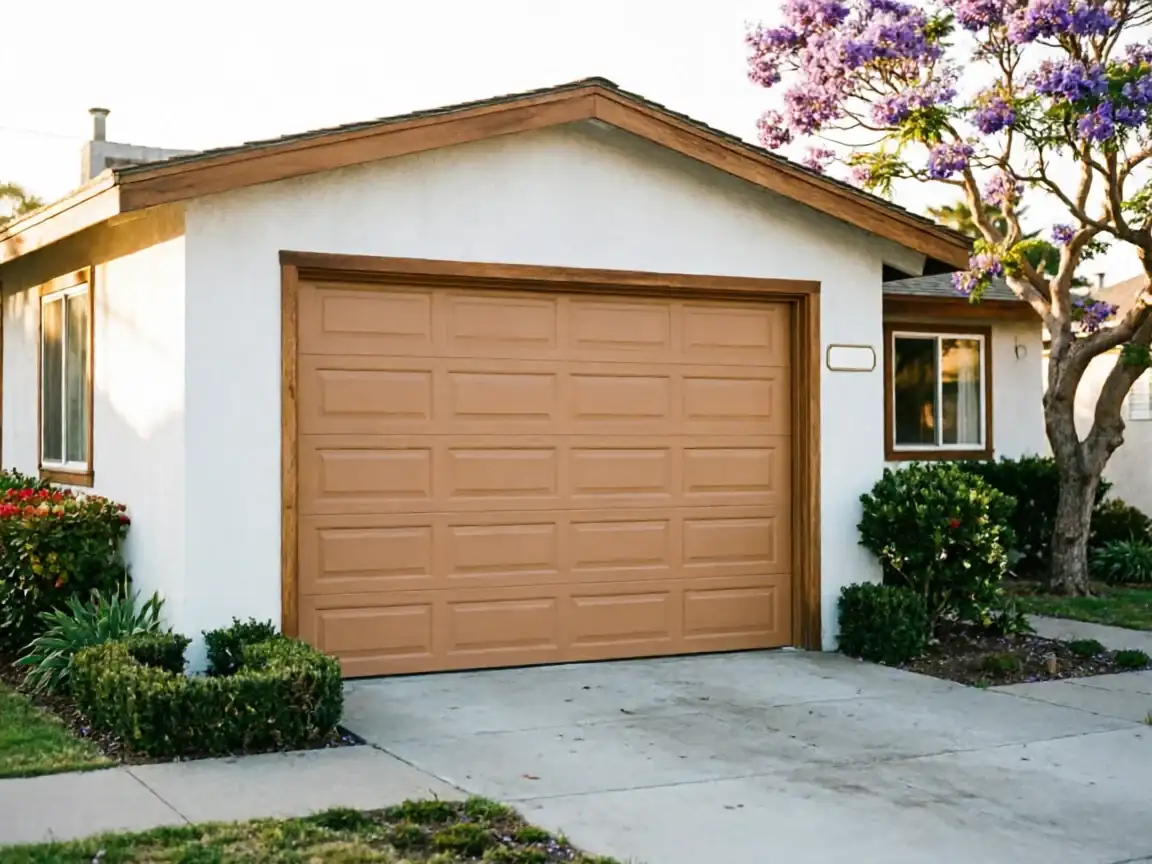
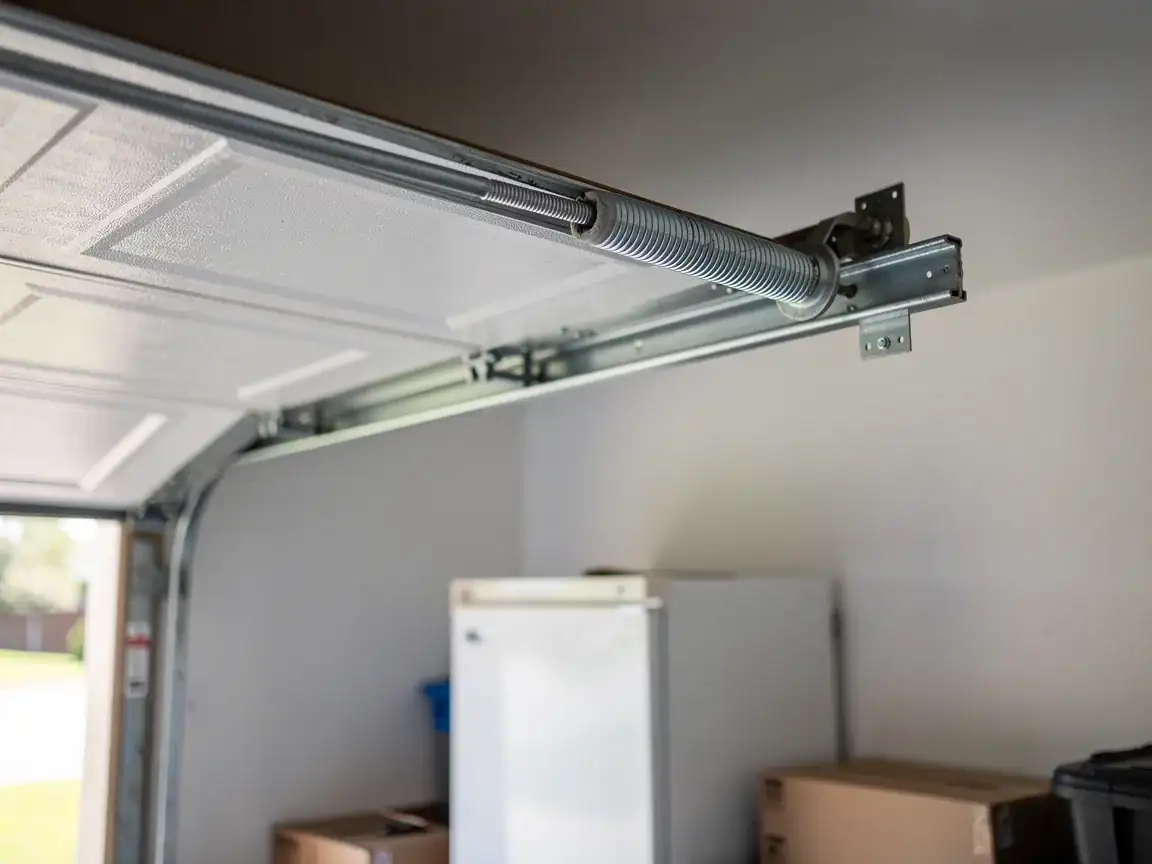
Most of the garage doors we open calls on here were installed on houses built between 1947 and 2012, with the bulk of that stock going up in the 1960s and 70s. That matters more than most homeowners realize. A torsion spring has a rated cycle life, and a door installed during that build-out has had fifty-plus years to wind through those cycles. The spring doesn't fail because of a cold snap or a heat wave - Long Beach sits in a mild temperate band, so we don't get the freeze-thaw stress that cracks coils in colder climates. What we get instead is slow fatigue: steel that's been flexing twice a day since the Johnson administration, finally giving out on an ordinary Tuesday. Original one-piece doors from that era also tend to run on side-mounted torsion hardware that newer big-box doors don't use, so when a roller or cable goes, it's often original equipment, not a modern replacement part. Add in decades of marine air drifting in off the coast, and you get rollers and end bearings that have pitted and corroded quietly for years before they finally seize or snap. None of this is dramatic. It's just time, cycles, and salt air doing what they do on hardware nobody's touched since it was installed.
The Symptom
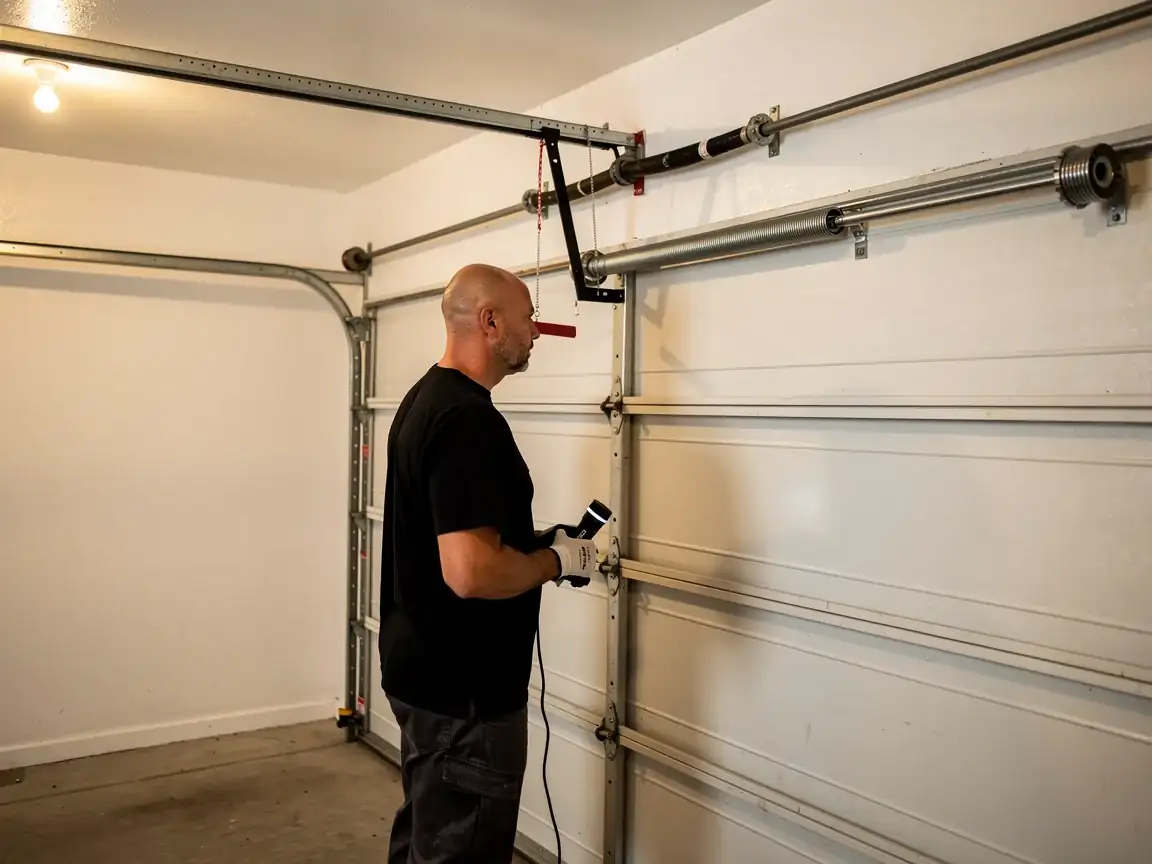
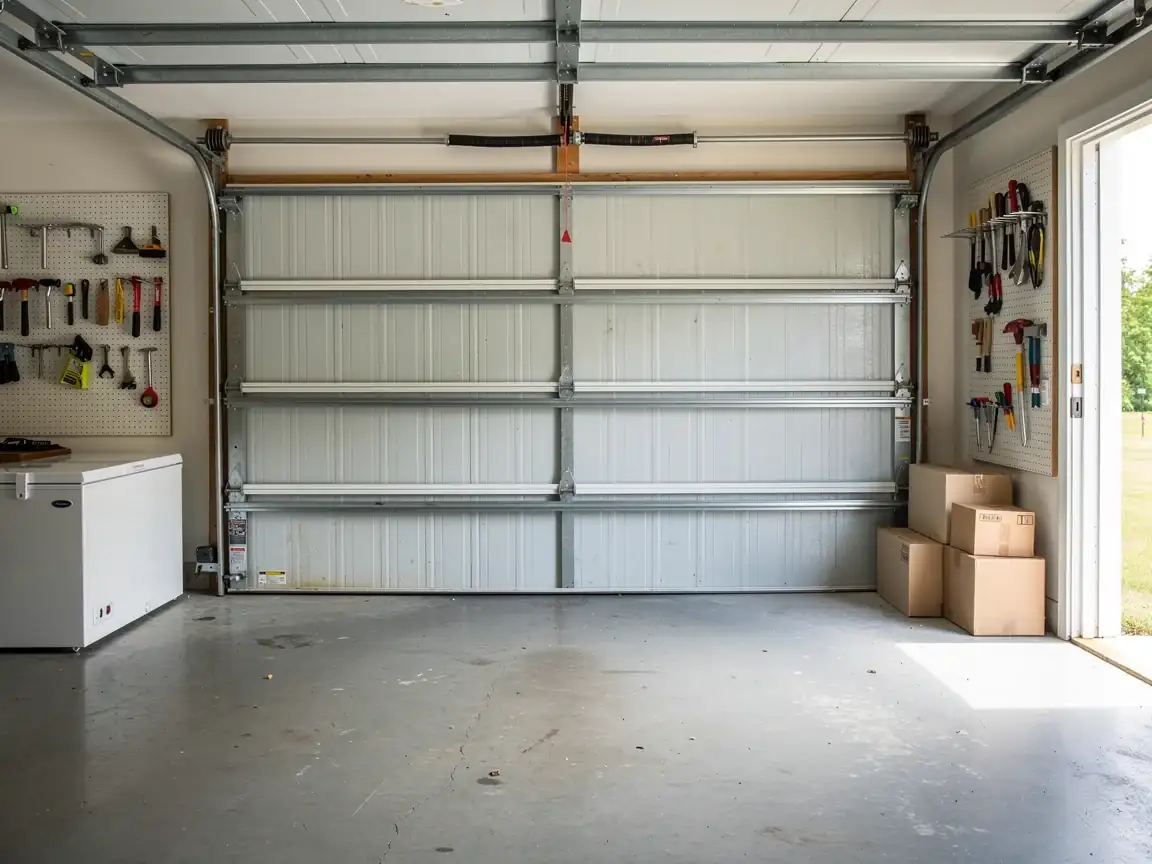
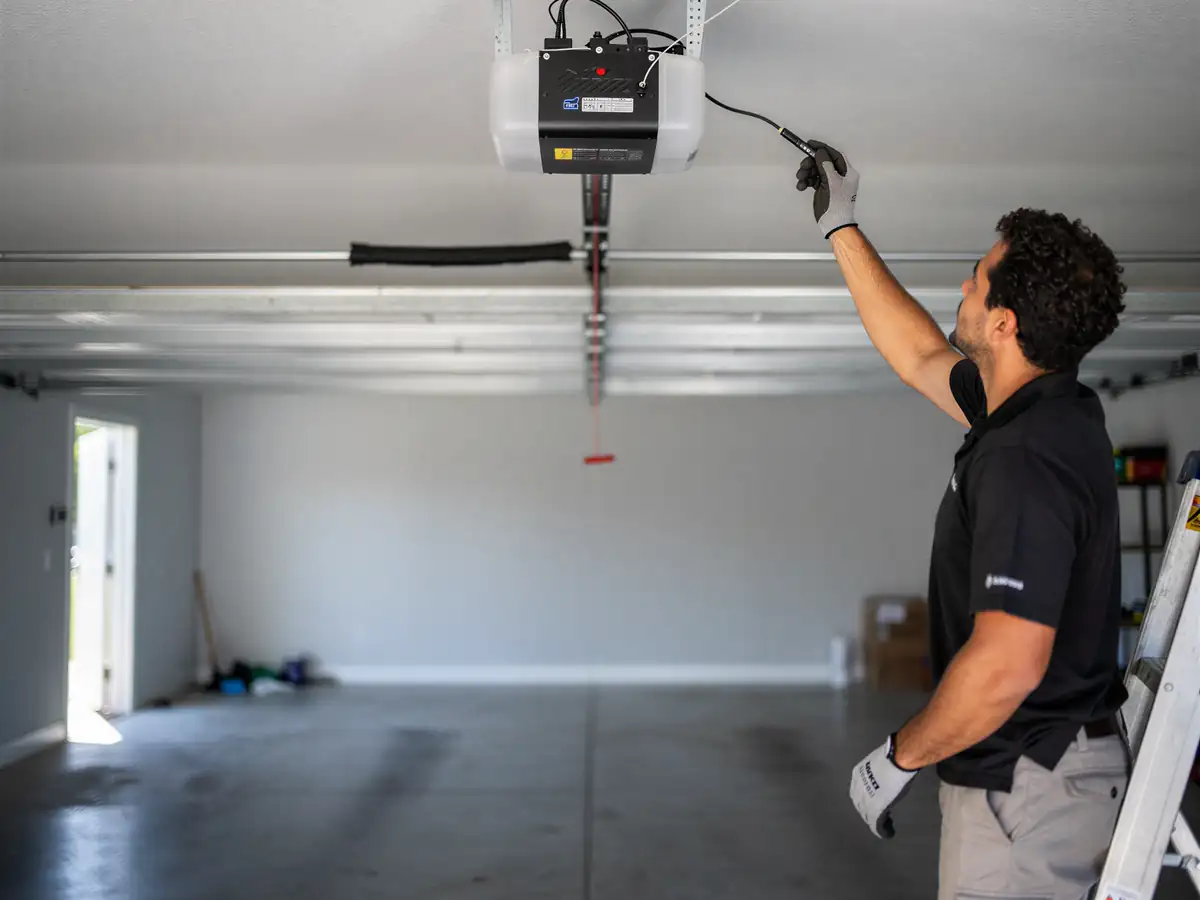
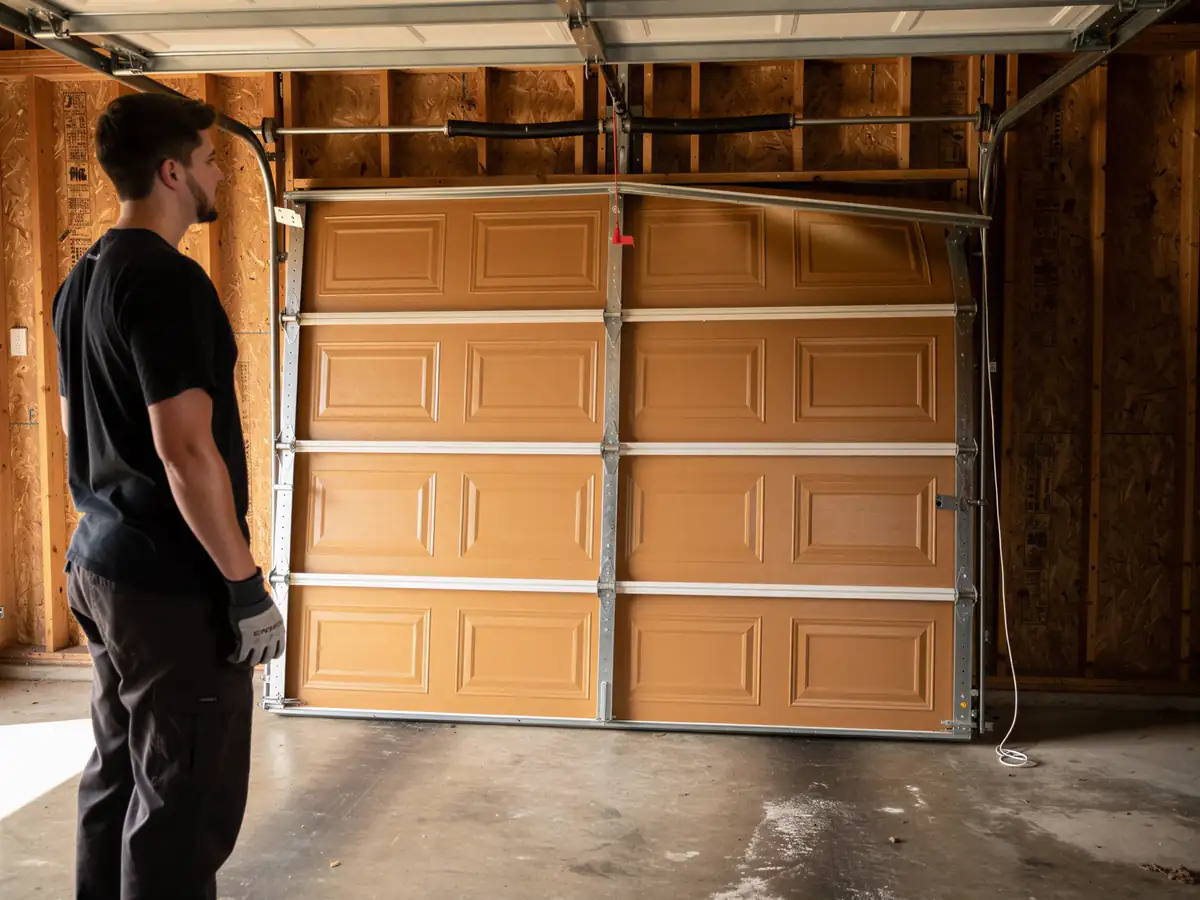
The calls we get from this area follow a pattern tied to the housing stock. A door that used to open smoothly now jerks, slams, or stalls halfway up - classic torsion spring fatigue on a house from that 1960s-70s build wave. Sometimes it's a loud bang from the garage followed by a door that won't budge at all, which is usually the spring letting go entirely rather than wearing down gradually. On the older one-piece doors still running original side-mounted hardware, we also see tracks that have slowly bent out of alignment after decades of use, causing the door to bind or jump the roller on one side. Openers tell their own story: a unit that strains, reverses on its own, or runs louder than it used to is often fighting hardware that's wound tighter than it should be, not an opener problem at all. None of these symptoms show up overnight. They build for months, sometimes years, before the door finally stops cooperating - which is why a lot of homeowners describe the failure as sudden when the cause was already years in the making.
How We Fix It
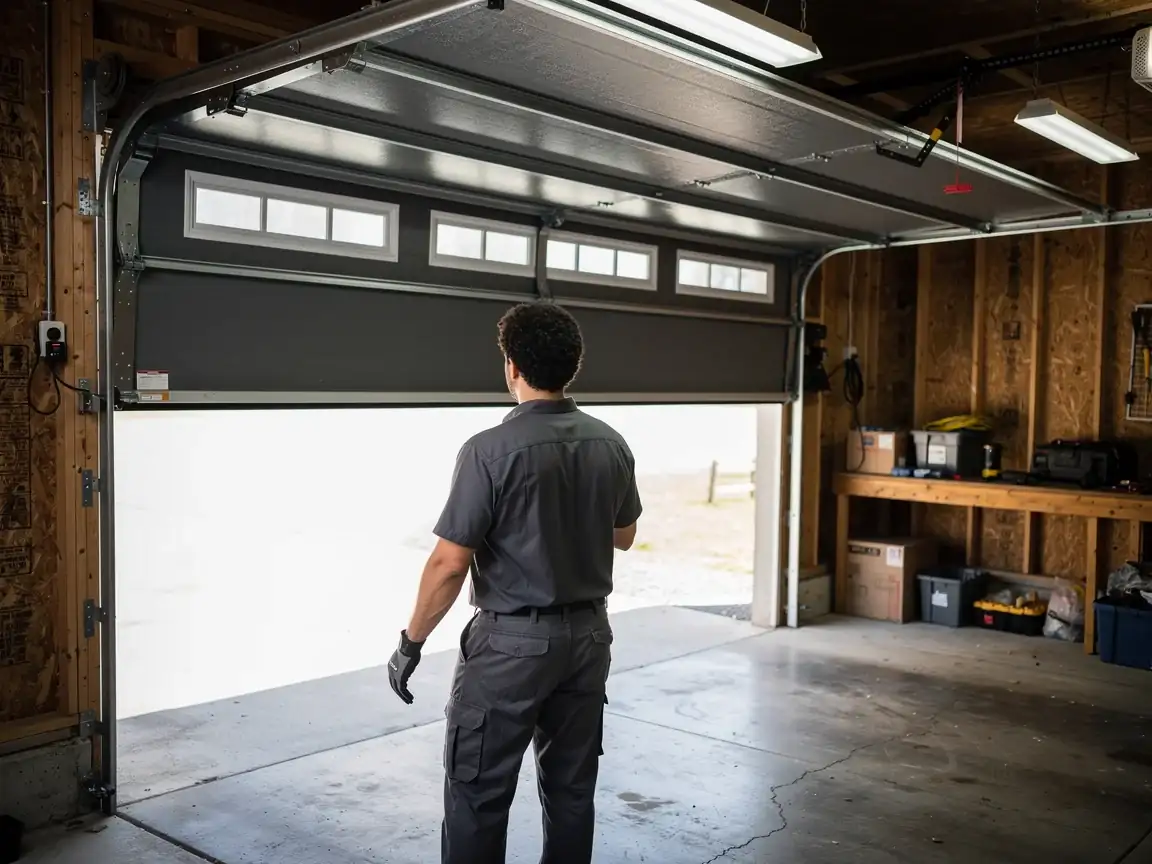
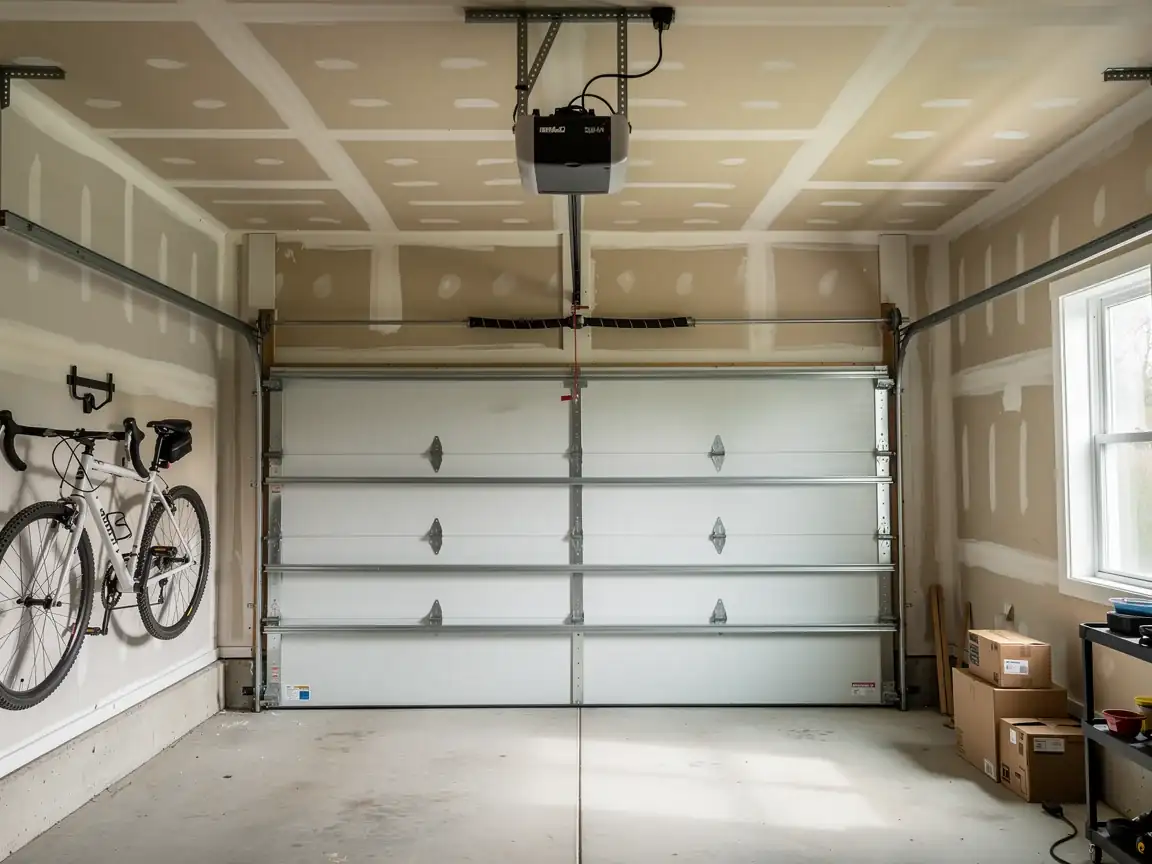
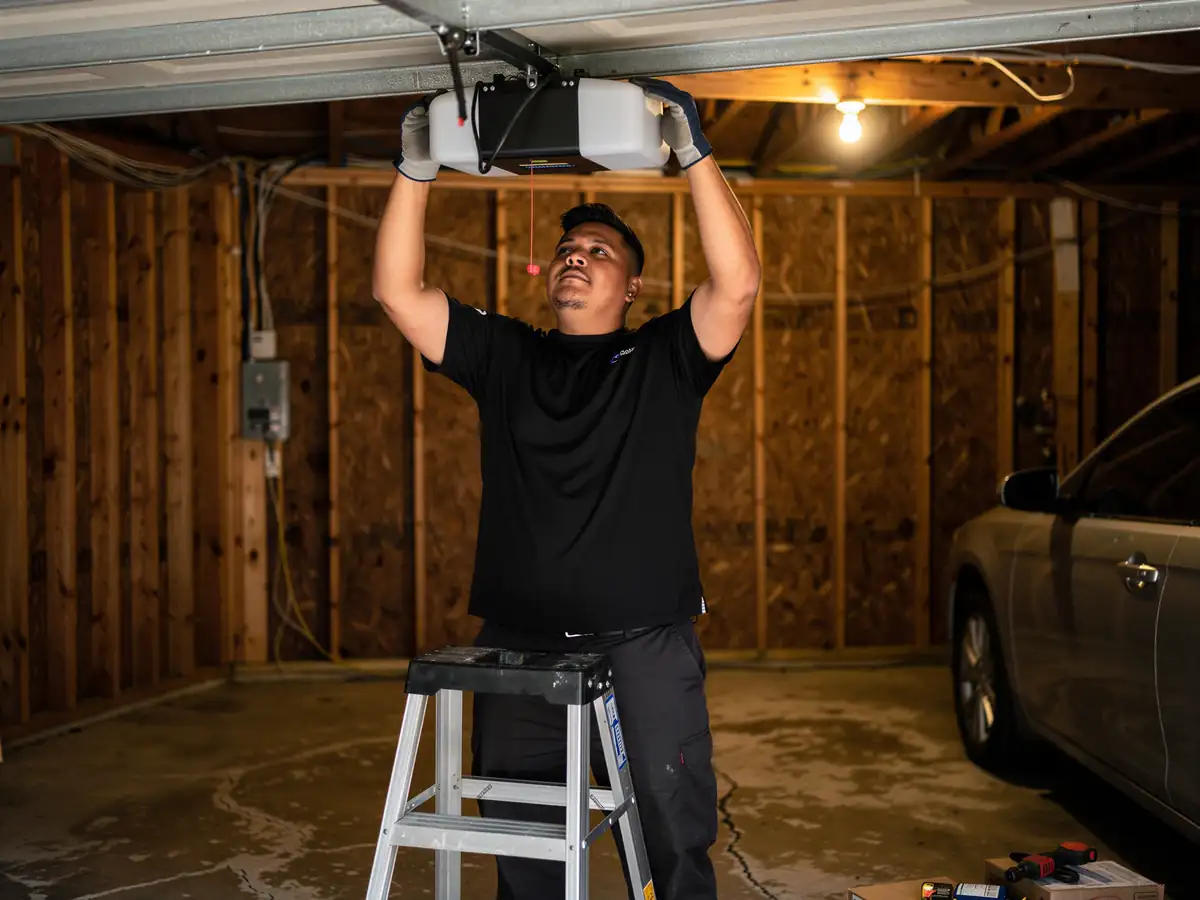
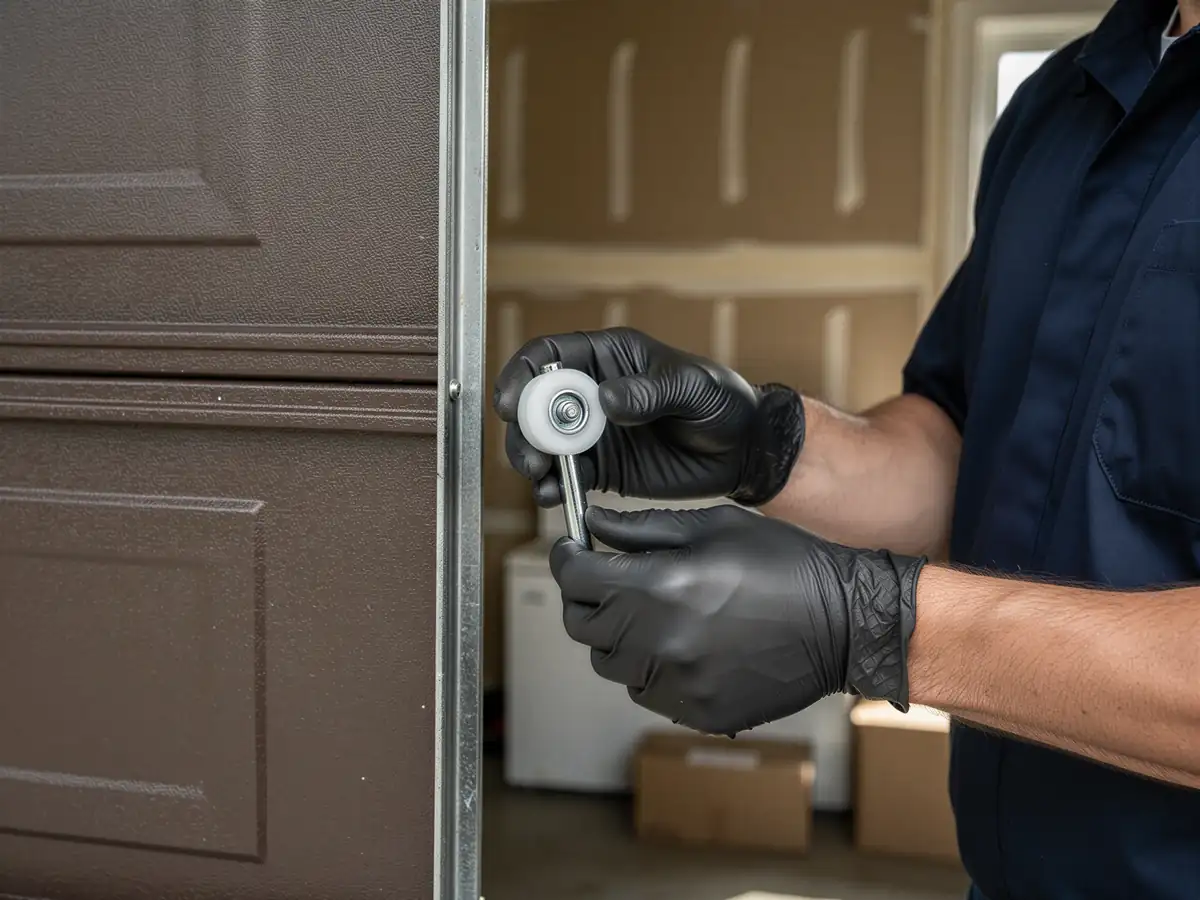
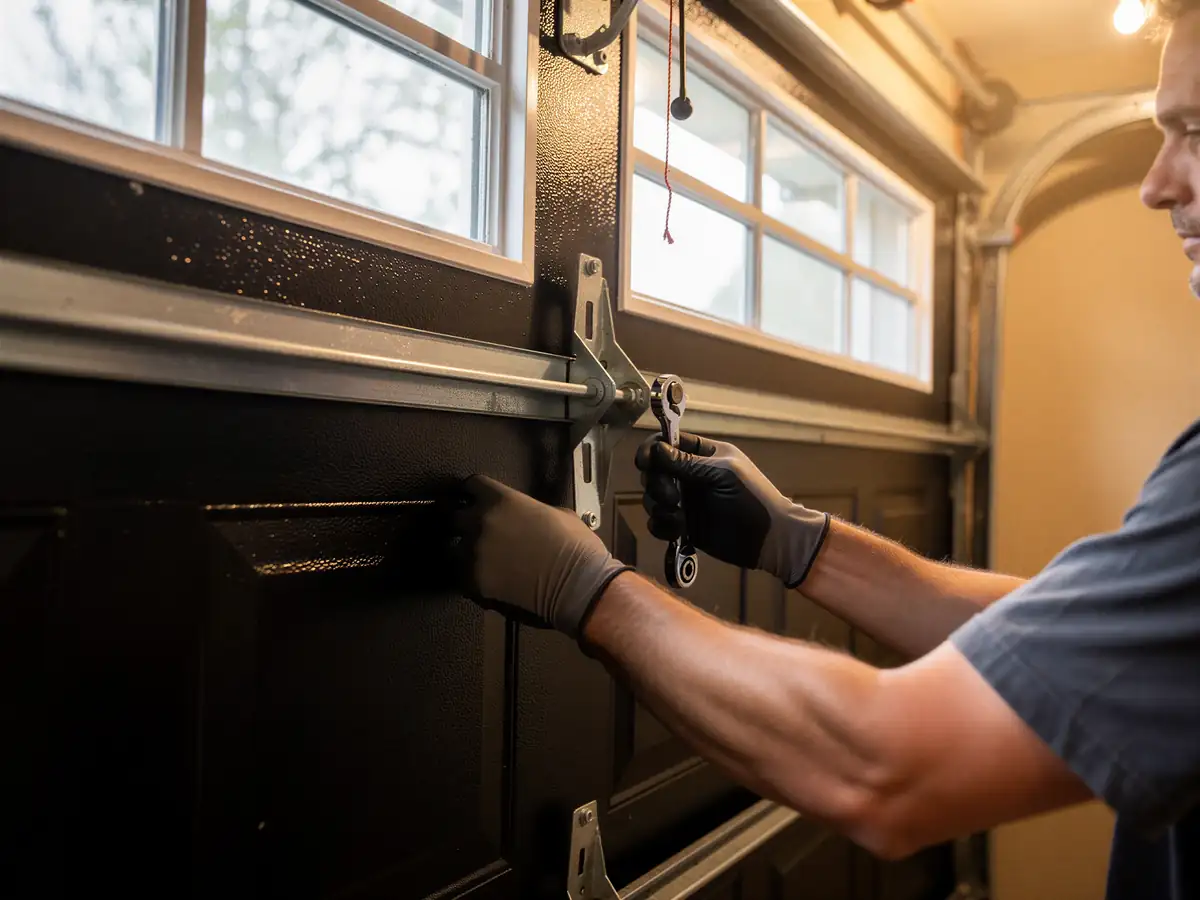
For a broken torsion spring, we replace it with hardware rated for the door's weight and cycle count, matched to the actual spring size rather than whatever's closest on the shelf. For off-track doors, we check the rollers, cables, and track alignment together, because on these older setups one worn roller is usually why the track bent in the first place - swapping the track alone without the roller just brings the problem back. Opener issues get diagnosed before we touch the motor; half the time what looks like an opener failure is actually a spring working too hard for the opener to lift against. Here's the honest limitation: some original hardware on the oldest doors in this area is no longer made, and sourcing an exact match can take longer than homeowners expect or isn't possible at all. In those cases we'll tell you straight whether a compatible replacement part makes sense or whether the door's reached the point where replacing the whole unit costs less, over time, than chasing discontinued parts for a 1960s door.