How Local Conditions Play In
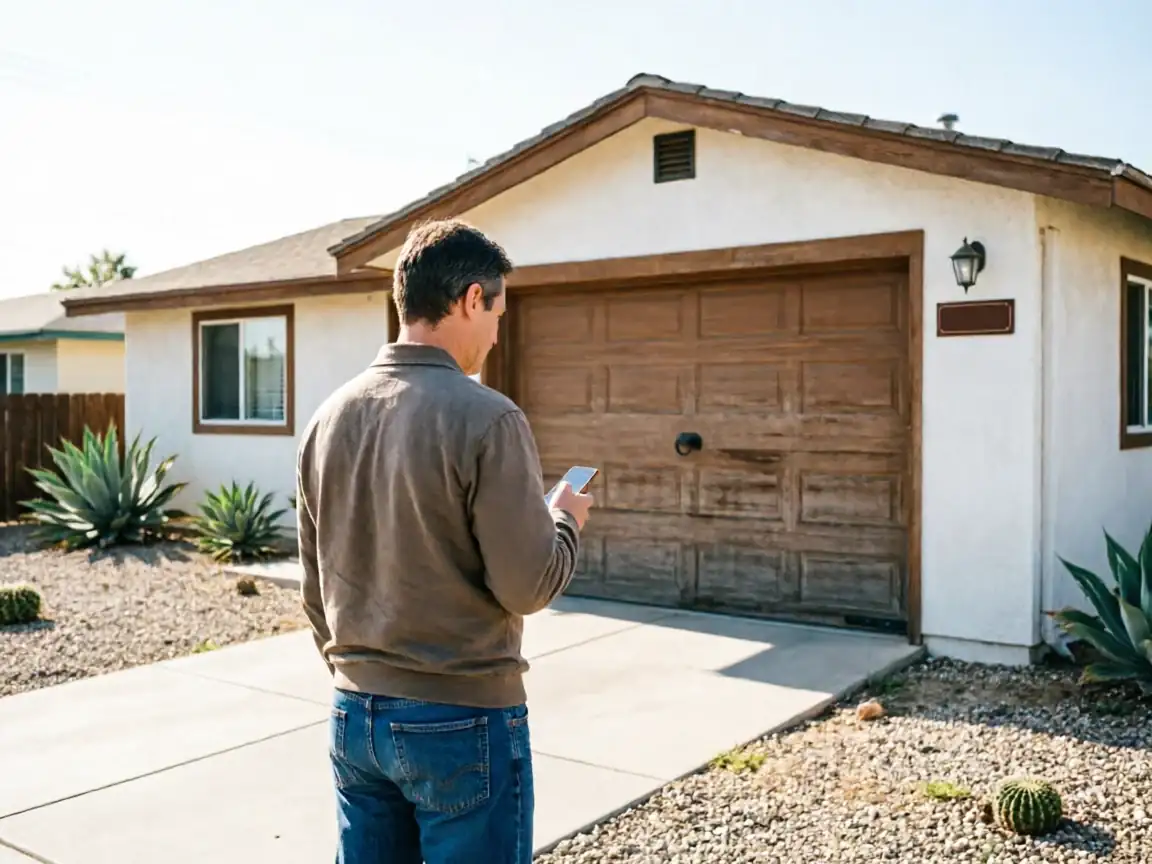
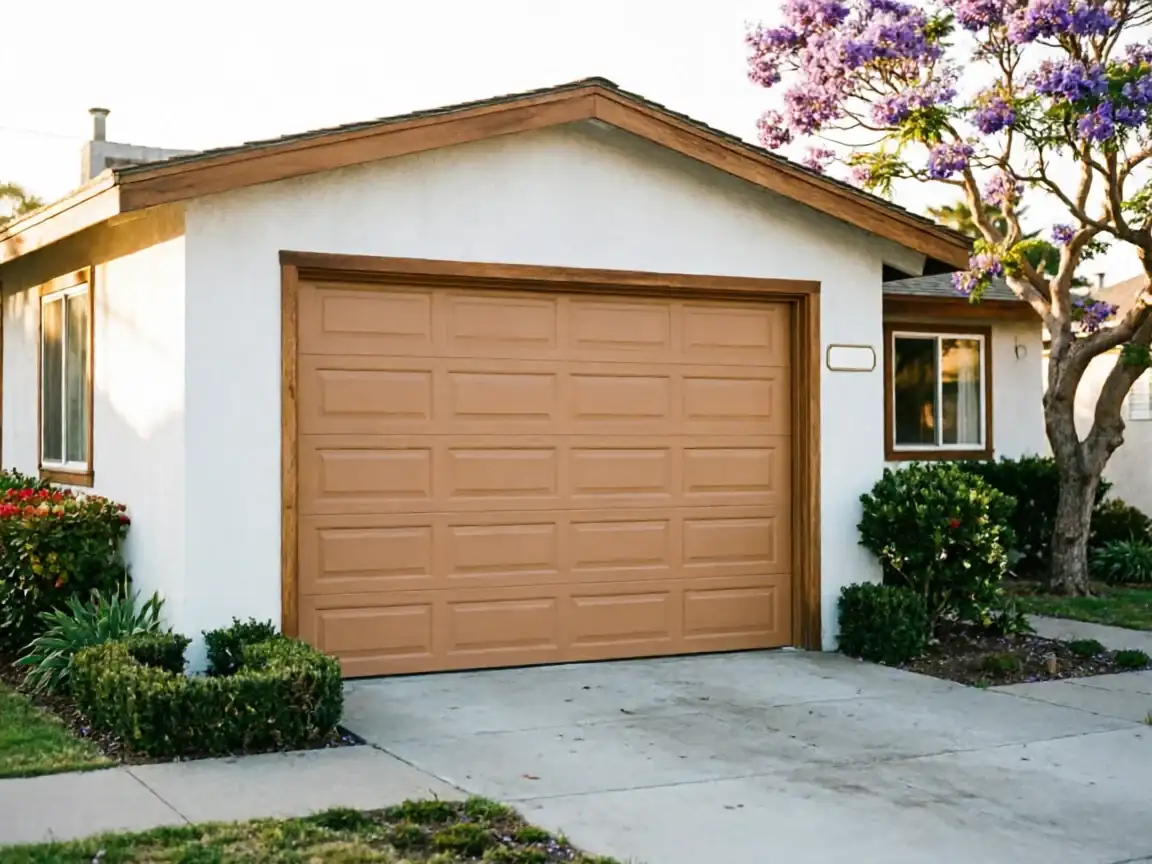
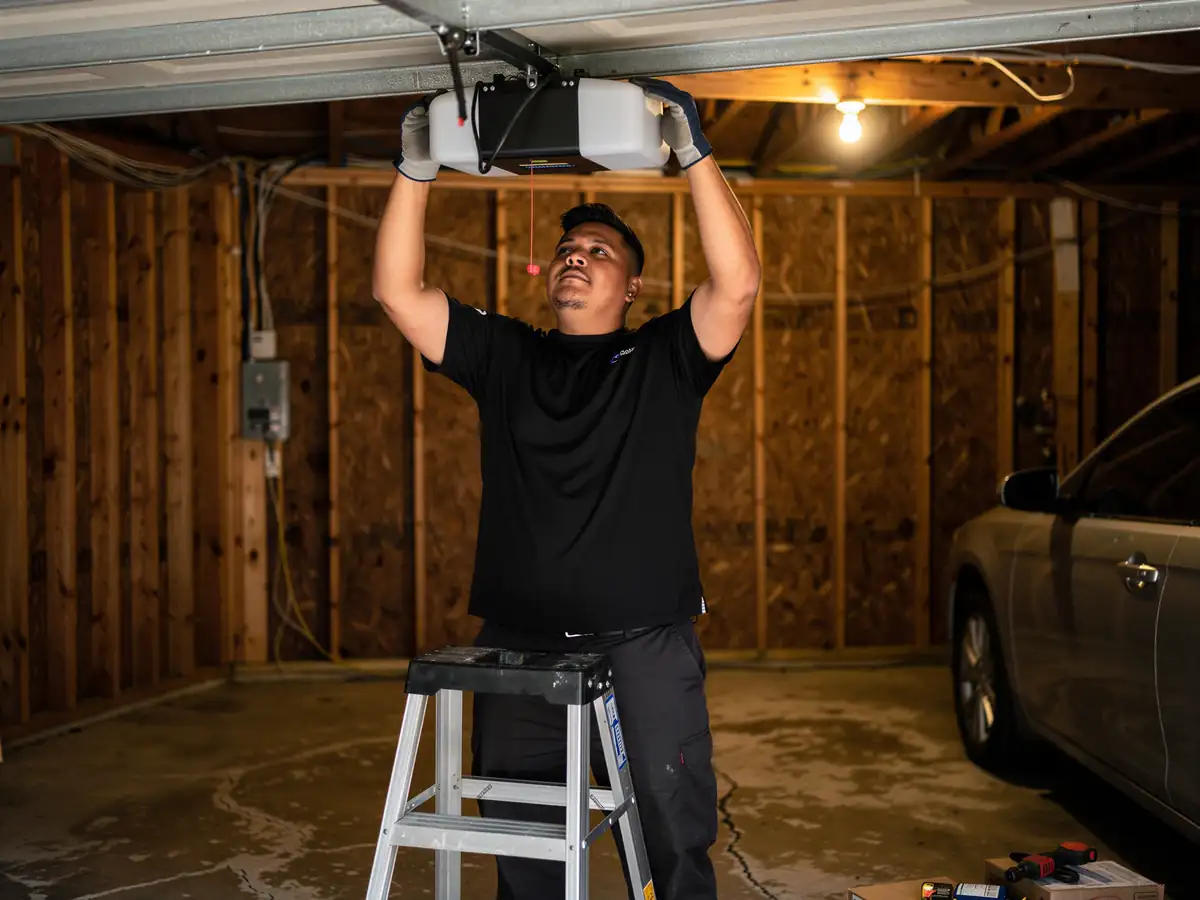
Most of the housing stock in this service area went up between 1947 and 2012, with a median build year of 1964, and the bulk of it falls into that 1960s-70s wave that covers all 58 named areas we work in. That matters for openers because a house from that era usually got its garage wiring as an afterthought - one outlet, one circuit, often shared with something else in the garage like a freezer or a shop light. When the power cuts, it's rarely the opener itself failing; it's that shared circuit tripping, or a breaker panel from the same build year finally giving out under a modern load it was never sized for.
The mild temperate climate here works in your favor on one point: we don't get the heat swings that cook circuit boards in hotter inland climates, and we don't get hard freezes that crack housings or stiffen grease. So when an opener in Long Beach drops dead, heat or cold damage to the electronics is low on the list of likely causes. That's a narrower, more useful starting point than most general opener advice gives you.
The Problem
A power cut doesn't just stop the opener
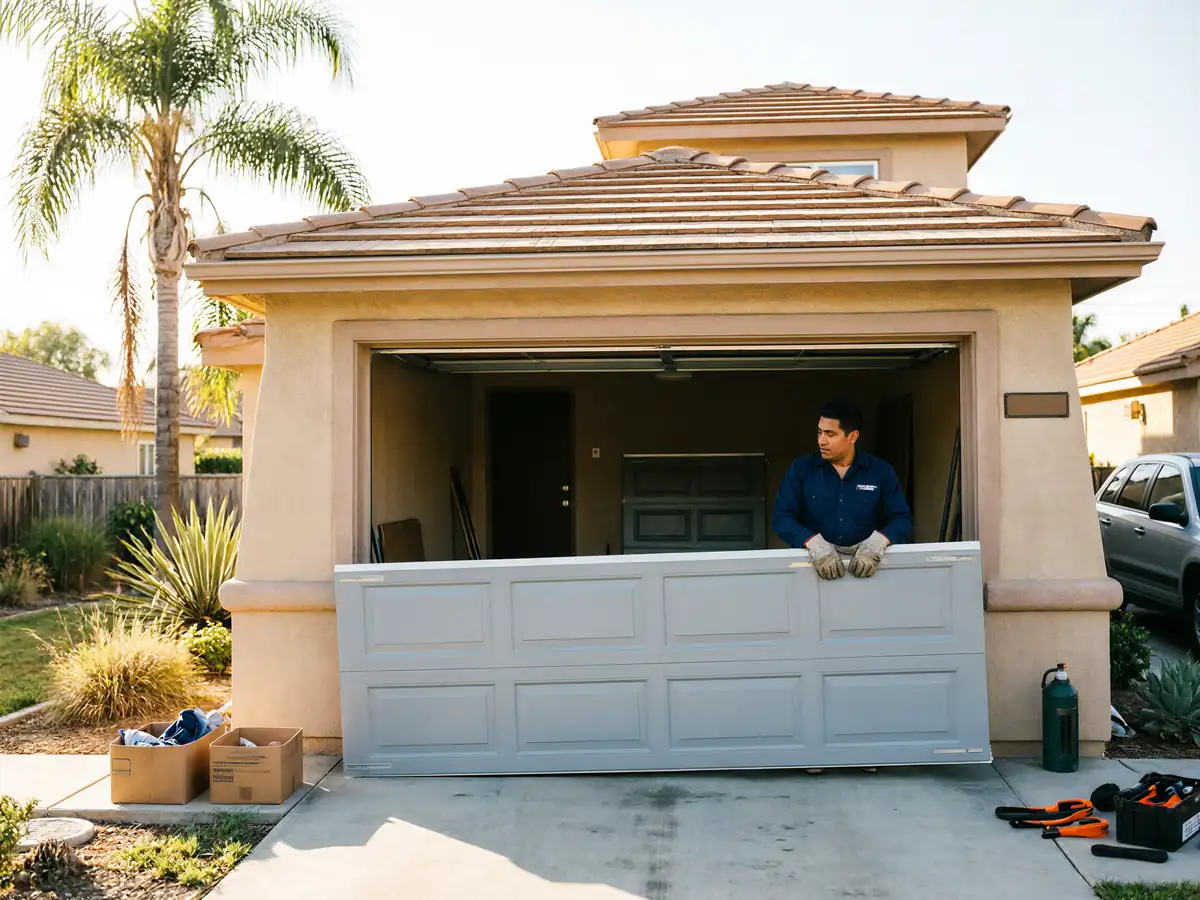
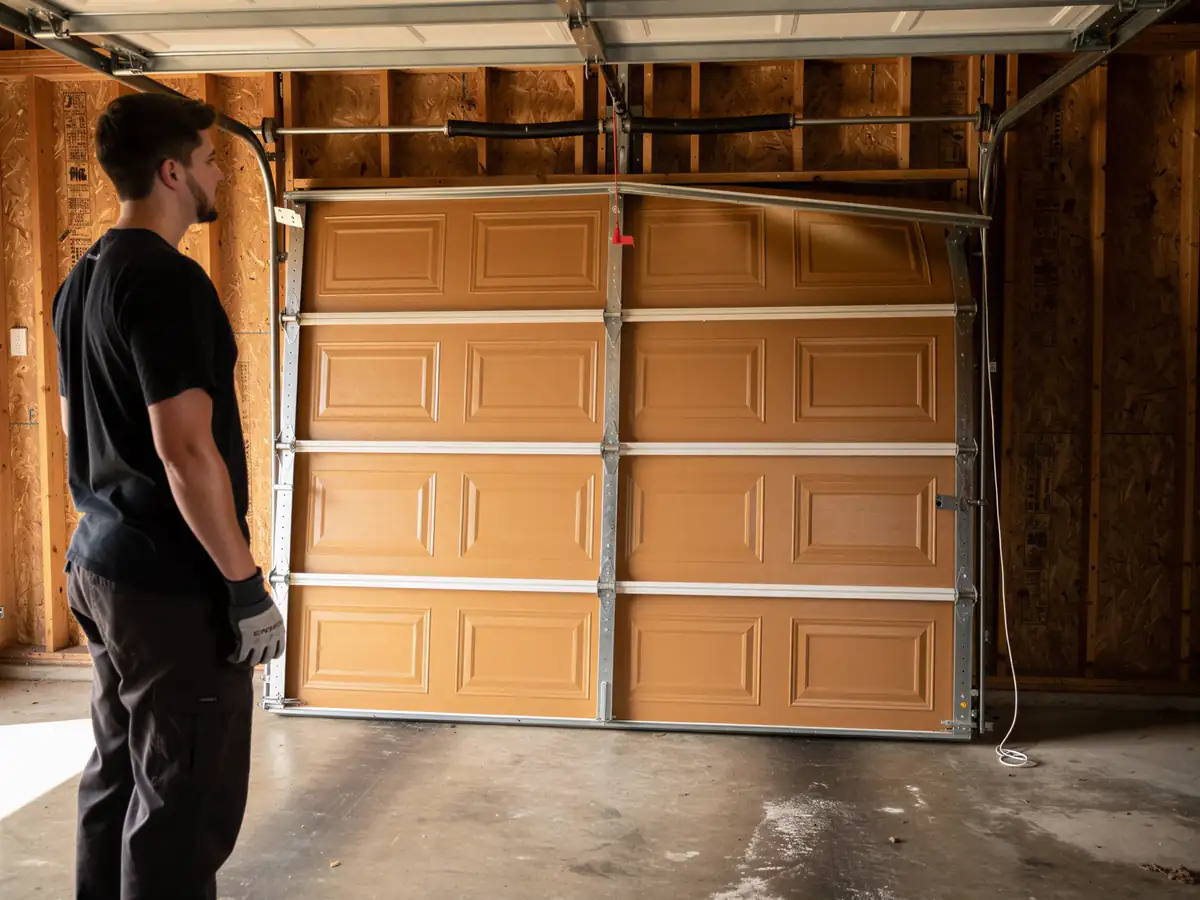
It locks the door exactly where it was when the lights went out. If that's halfway up, you've got a security gap and a door that won't move on the motor. If it's down, you're stuck until power returns or you find the manual release.
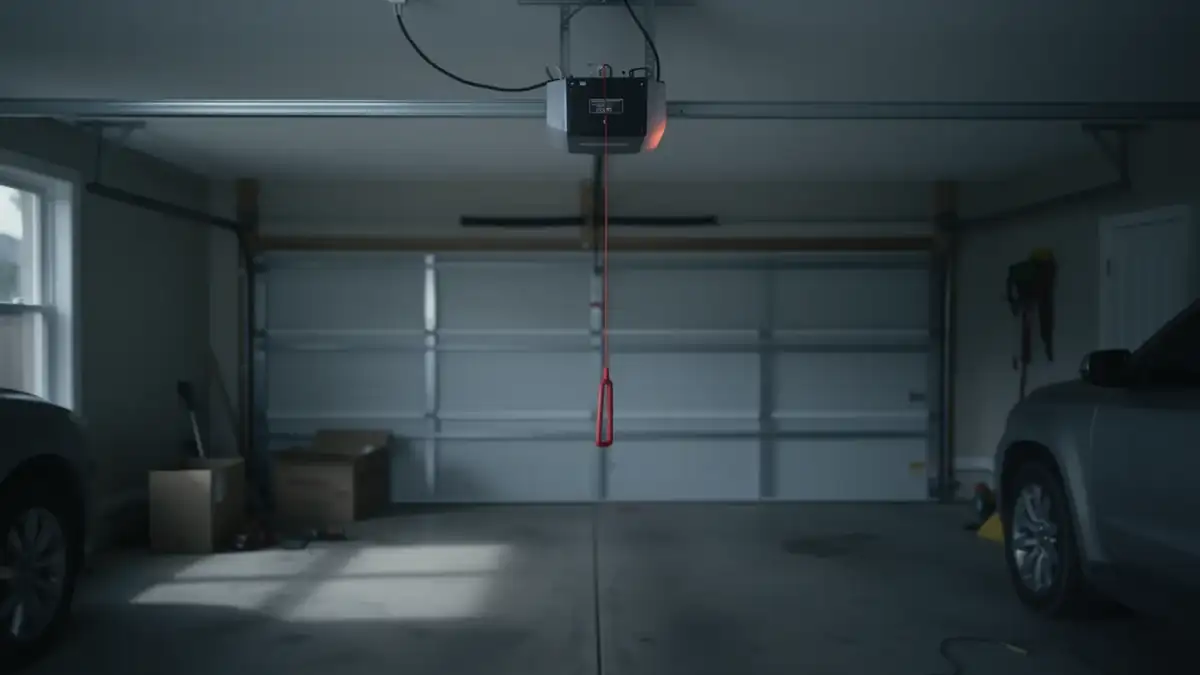
In houses built in the 1960s and 70s, that manual release cord is often the same one installed decades ago
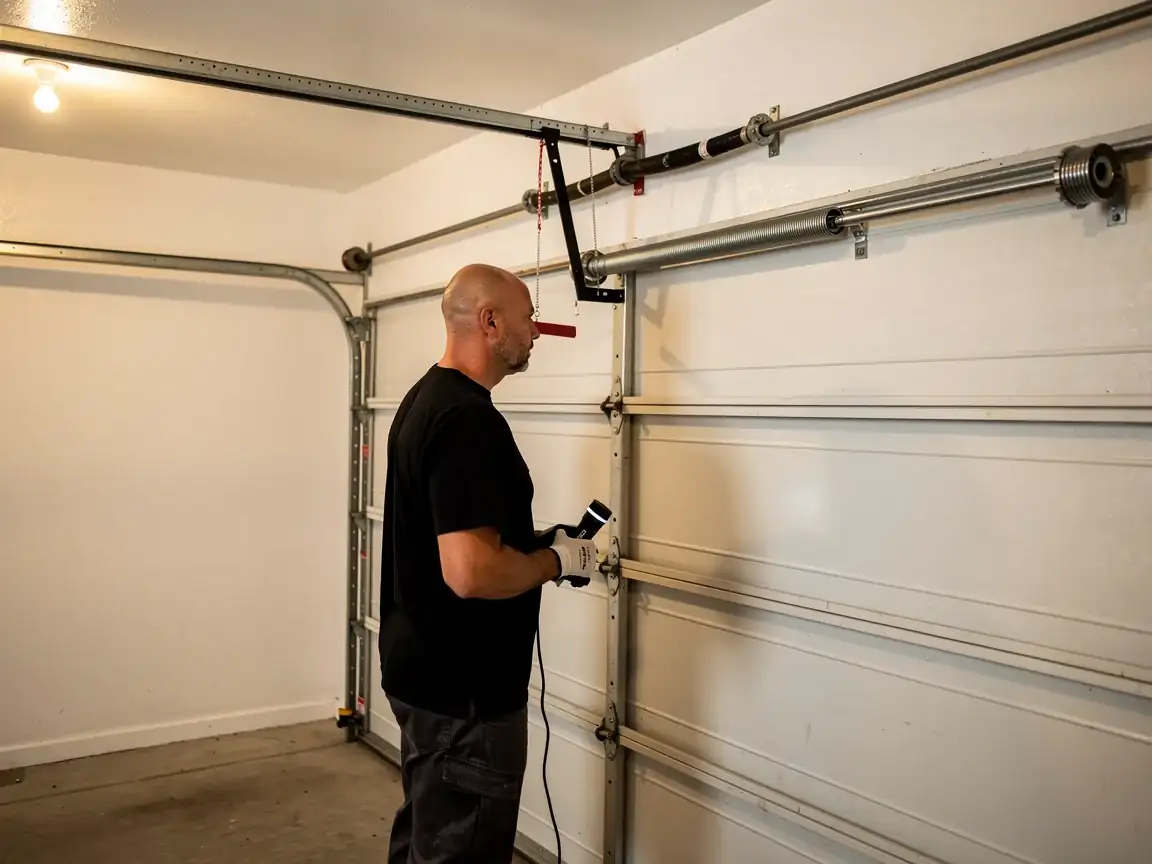
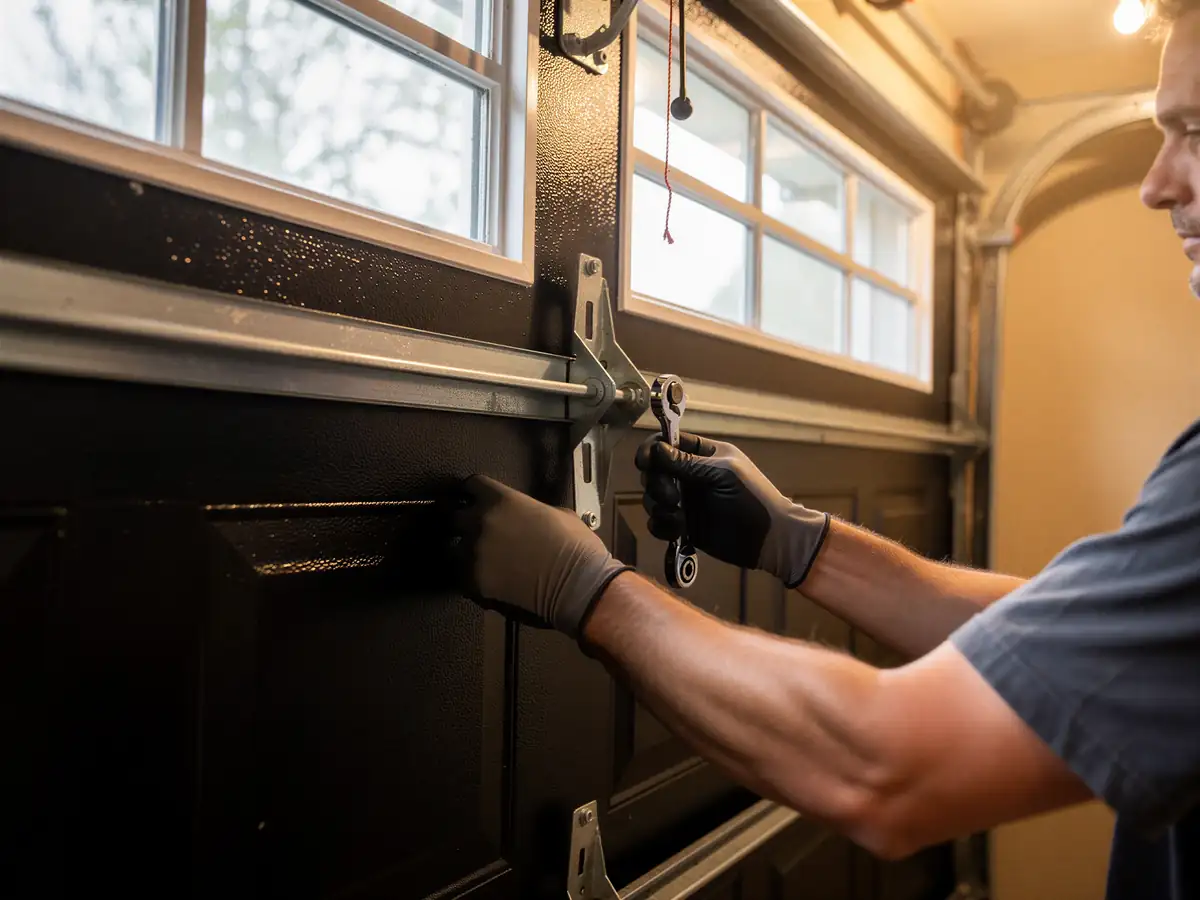
And it's common for owners to have never pulled it. The cord frays, the pulley seizes, or someone's hung a rake on it and forgotten it's load-bearing. On the original torsion hardware still found in a lot of this housing stock, disengaging the opener without understanding spring tension can let the door drop hard and fast - that's a real injury risk, not a theoretical one.
The other half of the problem is diagnosis
Homeowners assume the opener is broken when the actual fault is upstream: a tripped breaker, a dead outlet, or wiring original to a 1960s build that's finally failed after fifty-plus years of service.
When to Get Help
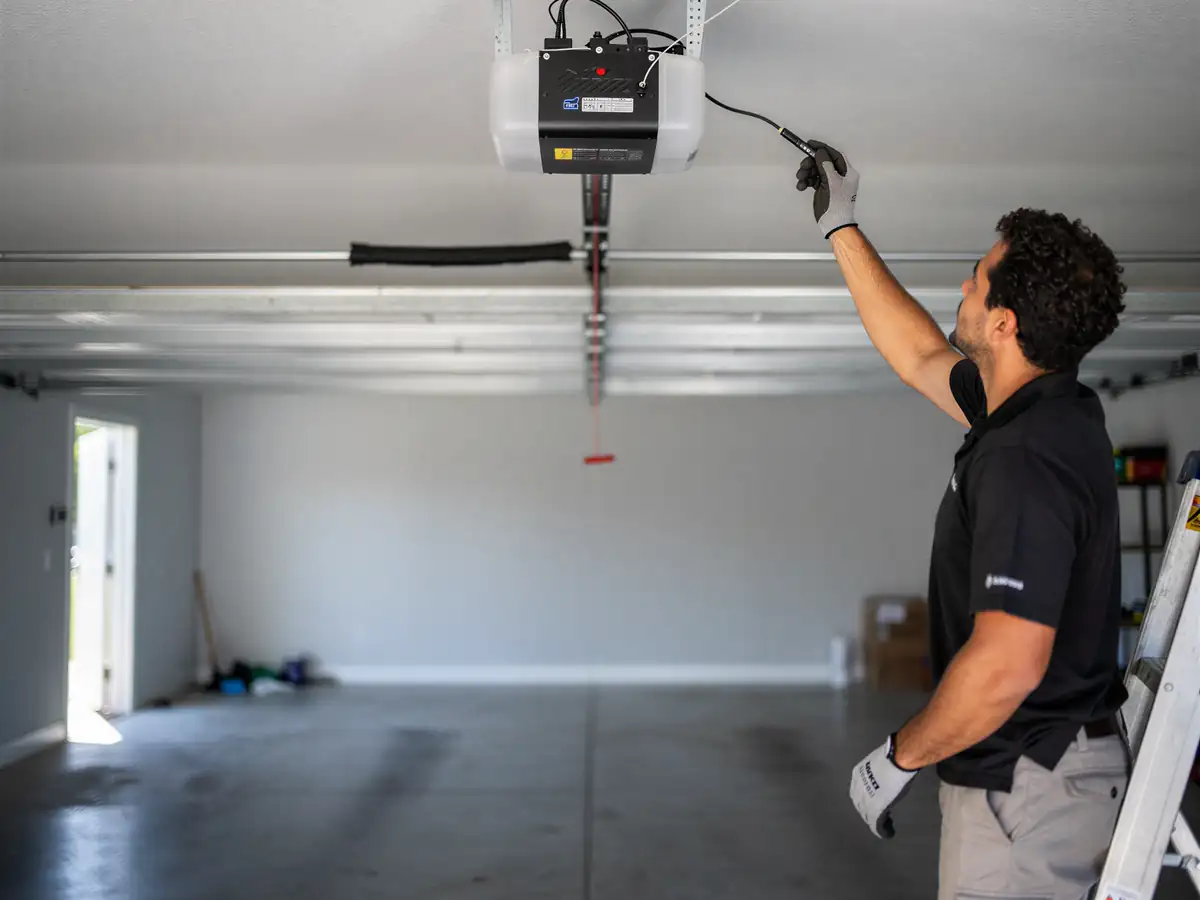
Call before you force anything. If the door won't respond to the wall button or the remote and the house otherwise has power, check the breaker first - that's a five-minute homeowner job. If the breaker's fine and the opener still won't fire, that's an opener problem, not a door problem, and it's worth a call.
If you've already pulled the manual release and the door won't move smoothly by hand, or it drops instead of lifting easily, stop. That's spring tension, not opener failure, and it's not a DIY fix regardless of how the house lost power in the first place.
Given that median household income across the owner-occupied homes in this area runs around $85,247, most owners here choose a straight opener swap over trying to chase down a decades-old wiring fault themselves - it's usually the faster and cheaper path once you count the hours spent guessing.
What Most People Get Wrong
The biggest mistake is assuming a battery backup fixes the underlying issue. A backup gets the door open during an outage; it does nothing for the breaker or the original wiring that caused the cut in the first place, and we still see both fail together in the same visit.
The second mistake is ignoring the manual release until the day it's needed, then yanking on hardware that hasn't moved in years. On a house from the 1960s-70s stock that makes up most of this area, that cord and pulley are often original equipment.
Here's the honest limit: we work on the door, the opener, and the release mechanism. We don't do household electrical work - if the fault traces back to the breaker panel or the wiring in the wall, that's a licensed electrician's job, and we'll tell you that straight instead of poking at something outside our lane.