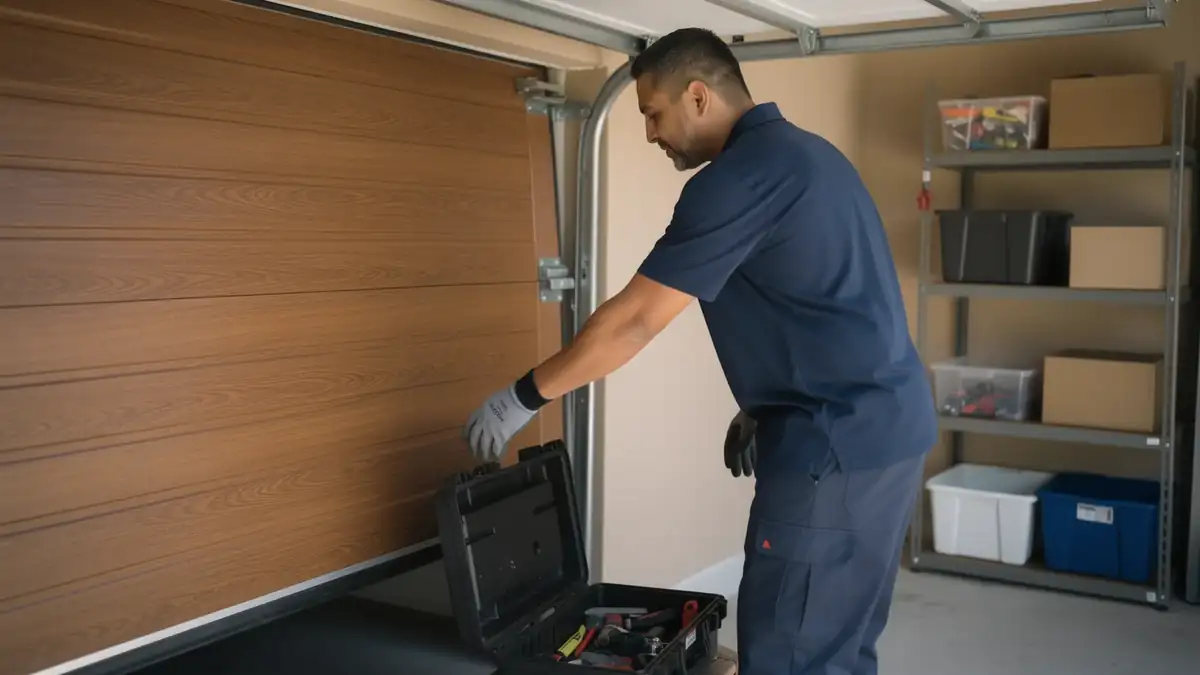
How Local Conditions Play In
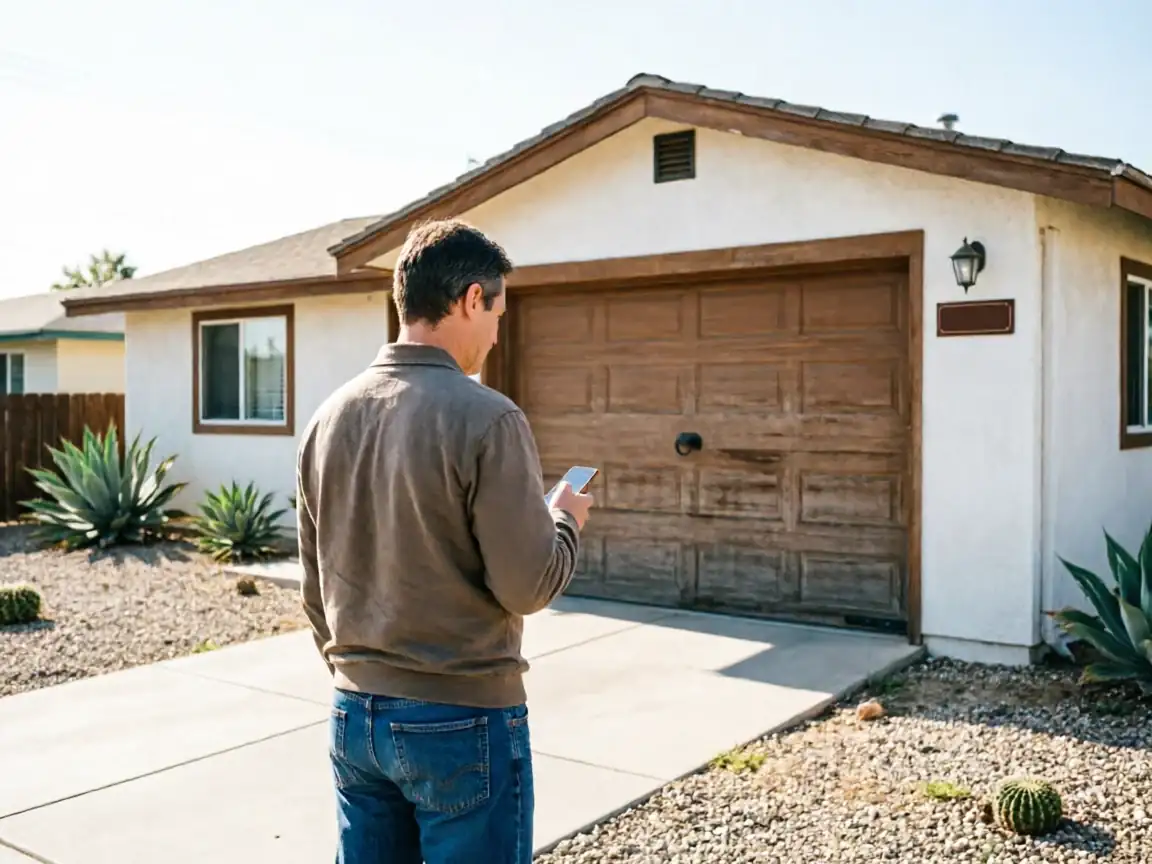
Long Beach sits in a mild temperate band, and that changes what a tech is actually looking for when the truck pulls up. We're not fighting the freeze-thaw cracking that splits concrete slabs or the humidity swings that rot wood jambs in other parts of the country. What we are fighting is UV and cycle fatigue - doors that open and close thousands of times a year under steady sun, with springs that wear out from use rather than rust.
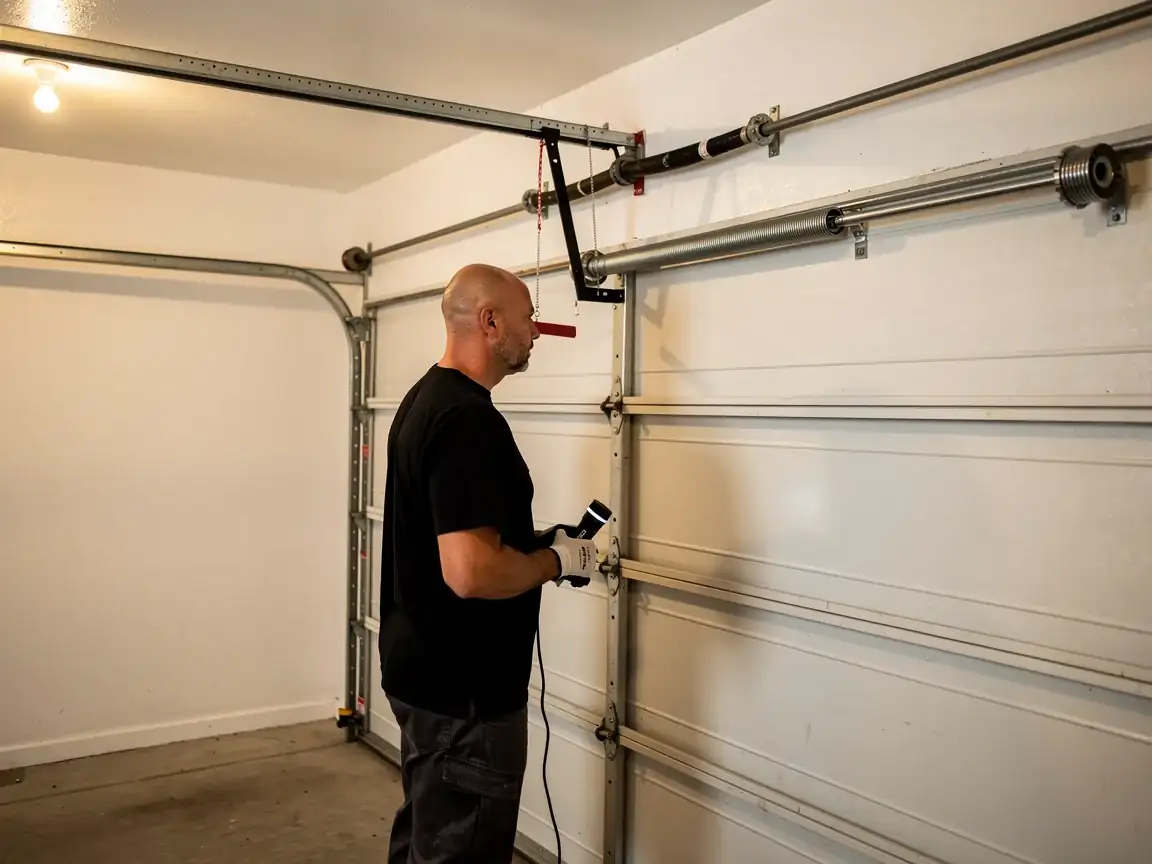
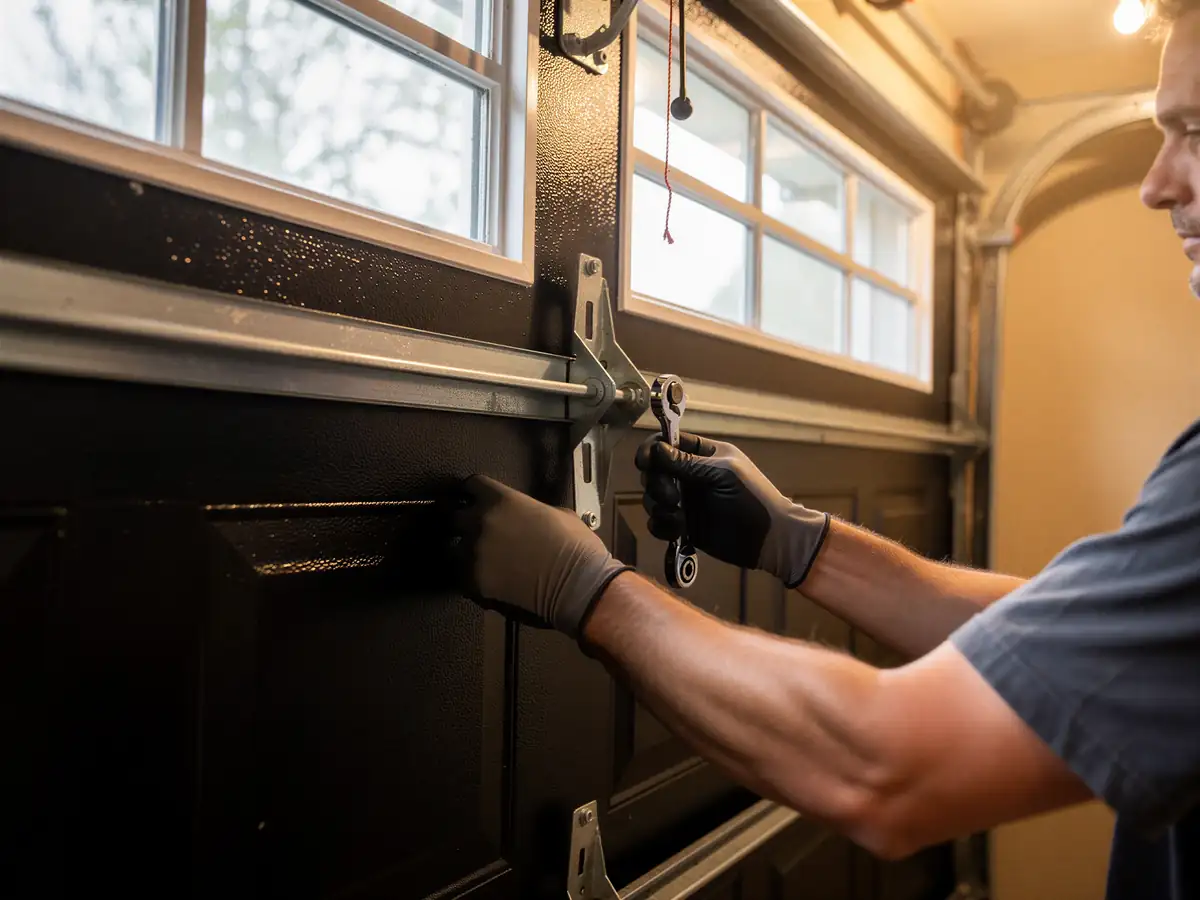
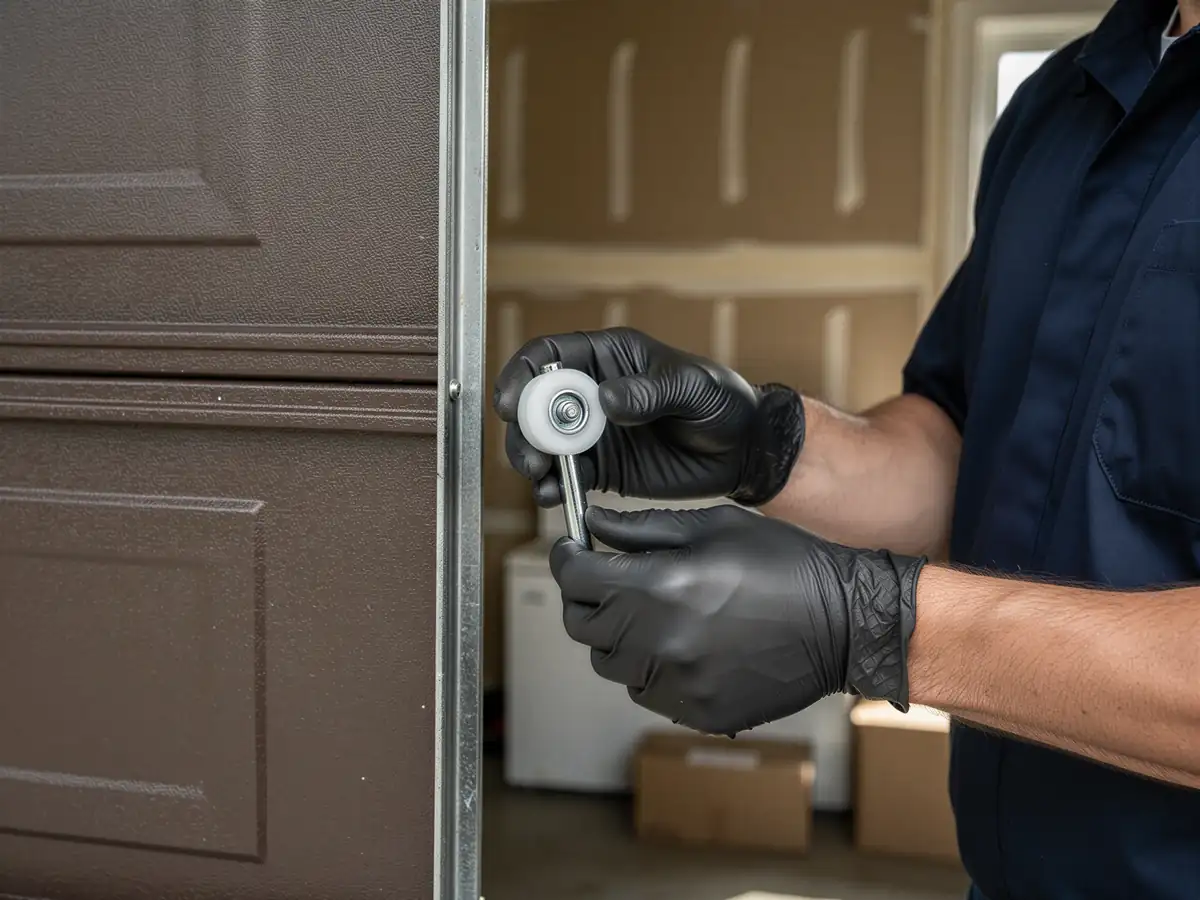
That matters for the call itself. A tech isn't scraping corrosion off a torsion bar or replacing a track bent by ice buildup. More often it's checking spring wind tension that's crept off over years of steady use, inspecting nylon rollers that have gone brittle from UV exposure sitting in a west-facing driveway, and looking at weatherstripping that's cracked from sun rather than split from cold. The mild climate doesn't mean less maintenance - it means a different list of things wear out first, and a good service call is built around that list, not a generic one.
The Problem
Housing in the service area was built between 1947 and 2012
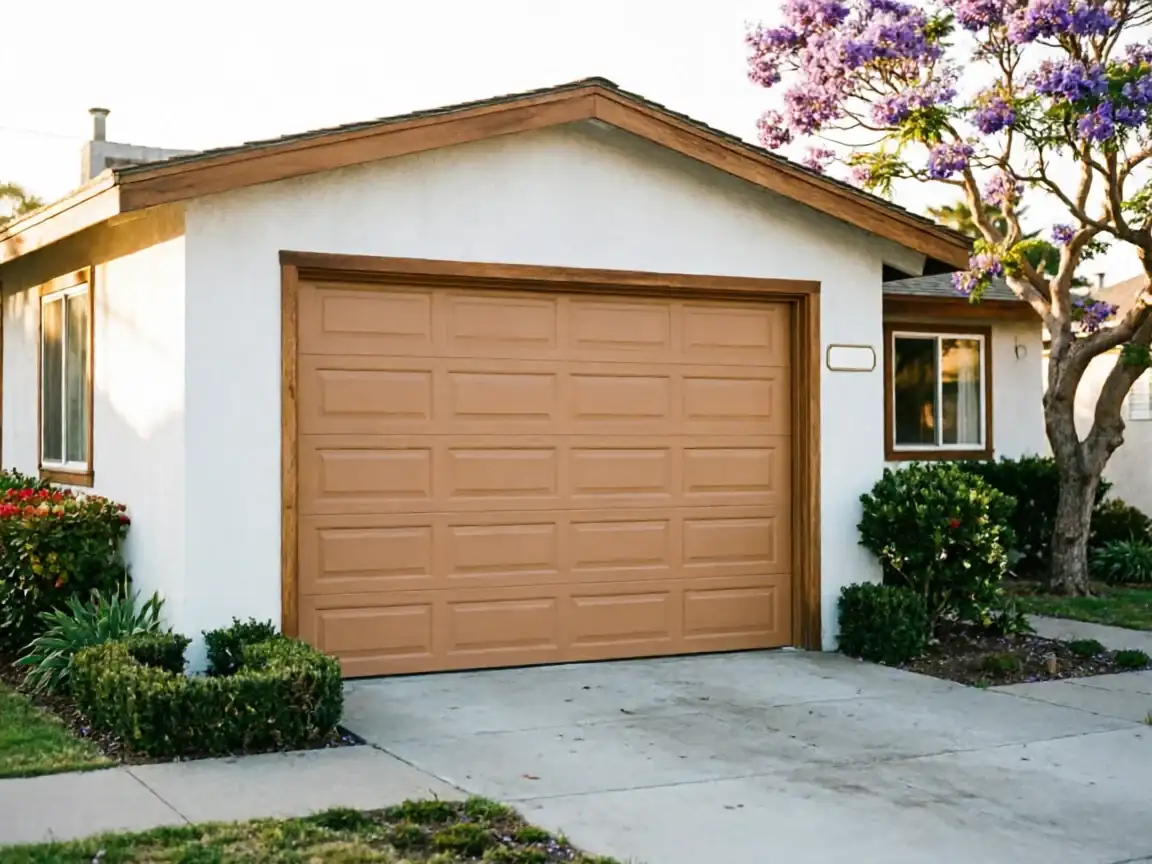
With the median landing around 1964, and the bulk of it dating to the 1960s and 70s. That's the frame a service call has to work inside. A house in built in that window usually has an opening sized and framed for a door that predates today's insulated steel sectional panels - sometimes a one-piece door still on its original side-mounted torsion hardware, sometimes a sectional door from a retrofit decades back that doesn't match current track spacing.
That means the actual work of a service call often starts with figuring out what's there before anything gets fixed
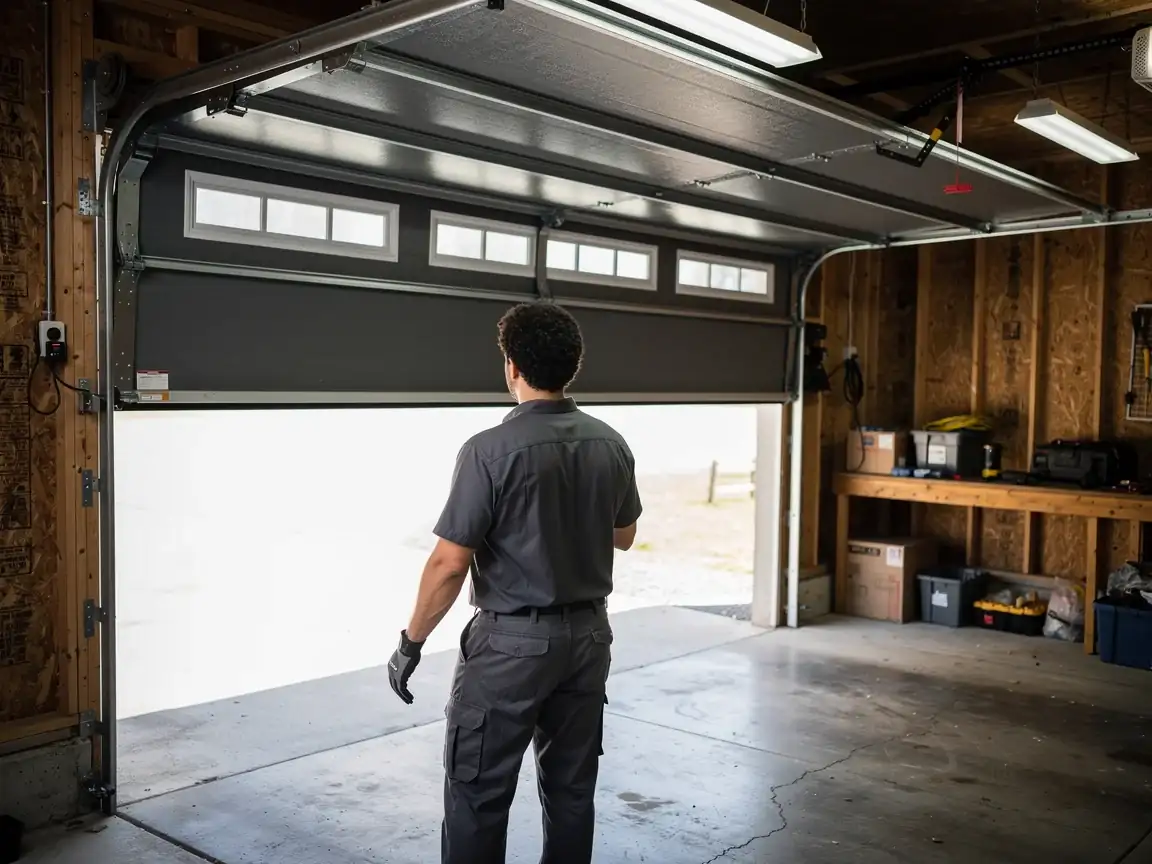
Parts made for a 1960s-era opening aren't on a shelf anywhere; a tech has to measure, compare to what's still manufactured, and tell you honestly whether a part can be sourced or whether the smart move is replacing the section or the whole door. Across the 257,603 owner-occupied houses in this service area, that's a conversation that comes up constantly - not because the work is exotic, but because the housing stock is old enough that original hardware and original openings don't always match what gets stocked today.
- 257,603 owner-occupied
When to Get Help
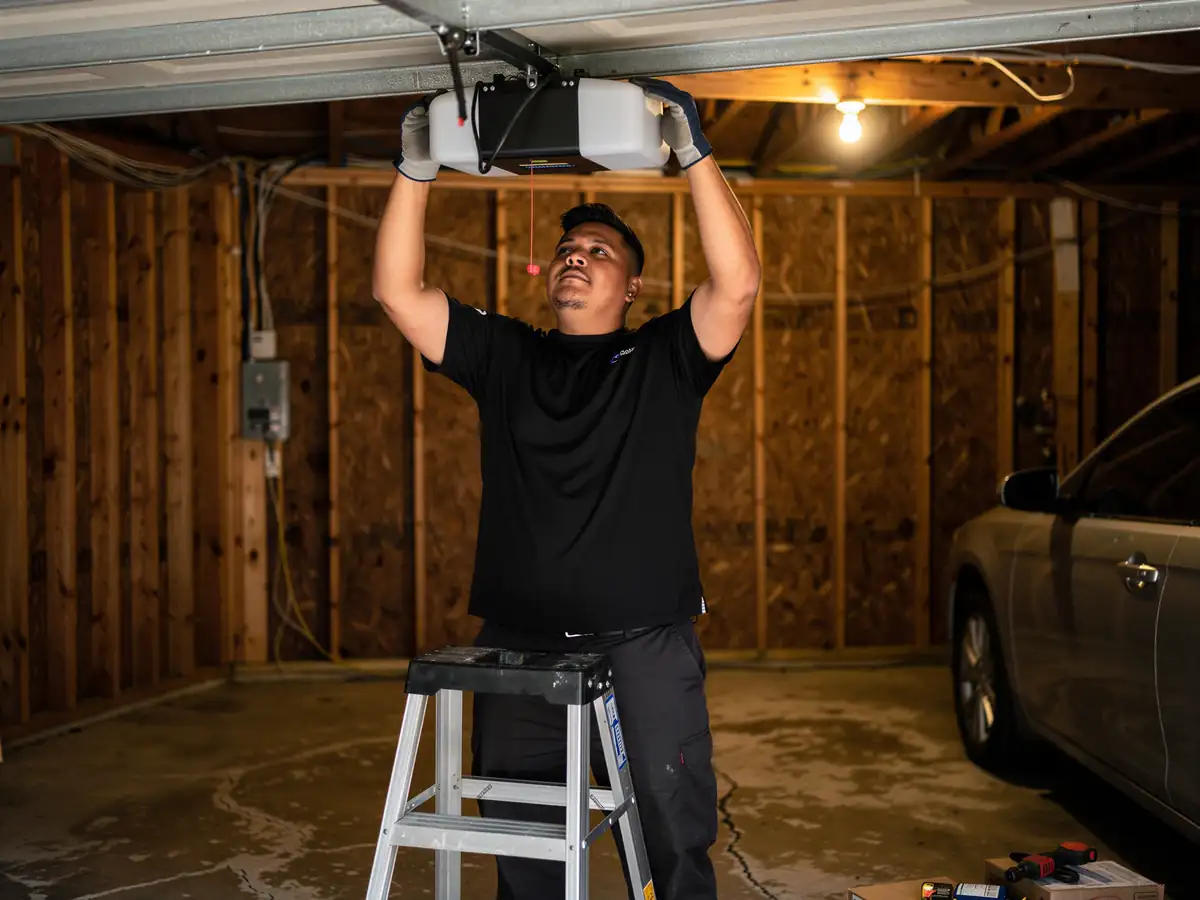
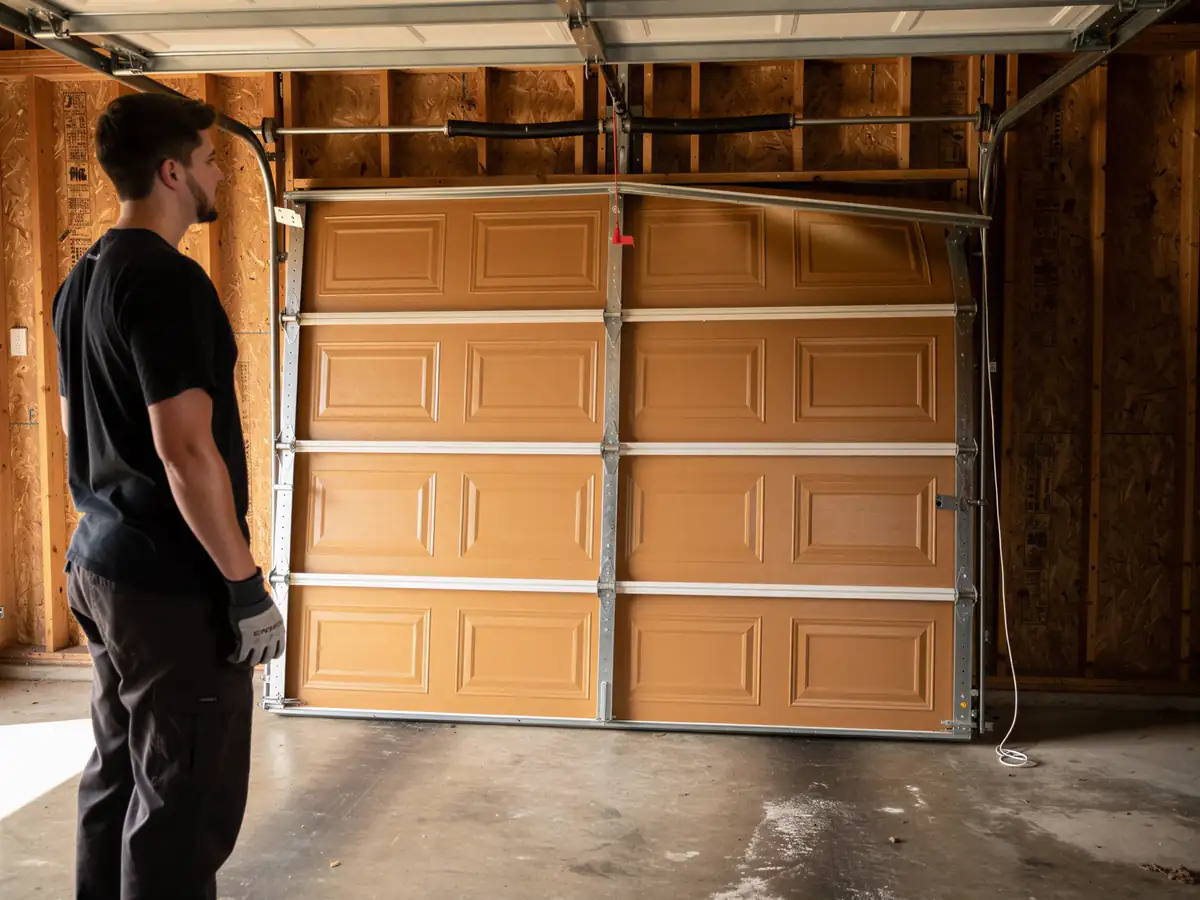
Call before the door stops working, not after. A spring that's lost tension will show it first as a door that feels heavier on manual lift, or an opener that strains and reverses partway up. Cables fraying at the drum, rollers that have gone hard and noisy, a track that's pulled slightly away from the jamb - these are all things a service call catches in minutes if you get someone out while the door still opens.
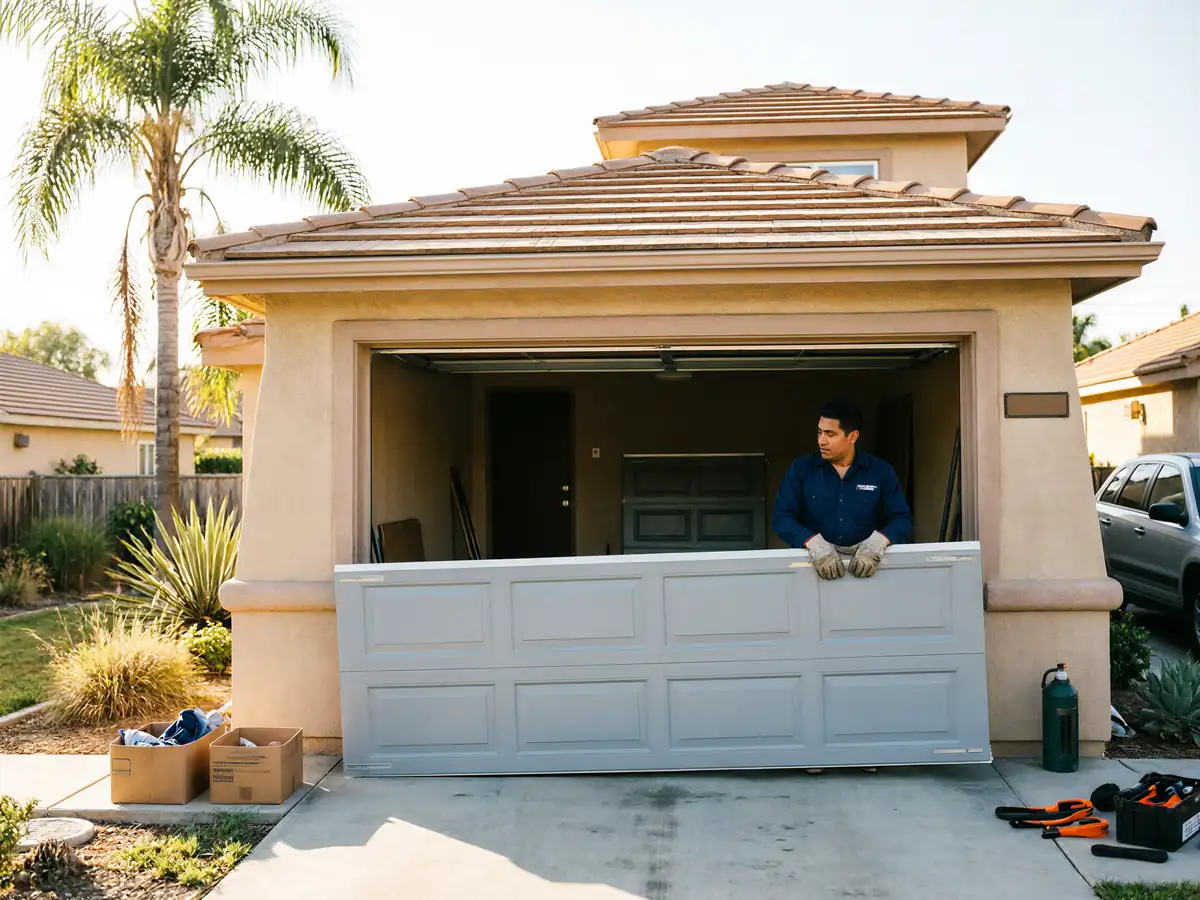
Get help right away, not as a maintenance item, if a cable has visibly frayed strands, if the door drops instead of lowering under control, or if a spring has audibly let go. Those aren't adjustment jobs - they're safety calls, and a door under spring tension that fails wrong can hurt someone standing nearby. If your opener or springs are original to a house built in that 1947-2012 window and you've never had them serviced, that alone is reason enough to have someone look before you need an emergency call instead of a scheduled one.
What Most People Get Wrong
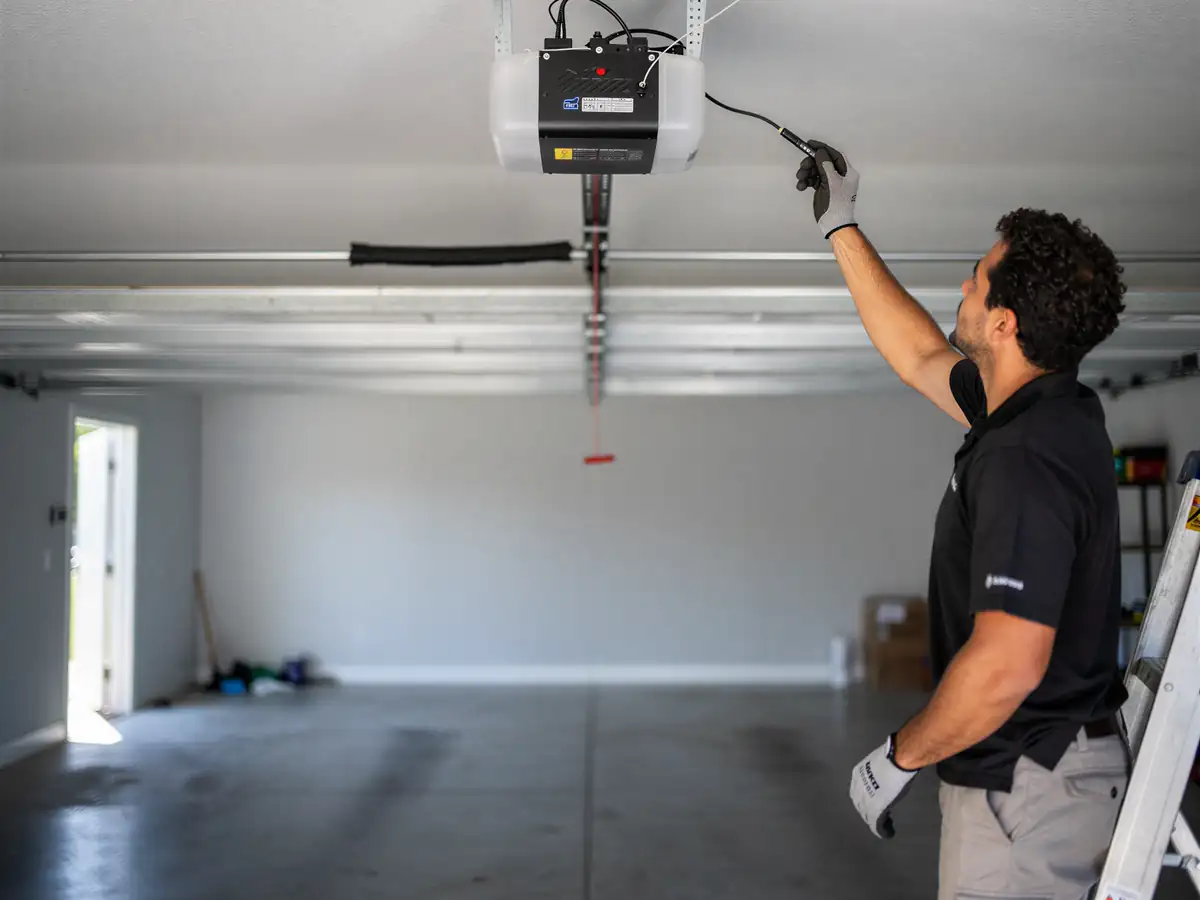
The biggest misread we see is assuming a door problem is an opener problem. Most of the time the opener motor is fine - it's straining because the spring balance is off, and no amount of opener adjustment fixes a spring problem. Replacing or reprogramming the opener first, then calling about the door, usually means paying twice.
The second common mistake is assuming lubrication doesn't matter here because it doesn't rain much. Mild and dry doesn't mean dust-free - tracks and rollers in this climate collect grit that a wetter climate would wash off, and dry grit grinds just as hard as rust does. A yearly lube and visual check catches most of what turns into an emergency call later.
Here's the honest limit: we don't carry obsolete parts for every door from the 1960s and 70s on the truck. If your hardware is old enough that the manufacturer stopped making it, a service call may end with a quote for replacement rather than a repair, because there's nothing left to order. That's not us upselling - it's the real state of parts supply for doors that age.