Serving Long Beach, CA & nearby
(562) 581-7908
Long Beach, CA

The First Things a Technician Checks on a Long Beach Door

A Long Beach technician's first checks start with the house: original 1960s-70s doors, a 1964 median build year, and mild climate that changes wear patterns.

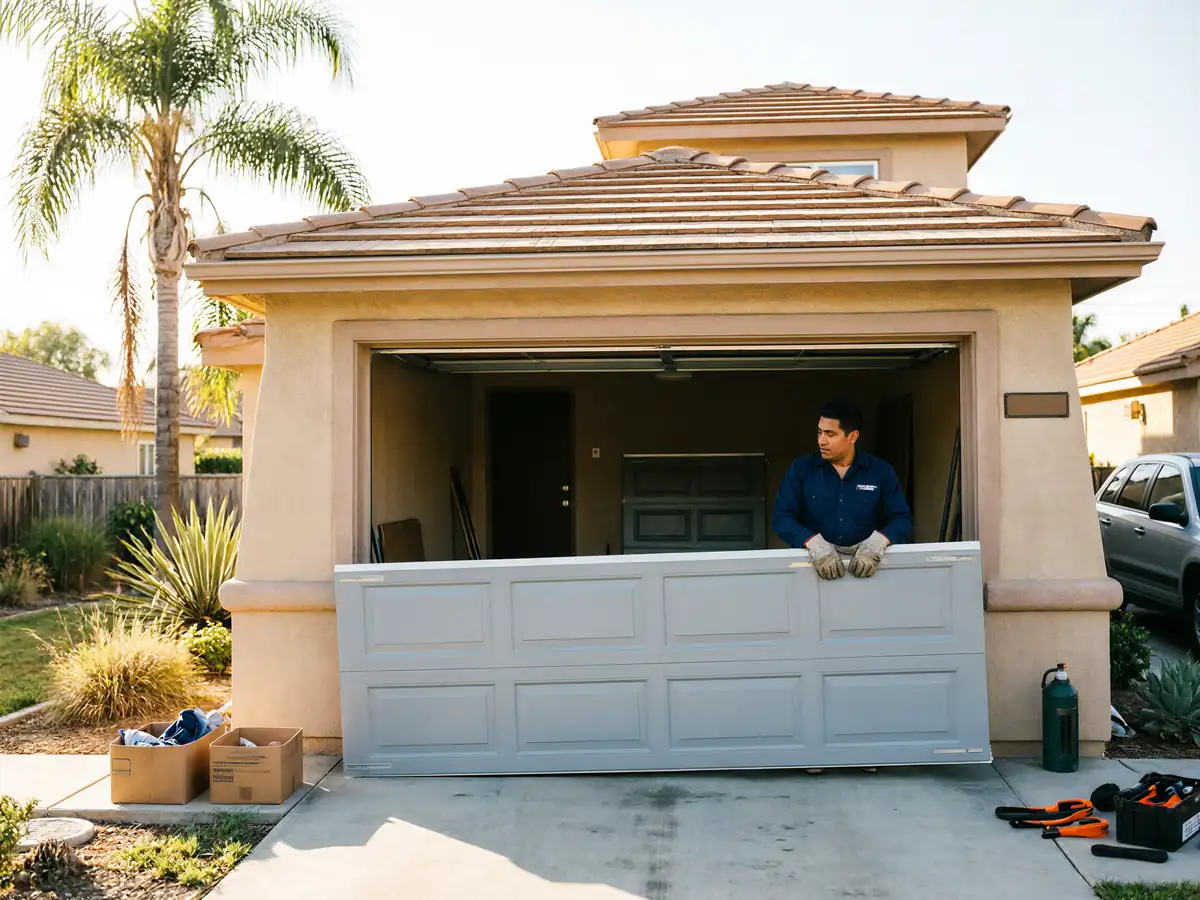
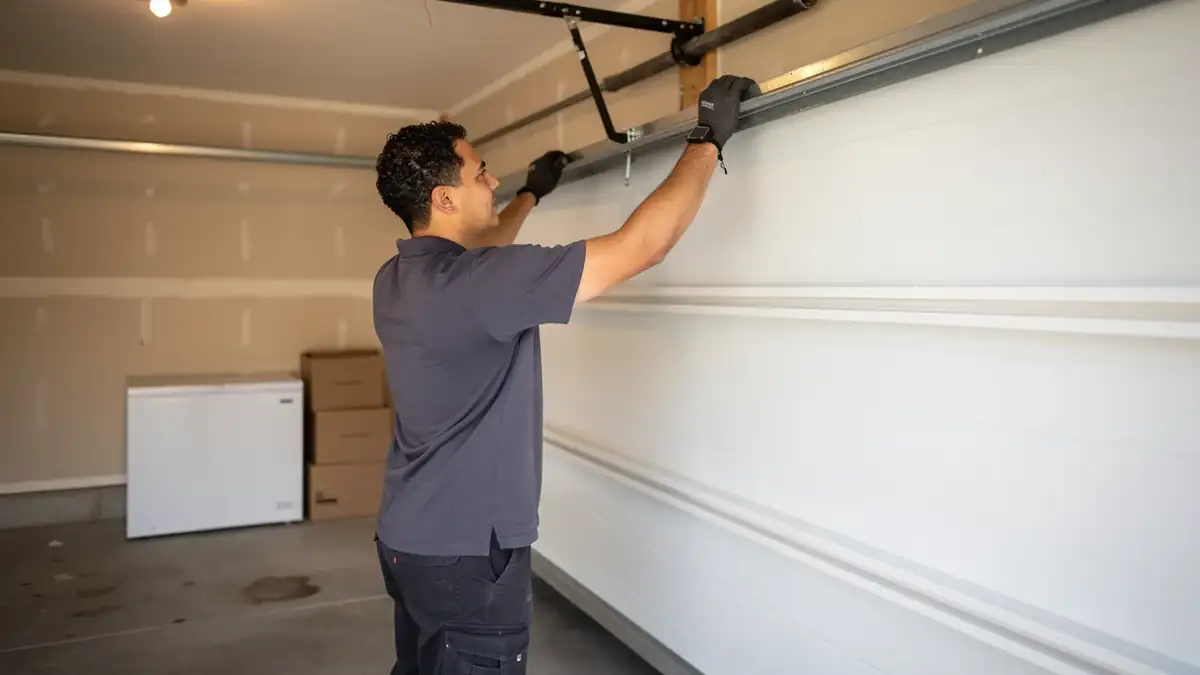
A technician in a gray shirt is adjusting the top panel of a white garage door.

How Local Conditions Play In

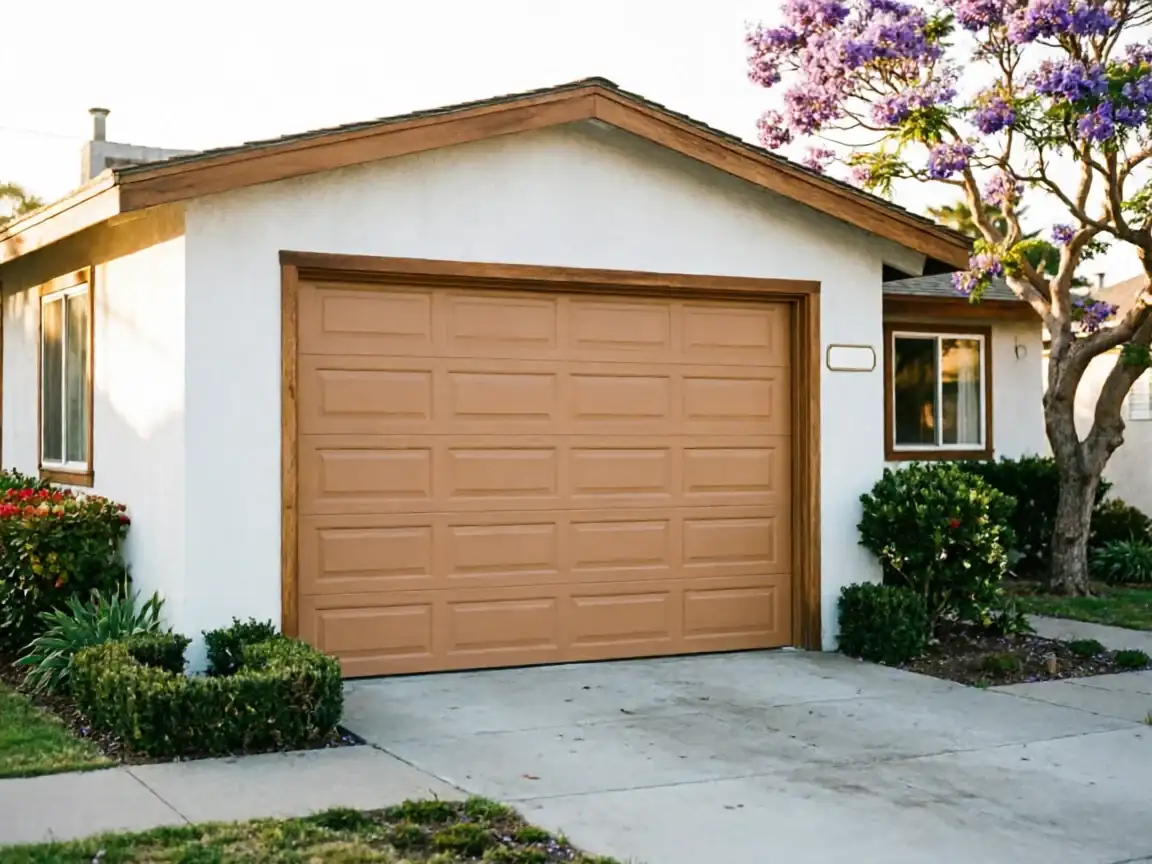
Before a tech touches a spring or a bolt, they're reading the house. Across this service area housing went up between 1947 and 2012, with a median build year of 1964, and most of the stock near and Bixby Knolns is straight 1960s-70s tract construction. That matters because a door is almost never newer than the garage it hangs. A tech walking into a house near the knows there's a decent chance the torsion hardware, the track brackets, even the panel gauge, date back to that original build, not a later remodel. Long Beach also sits in a mild temperate climate band, which changes what actually fails. There's no deep freeze-thaw cycle here snapping seals or warping track the way it does in colder regions, so when a tech finds a cracked weatherstrip or a pitted spring coil on a house this old, it's wear from thirty-plus years of cycles, not frost damage. That's the first mental sort a tech makes: how old is this door relative to the house, and what kind of stress has it actually been under, given a climate that doesn't swing hard.

The Problem

On a house with a 1964-era build date, the most common thing a tech finds first is original torsion spring hardware that's never been replaced, paired with steel rollers that have gone from a smooth roll to a grind. Houses in this age bracket, which covers most of the named areas in this market, often still run single-layer steel panels without insulation, hung on track that was sized for a lighter door than anything sold today. When an opener gets added later, which happens often on houses this old, it's frequently bolted onto hardware never designed to carry motorized cycling, and that mismatch shows up as strain on the top panel or a bent track near the header. A tech checks the spring first because it's the part most likely to be original, then the rollers, because thirty-plus years of cycles wears the bearing surface down even in a mild climate where rust isn't the main enemy. None of this is dramatic. It's just a door that's been doing its job since the Johnson years and is finally asking for attention.

When to Get Help

Call before the door fails all the way, not after. A spring that's starting to make a flat clunking sound on the way up is cheaper to replace on a schedule than at 7am when it snaps and the door won't move at all. Same with a track that's visibly bowed, or a panel that's developed a soft spot you can push in with a thumb. If the door drops faster than it used to, or the opener strains and reverses partway through a close, that's a spring losing tension, not an opener problem, even though the opener gets blamed first. A door that's noticeably heavier to lift by hand than it used to be is telling you the spring is already past the point where it should be trusted. None of these symptoms require guessing. A tech can look at the spring coil, the cable condition, and the roller wear in a few minutes and tell you whether you're looking at a repair this week or a slow slide toward a cable snap that takes the door down.

What Most People Get Wrong

The biggest mistake is assuming a repair is always cheaper than replacement, which isn't true once a door is old enough. On houses built around that 1964 median, some of the original track hardware and spring sizing just isn't made anymore, so a repair can mean hunting down a part rather than a quick swap, and that eats time and money fast. At a median household income of $85,247 across this market, plenty of owners end up choosing full replacement over patchwork repair once they see that the original hardware is the real bottleneck, not just one broken part. The other common error is ignoring the roller and track condition because the spring is the squeaky wheel. A new spring on worn-out rollers and a bowed track still binds and strains, and within a year you're calling again. I'll say plainly: if your door is original to a house from this era and the track is bent, replacing the whole assembly is usually the honest answer, not another round of patching.
How it works

From “it’s stuck” to “it’s fixed”

A quick, honest process - no guesswork and no surprises, start to finish.

  1. 1
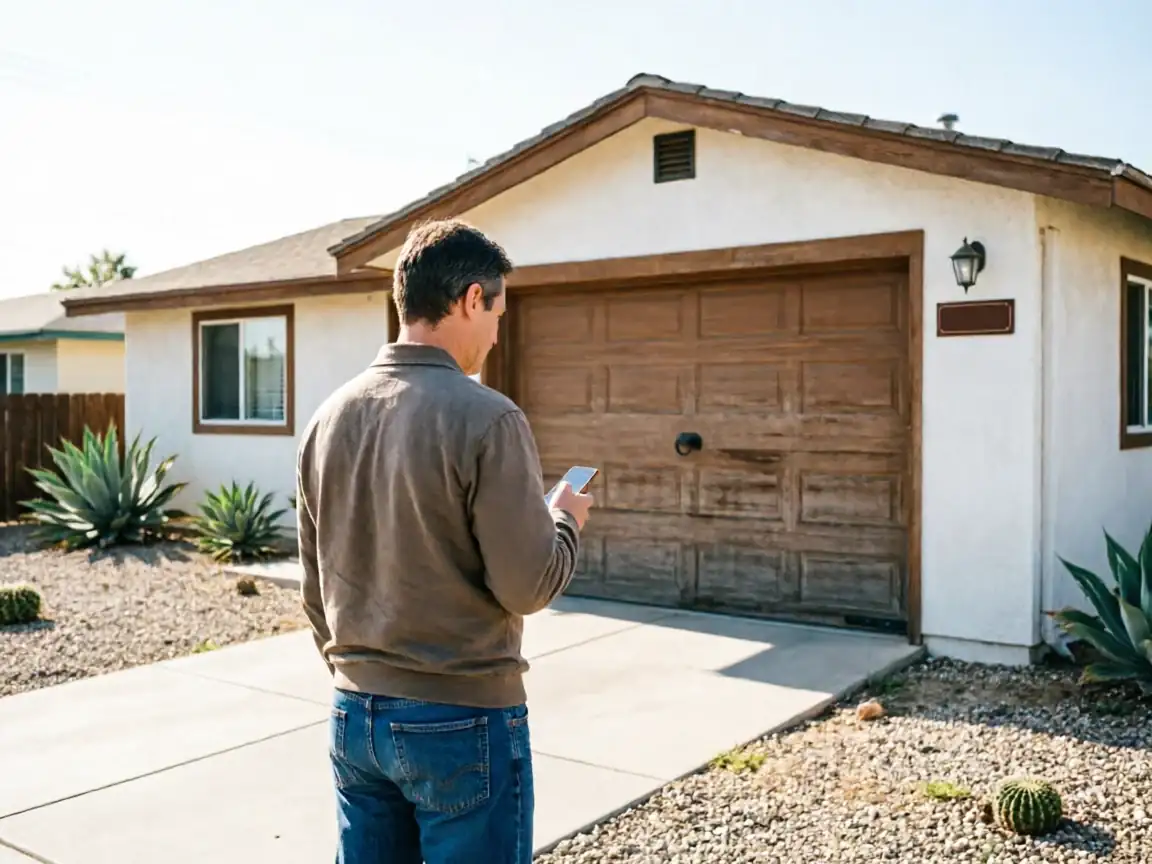
    A man stands in a driveway looking at his phone in front of a garage door.

    Tell us what’s wrong

    Describe the symptom - won’t open, loud bang, opener runs but the door won’t move.

  2. 2
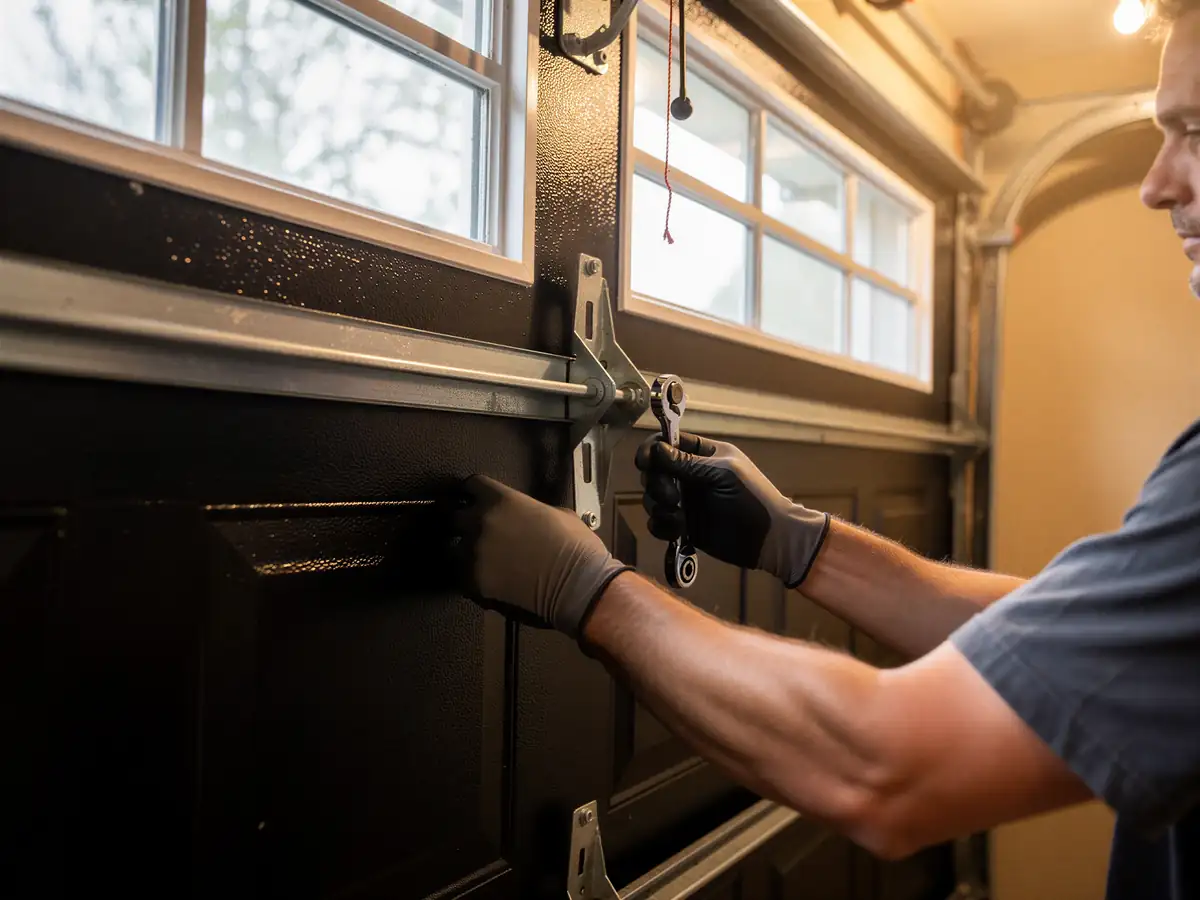
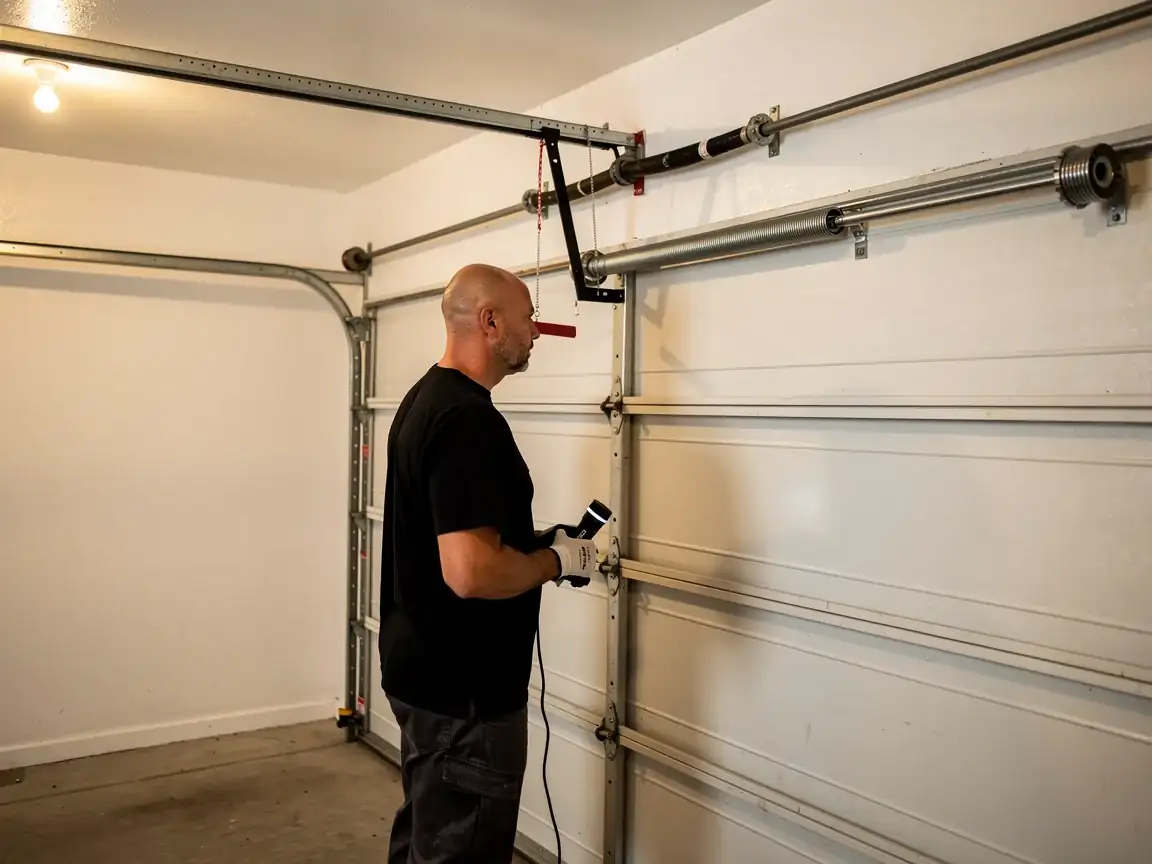
    A technician works on a white garage door with visible springs and tracks.

    On-site diagnosis

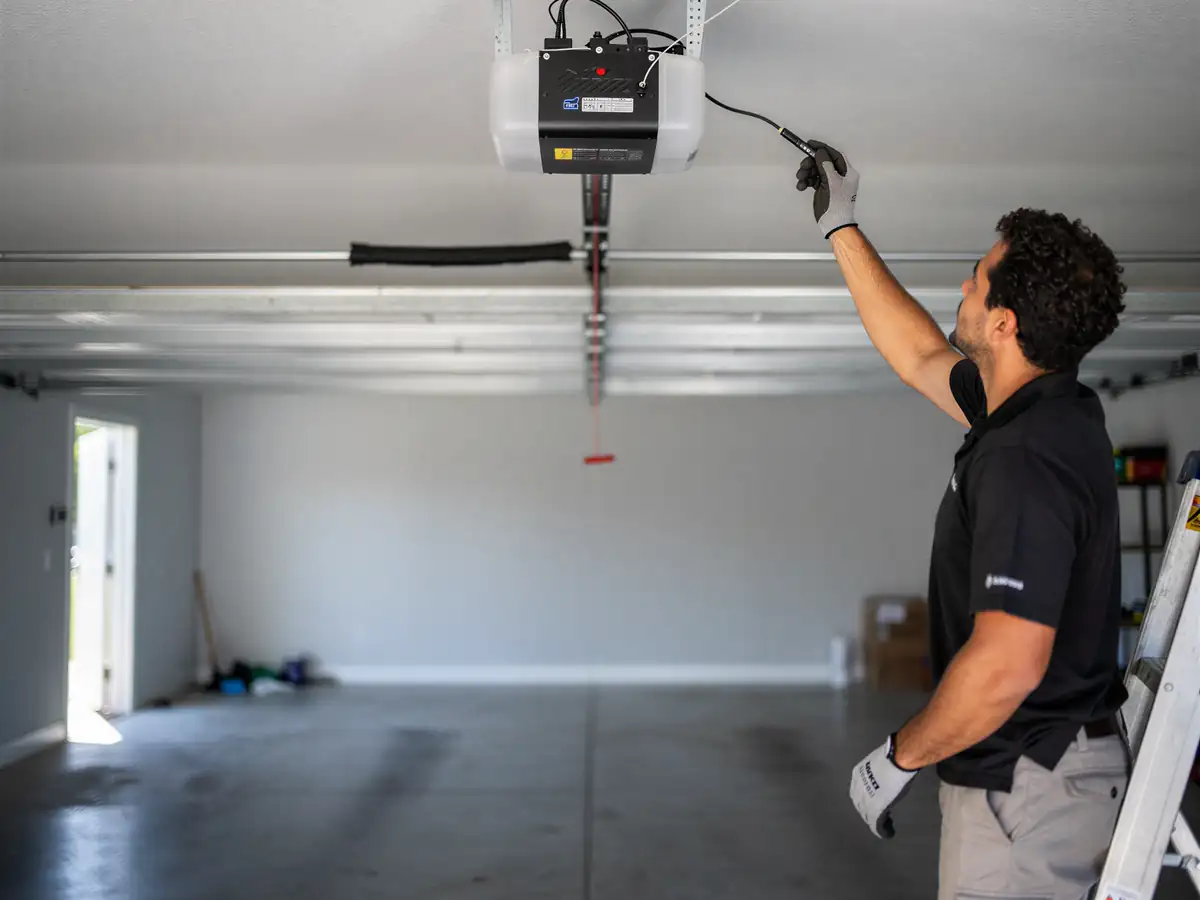
    A technician tests the door under power and by hand and finds what actually failed.

  3. 3
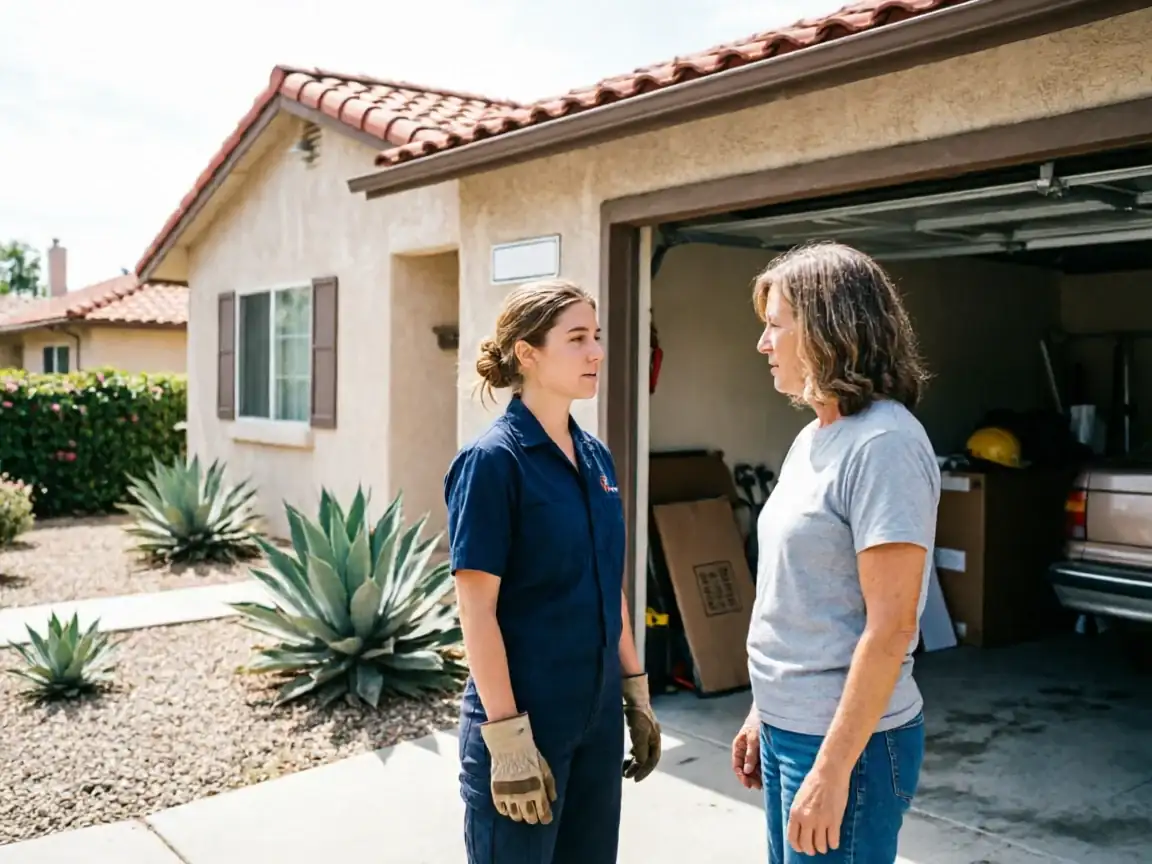
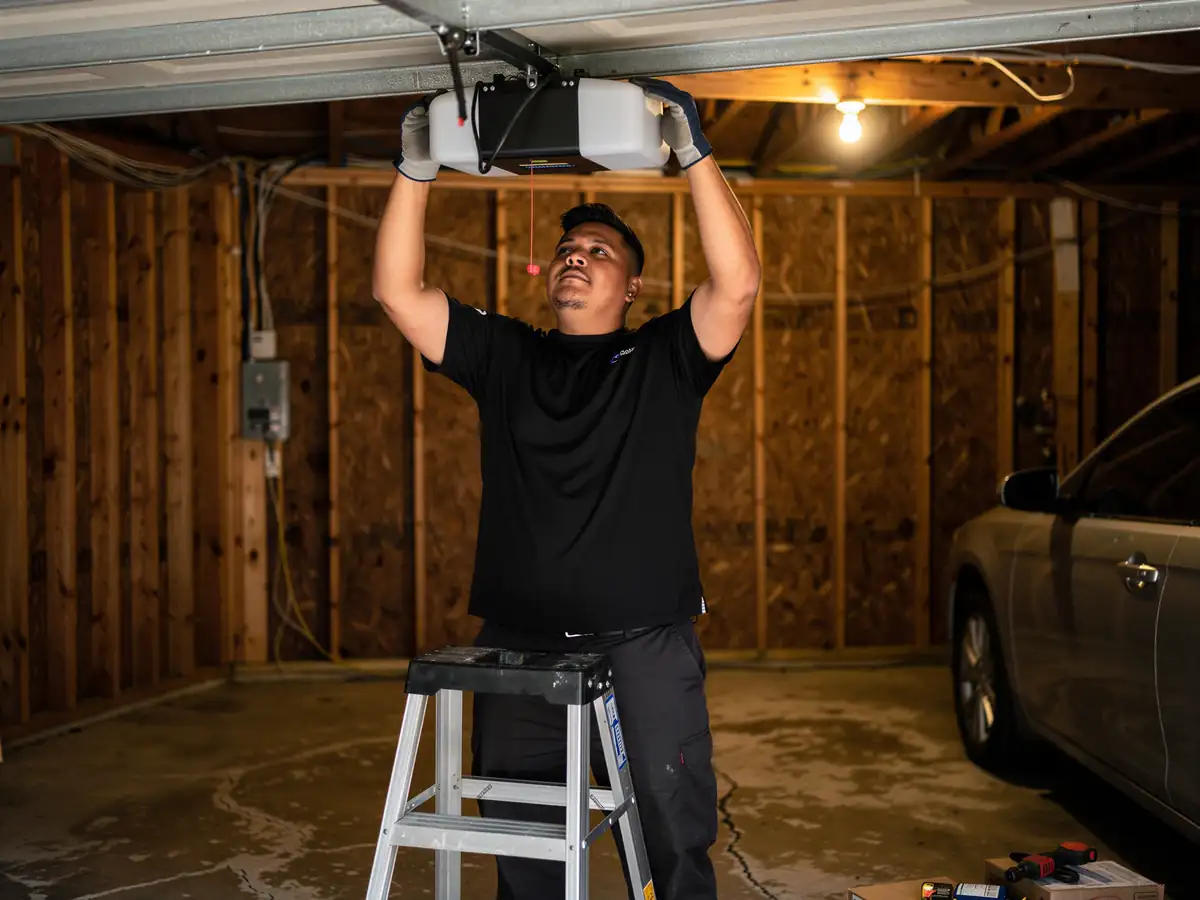
    A technician in a blue uniform talks to a woman in front of a garage.

    Clear, up-front plan

    You get the fix that’s needed and what drives the cost - before any work starts.

  4. 4
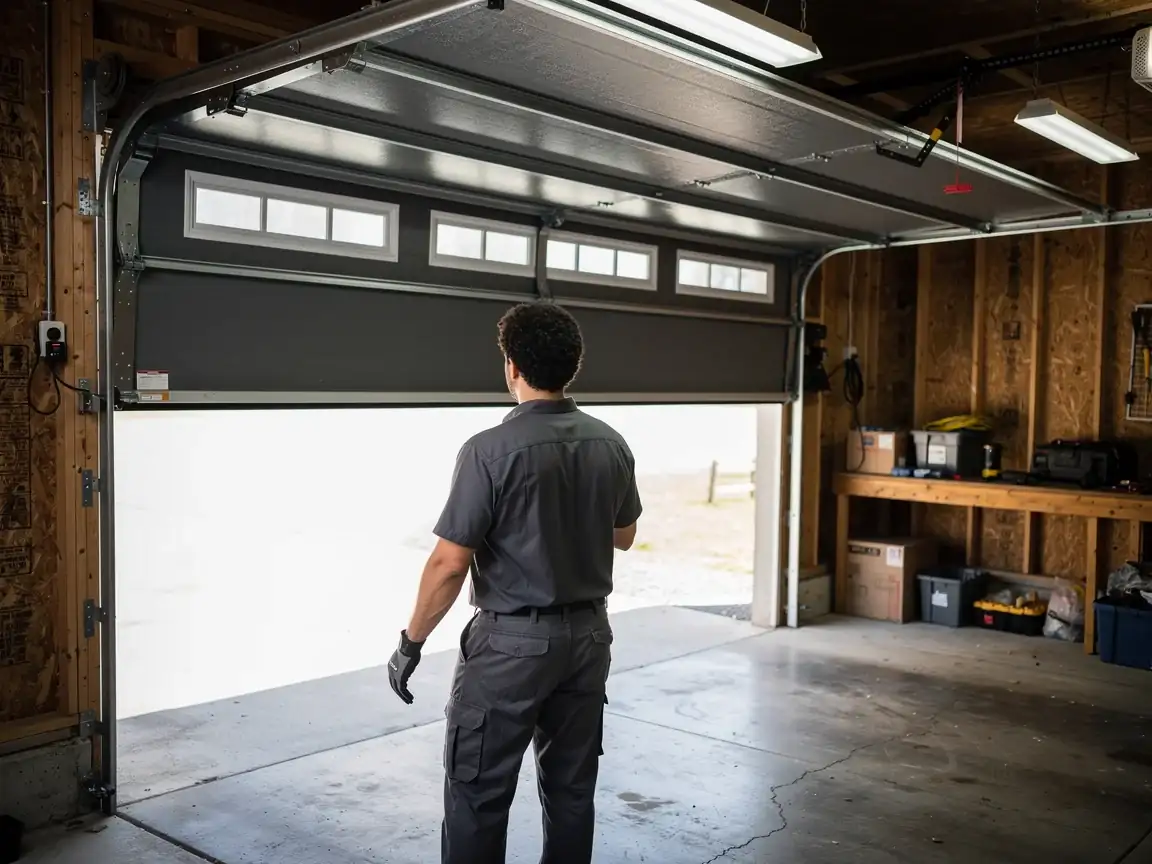
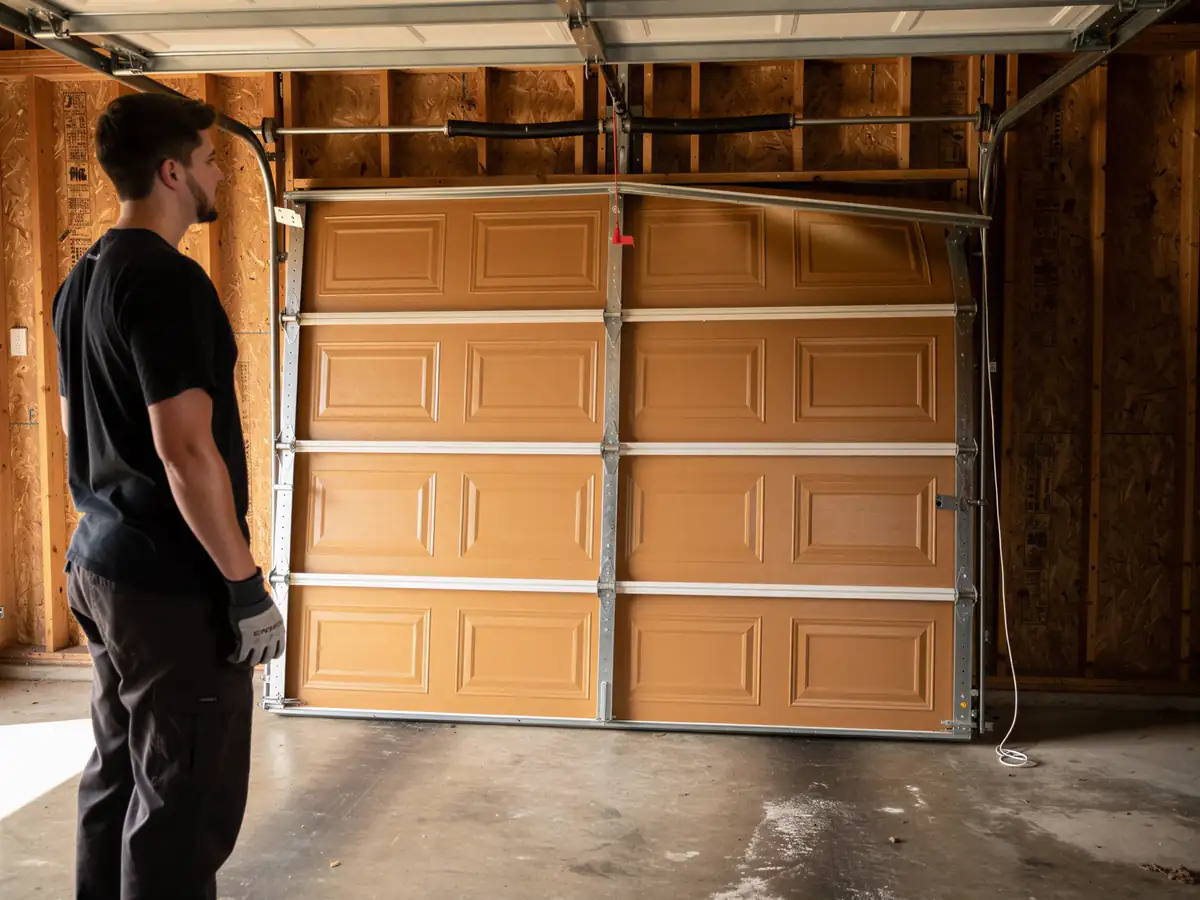
    A technician stands in a garage looking at a partially open garage door.

    Repaired & tested

    The repair is done, the door is set true and tested, and the work area left clean.

Not sure which repair your door needs in Long Beach, CA? Describe what it’s doing - every job starts with a diagnosis.

How we work

What to expect

Diagnosis firstEvery visit starts by finding what actually failed - not a pre-written parts list.
The right part for the doorSprings and openers matched to the door’s weight and age, so the fix holds up.
Straight answersWhen a repair makes more sense than a replacement - or the reverse - you hear it plainly.
Clean, careful workTension released safely, hardware set true, the door tested under power before we leave.
Questions

Frequently asked

Straight answers about garage door repair in Long Beach. Still unsure? Ask us directly.

How do I know if my garage door is original to the house?

If your house falls in the common 1960s-70s build range for this market, check the spring mounting and the track gauge. Original hardware from that era tends to be lighter-duty than anything sold today, with side-mounted torsion springs on simple steel brackets. A tech can confirm age in a couple of minutes by looking at the spring coil thickness and the roller style.

Does the mild climate here mean less maintenance?

It means a different kind of wear, not none. Without hard freeze-thaw cycles, seals and track don't crack from cold the way they do elsewhere, but thirty-plus years of daily cycling still wears springs, cables, and rollers down. Age and use matter more here than weather damage does.

Is it worth repairing a door from a 1960s or 70s build instead of replacing it?

Sometimes, if the track is straight and only the spring or rollers are worn. Once the track itself is bent or the panel hardware is original and failing, chasing discontinued parts usually costs more than a new door and opener setup sized for how the house is actually used now.

Ready to get your garage door sorted?

Tell us what it’s doing and where you are in Long Beach - we’ll take it from there.

Request a QuoteCall