How Local Conditions Play In
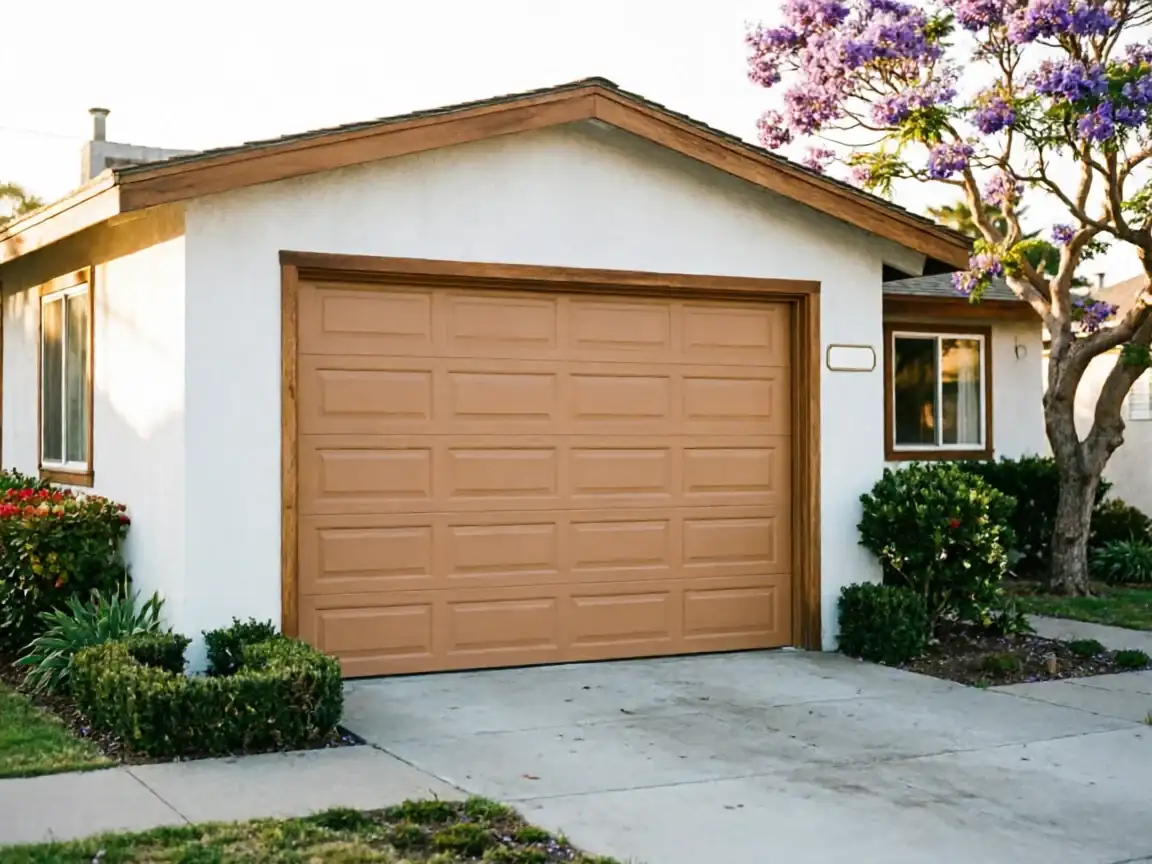
Long Beach's housing stock runs from 1947 through 2012, with the bulk of it dating to the 1960s and 70s across the area's 58 named neighborhoods, from the to to the. That matters for seals because the door and the bottom weatherstrip on a house from that era were built to a different standard than what's sold at the hardware store now. The channel width, the astragal profile, even the way the track sits against the slab has shifted over sixty years, so a seal that looks like a drop-in replacement often isn't.\n\nThe climate itself is mild temperate - no hard freezes, no snow load, nothing that cracks concrete or warps a track overnight. That's the good news. The bad news is that mild doesn't mean sealed. A gap that would freeze shut in a colder region just sits open here, letting marine air move through it every day of the year. Owners tend to assume a mild climate means the door doesn't need attention. It's the opposite: nothing forces you to notice a bad seal until the draught or the dust finally gets annoying enough to complain about.
When to Get Help
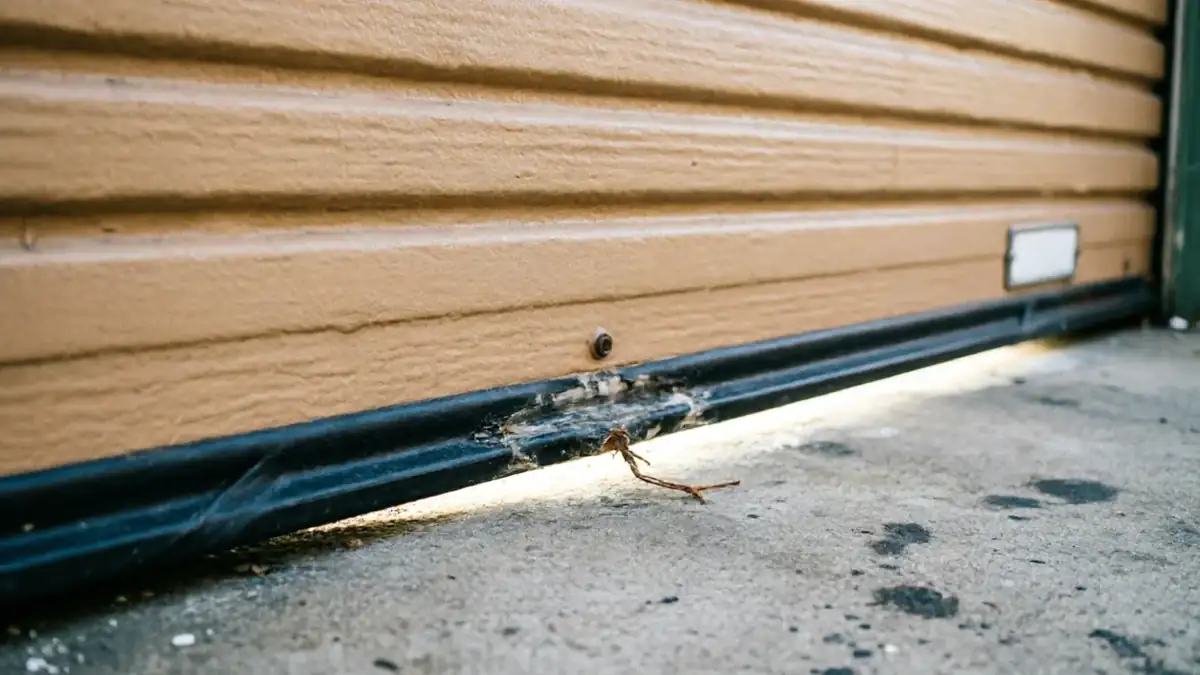
If you can see daylight along the bottom of the door when it's shut, or feel air moving across the garage floor near the threshold, the seal has already failed - it's not a maintenance-schedule item at that point, it's just worn out. Same goes for a bottom seal that's cracked, flattened on one side, or pulled away from the track.\n\nIf the gap is uneven side to side, that's usually the slab, not the seal, and it's worth having someone look at the threshold before buying another strip that won't seat right either. A seal replacement is a short job on its own. It stops being short when the door panel itself is warped, when the track alignment is off, or when the slab issue is bad enough that a flat seal can't bridge it - at that point you're looking at a different repair, not a weatherstrip swap.\n\nWe don't carry every seal profile for every build year on the truck. Some of the older channel widths are special-order, and if that's what your door needs, we'll tell you up front rather than force a seal that won't hold.
What Most People Get Wrong
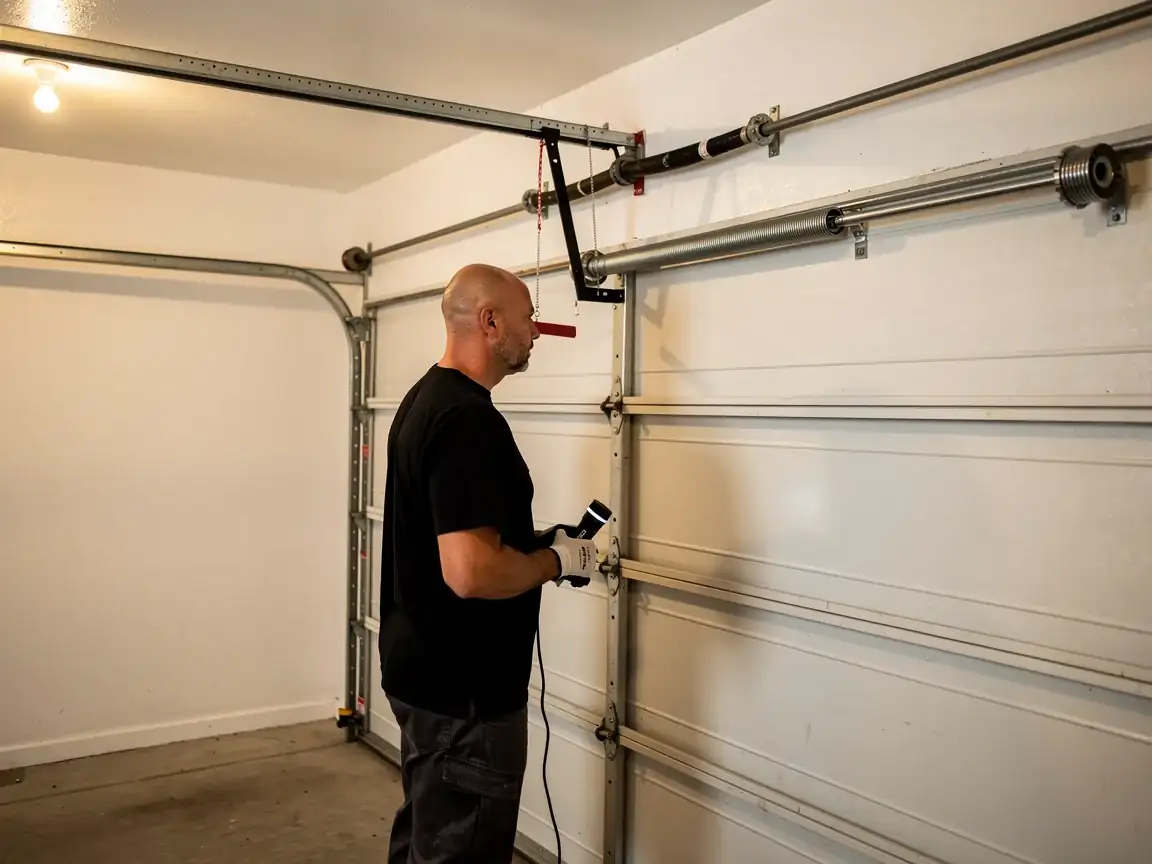
The most common mistake is buying a universal seal kit and assuming it'll fit because the door looks standard. On a lot of Long Beach houses built in that 1960s-70s window, it won't - the channel is a different width, and the seal either won't seat or pulls out within a season.\n\nThe second mistake is blaming the opener or the springs for a draught problem. Those systems lift and lower the door; they have nothing to do with how tight the bottom edge sits against the slab. People sometimes replace perfectly good hardware chasing a draught that was never a mechanical issue in the first place.\n\nThe third is thinking a mild climate means it doesn't matter. Because Long Beach doesn't get the freeze-thaw cycle that forces other regions to deal with seals every winter, a bad one here can sit ignored for years. It's not urgent. It's also not free - a gap that lets in marine air year-round adds up on a utility bill the same way an open window does, just quieter about it.