How Long It Takes
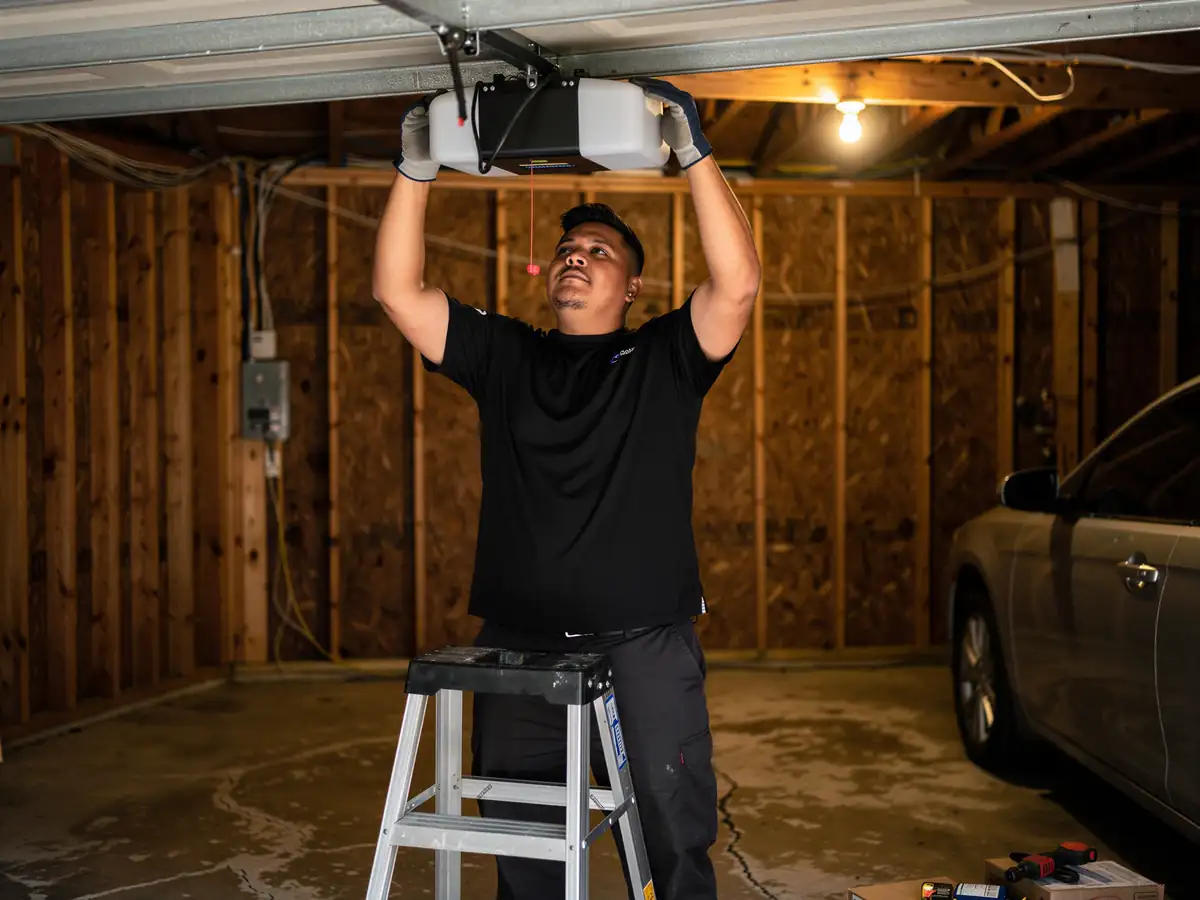
Los Alamitos sits about 6 miles from our shop in Long Beach, which is a quick haul up surface streets rather than a cross-county trip. That matters because it changes what a tech can realistically load before leaving: on a 6-mile run we can carry the heavier bench stock - multiple opener head units, a spare logic board or two, both chain and belt drive parts - instead of guessing and coming back. We don't publish a fixed response window for this suburb since we're dispatching from Long Beach and traffic on a given morning decides more than distance does, but a 6-mile call is short enough that we're not working with a half-empty truck when we get there. If your opener dies on a Saturday, that's the honest version of what to expect: a tech who had time to load for the job, not a guess at a number we can't back up.
Why It Happens Here
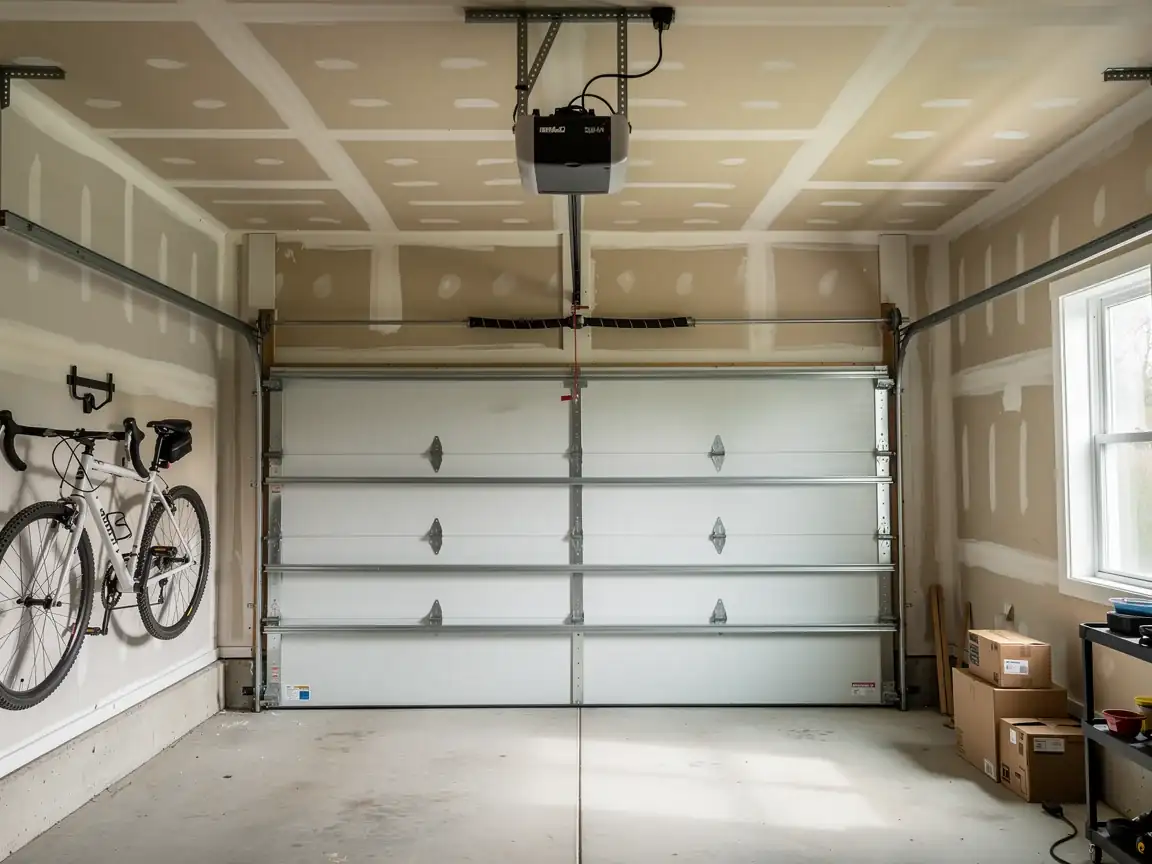
The mild coastal temperate climate across this part of the service area means openers here aren't fighting the same thermal swings you'd get further inland - the failures we see in Los Alamitos are less about heat-cracked gears and more about age: drive gears stripped from decades of cycles, worn trolley carriages, and logic boards that finally give out after years of steady use. With median household income in this suburb running higher than the broader service-area figure, we also see more owners who upgraded their opener once already for quieter operation or smart-home features, which means the fault is sometimes in a newer belt-drive unit's circuit board rather than the mechanical guts of an old chain drive. Either way, a 1970-era house usually means the opener has already outlived at least one previous unit, and whatever's in the ceiling now is working harder than it was built to.
The Symptom
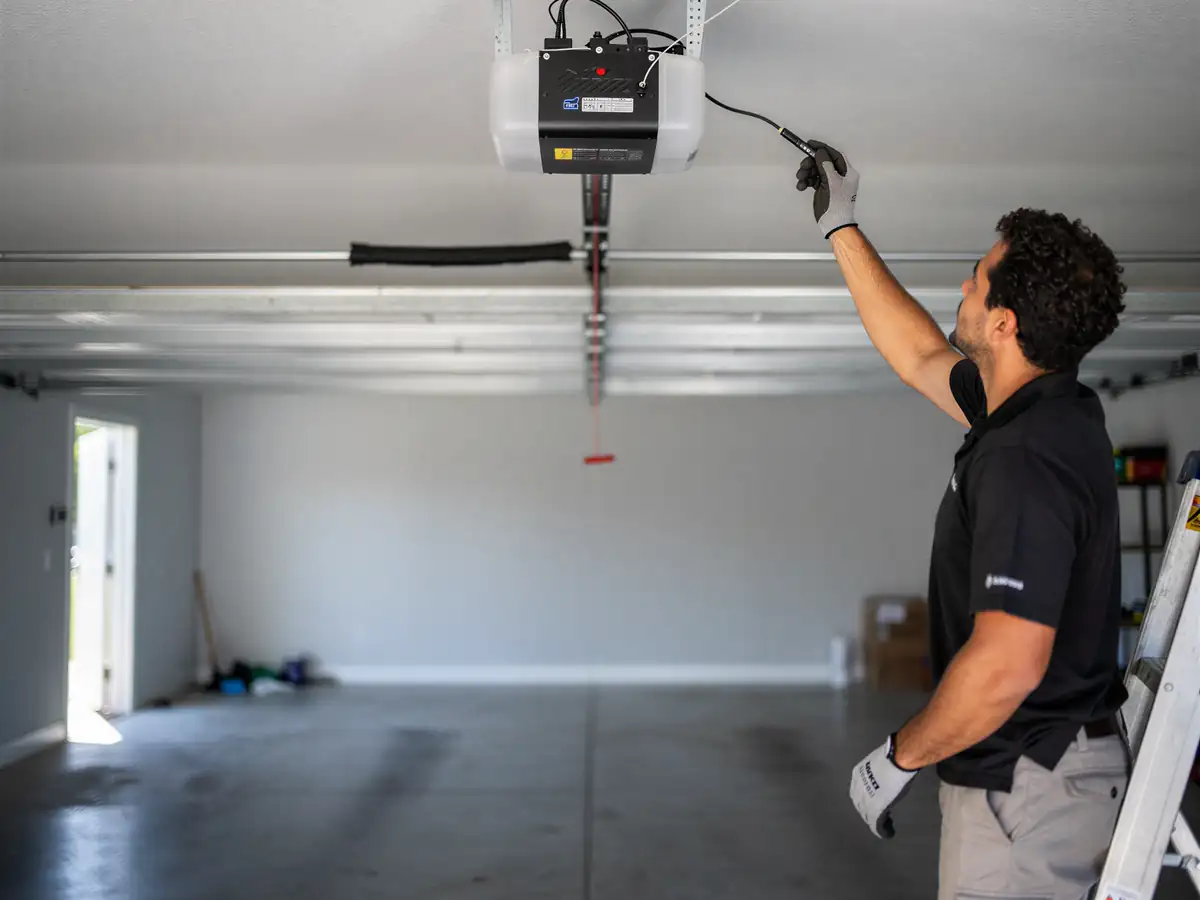
The door won't move but the opener hums, or it moves a few inches and reverses. Sometimes the light blinks a set number of times and nothing else happens - that's the board trying to tell you what's wrong, and on a lot of models built in the last fifteen or twenty years, that blink code points straight at a failed sensor alignment, a stripped gear, or a dying board. On older chain-drive units with no diagnostic lights, the symptom is blunter: it just stops, or it runs but the chain doesn't pull the trolley. If your opener is original to a remodel done years back rather than to the house itself, age alone can explain a sudden failure even without a dramatic cause.
How to Book
Call and describe what the door's doing - humming, reversing, blinking, dead silent - and we'll get a sense of what to load before we leave Long Beach for the 6-mile drive out. Check out our Los Alamitos garage door page for the other work we do in this suburb, or see our Long Beach opener repair page if you're closer to the shop itself.