Why It Happens Here
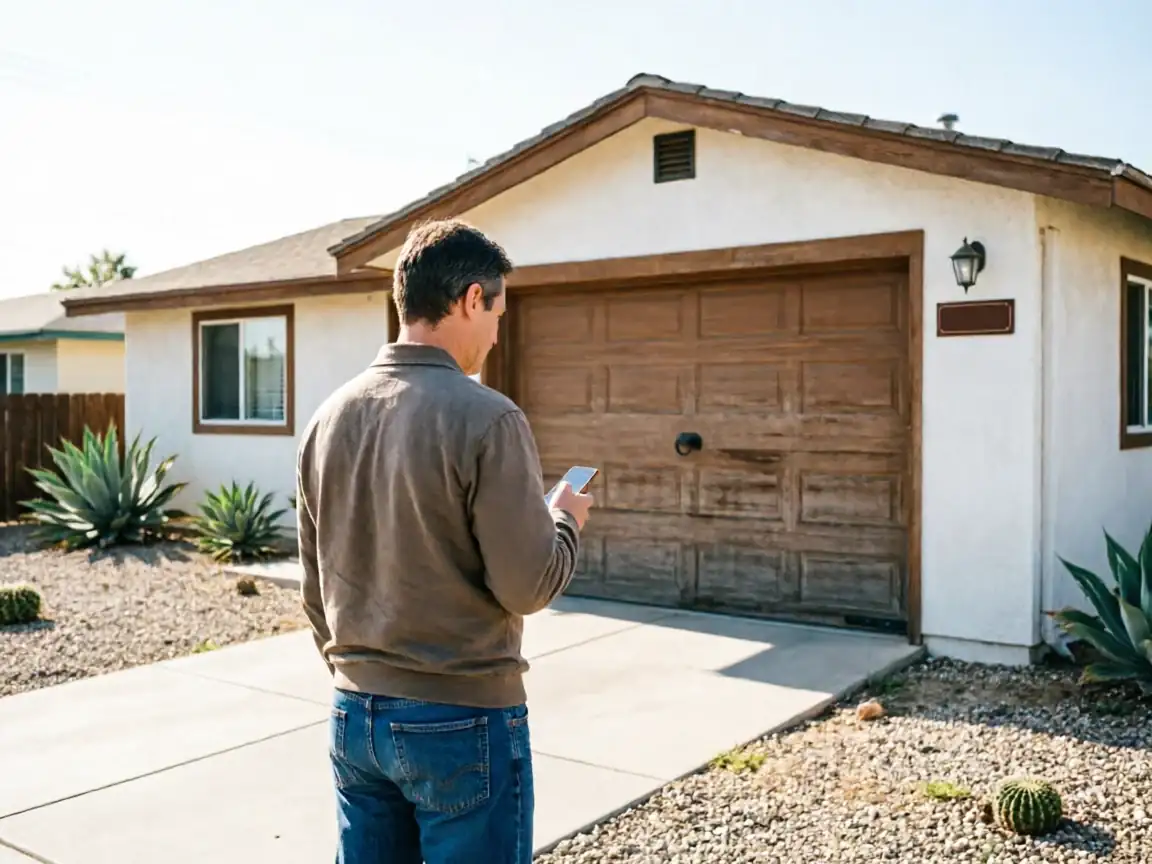
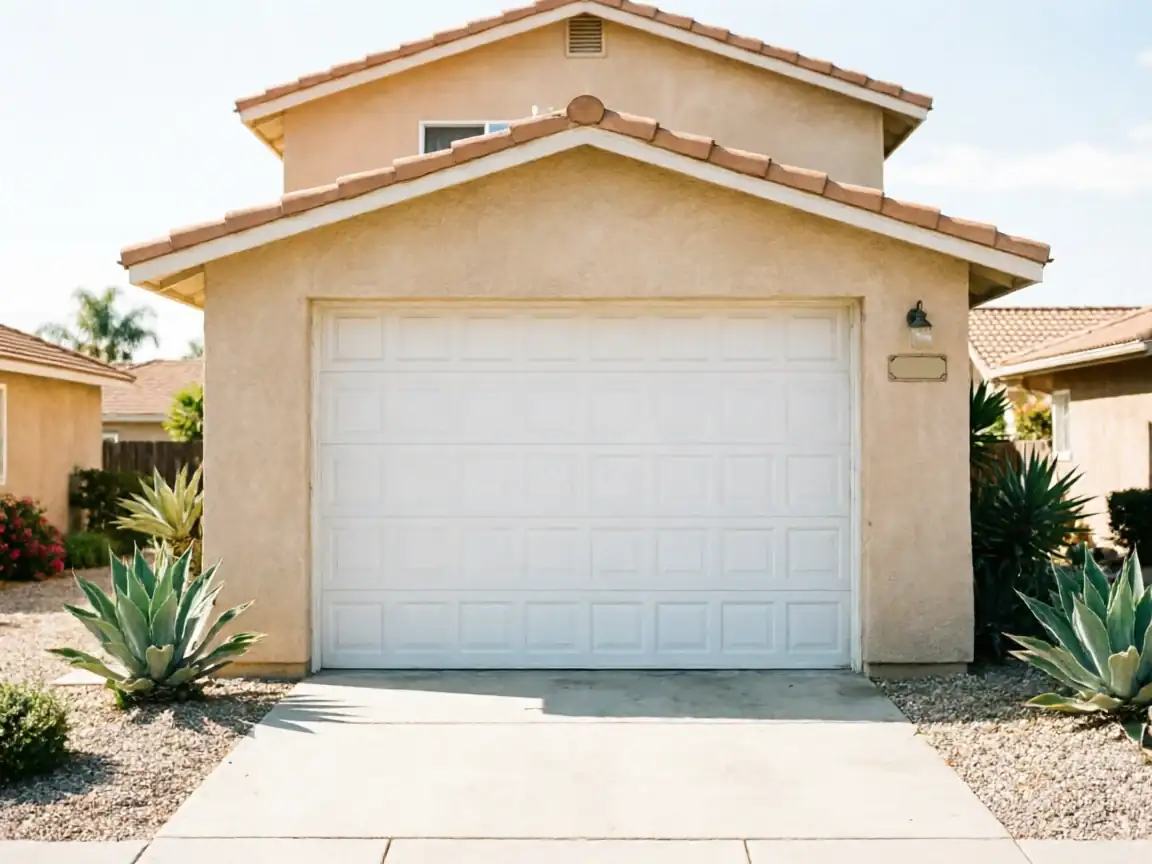
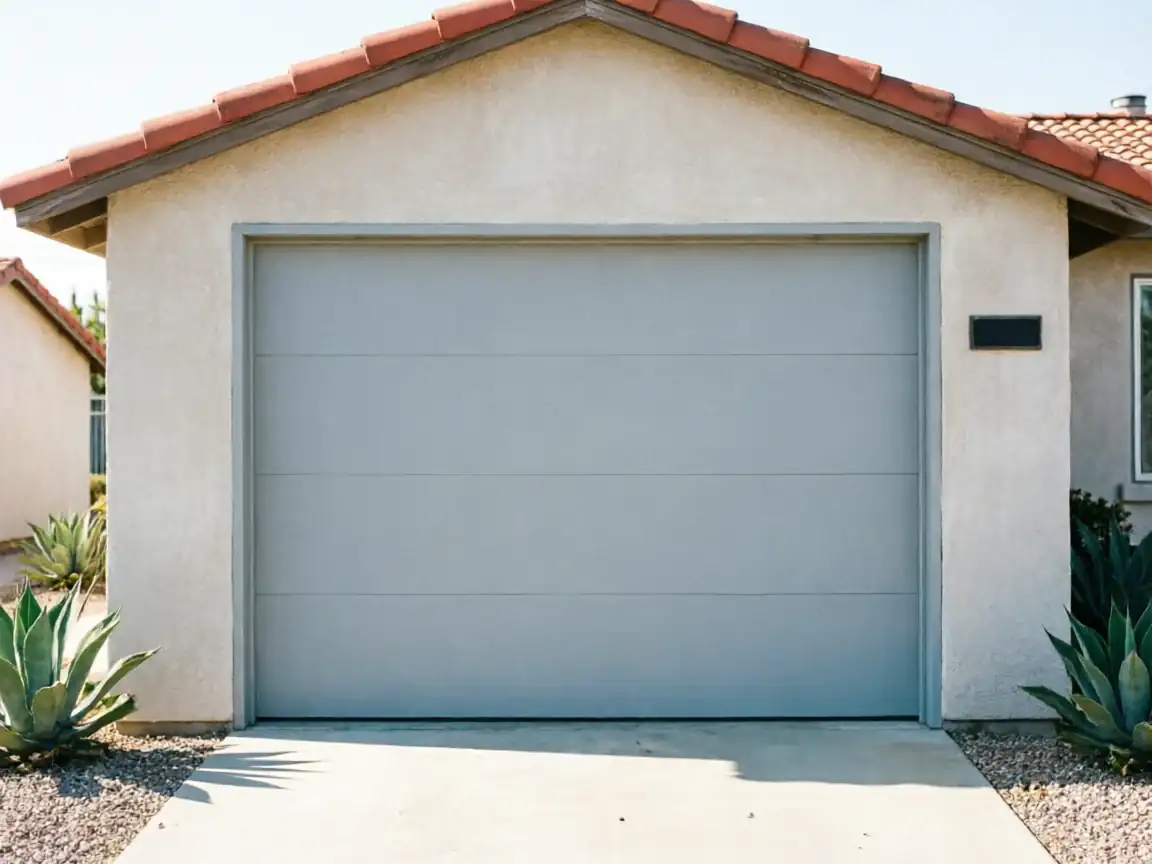
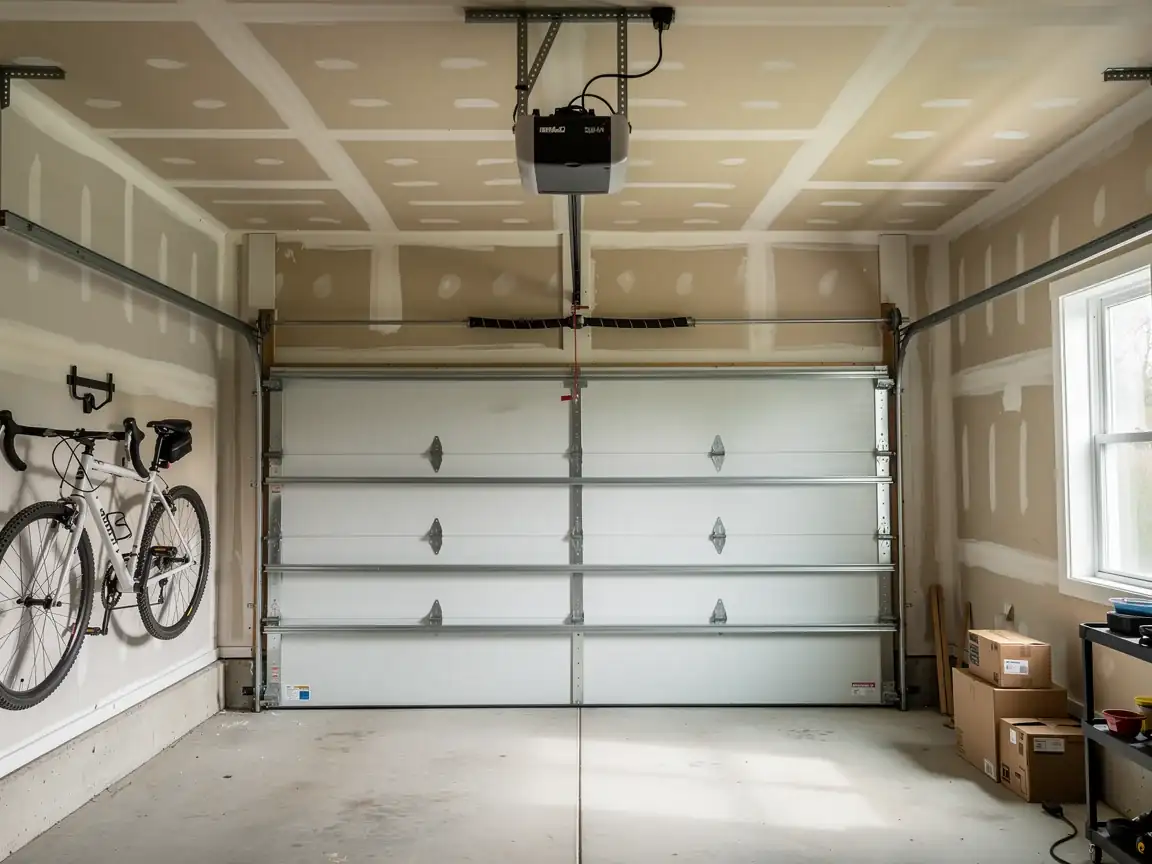
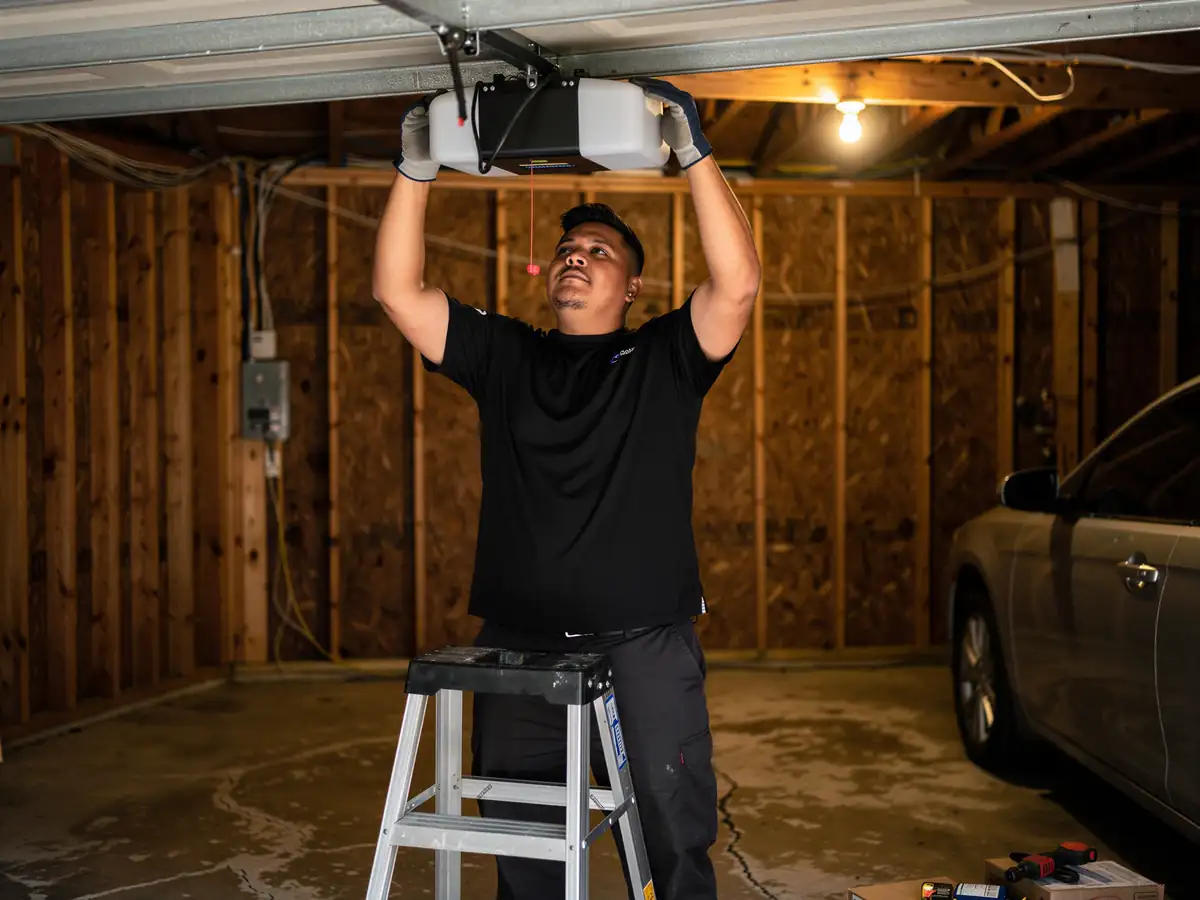
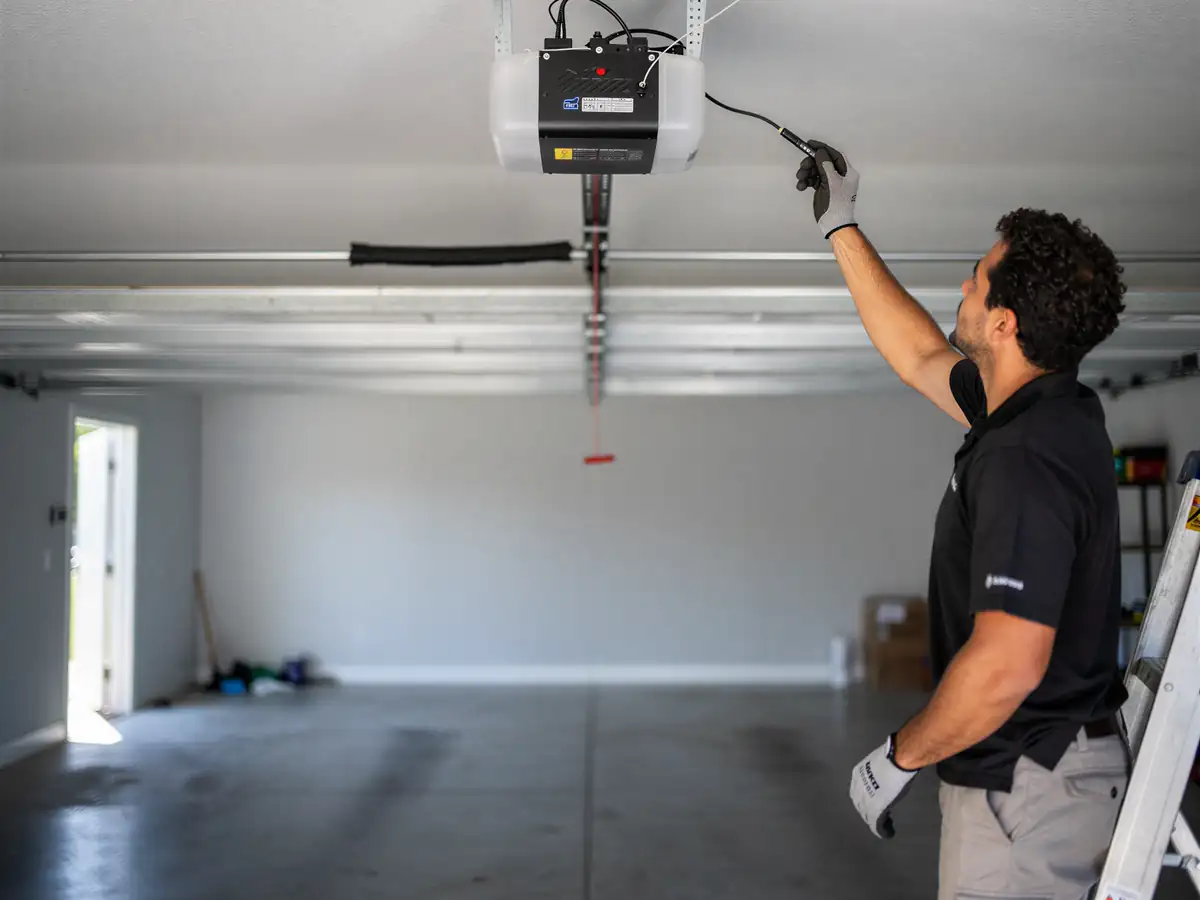
The fault we see most in Rossmoor isn't a dead remote or a motor that hums and goes nowhere. It's an opener that still runs, technically, but skips the safety reversal test or won't reverse off an obstruction at all. That's a 1959-house problem, not a universal one. A big share of Long Beach's service area was built between 1947 and 2012 with a median year of 1964, but Rossmoor itself sits noticeably earlier than that median, clustered around 1959. Openers installed or replaced in those decades, before the 1993 federal rule requiring photoeye safety sensors, were built to open and close a door, full stop. No sensor beam, no auto-reverse logic, sometimes no secondary reversal switch at all. Owners who've had the same unit since a remodel in the 80s or 90s are often running gear-driven or chain-drive openers that technically still work but don't meet the safety standard a replacement unit would ship with today. The mild coastal climate here doesn't stress the motor or the gears the way heat or damp would elsewhere, so these openers last a long time mechanically. That's exactly why so many are still in service decades past when they should have been swapped for a sensor-equipped model.
What It Costs
We don't post a flat number here because the job splits into two very different prices depending on what we find. A logic board repair, capacitor swap, or gear replacement on an opener that's otherwise sound costs less than a full unit. A pre-1993 opener with no safety reversal function isn't worth repairing to a code-compliant state - replacement is the honest answer there, and it costs more up front but you're not paying twice. We give the number after the diagnostic, not before, because quoting blind on a sixty-year-old opener is a guess, and we don't guess on your door.
Where This Job Goes Sideways
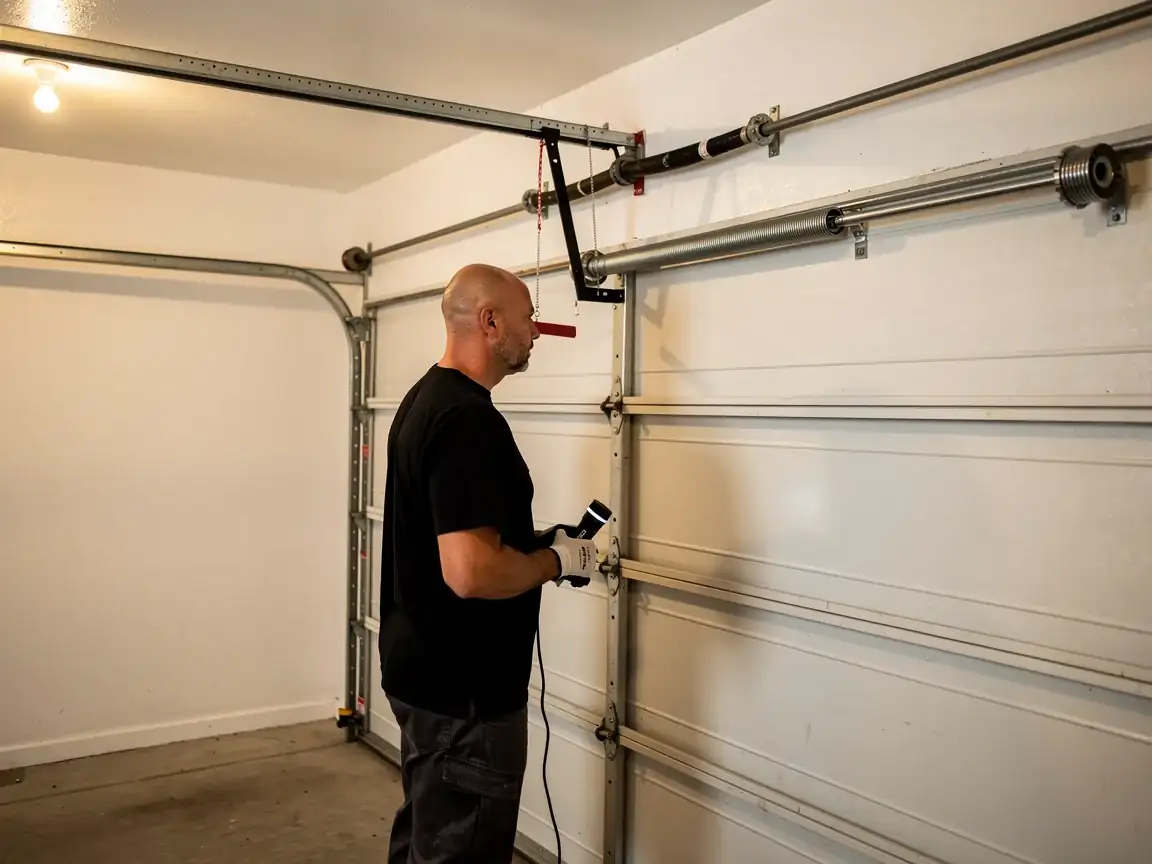
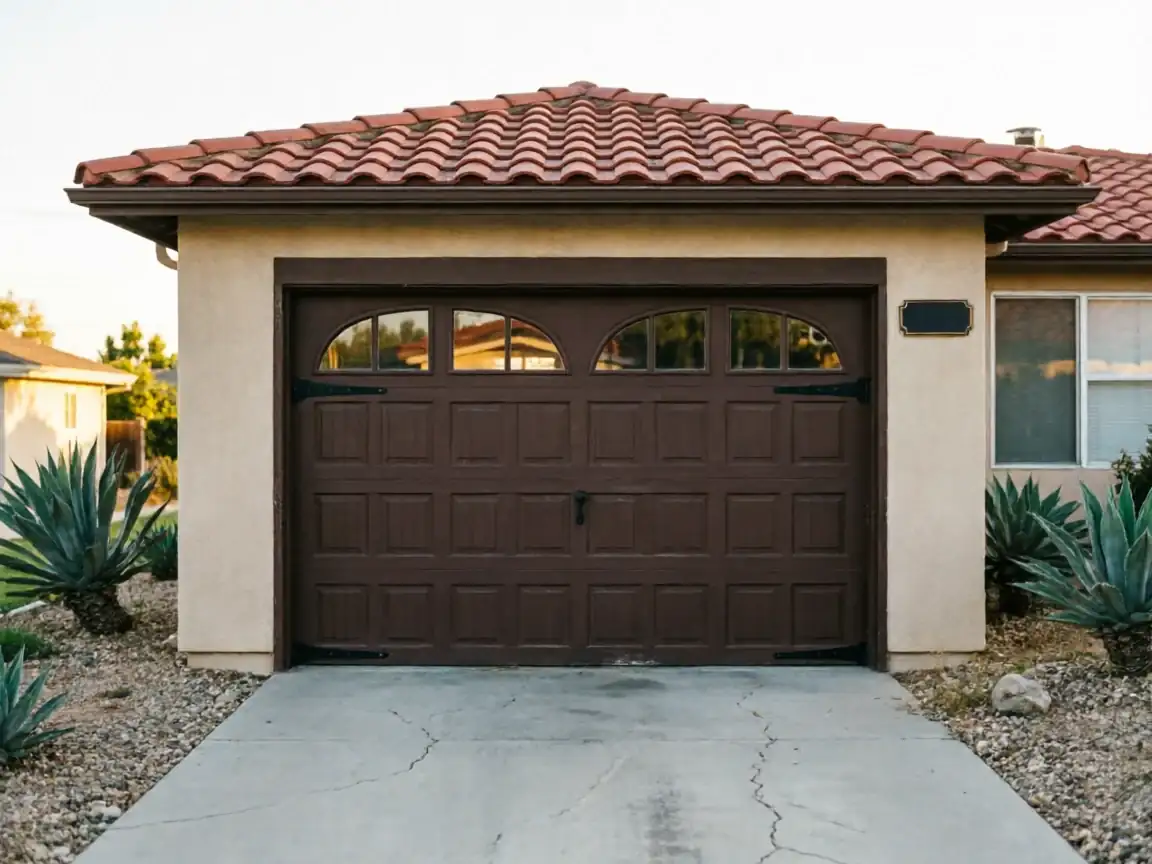
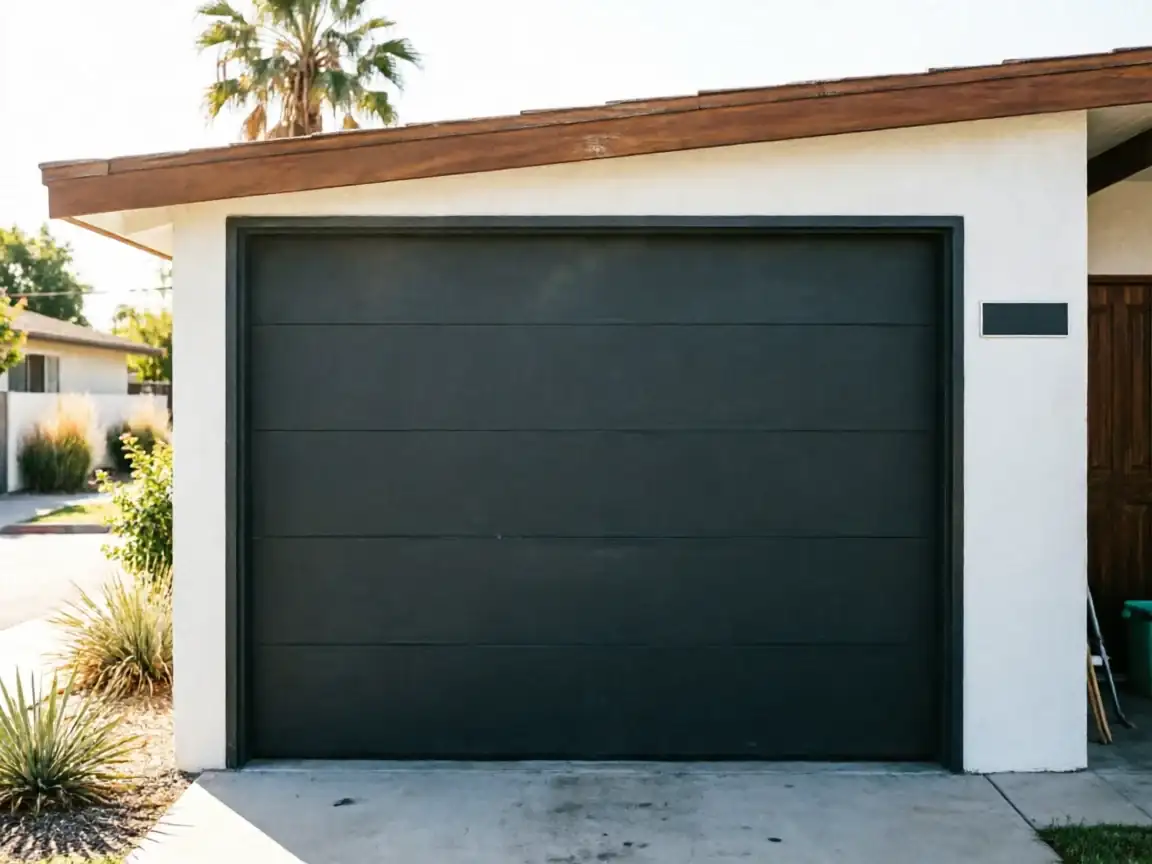
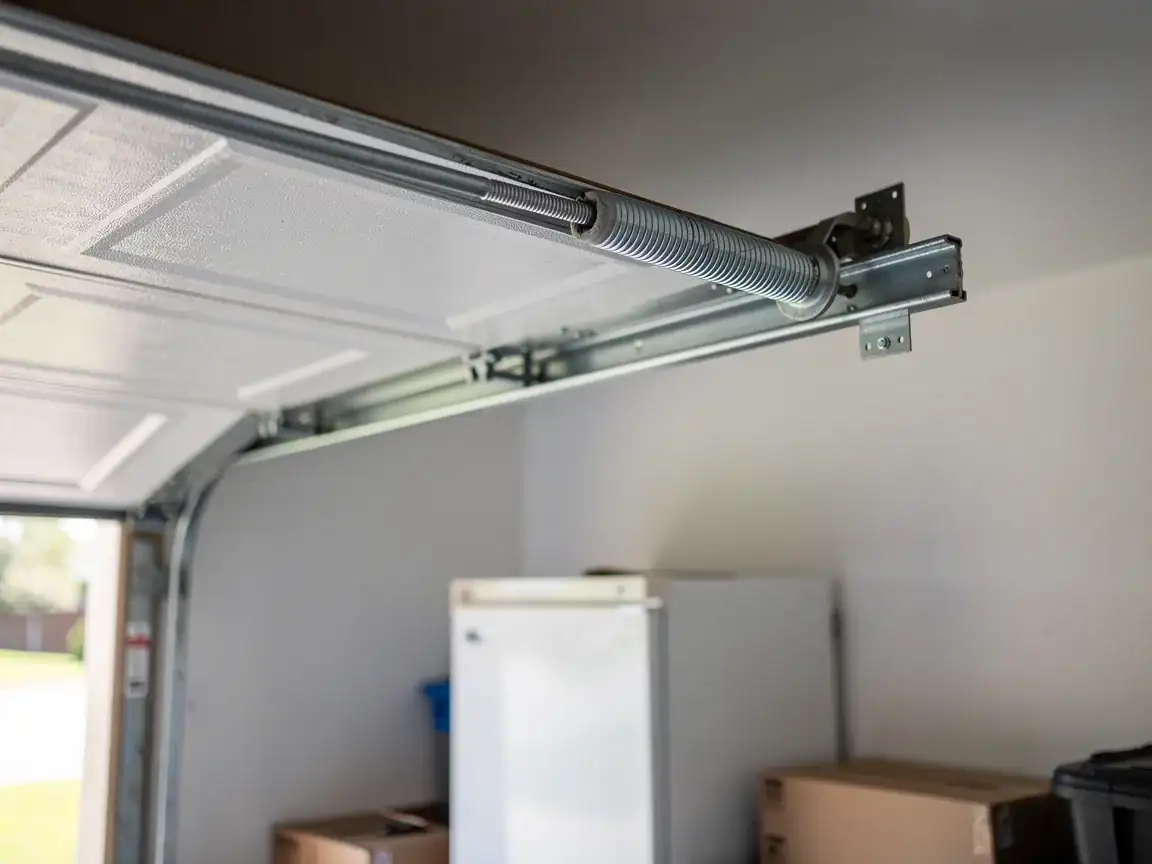
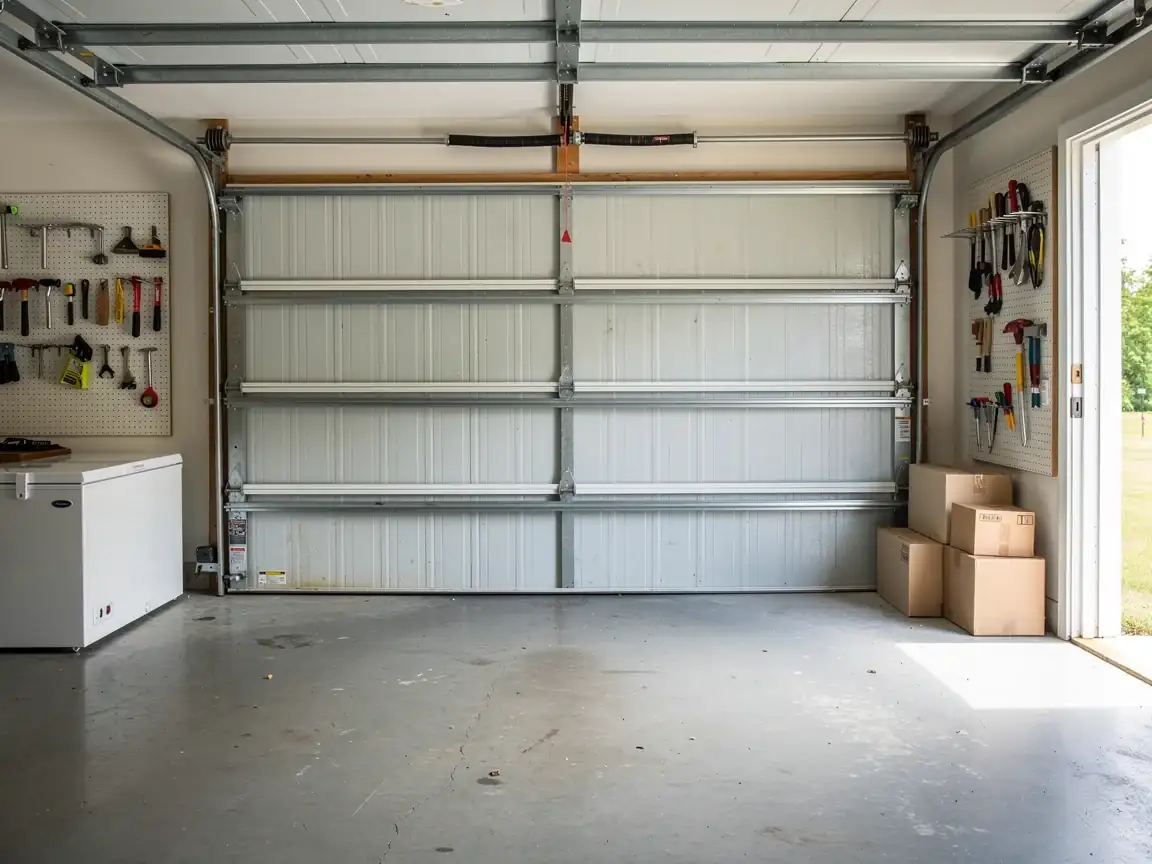
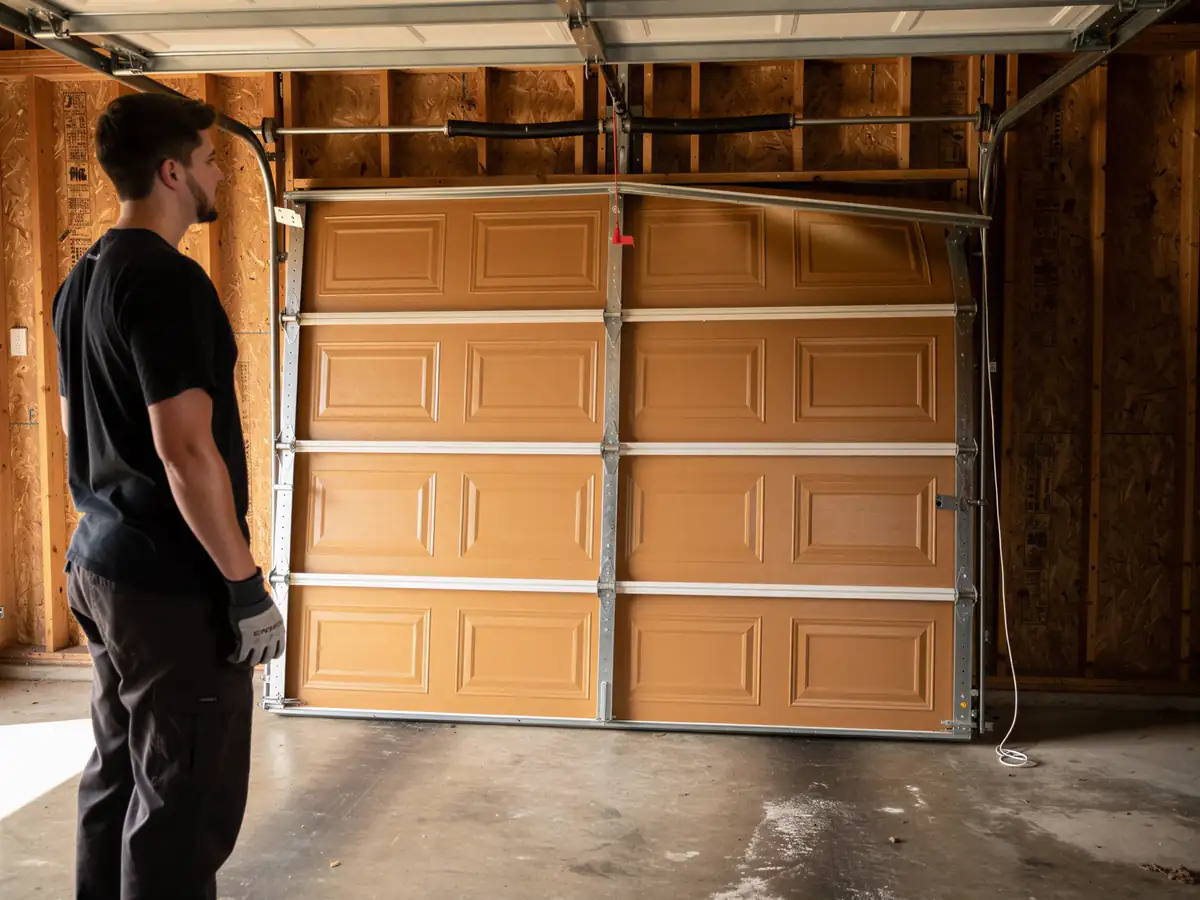
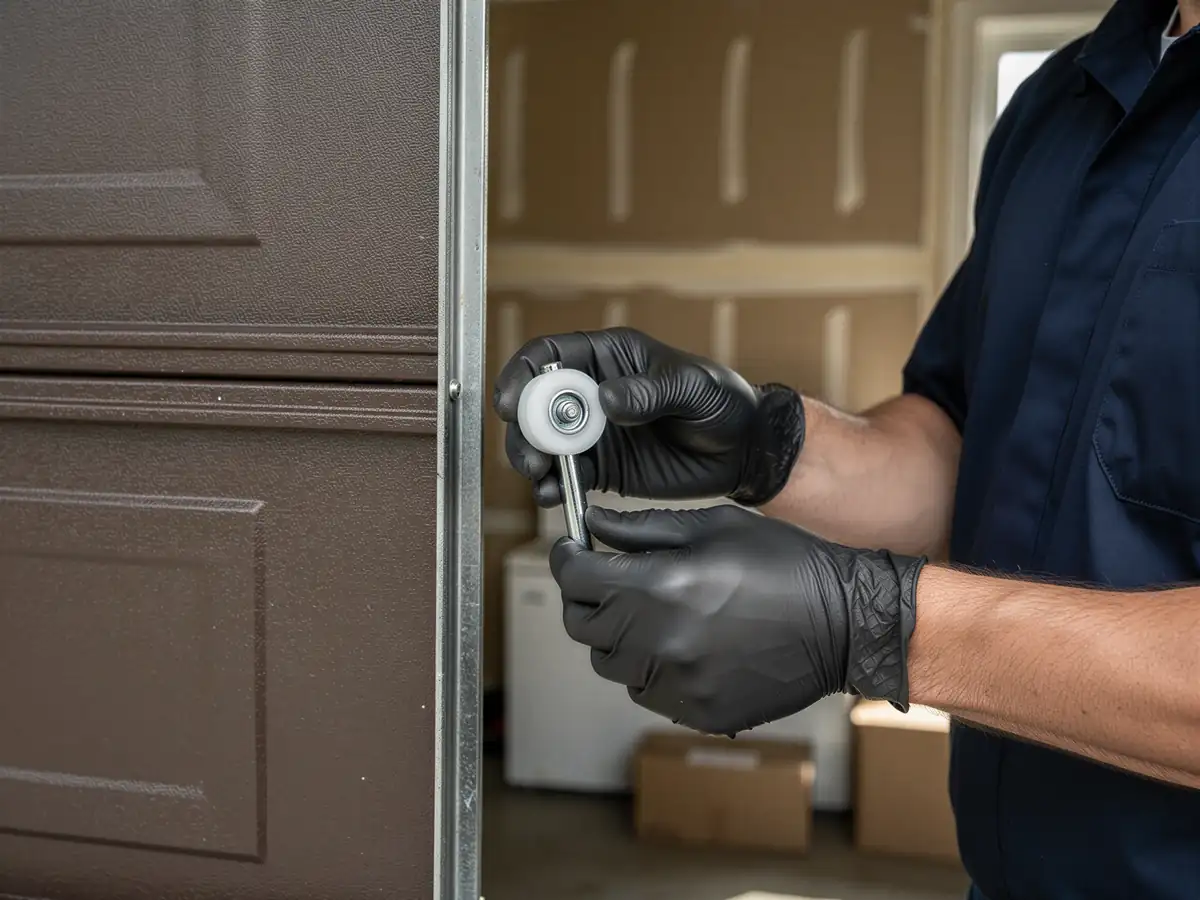
The job goes sideways when someone's already tried to fix the safety reversal problem themselves by disconnecting or bypassing the sensor circuit. We see this on older units where a previous owner or handyman wired around a failed sensor rather than replace it. That gets the door moving again but defeats the one safety feature that matters most, and it's not something we'll leave in place - we'll flag it and fix it properly, which sometimes turns a simple call into a bigger one. It also goes sideways when the opener motor is fine but the door itself - original to a 1959 build - has sagged or binds on worn track, and the opener is straining against a mechanical problem that isn't its fault. Replacing the opener in that case doesn't fix anything; the door needs attention first.
The Symptom
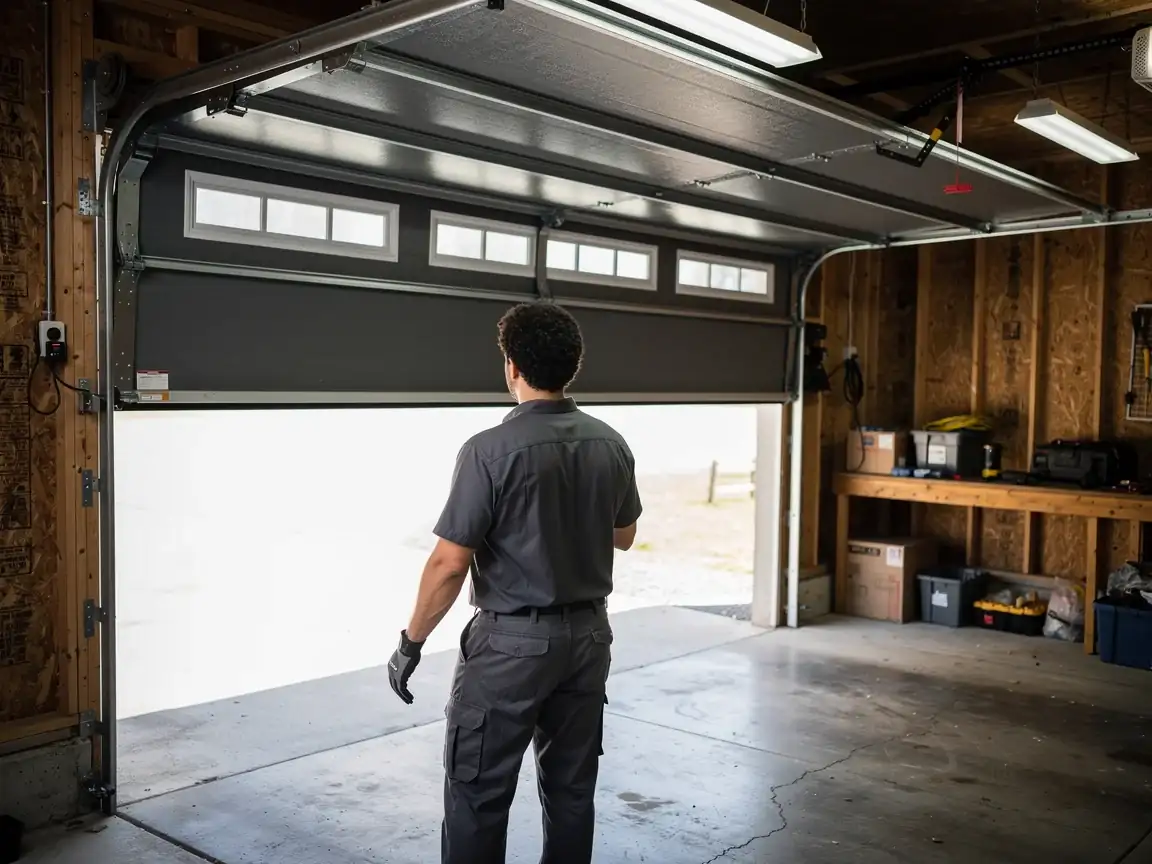
The symptom that brings most Rossmoor calls in isn't total failure - it's a door that reverses unpredictably, or doesn't reverse at all when it should. Sometimes it's a remote that works intermittently, which usually traces back to a logic board losing its memory under load, not the remote itself. We travel the 5 miles out from Long Beach for these calls regularly, and the pattern holds across the neighborhood: openers old enough to predate the safety sensor standard, still mechanically running, quietly out of code.