Why It Happens Here
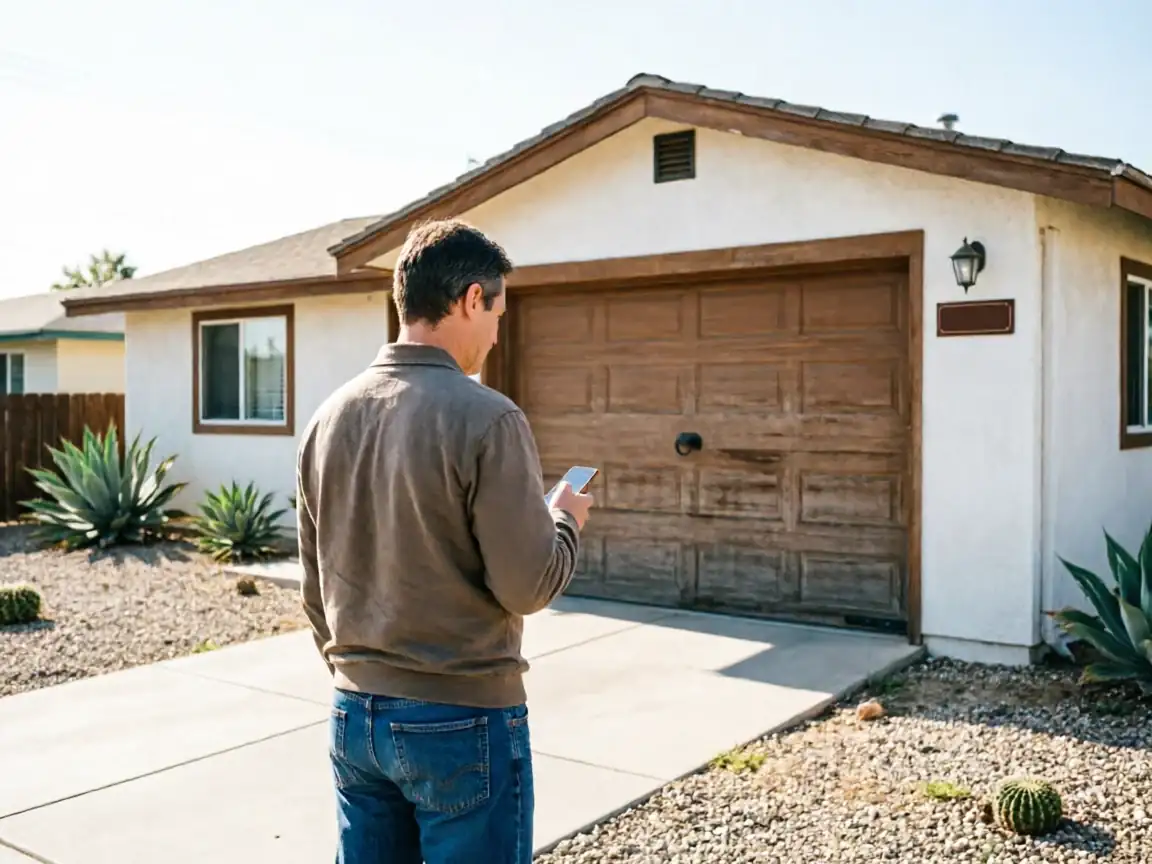
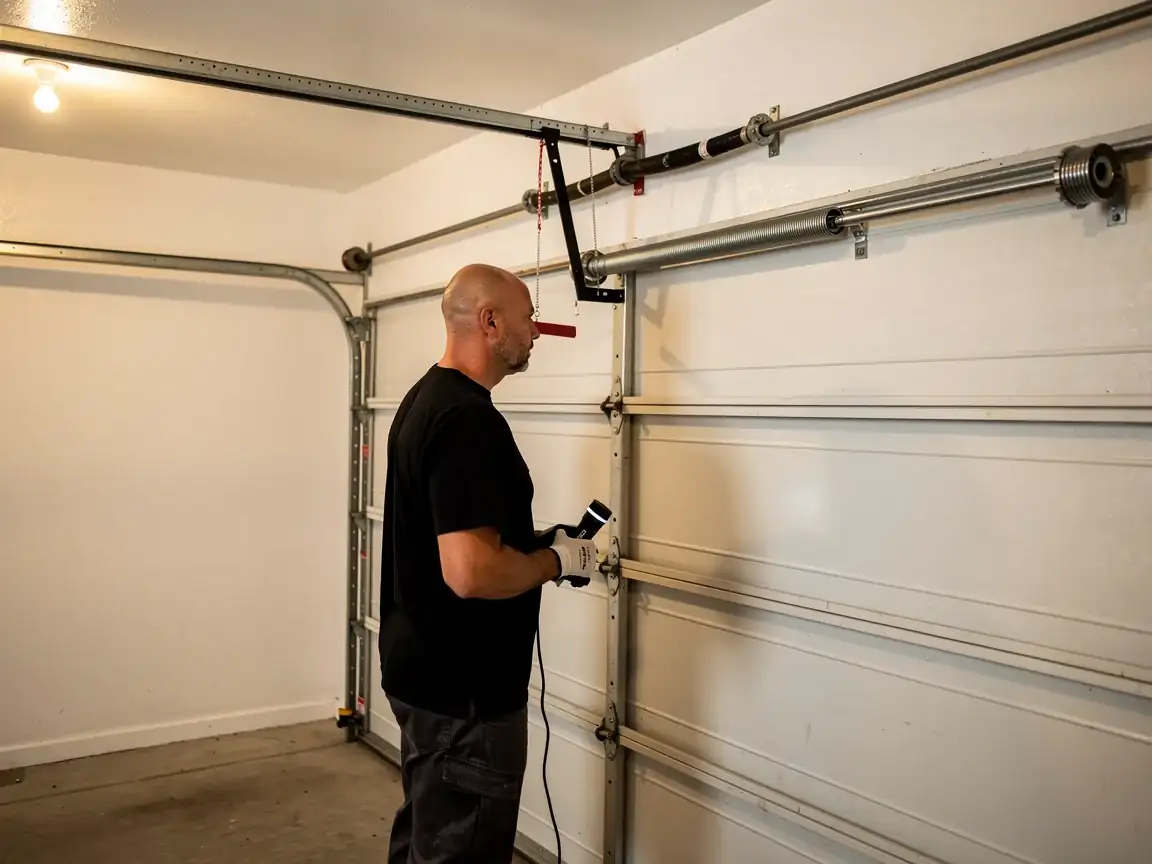
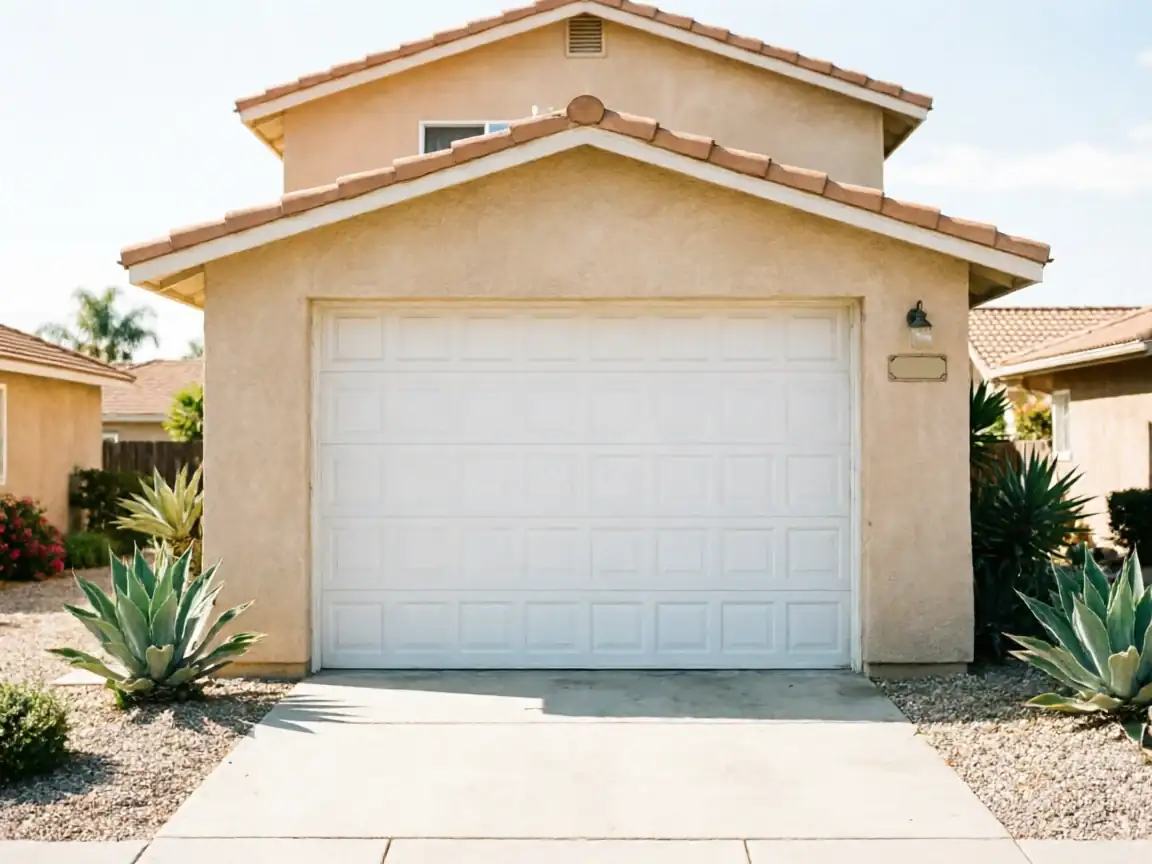
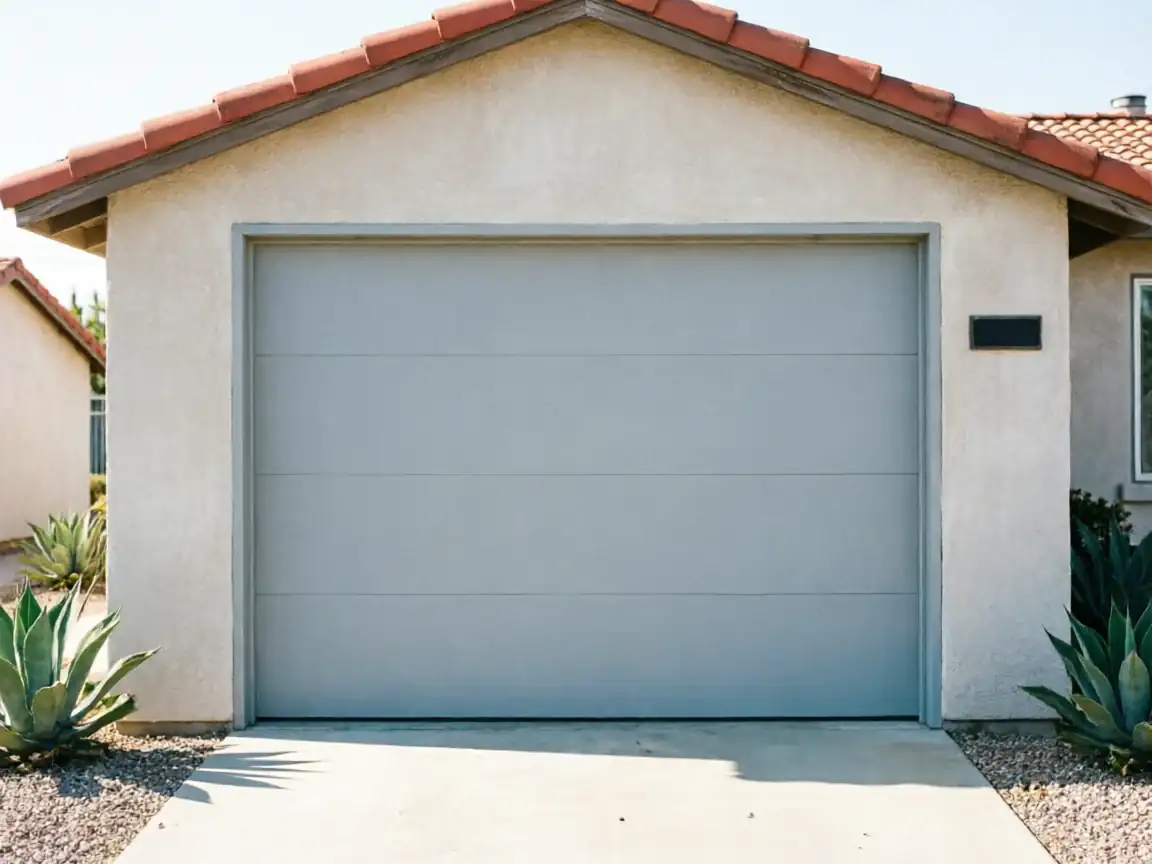
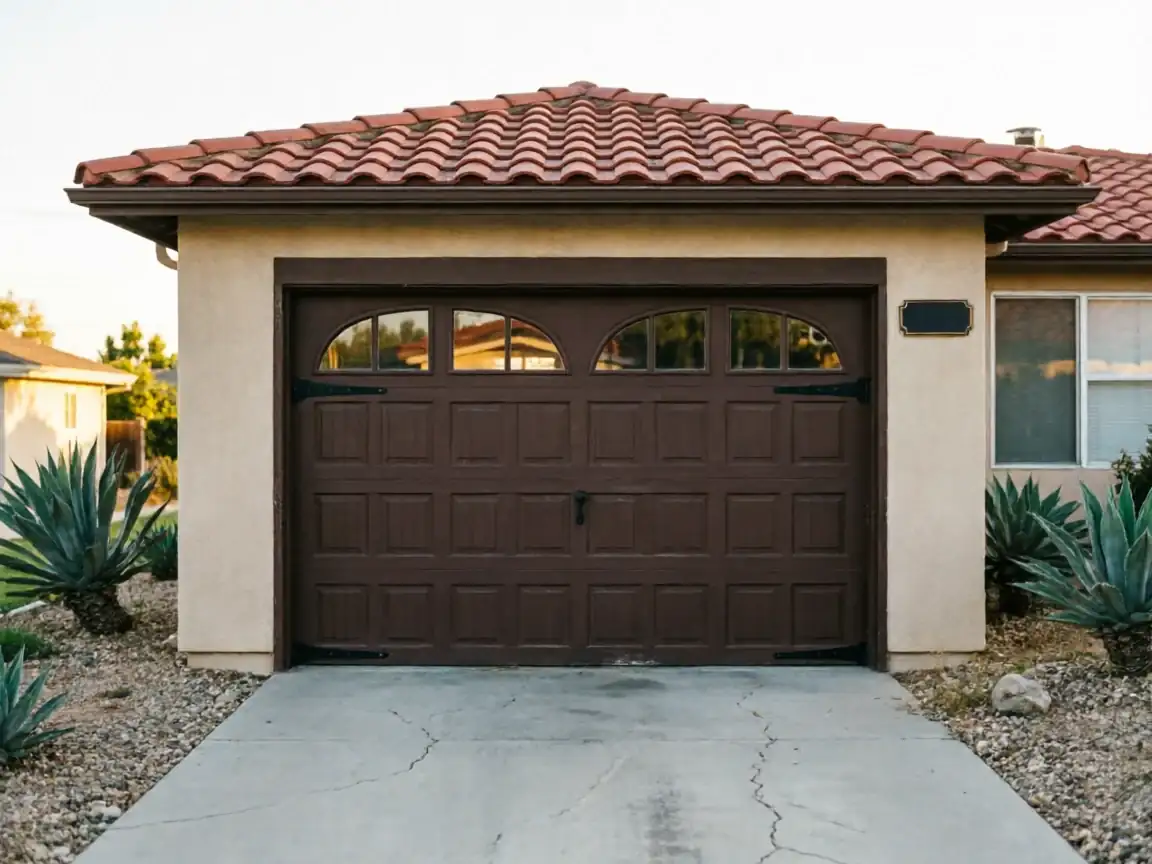
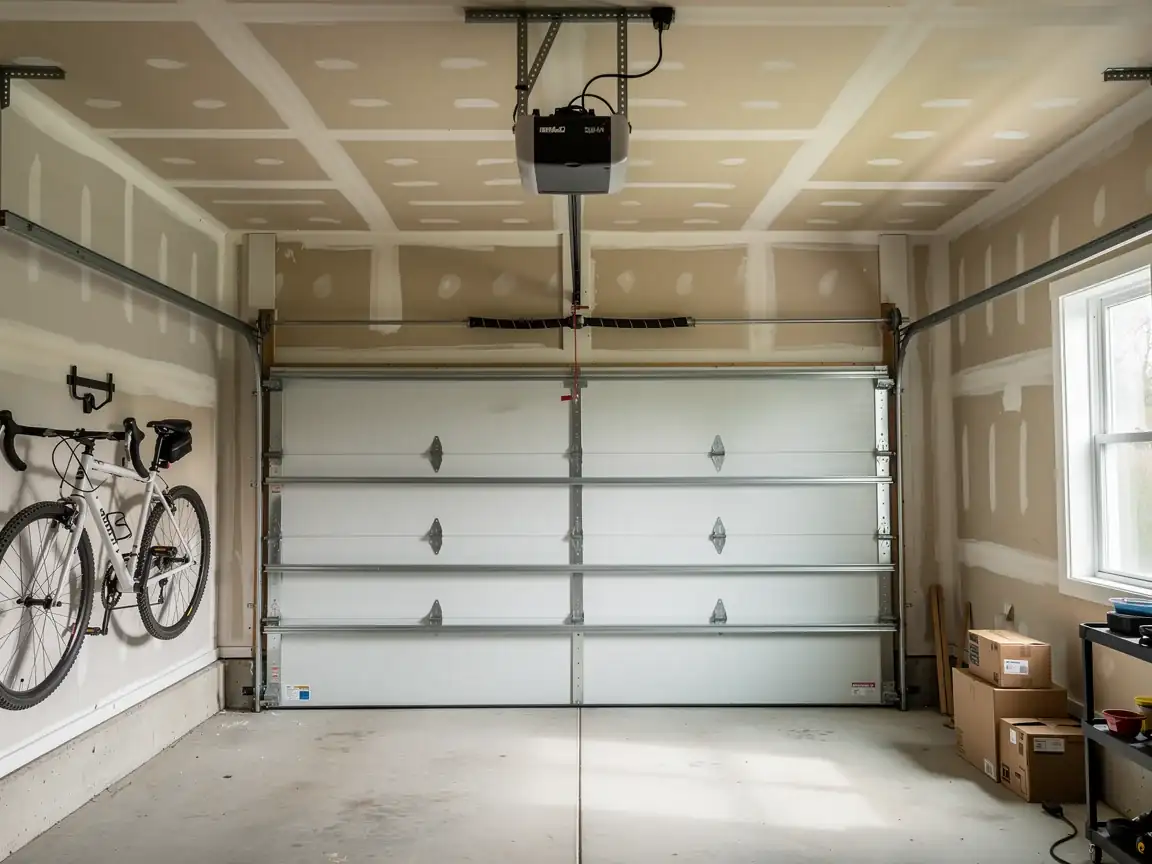
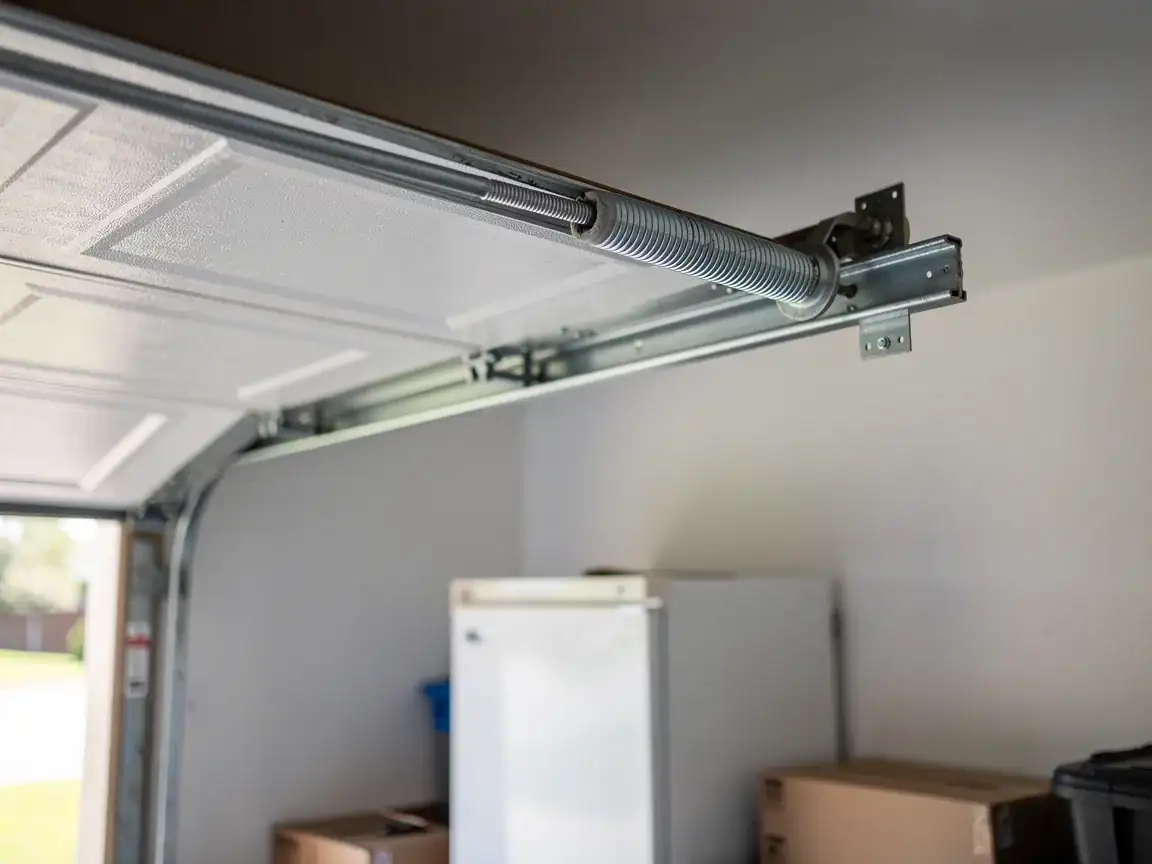
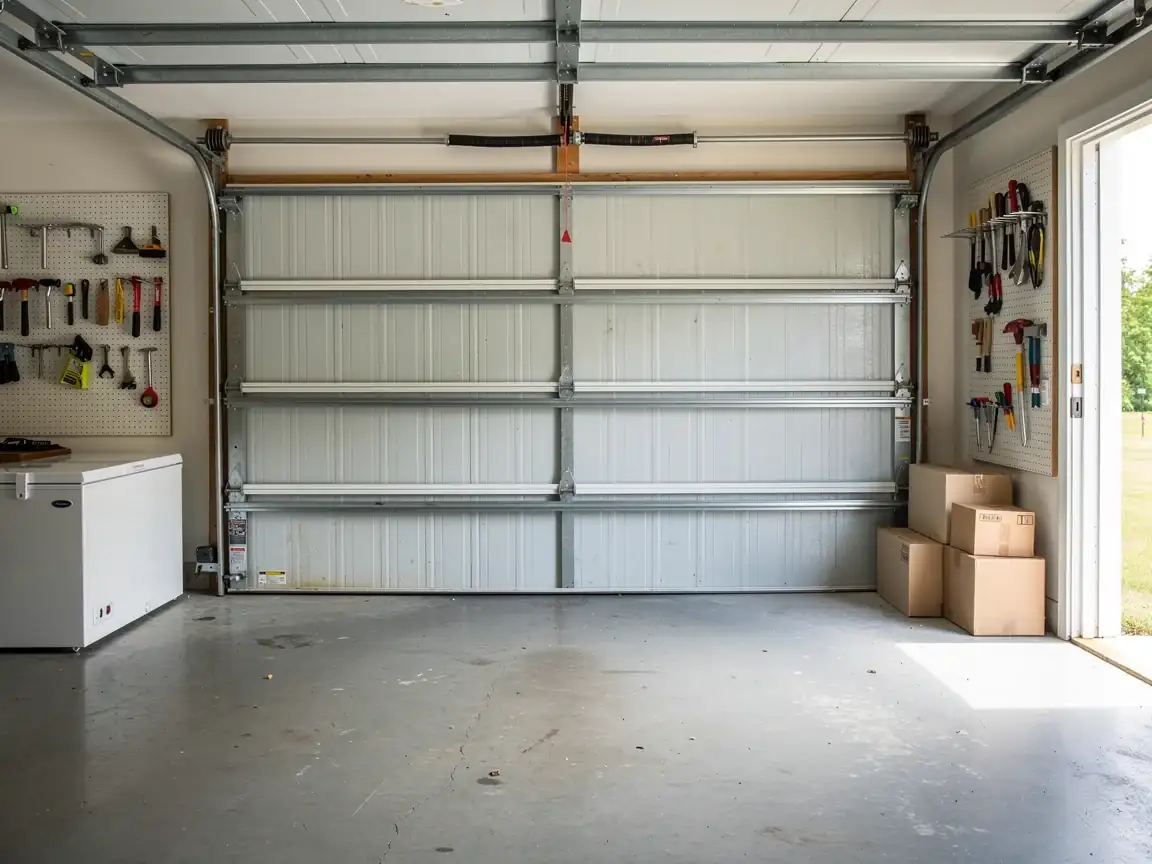
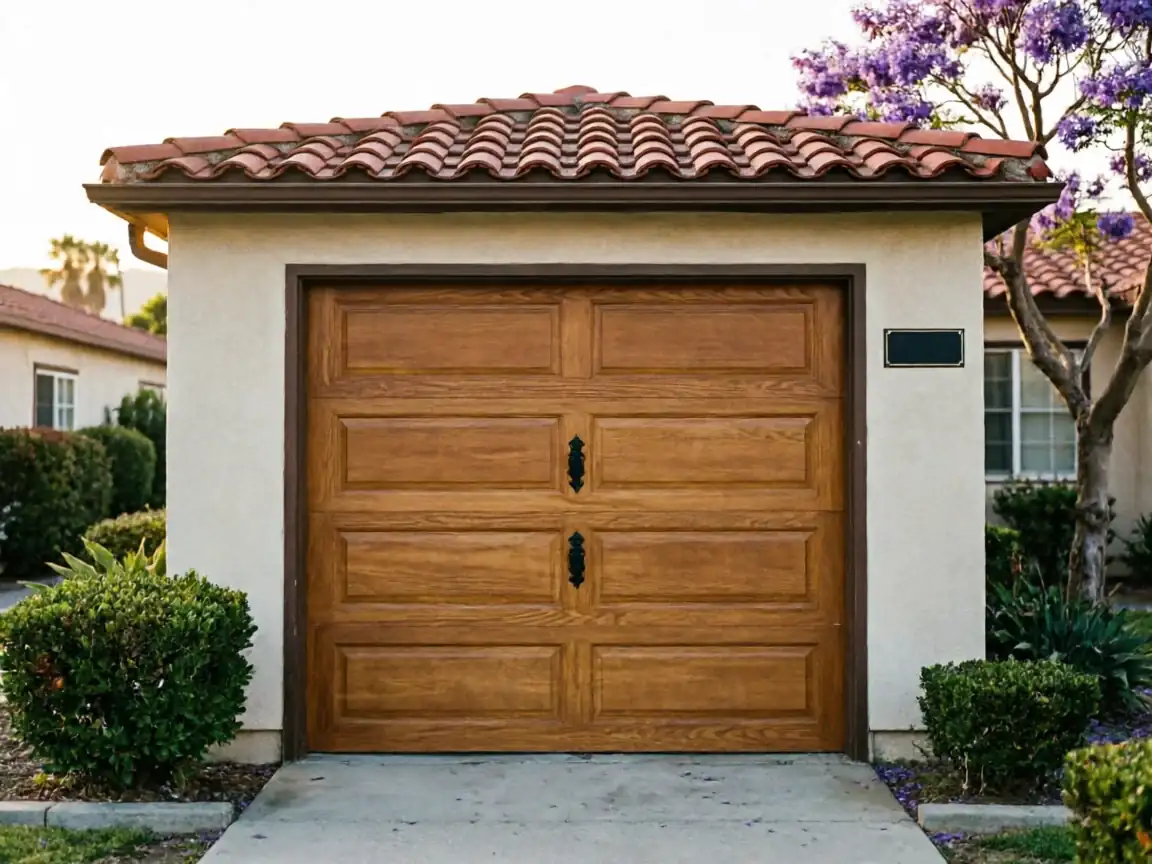
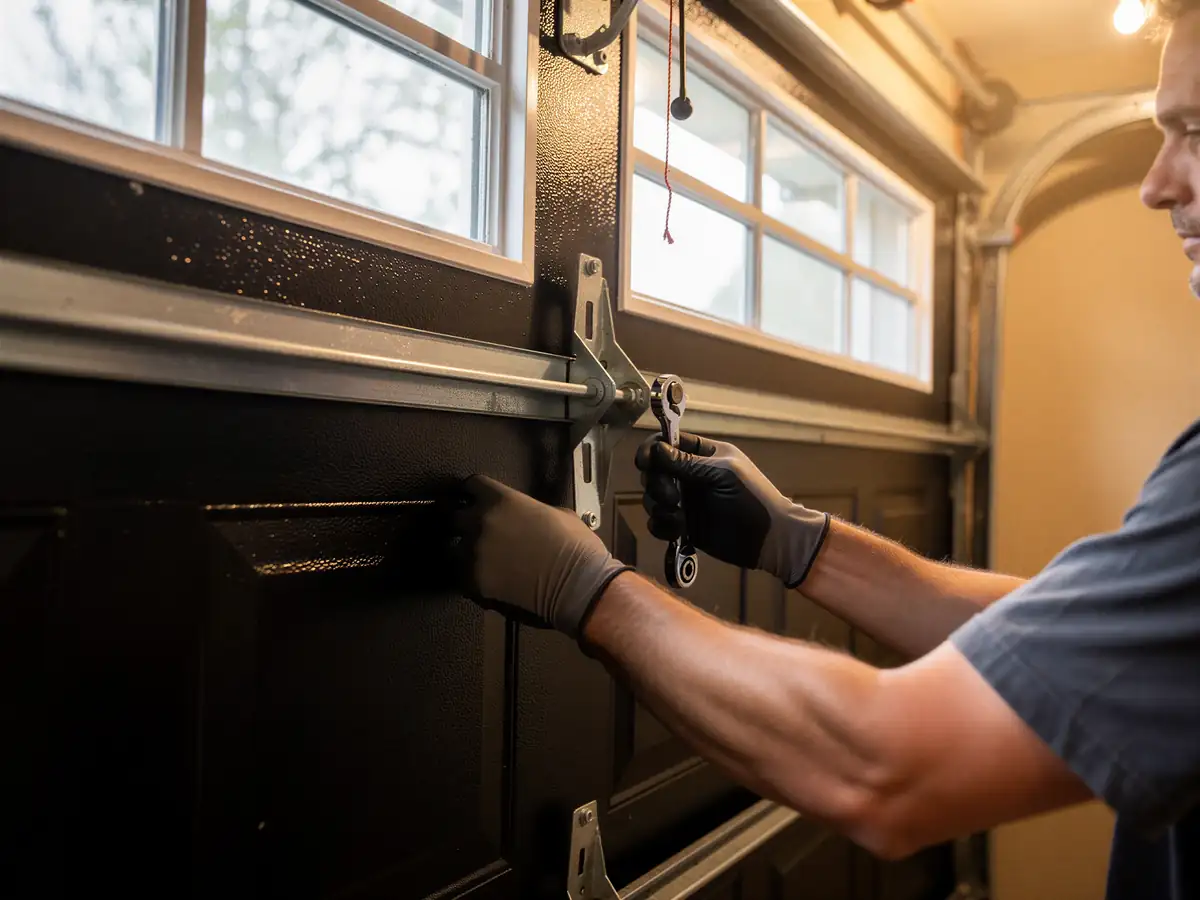
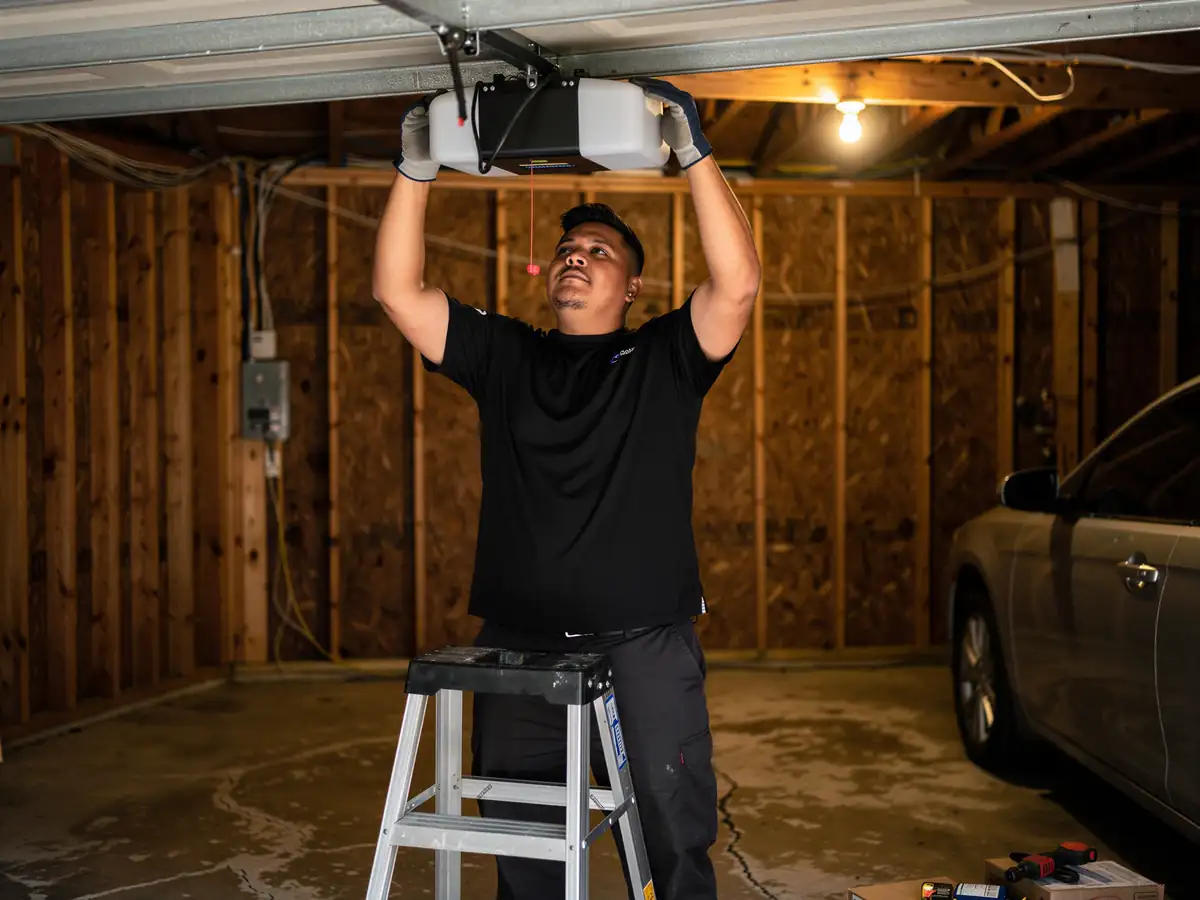
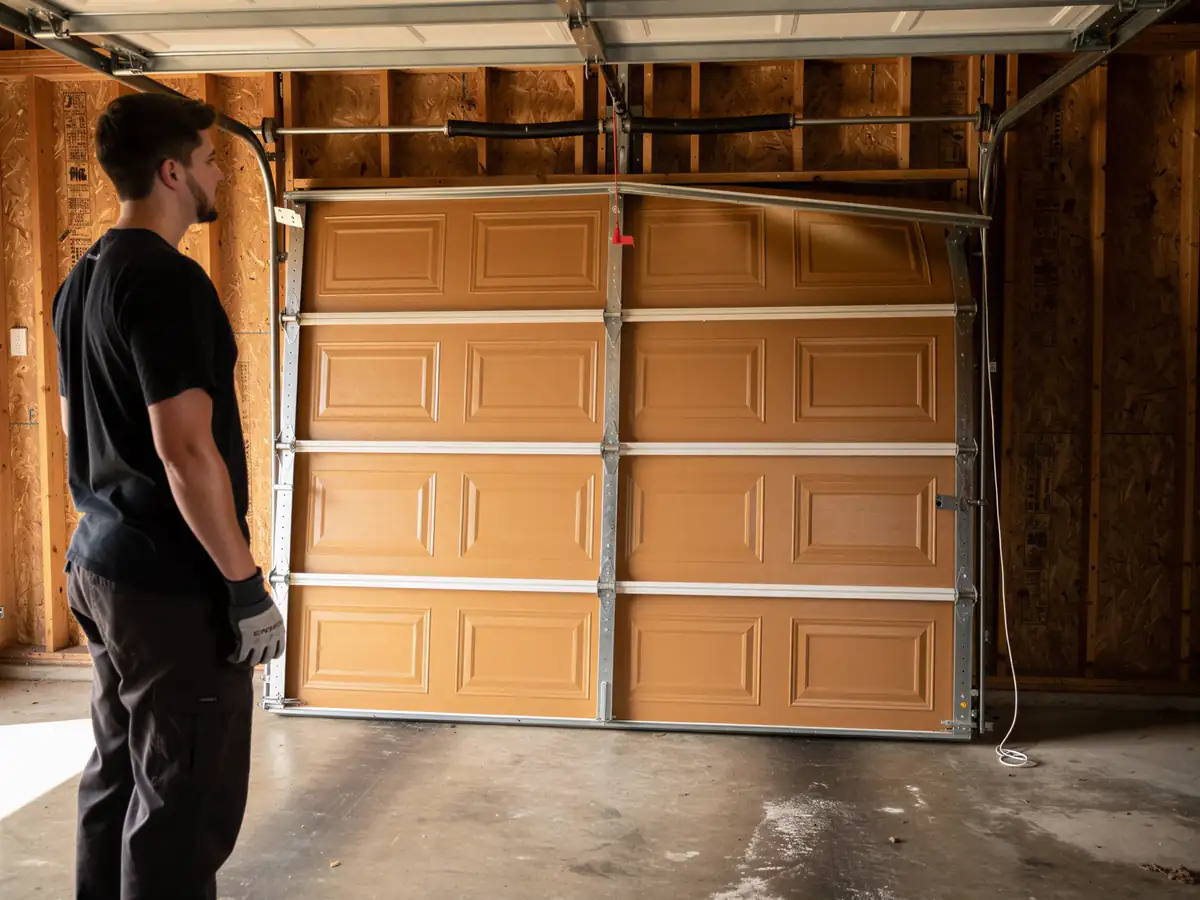
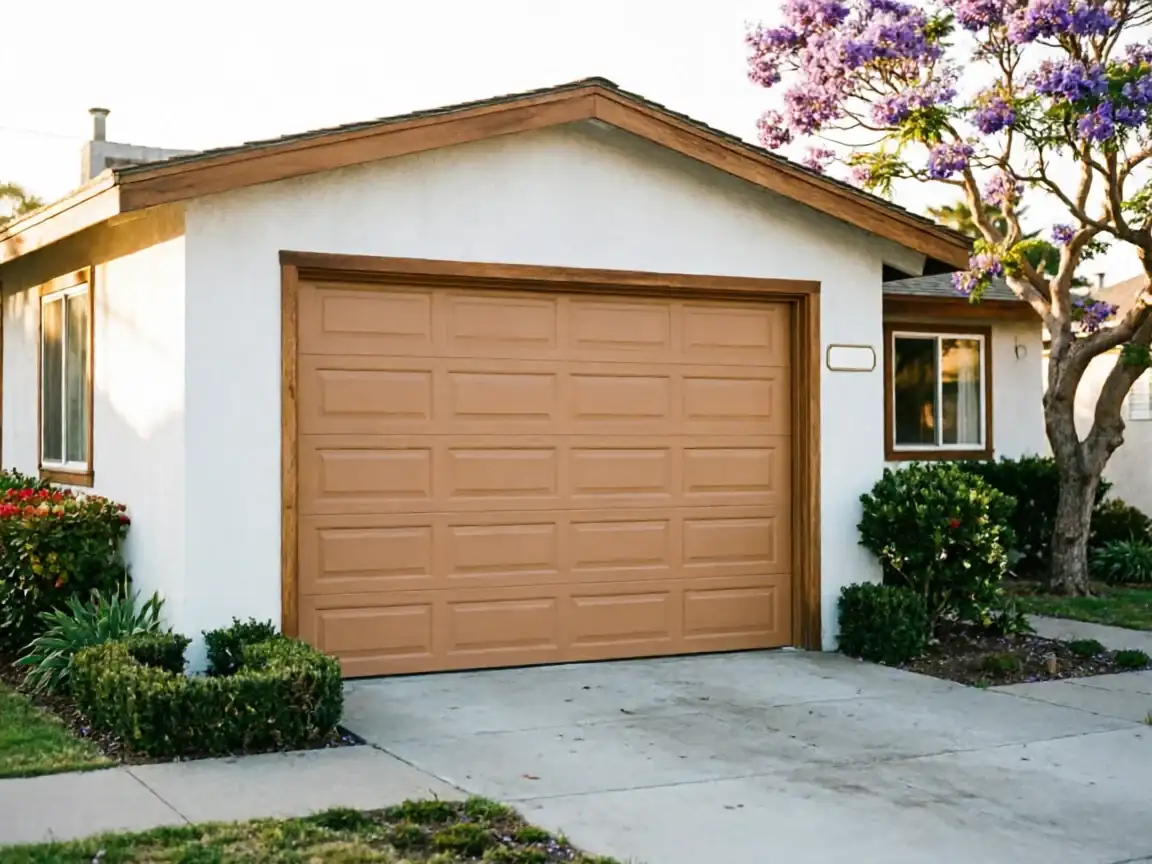
Rossmoor's housing stock centers on 1959, which puts most garages in a narrow build window most companies treat as "old" without knowing what that actually means on a door. In 1959 a single-car or two-car garage typically got a raised-panel wood door hung on a single torsion spring mounted on a header bracket, with steel tracks bolted directly to the jamb rather than the floor-anchored tracks you see on newer builds. That hardware was solid for its time, but it was never designed for 65 years of cycling, and a lot of it is still up there, original. The mild coastal-influenced climate here has been kind to the wood and the steel both - you don't get the rust-through or warping that wrecks doors in harsher climates - so the panels and tracks often look fine while the spring and cable underneath are long past safe. That combination, sound-looking door and tired hardware, is why a lot of Rossmoor calls start with "it was working yesterday." The door isn't failing from weather damage. It's failing from age nobody can see from the driveway.
What It Costs
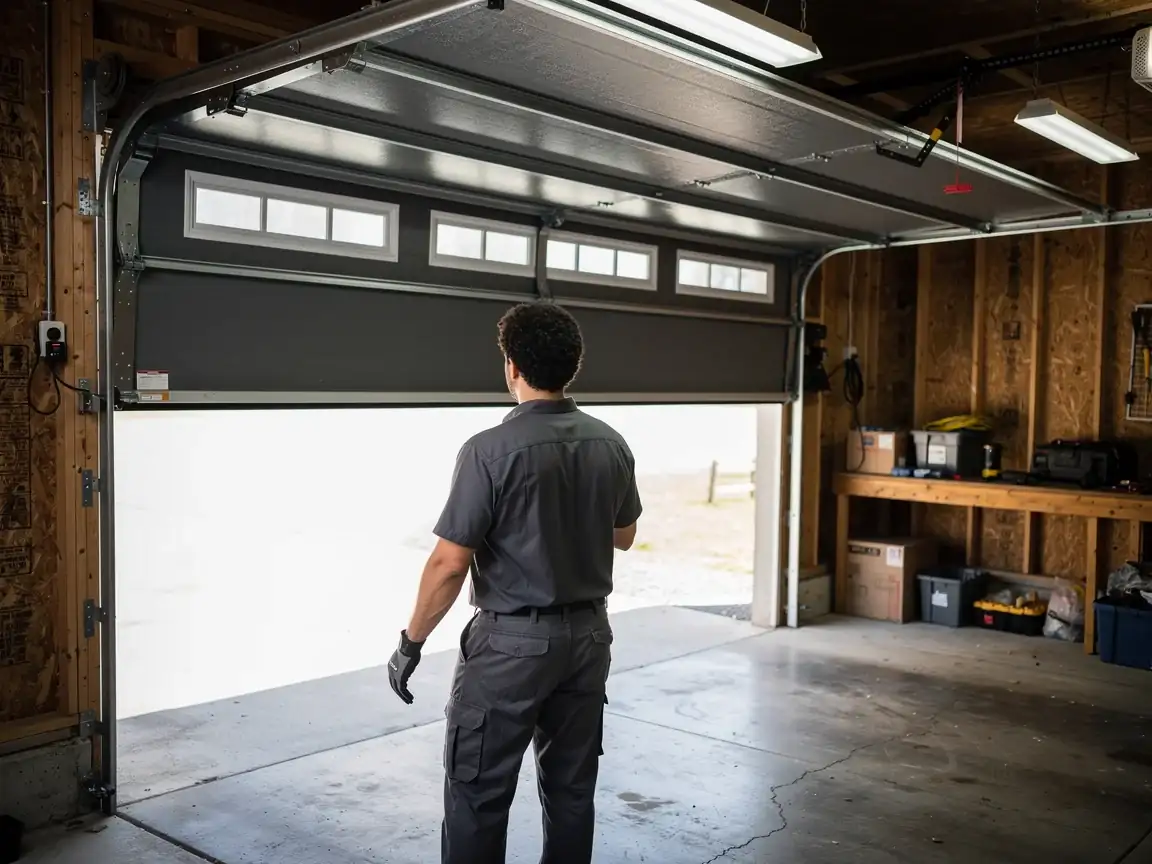
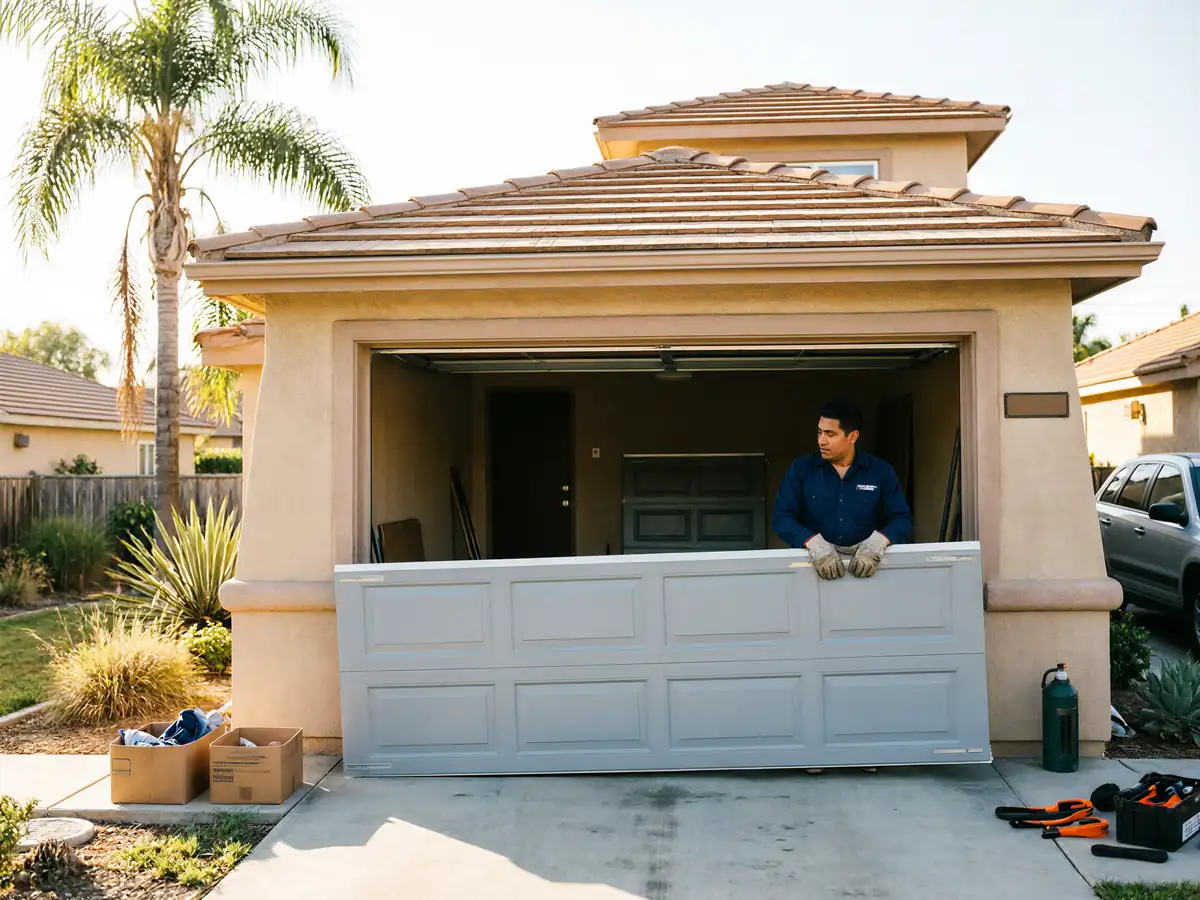
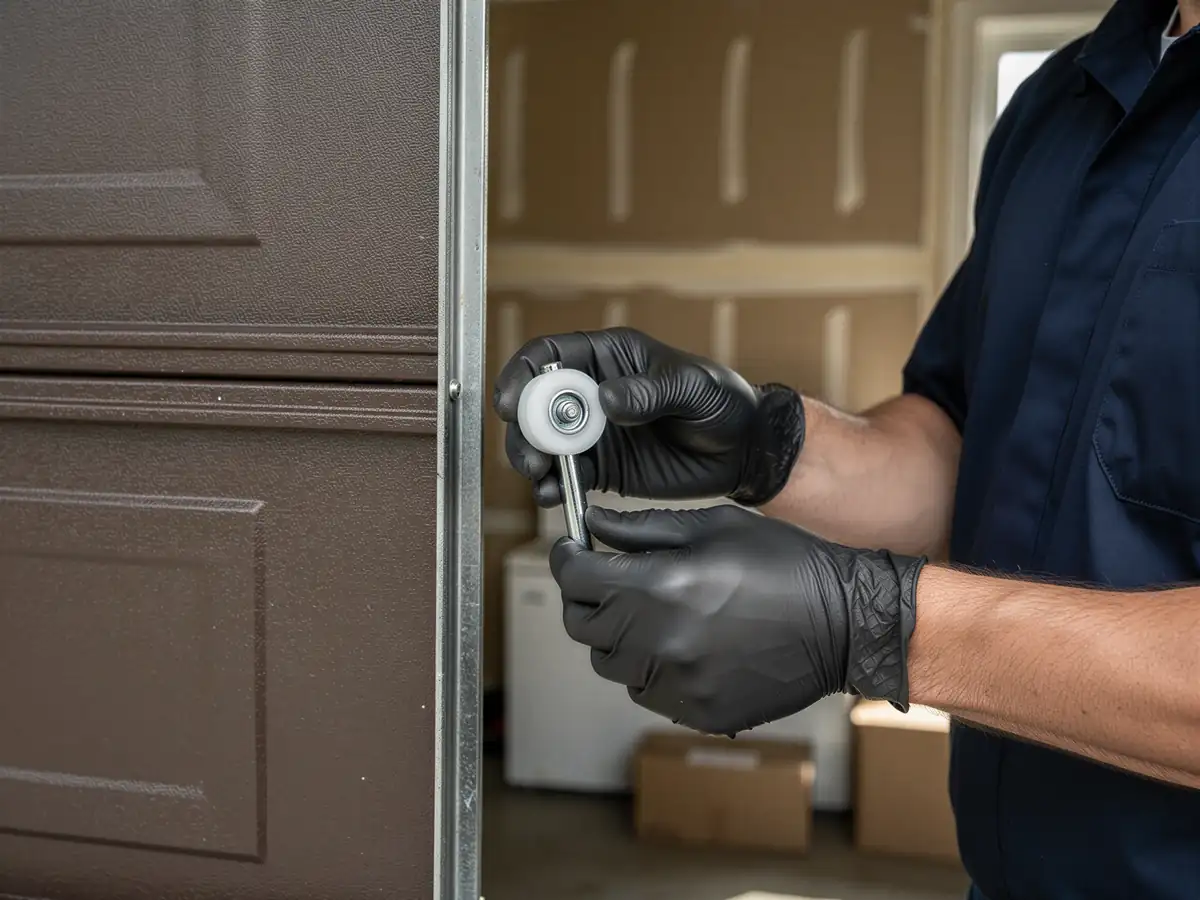
We don't post a flat number here because what a 1959-era door needs varies more than people expect - a single torsion spring swap is a different job from replacing a track system that's been shimmed and re-shimmed over the decades. Rossmoor's median household income runs well above the surrounding area at $200,833, and we see more owners here opt for matched hardware and finish-grade replacement parts rather than the cheapest fix that gets the door moving again. That's a choice we lay out plainly, not something we push. The honest limit: if the wood door itself has delaminated or the jamb has shifted out of square, no spring or track repair fixes that, and we'll tell you it's a replacement conversation, not a repair one.
Where This Job Goes Sideways
The most common mistake on a 1959-era door is sizing the replacement spring off the door's weight alone, without accounting for the original torsion setup being a single spring where a modern code-compliant job would often split it across two. Get that wrong and the door either won't lift evenly or it overloads the one spring doing a two-spring job. The second mistake is reusing an old header bracket that's been drilled and redrilled from prior repairs - it looks fine until it's under full spring tension and lets go. We've also seen tracks that were never floor-anchored to begin with get