Why It Happens Here
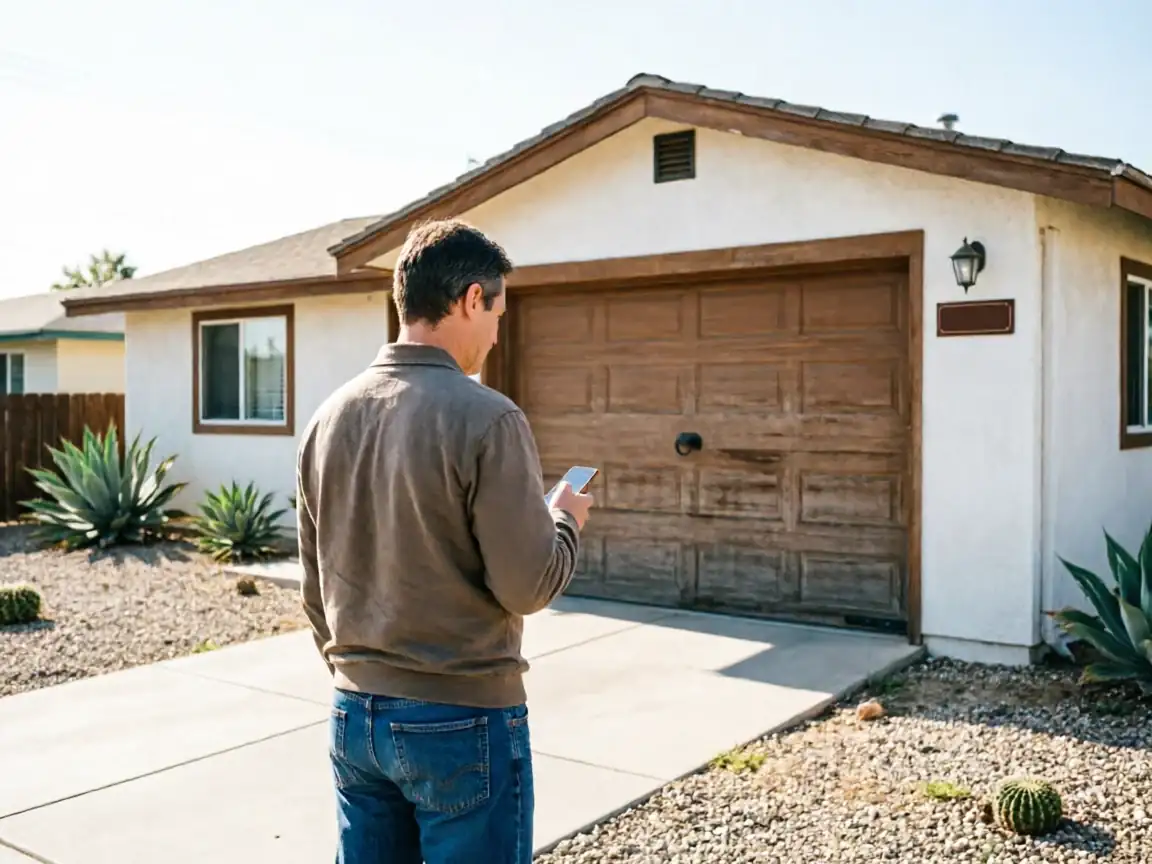
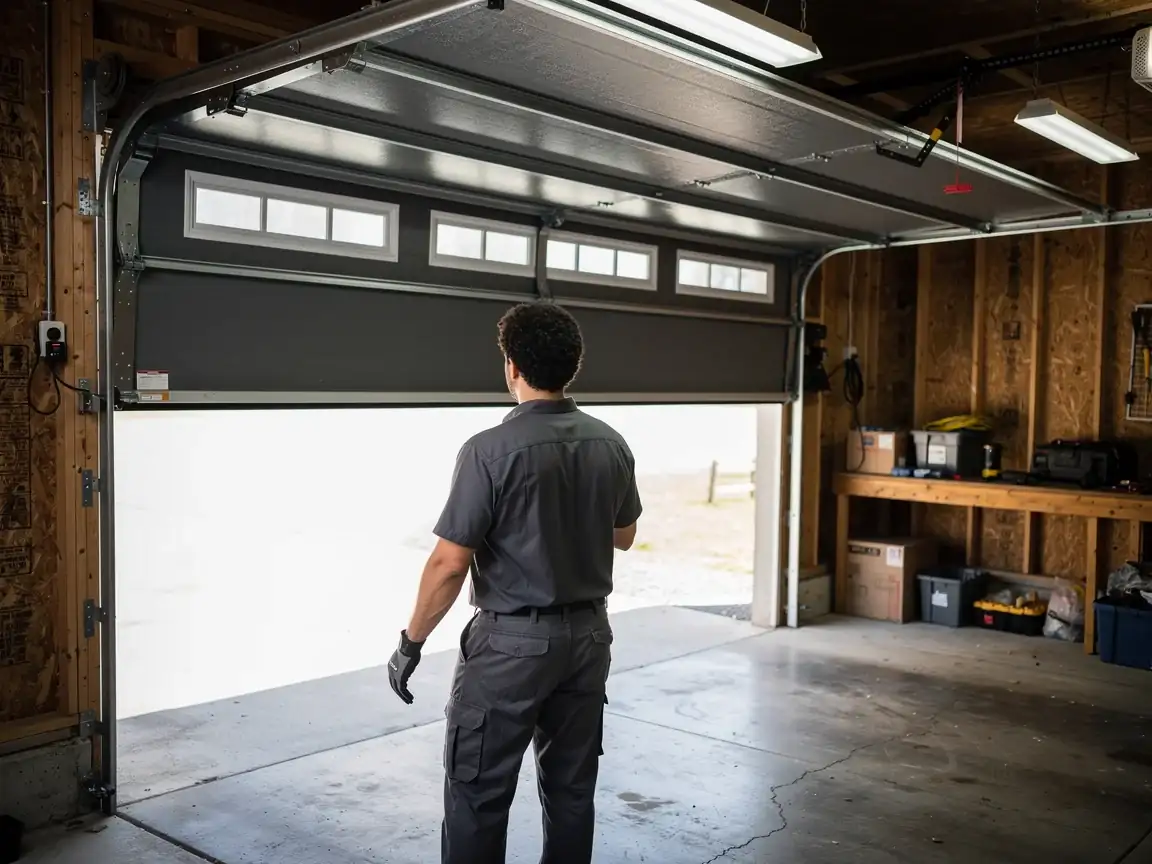
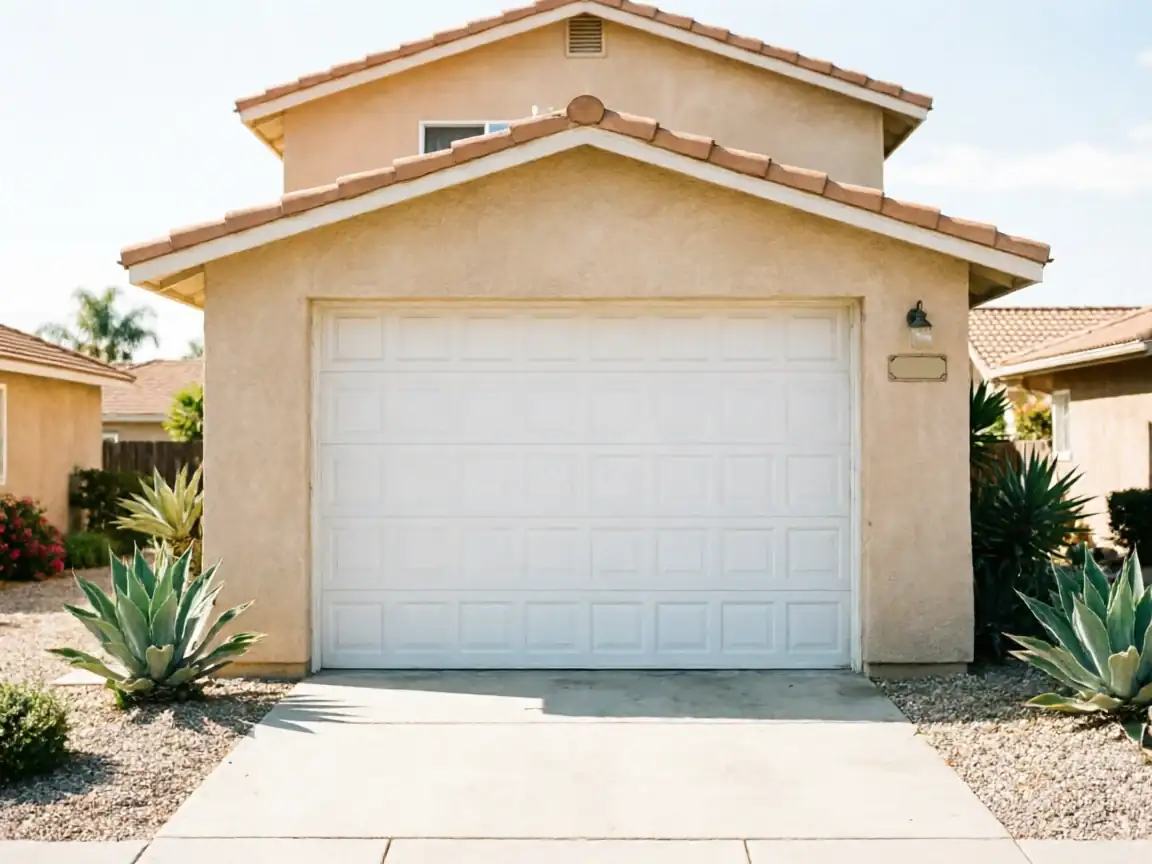
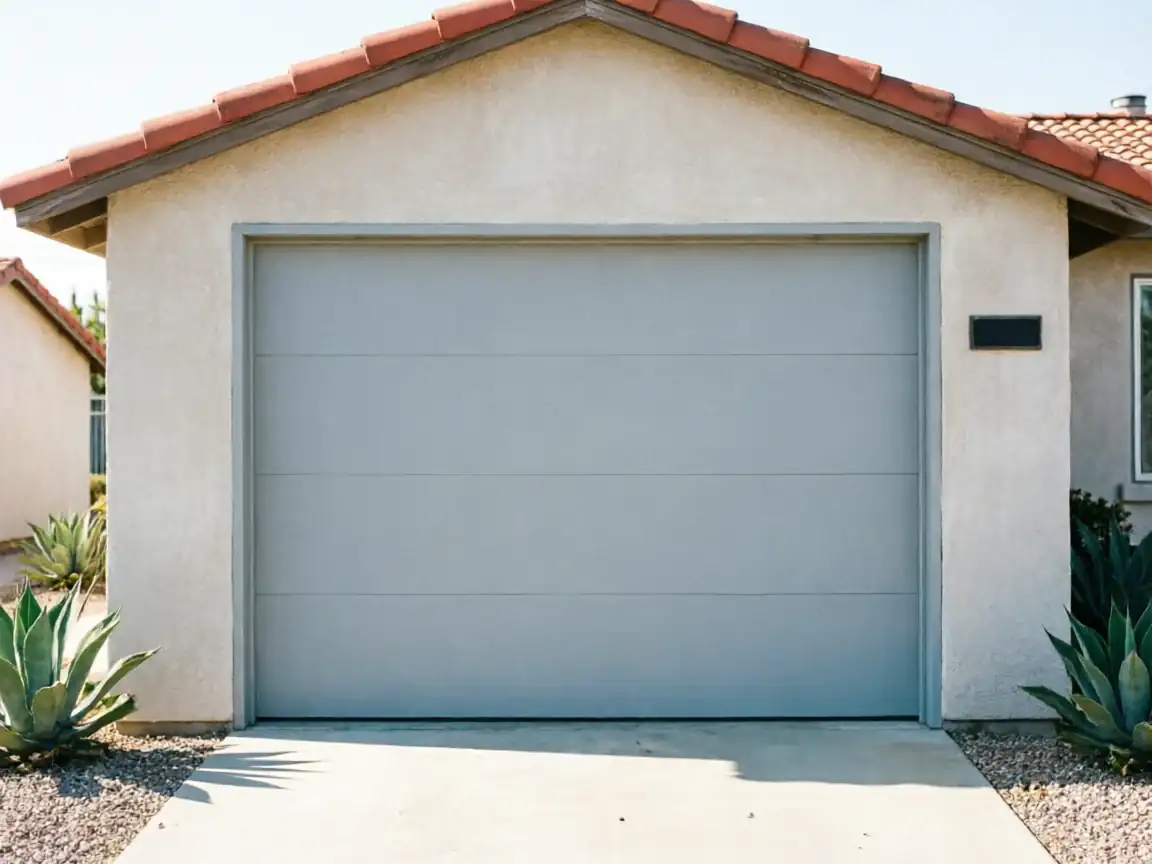
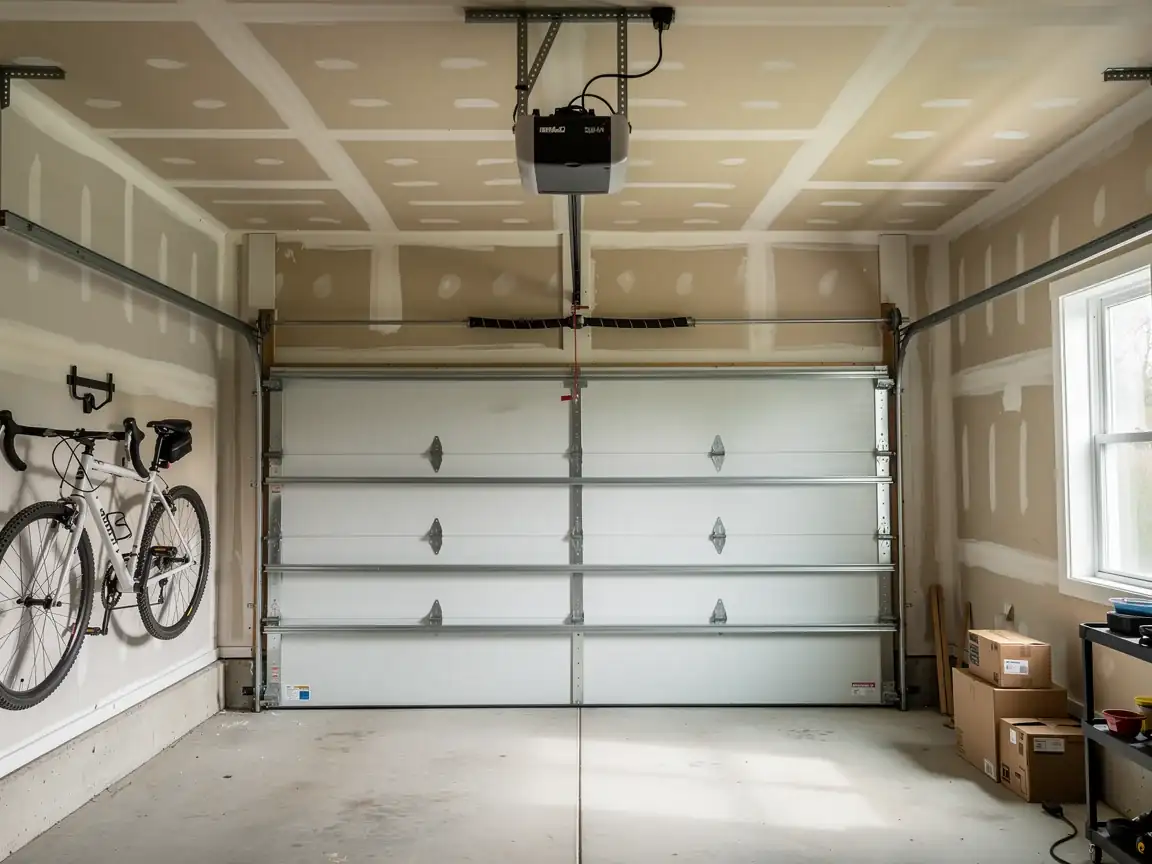
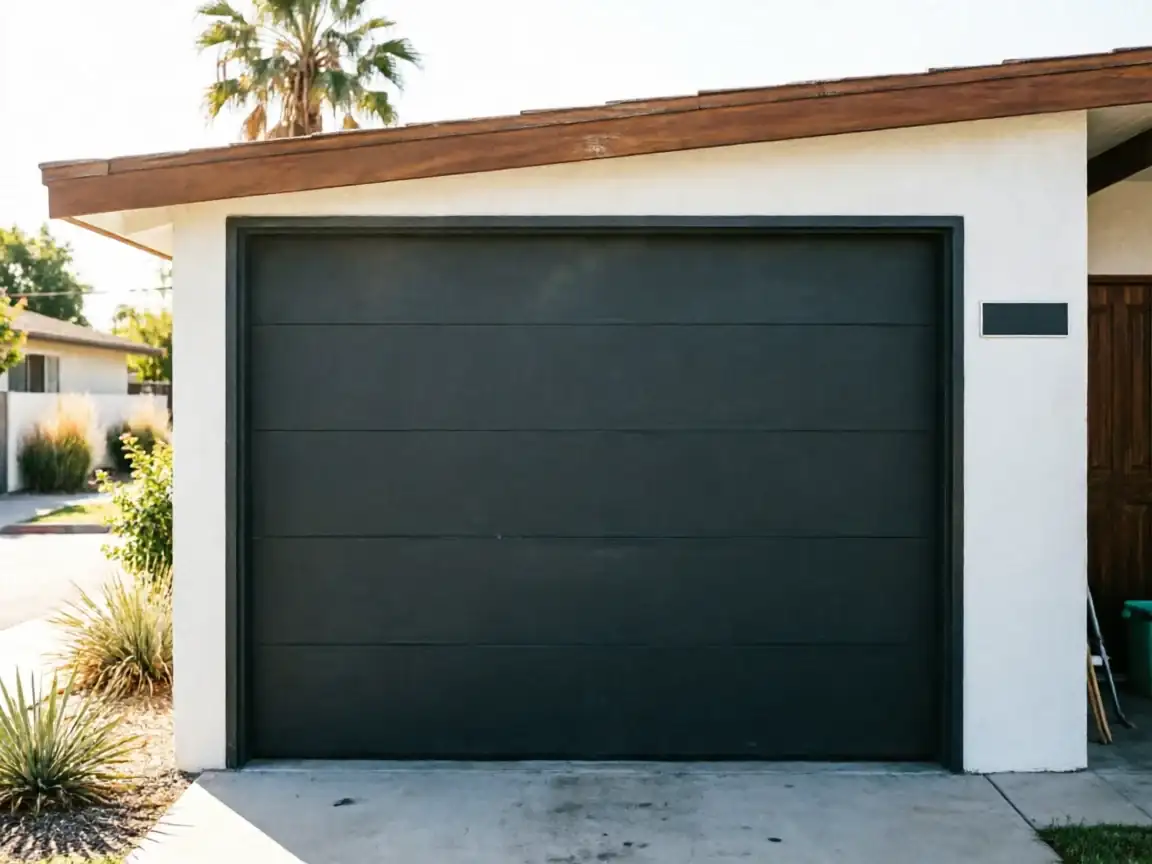
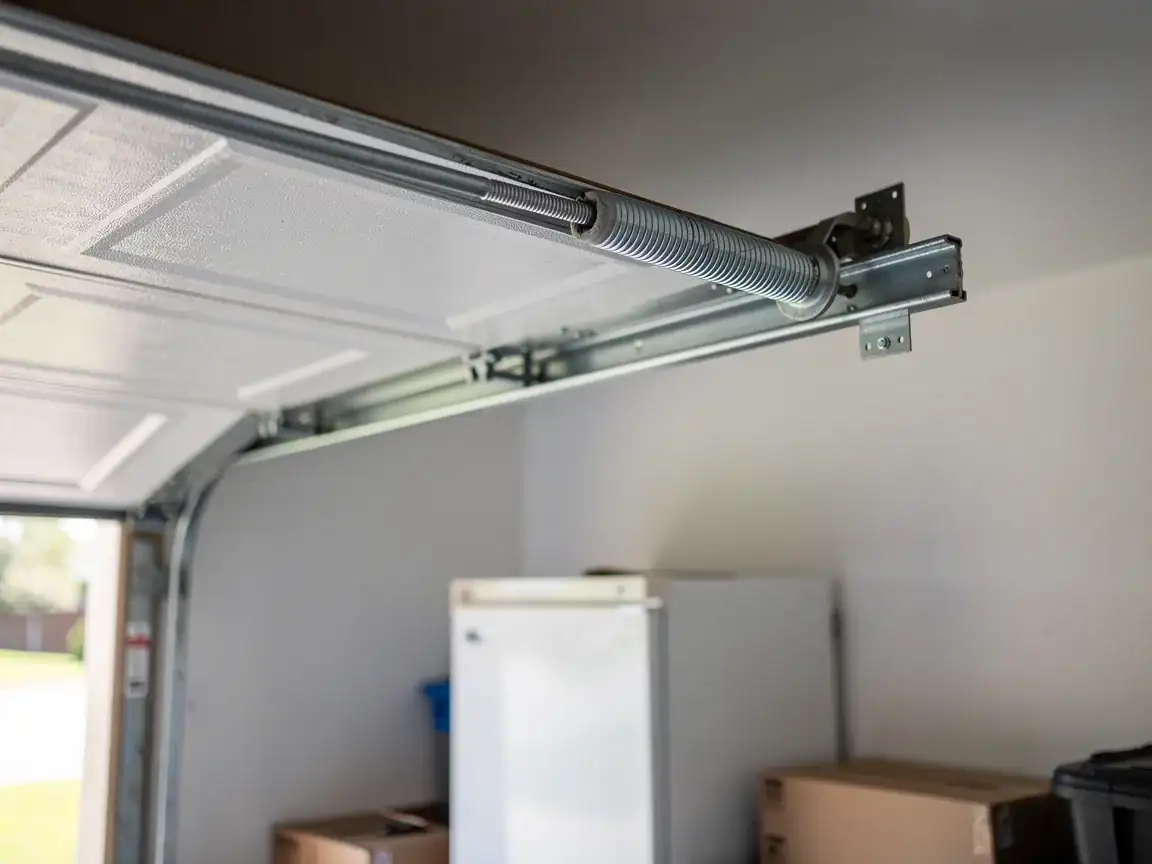
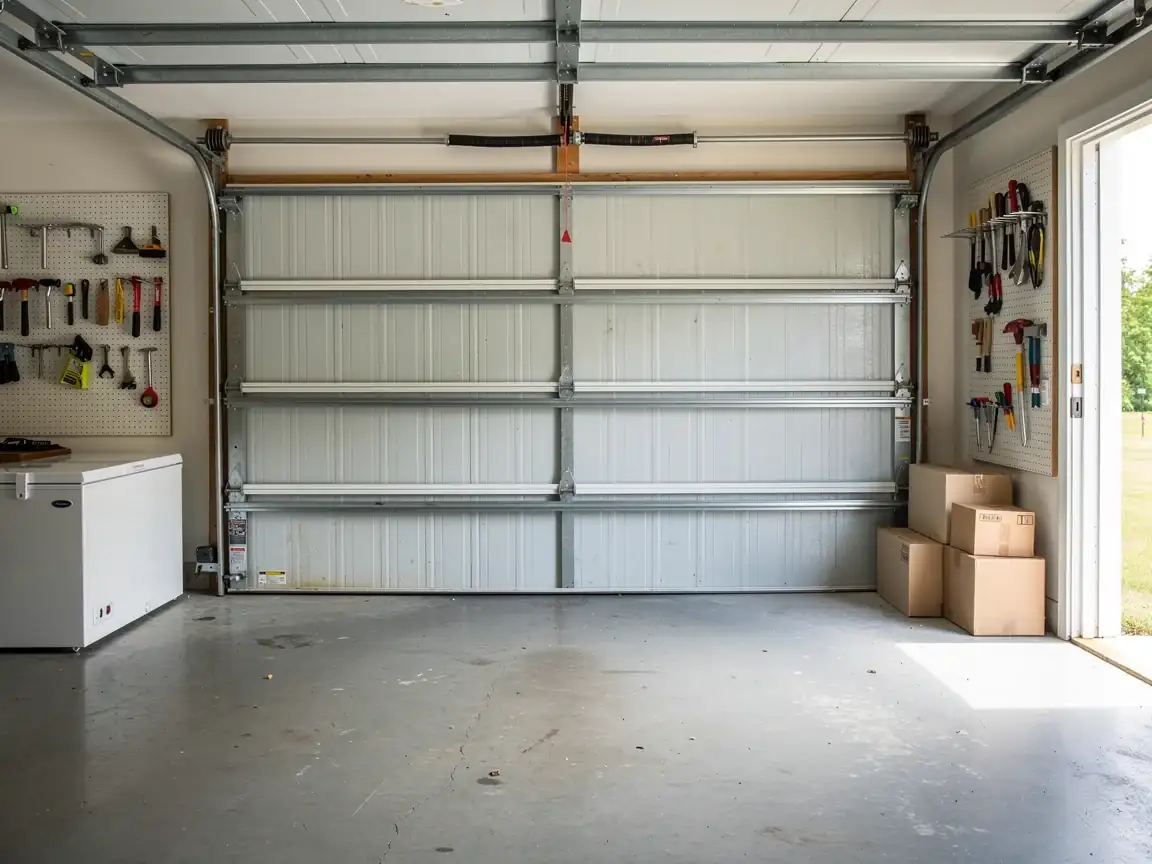
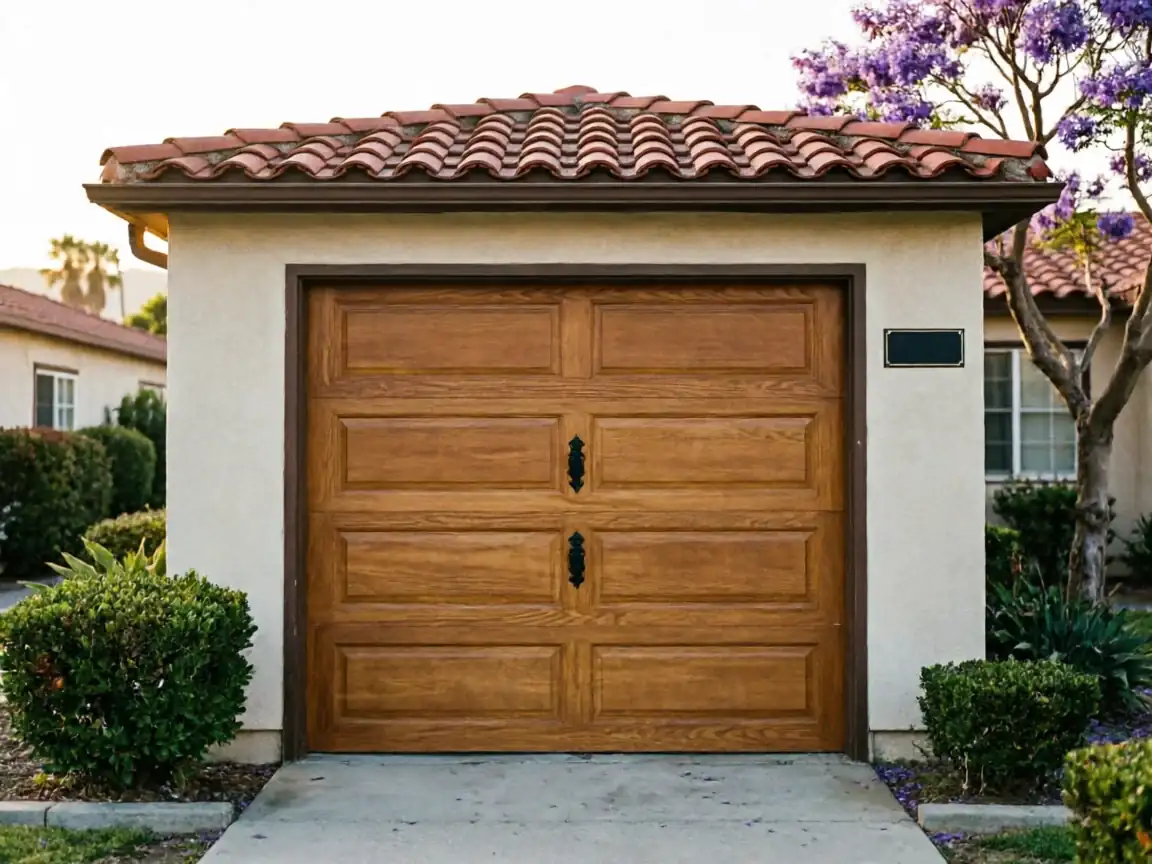
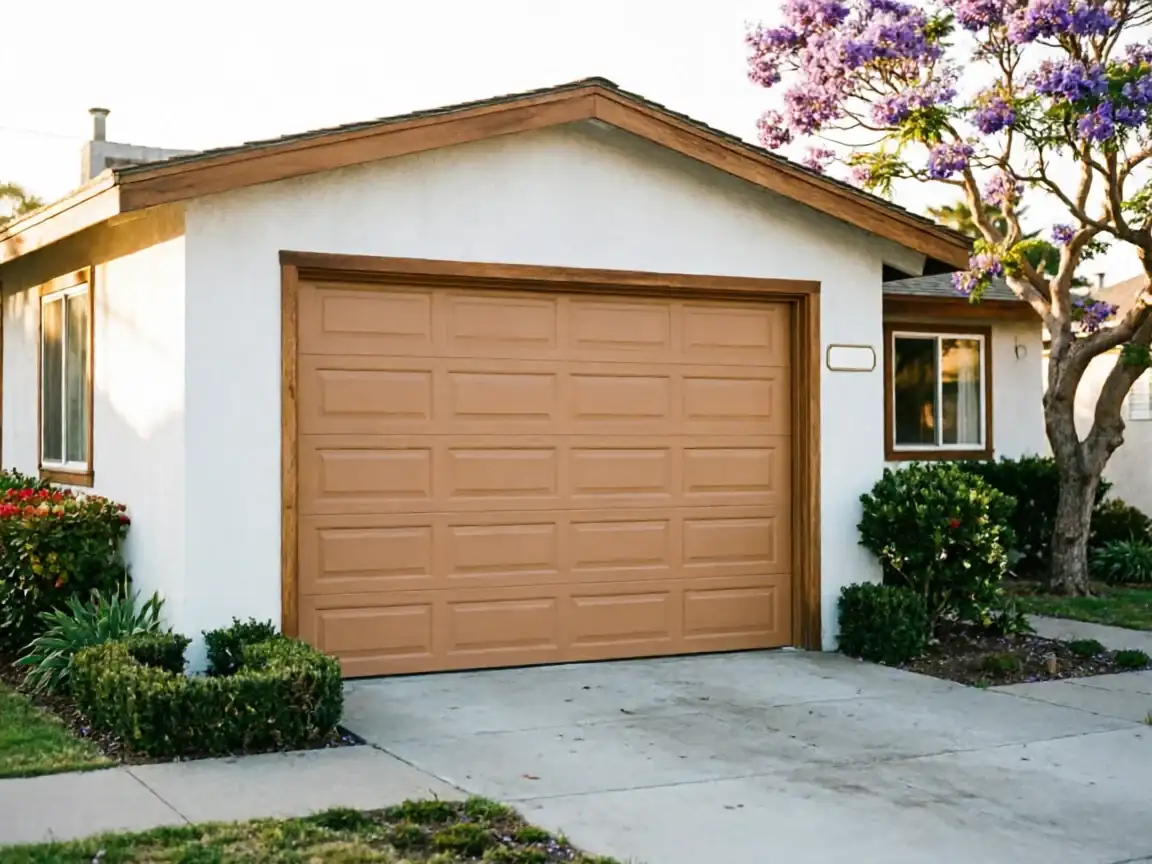
Most houses in Rossmoor went up around 1959, which puts the garage doors themselves at a specific point in manufacturing history. A lot of these are still single-layer wood doors, hung as a pair of singles or one wide double, run on steel tracks that were never built with today's heavier openers in mind. Some owners swapped in a steel sectional at some point over the decades, but even those replacements are old enough now that the torsion springs are past their rated cycle count. Wood doors this age have usually swelled, dried, and swelled again enough times that the panel itself has gone slightly out of square, which puts side load on rollers and hinges that steel doors don't see. The mild coastal climate here hasn't rotted these doors out the way a wetter inland town would, but it hasn't saved the hardware either - the springs and cables don't care about humidity, they care about cycle count and age. A door built the year this neighborhood was platted is now old enough that failure isn't a surprise, it's overdue.
What It Costs
We don't have a flat number to quote here since cost depends on whether we're adjusting an original 1959 wood door or servicing a later steel replacement - the parts and labor aren't the same job. What we can say is that Rossmoor's housing stock means we see a wider range of door types on a single street than you'd find in a newer tract, so pricing gets confirmed on the visit, not over the phone. Income levels in this part of the service area run well above the regional median, and we've found that translates to owners who'd rather replace a tired original door outright than keep patching it - that's a conversation we have on site, not a number we print in advance.
Where This Job Goes Sideways
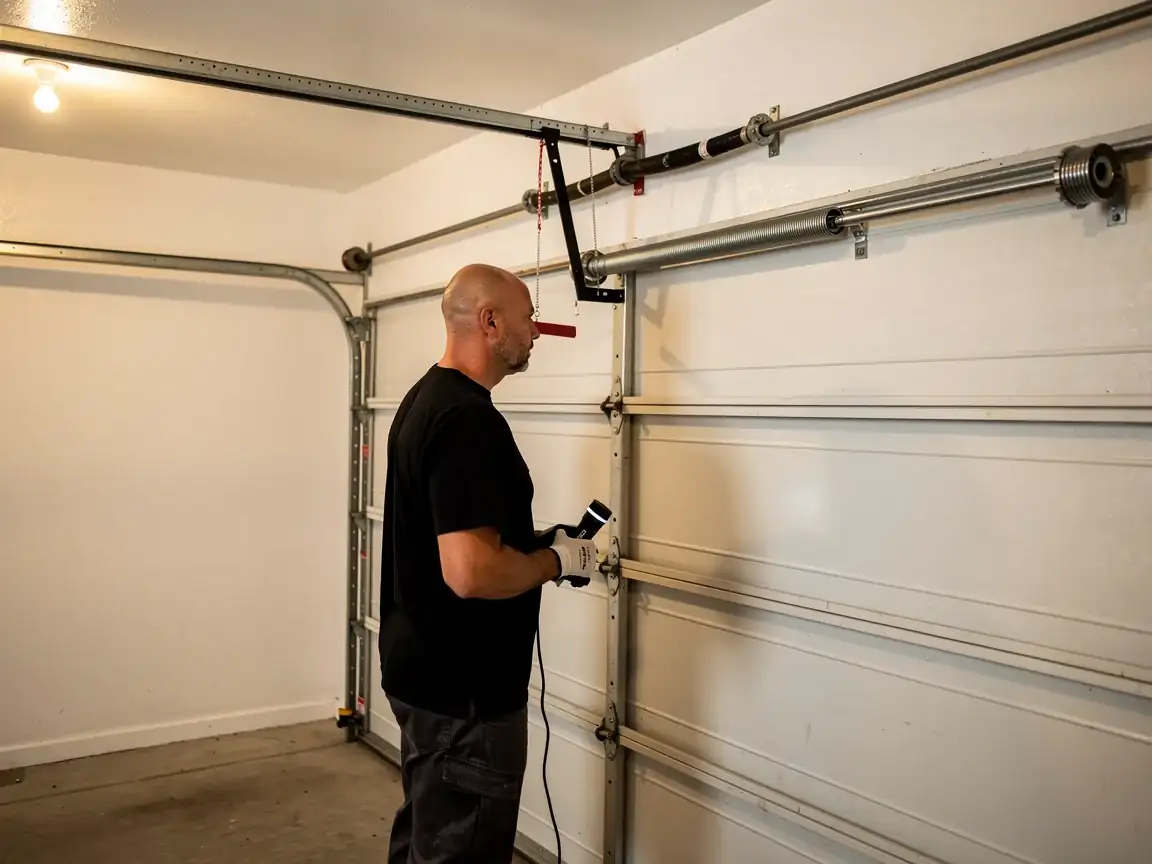
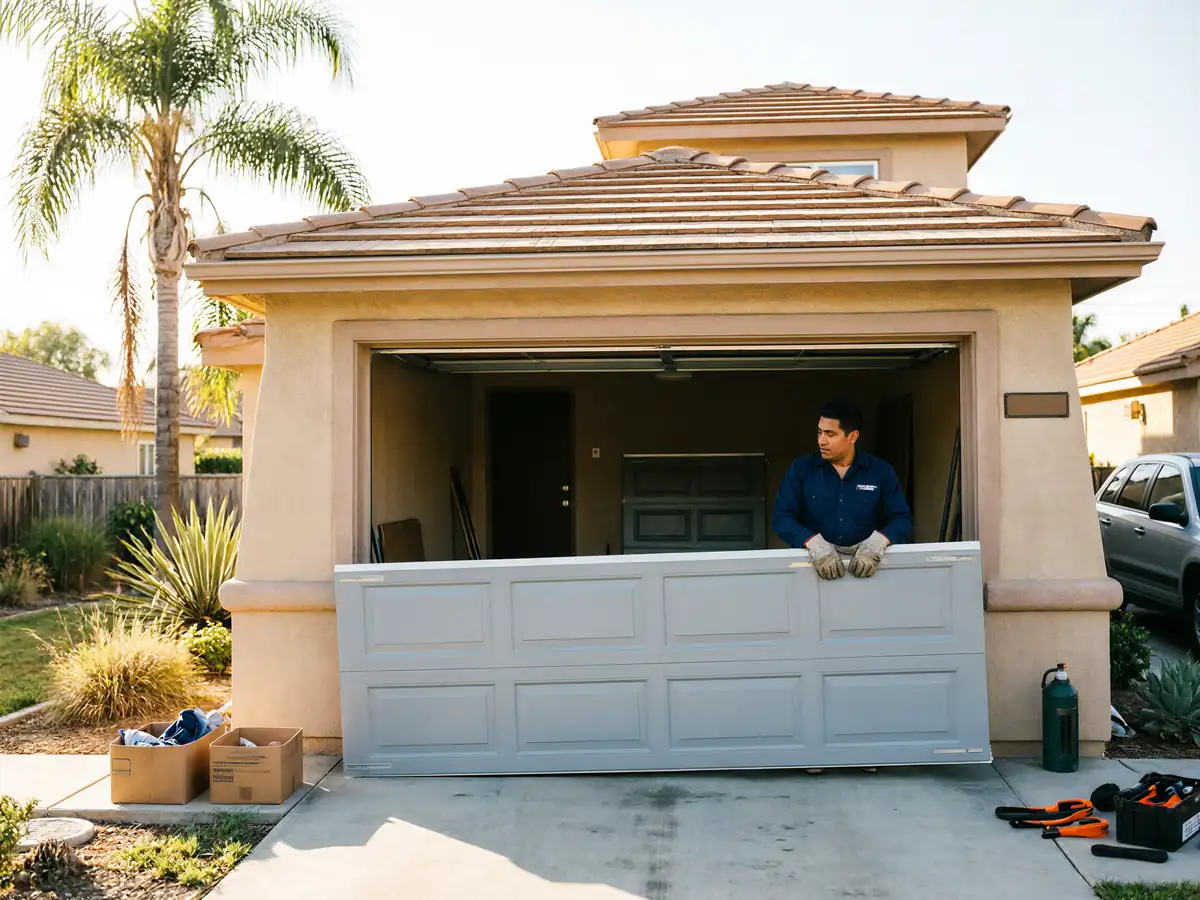
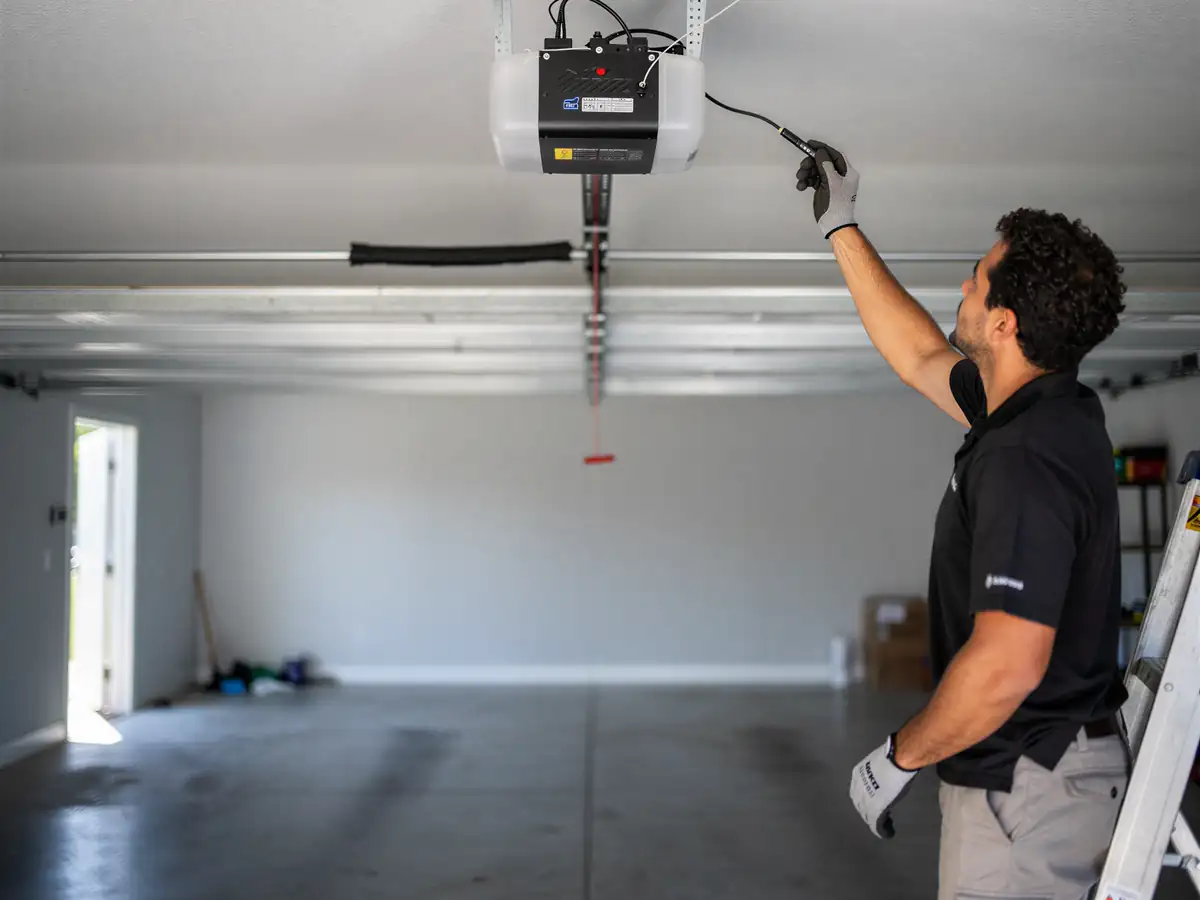
The trouble spot on a wood door this age is usually hidden until the panel is off its track. A spring replacement that looks routine turns into a bigger job when we find the wood has split where the hinge screws bite, meaning the hinge has been flexing under load for years instead of holding firm. On the steel sectionals swapped in later, the issue is usually a mismatched opener - someone installed a heavier unit than the aging track and spring were sized for, so the opener motor has been doing work the spring should be doing. With only 3,970 households in Rossmoor, we're not pulling from a high volume of recent jobs here, so every call gets treated as its own diagnosis rather than a repeat of yesterday's.
The Symptom
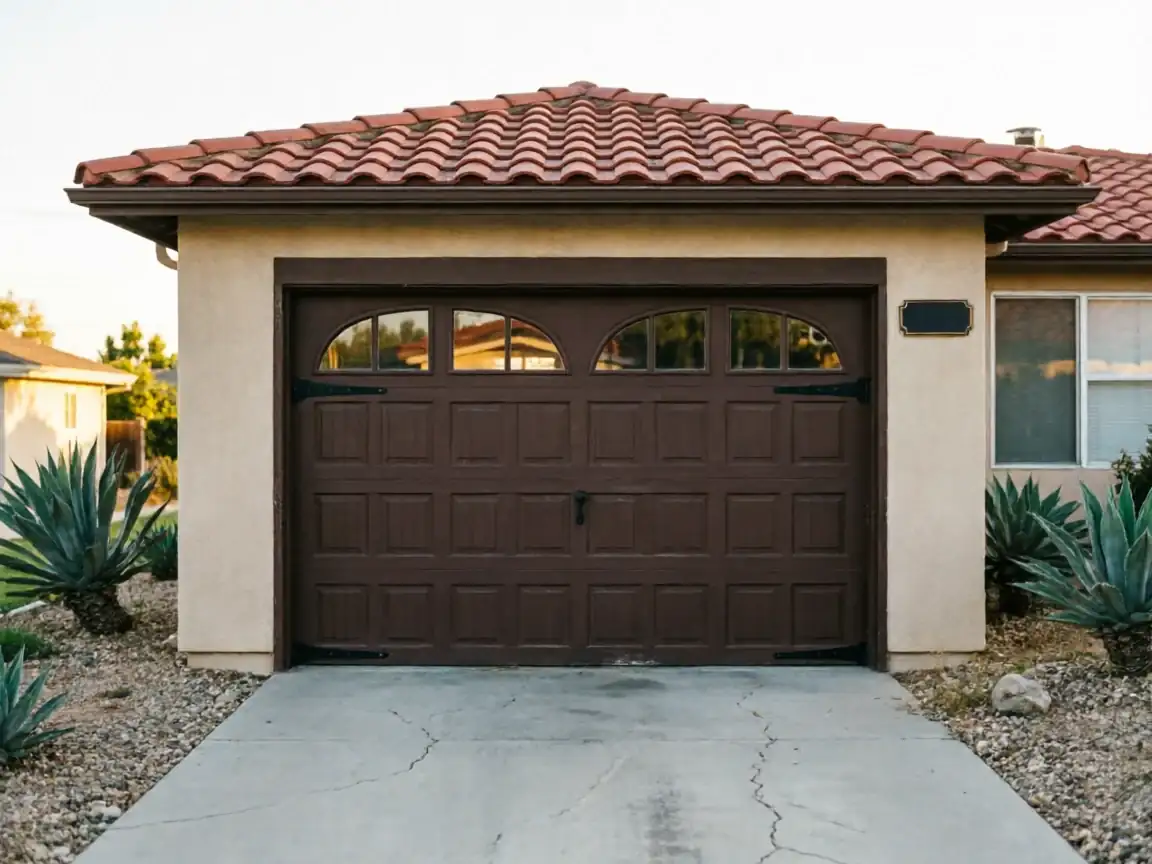
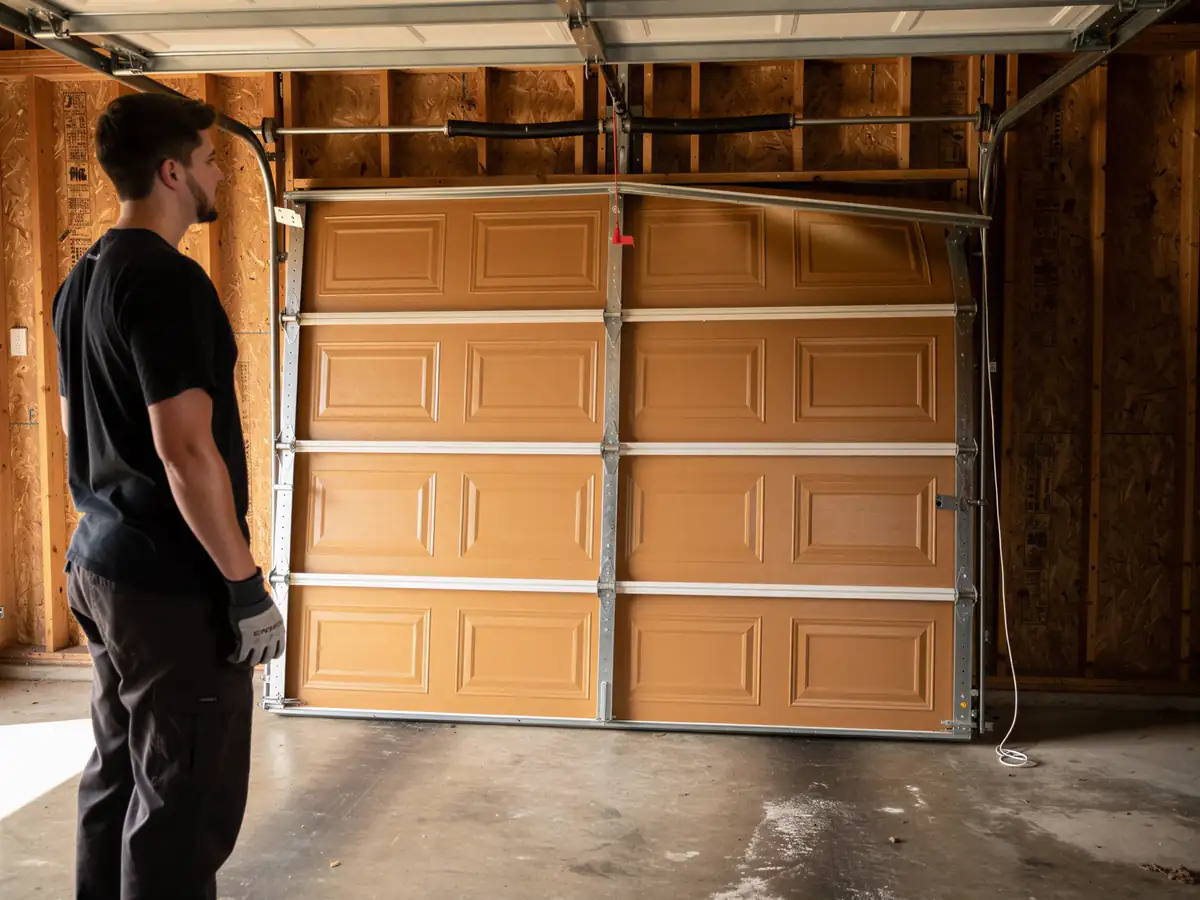
A door that drags on one side, or closes crooked and leaves a gap at one corner, is usually the first sign on a wood door from this era - the panel's weight isn't matched to the spring anymore, or the wood itself has shifted. On the steel replacements, a loud bang on opening is more often the tell, meaning a cable has slipped or a spring is near the end of its wind count. Either way, catching it before the door comes off the track entirely saves the hinge hardware, which on these original doors is harder to match than the spring itself.