Where This Job Goes Sideways
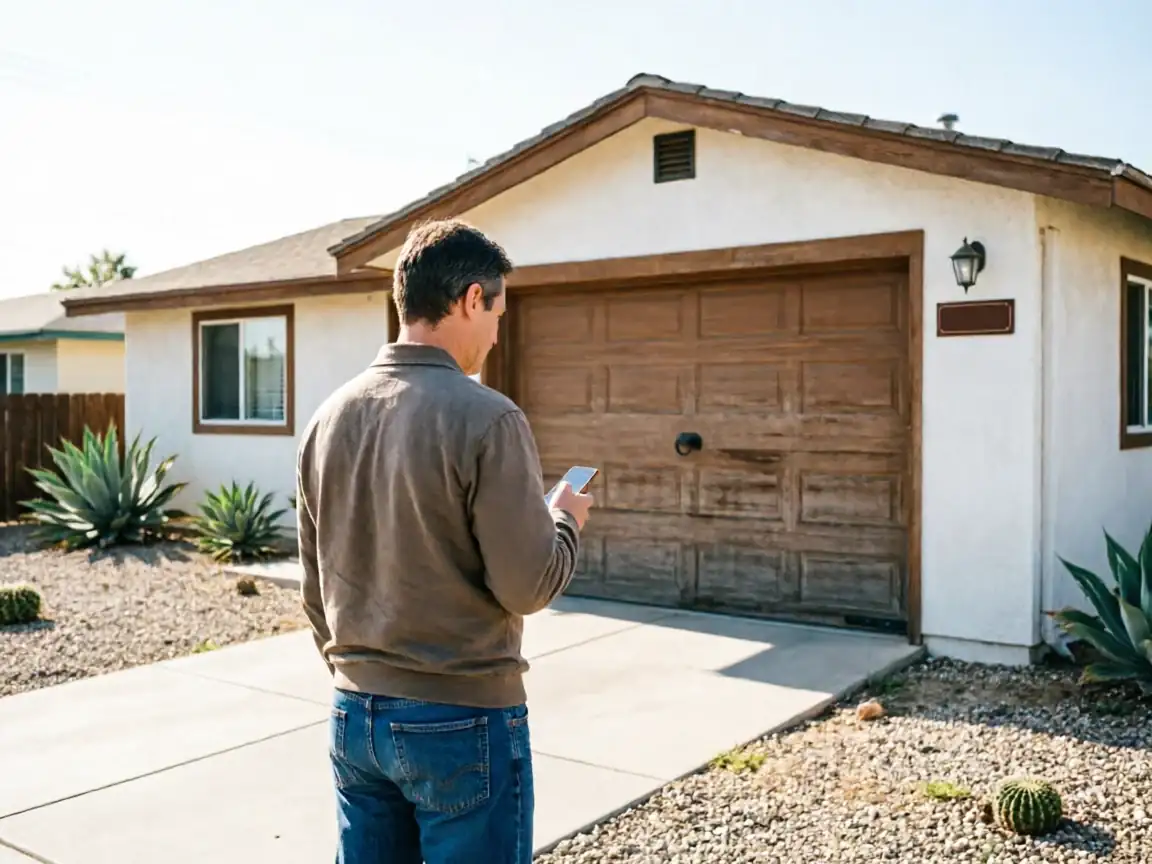
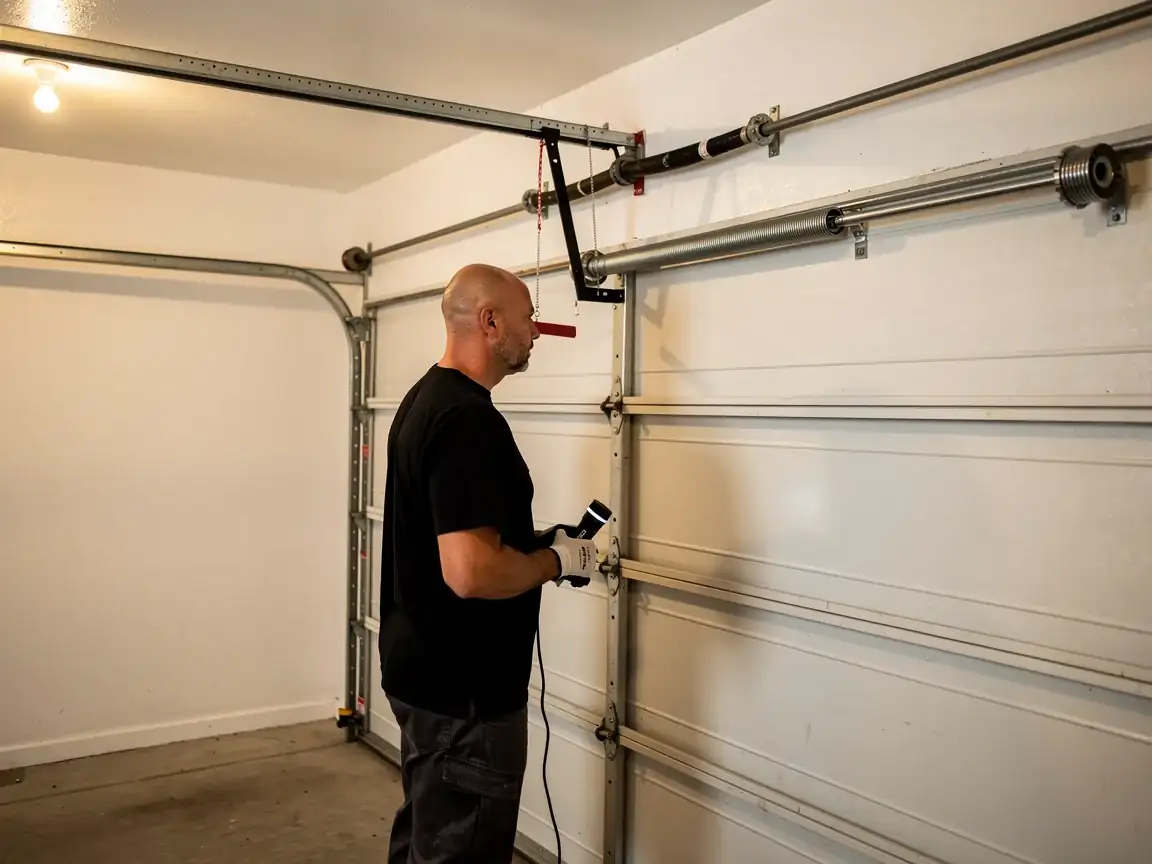
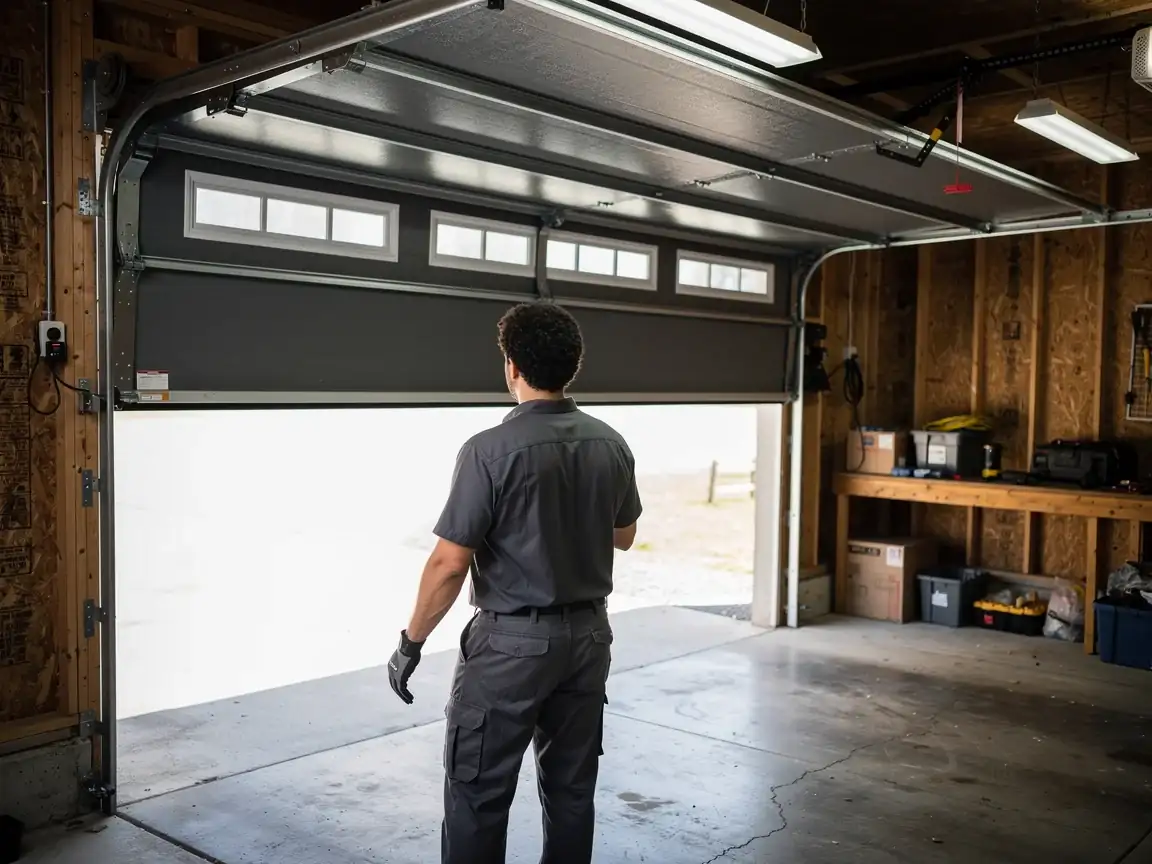
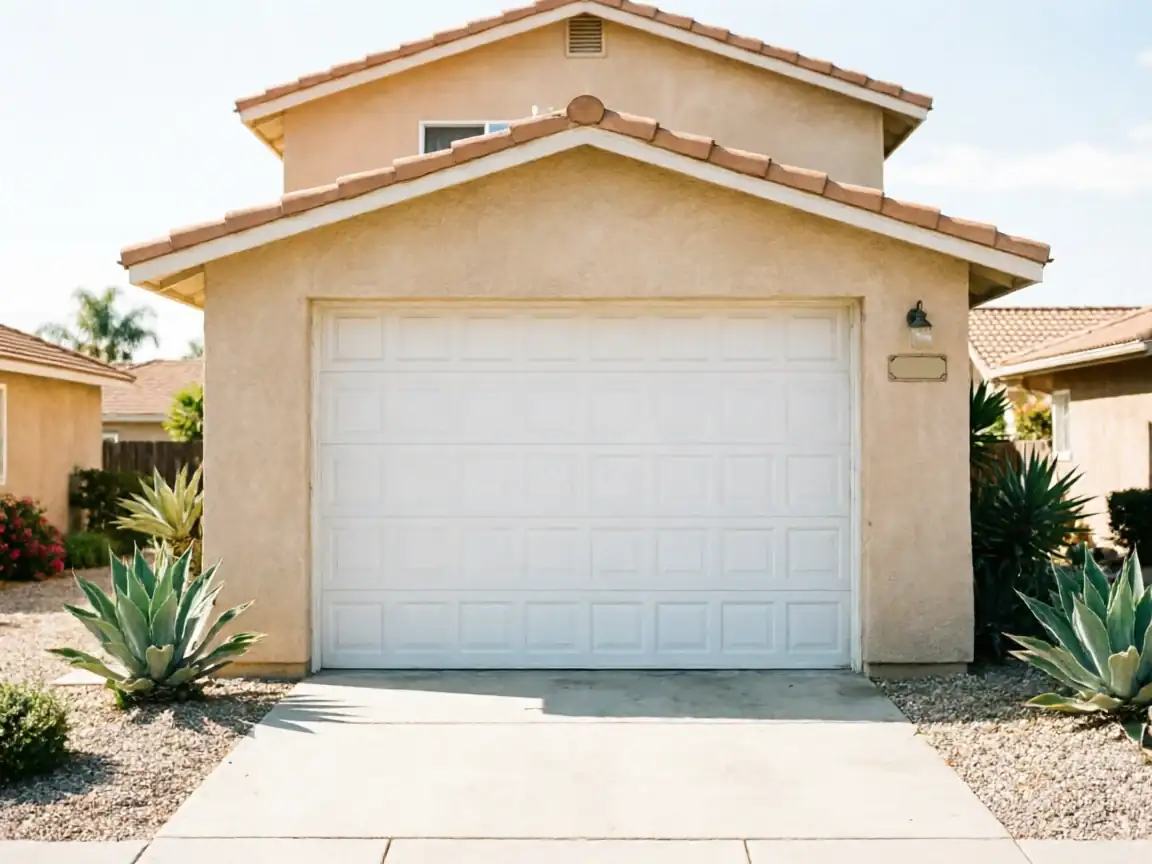
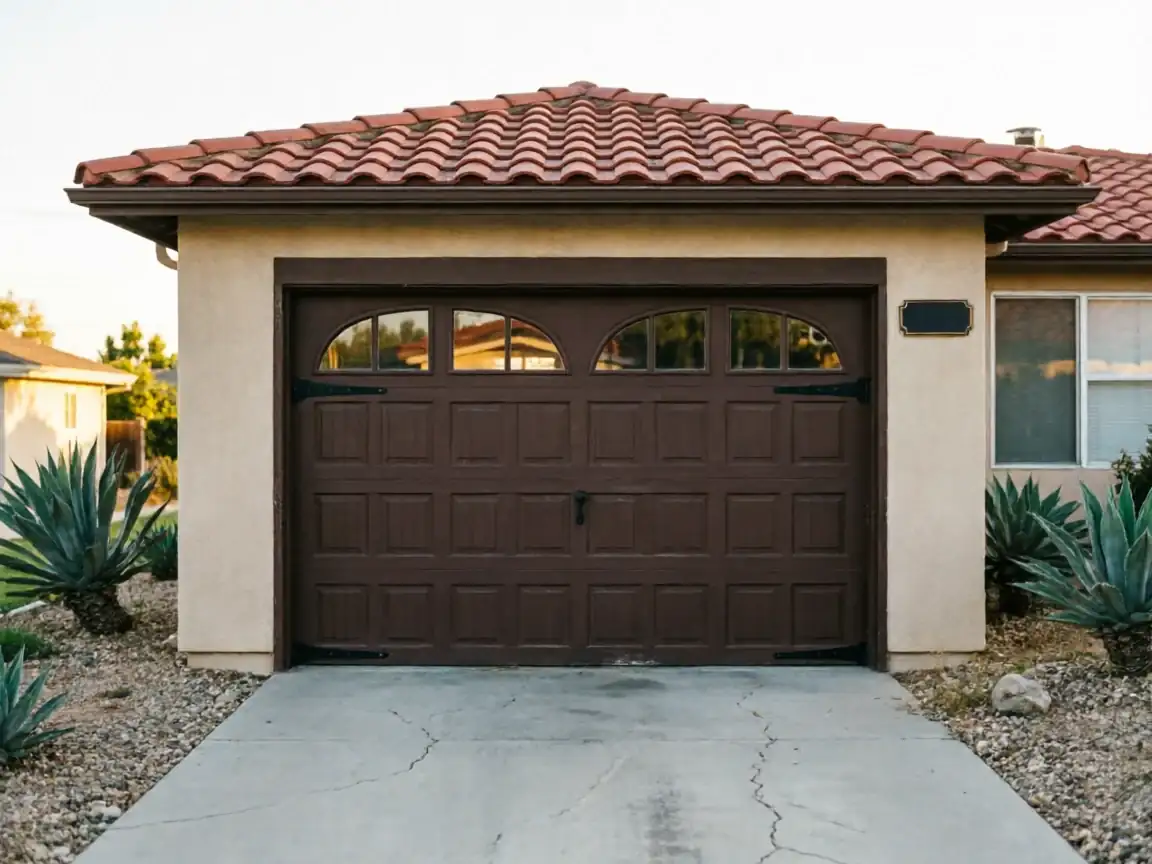
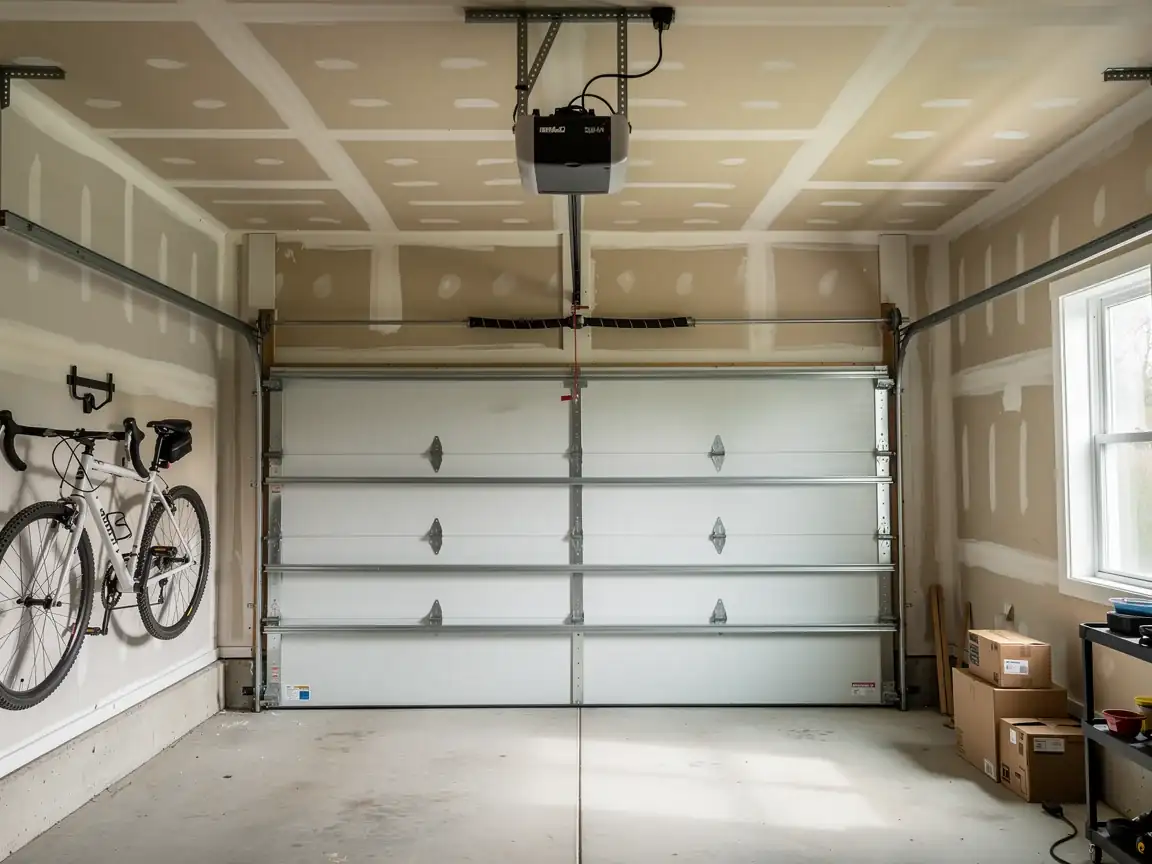
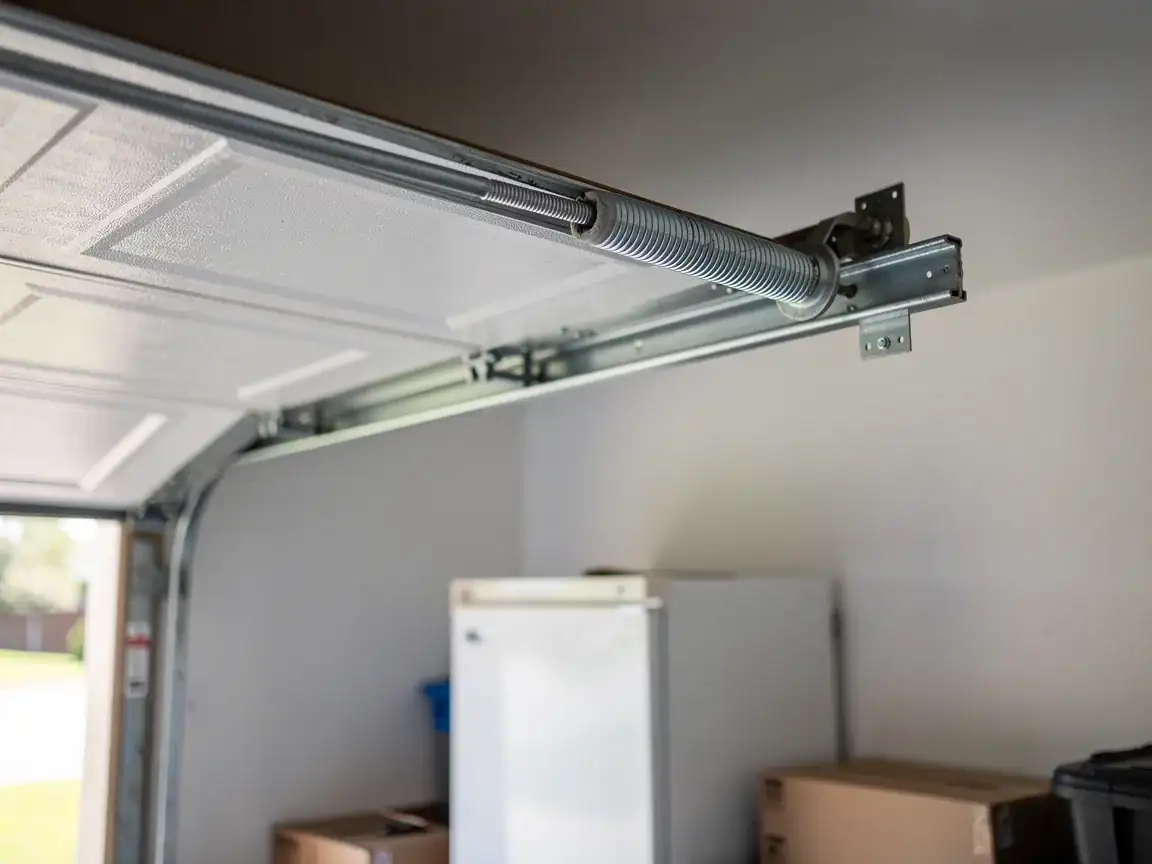
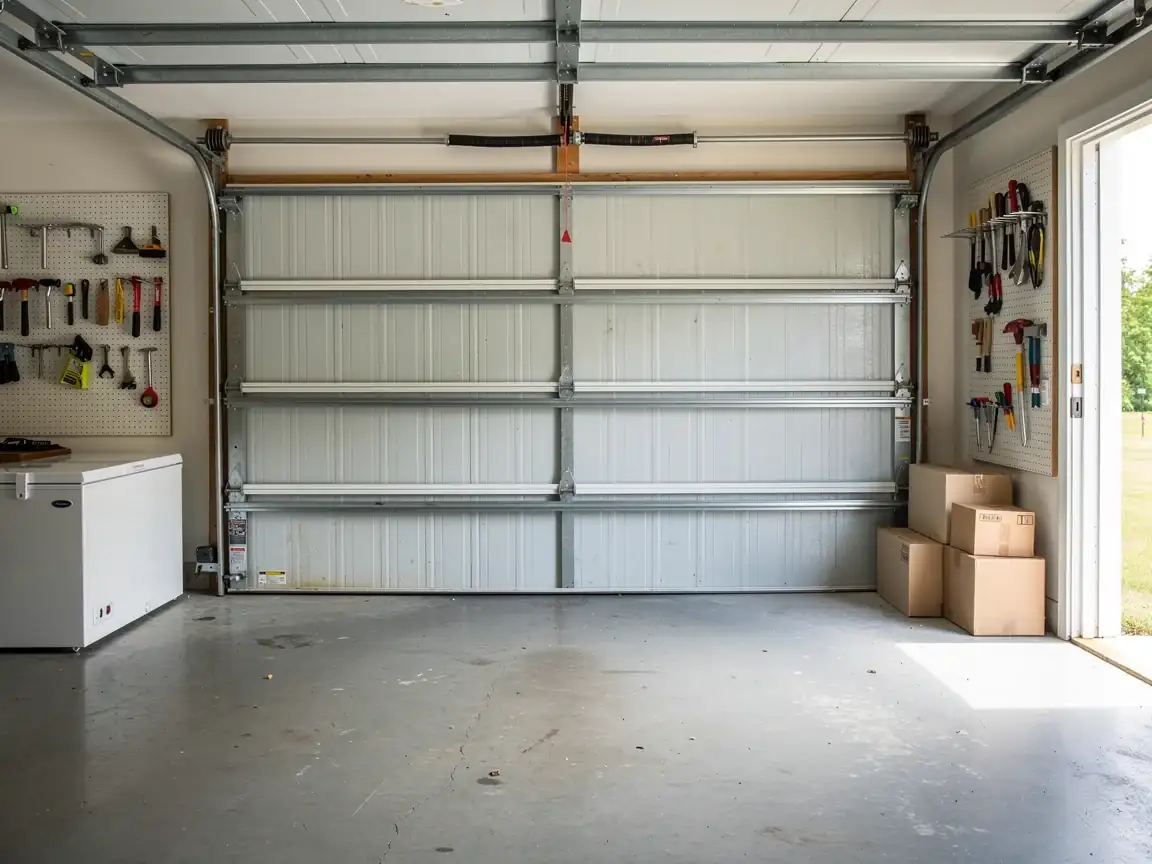
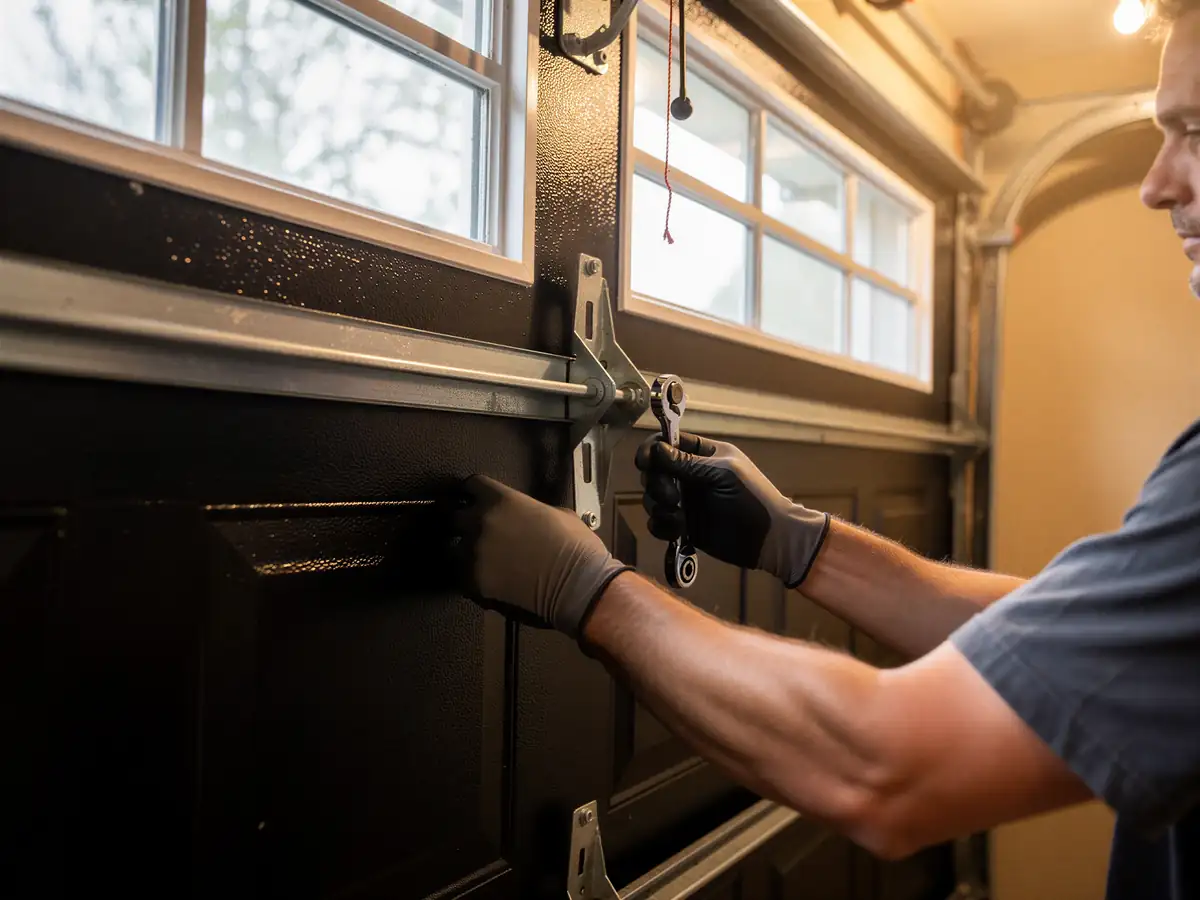
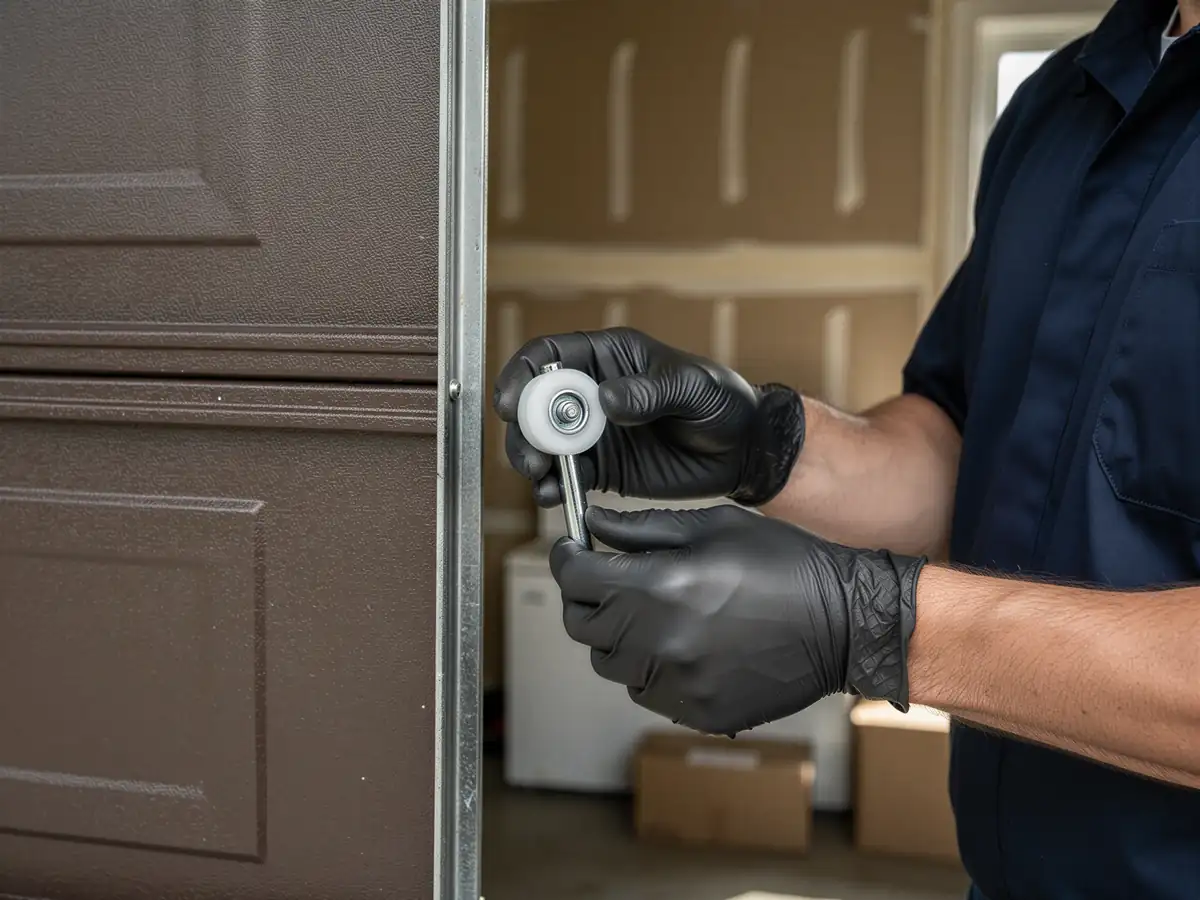
Most garages in Torrance went up when the median house here was built, around 1963, which puts the original door and track on steel rollers riding in a narrower channel than what you'd find on anything built after the late 1970s. These are usually single-layer steel sectional doors, 16x7 for a two-car garage or 8x7 for a single, hung on hardware sized for a lighter panel than today's insulated doors. The rollers themselves are often the stamped steel kind with a sealed or semi-sealed bearing, not the nylon stem rollers that show up in newer stock. Where this goes sideways: a worn steel roller on an old narrow track doesn't just squeal, it starts walking sideways in the channel, and if you let it ride that way long enough the track bends. At that point you're not buying rollers anymore, you're buying a new track section too, and on a door this old that track may not be a stock size anymore. We check the track alignment before we touch the rollers, every time, because fixing one without the other is a callback waiting to happen.
Why It Happens Here
Torrance sits in the mild temperate band that covers this whole part of the service area, so you're not dealing with the freeze-thaw cycles that crack bearings elsewhere, and salt air off the coast is less of a factor this far inland than it is right on the water. What wears these rollers out here is simpler: age and cycle count. A door installed when the house was built in the early 1960s has had sixty-plus years of openings on hardware that was never designed to last that long, and steel rollers in particular develop flat spots and bearing play well before the door itself looks like it needs replacing. At $113,105 median household income in Torrance, a good number of these doors have had an opener added or upgraded at some point without the rollers and track getting touched at the same time - a heavier-duty opener on tired rollers just makes the noise and the wear worse, faster.
The Symptom
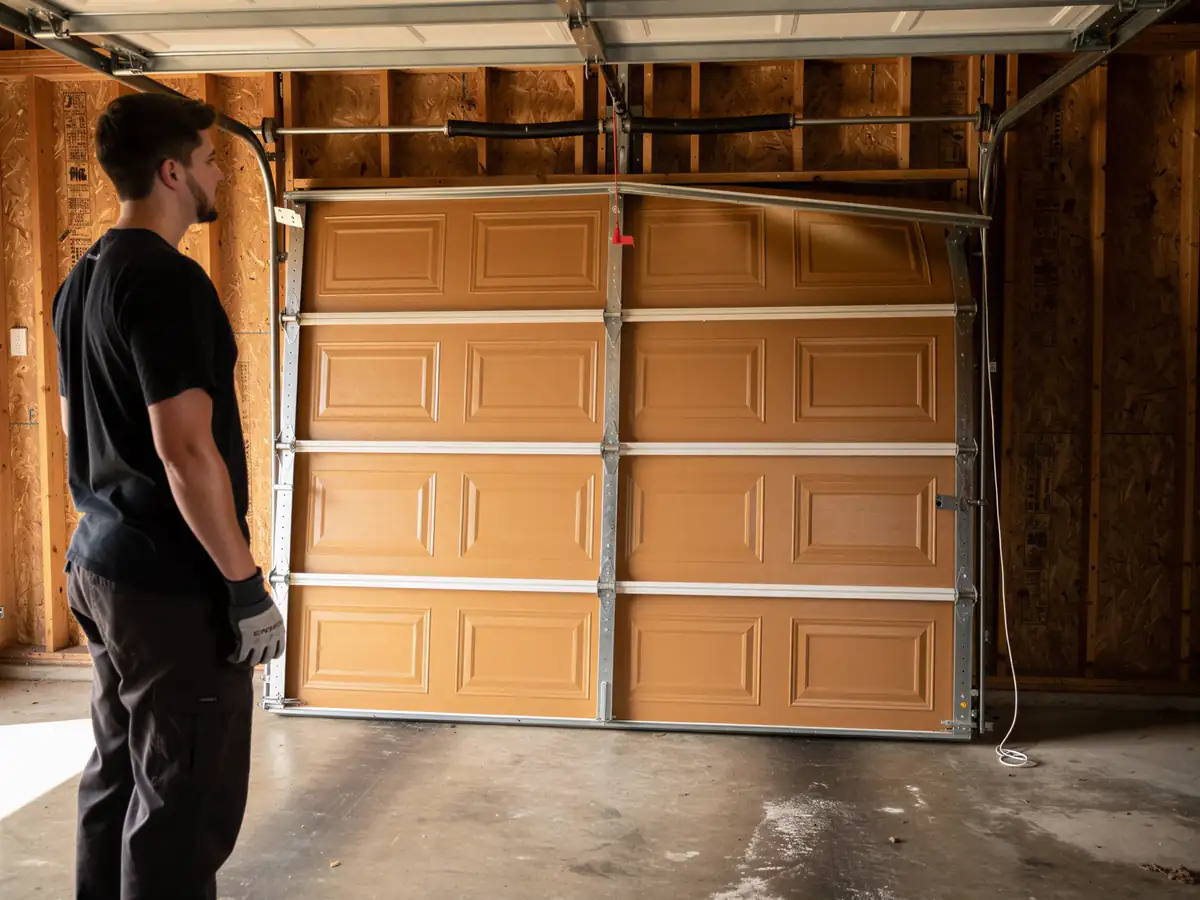
You'll hear it before you see it: a rhythmic grinding or squeal as the door travels, usually worse at the same two or three points in the cycle every time, because that's where the flat-spotted roller passes through the bend in the track. Some owners notice the door shuddering or jerking rather than gliding. If the noise is new and the door still opens and closes square, it's very likely the rollers and not the opener or the springs. If the door has started drifting to one side as it closes, stop using it and get the track looked at before the rollers are swapped, not after.