Where This Job Goes Sideways
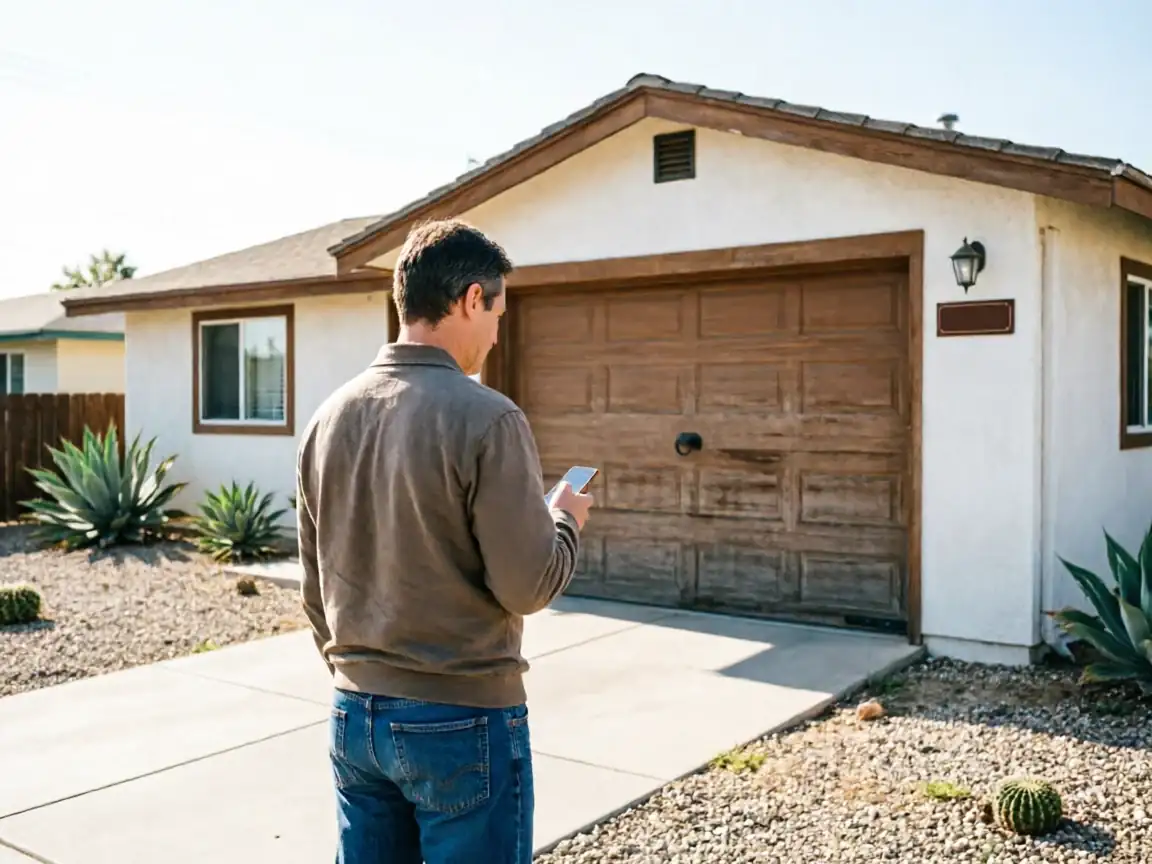
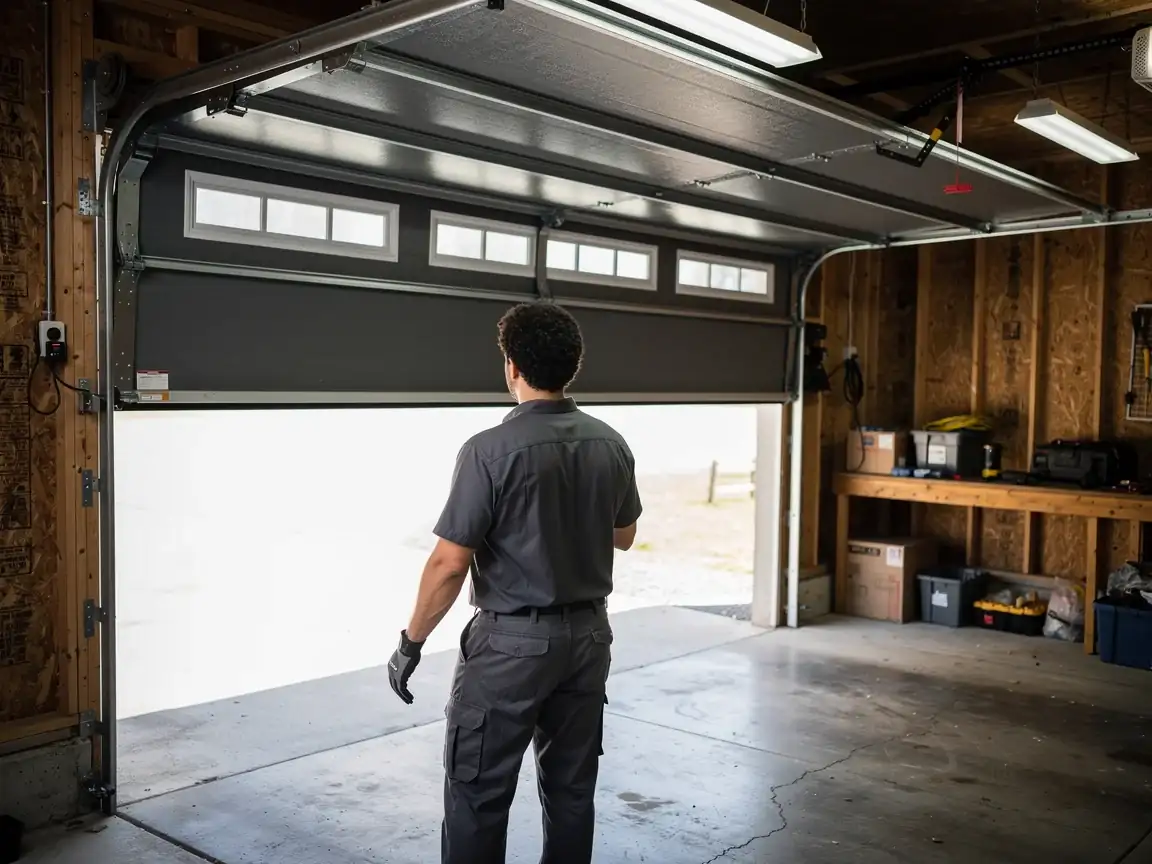
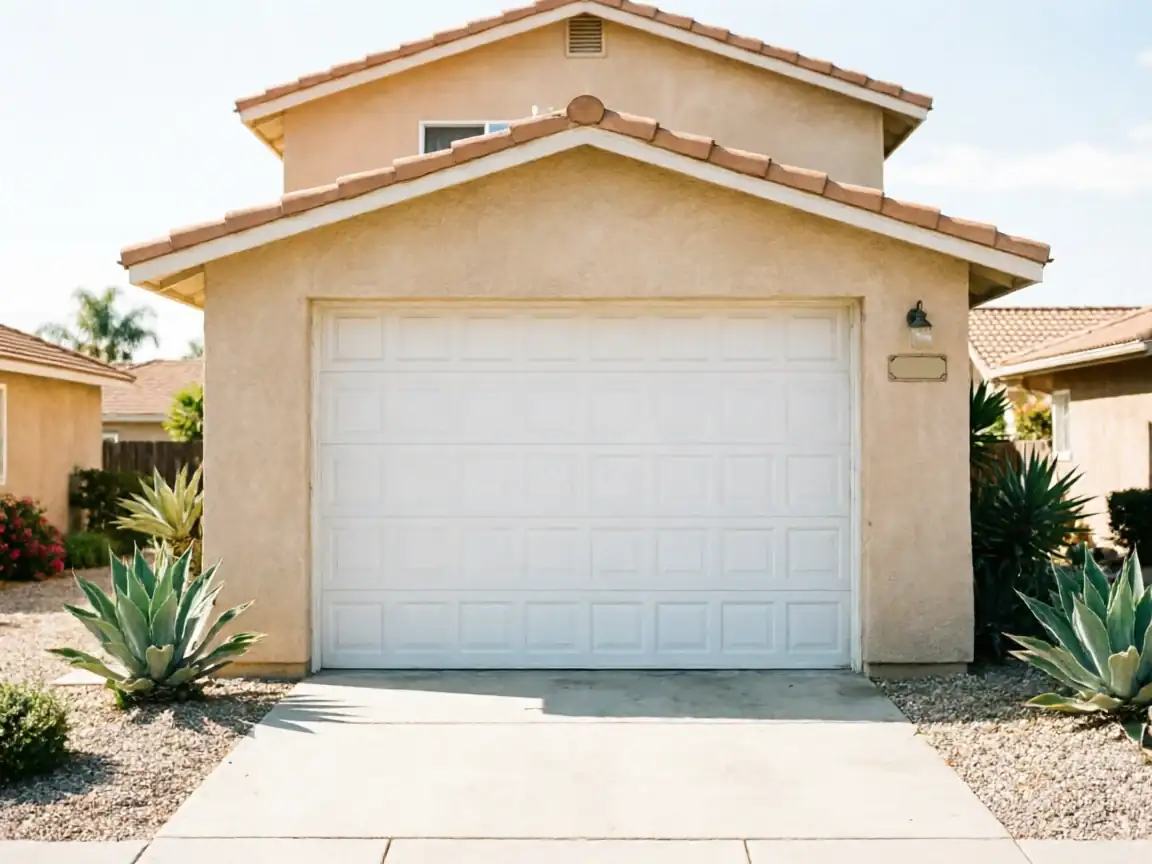
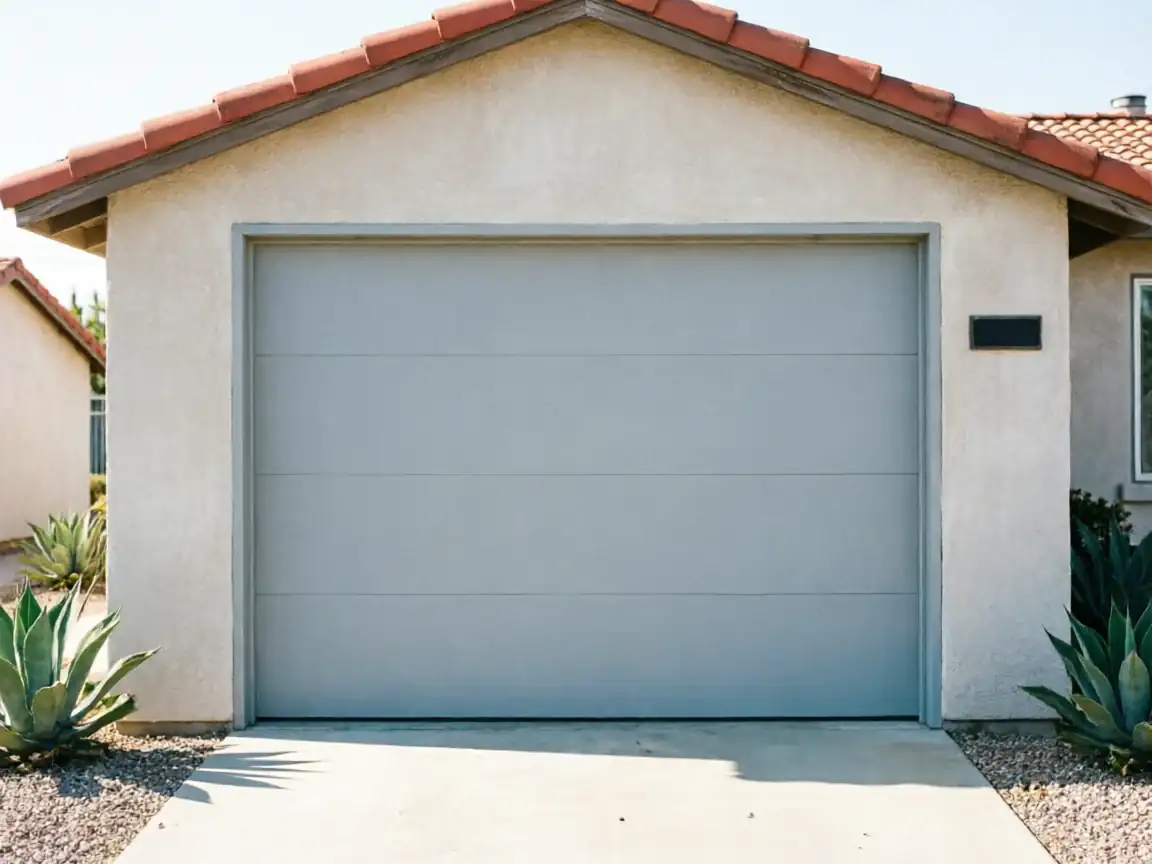
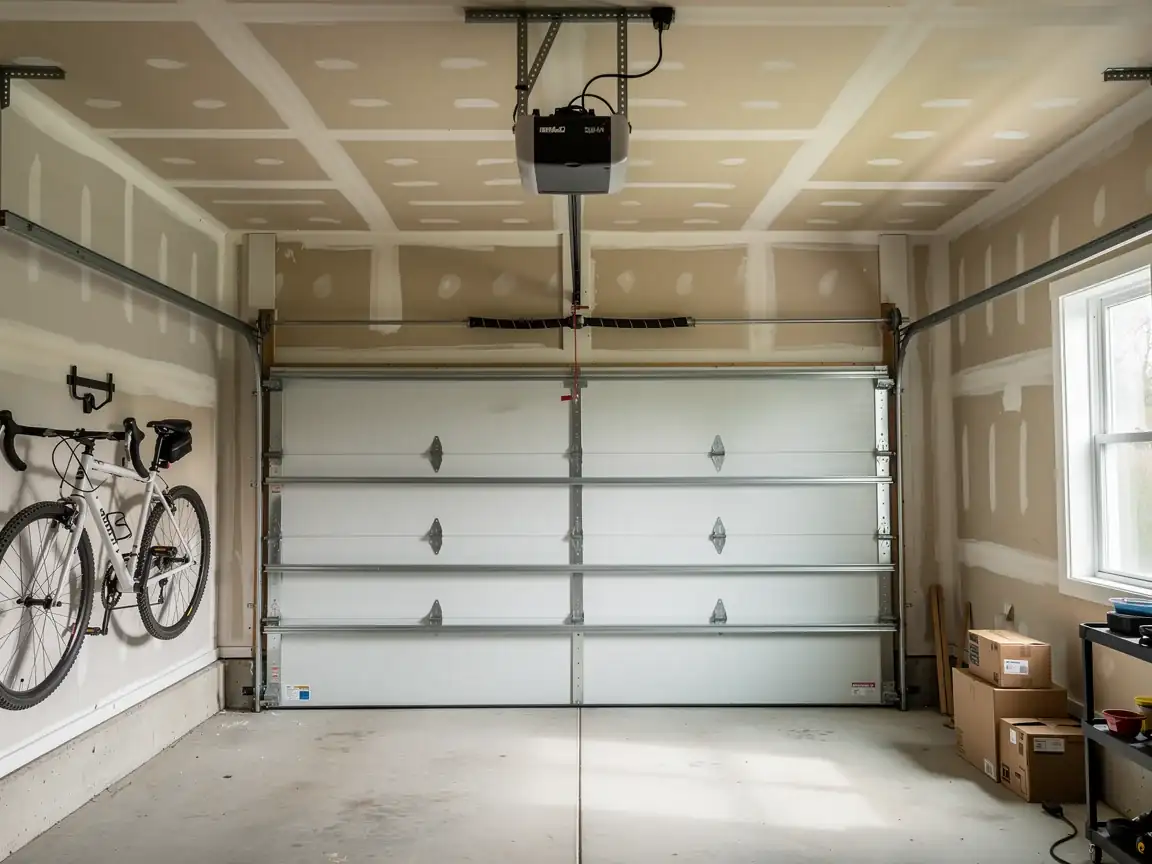
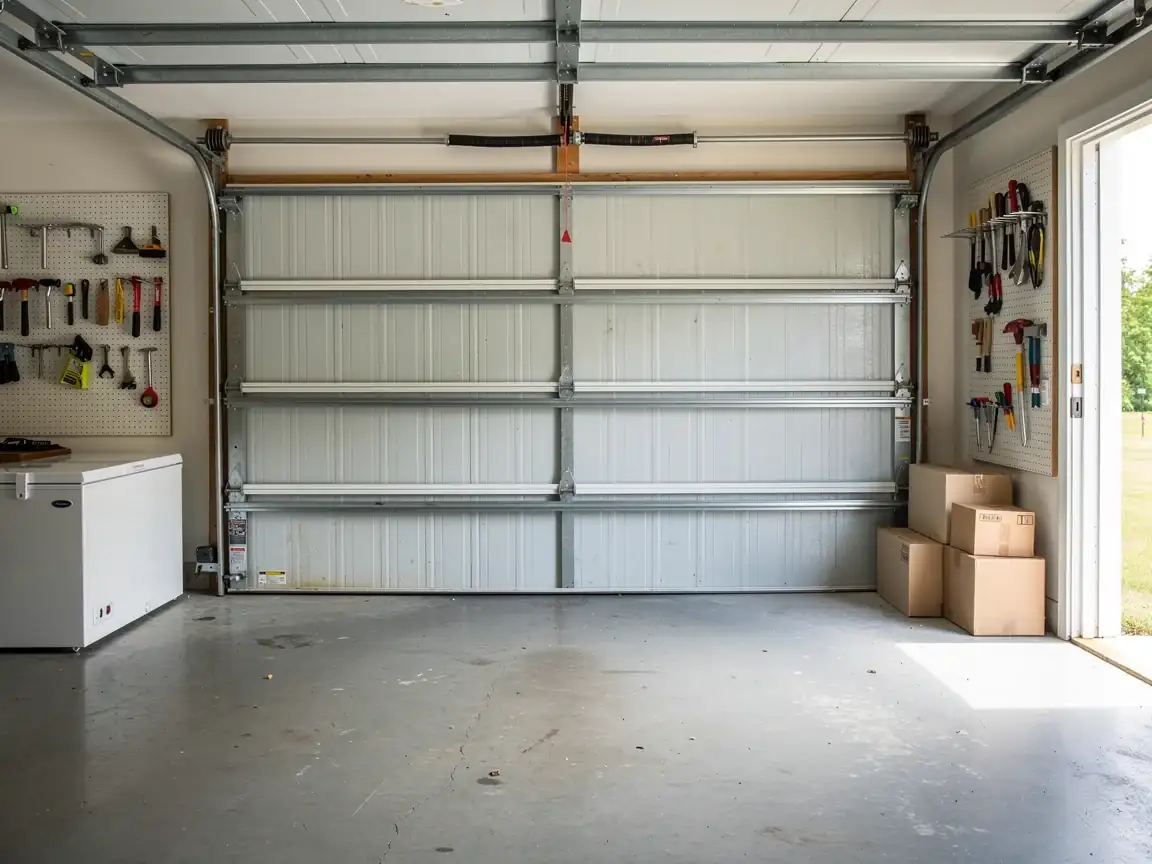
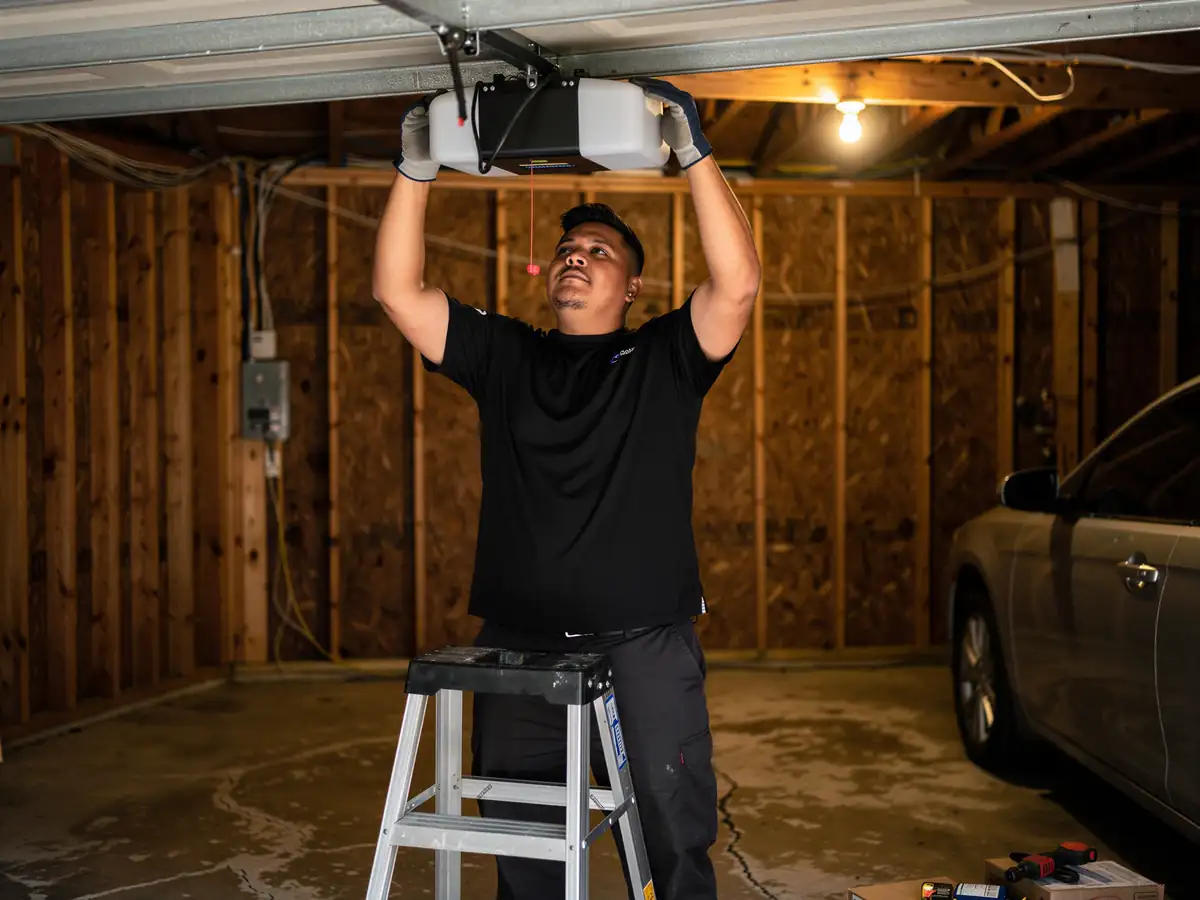
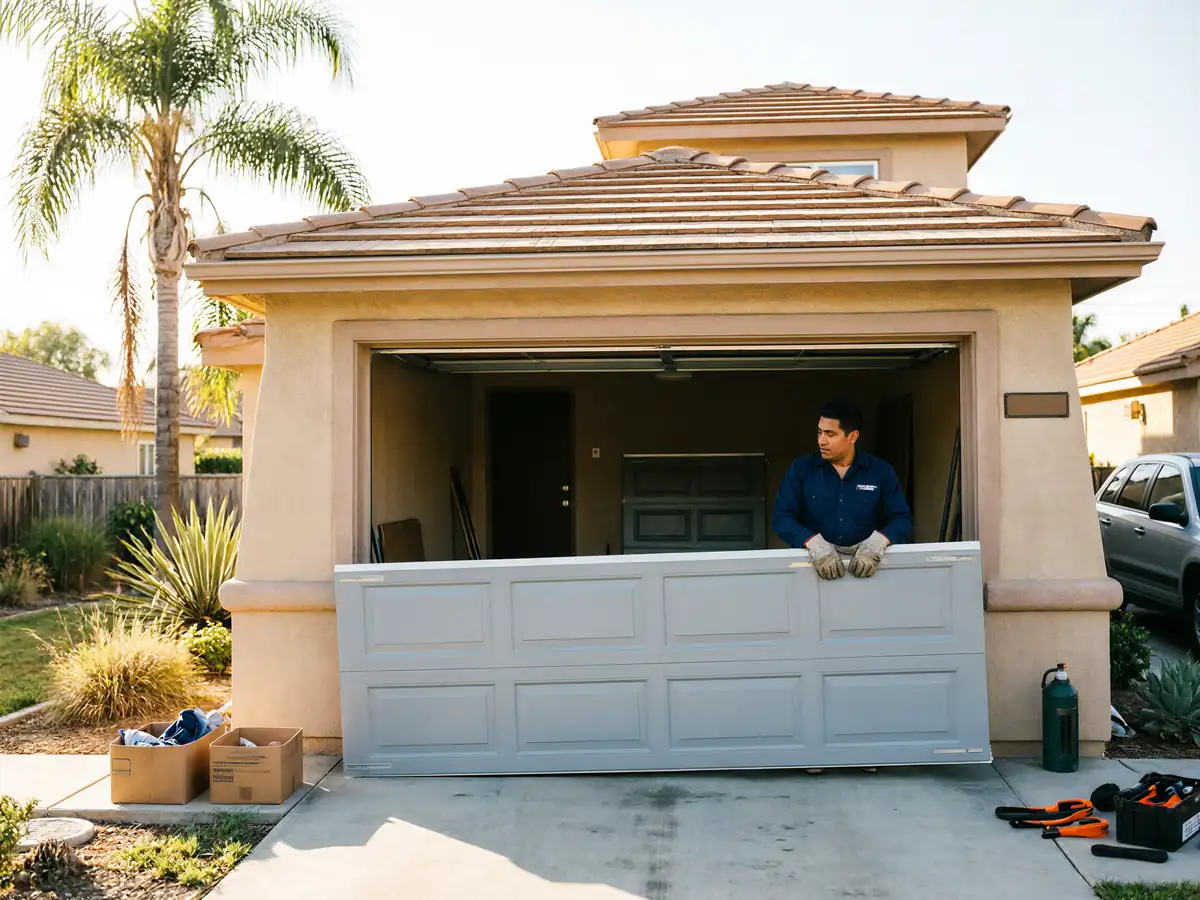
Torrance runs about 55,317 households, which is a town big enough that no two blocks of it age the same way. Some streets went up earlier than others, some later, but the bulk of the city's housing stock sits in that 1947-2012 window the whole service area shares, with most of it clustering in the 1960s and 70s. That matters for installation because the opening itself is rarely a clean, modern rough frame. On houses built around 1963, the header above the door was sized for a lighter, single-layer panel door and older spring hardware - not for a heavier insulated steel door with a stronger torsion system. We've opened up jamb returns on this era of house and found the framing shimmed, re-shimmed, or just undersized for what's going on the wall now. The job isn't swapping door for door. It's confirming the opening will actually carry what you're putting in it, adjusting track mount points, and sometimes building out the jamb before the new door goes anywhere near the hinges. Skip that step and you get a door that looks fine for six months and then starts binding on one side. We don't install over a bad opening - we fix the opening first, even if that adds time to the quote.
Why It Happens Here
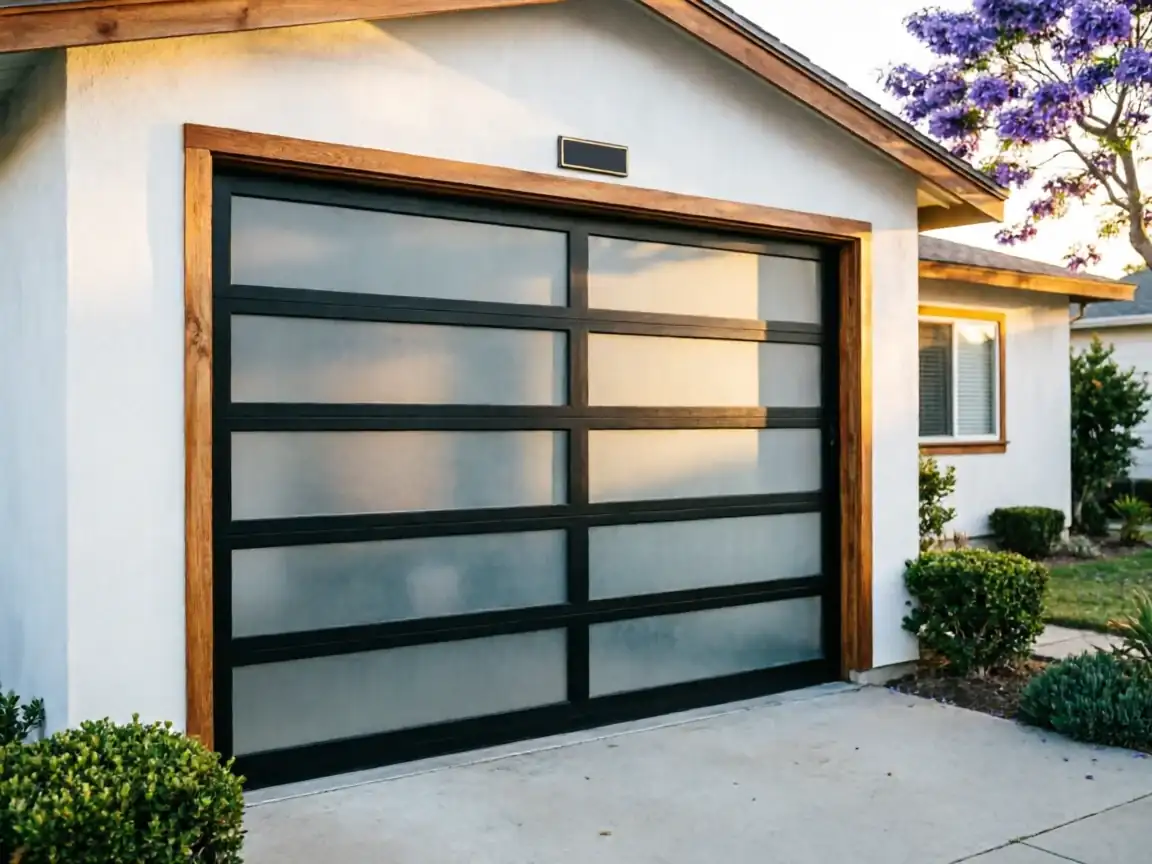
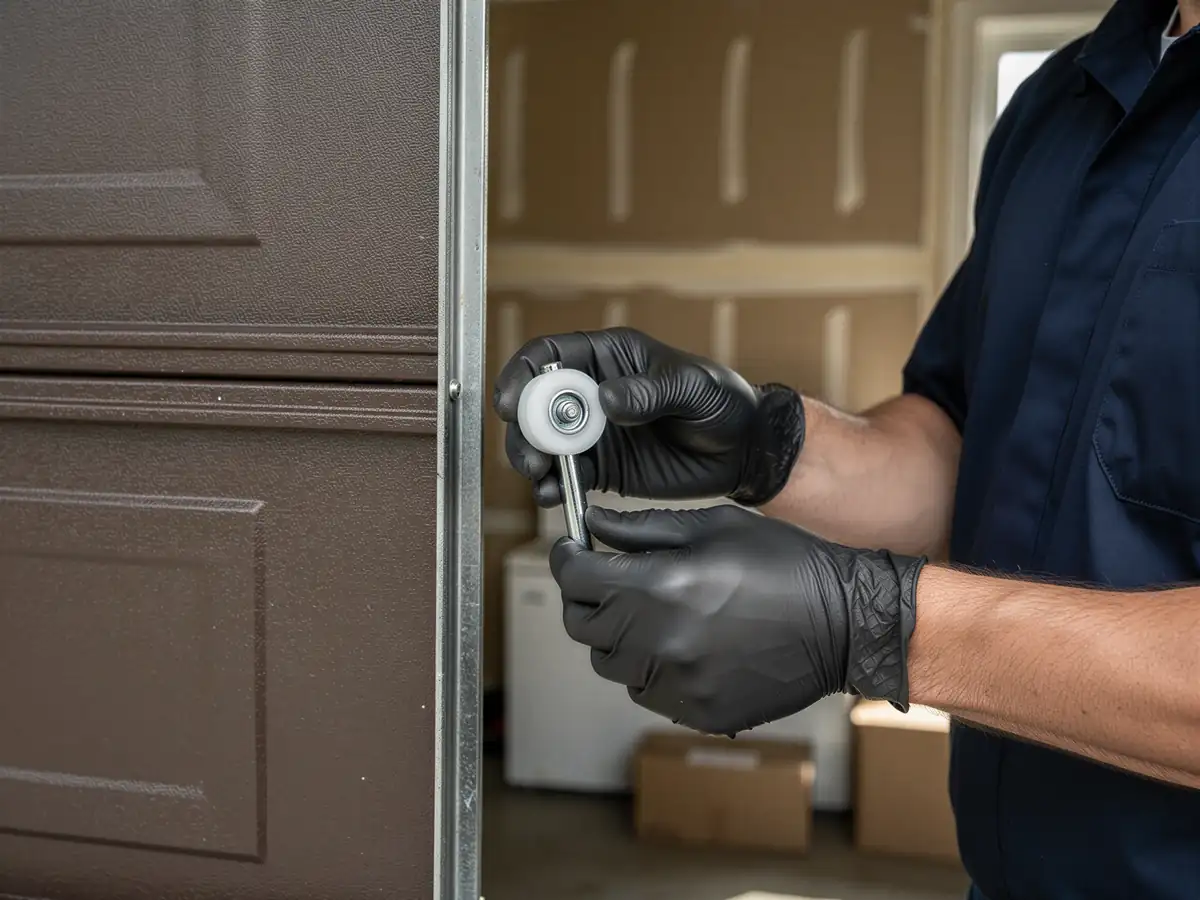
Household income in Torrance runs higher than the service-area median of $85,247, and that shows up in the kind of upgrade we get called for - not emergency patch jobs, but full door swaps where the owner wants insulation, a quieter opener, and hardware rated for daily use rather than whatever came with the house. The housing stock itself, built mostly in the 1947-2012 range with a lot of it from the 60s and 70s, means the original openings were built to a different standard than what manufacturers size doors to now. Add the area's mild temperate climate - no freeze-thaw cycle wrecking seals, no monsoon season warping panels - and the failures we see here are less weather damage and more plain hardware fatigue: springs that have cycled thousands of times past their rated life, track that's been reset one too many times instead of replaced.
The Symptom
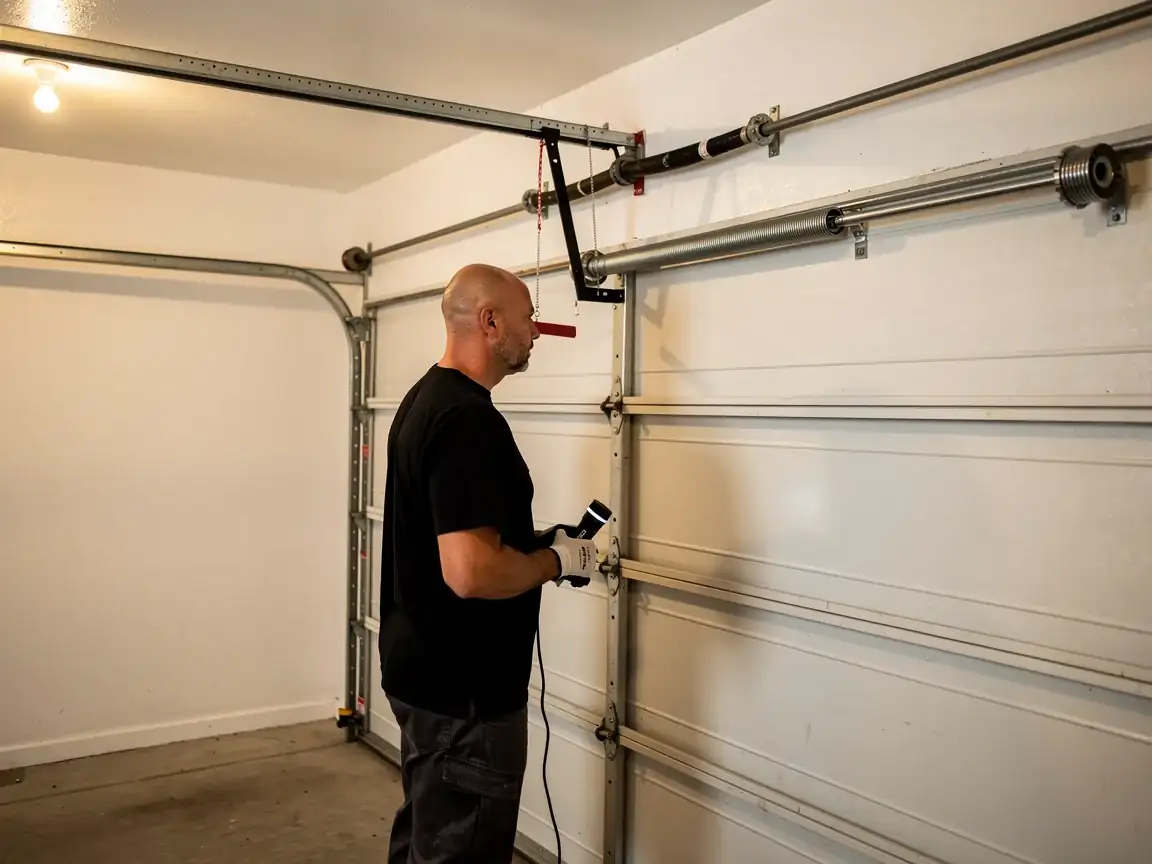
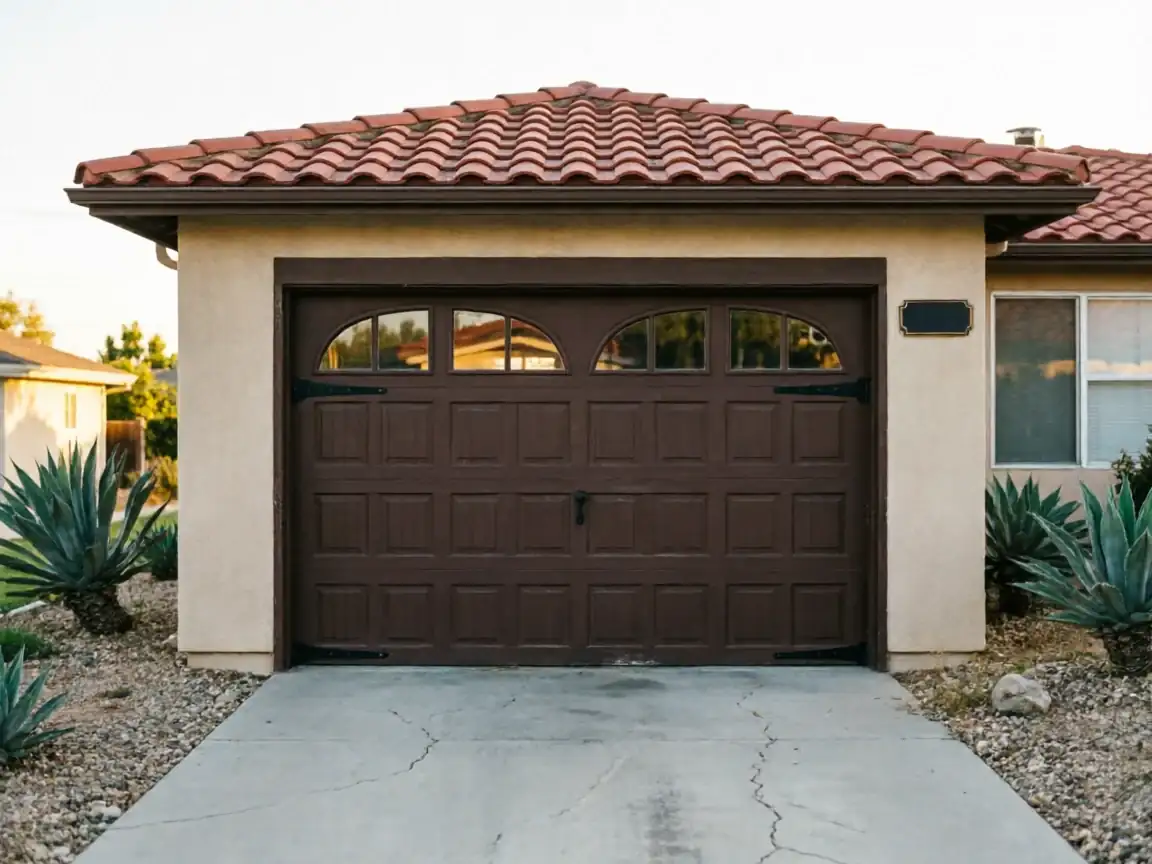
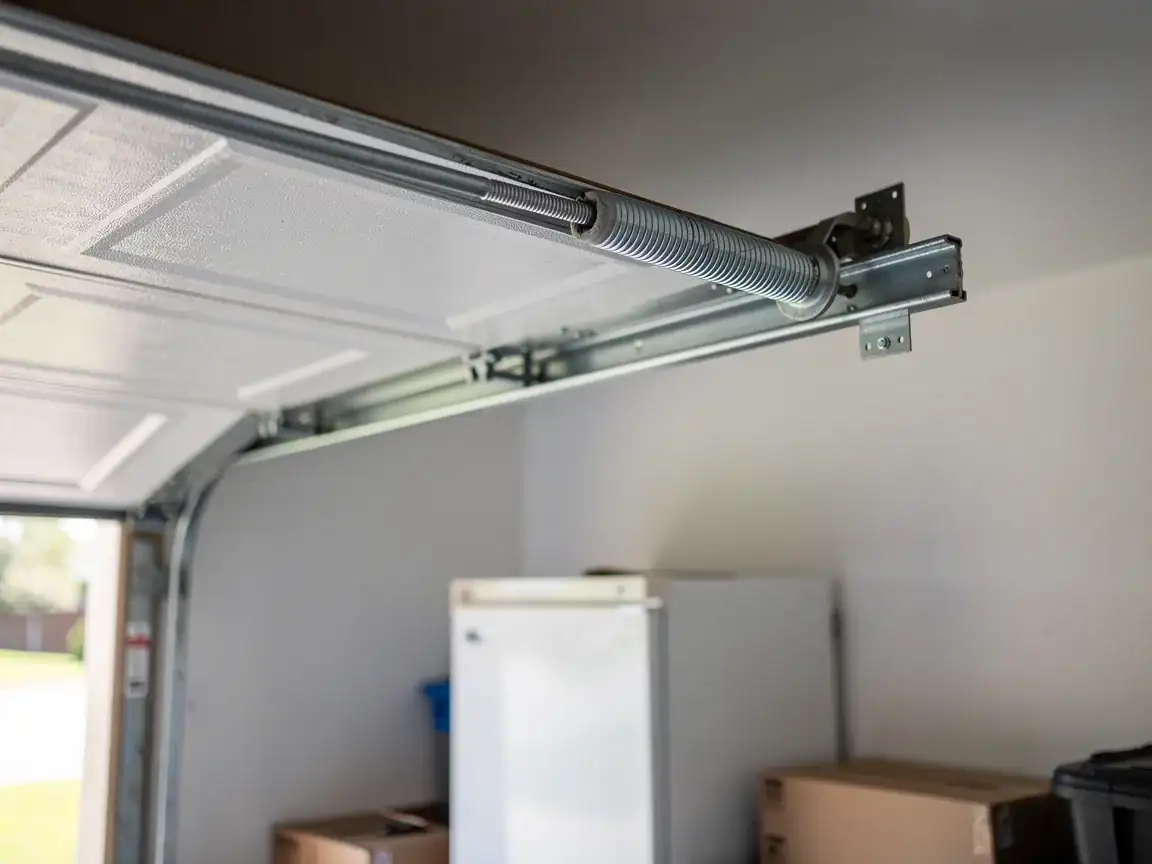
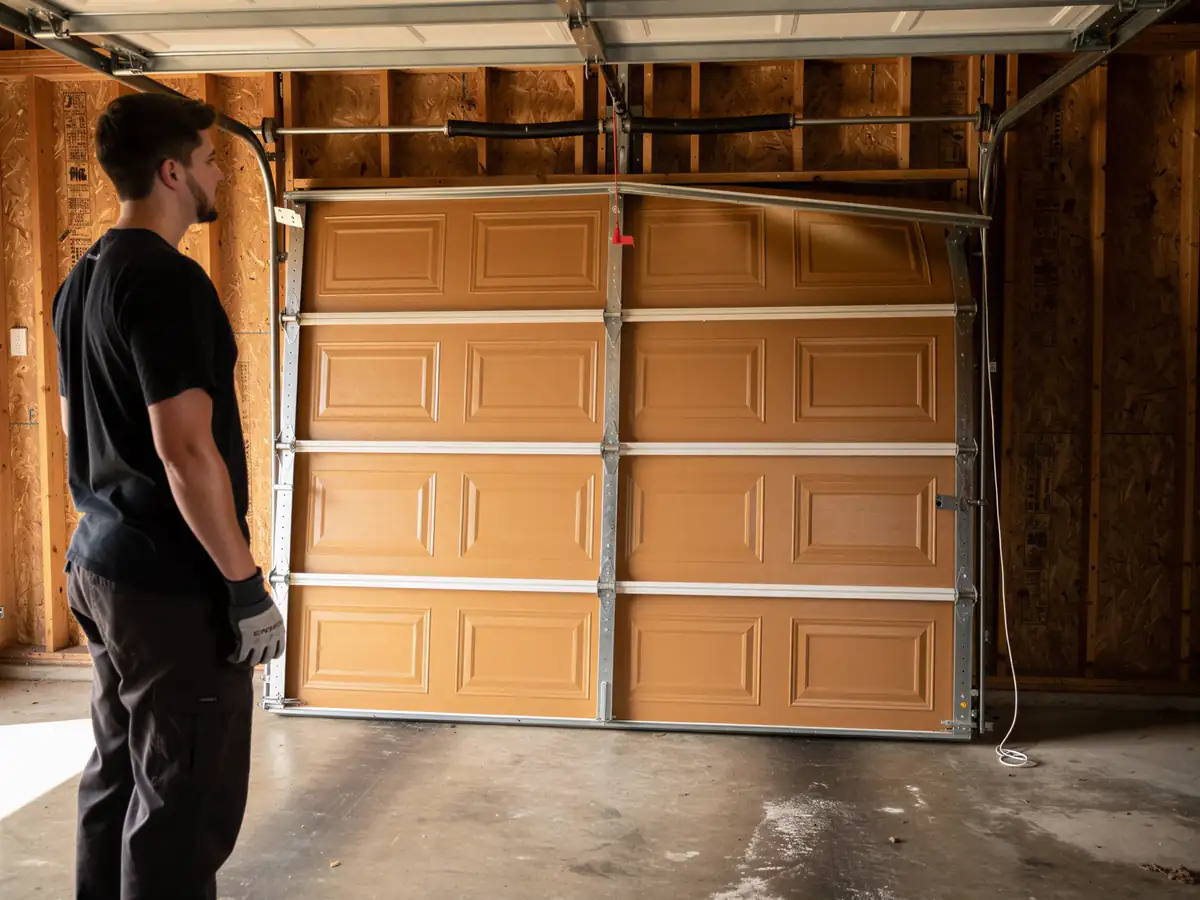
The giveaway on a house this age is a door that still runs but sounds wrong - a grind on the way up, a hesitation at the top of the track, or a door that needs a shove to clear the last six inches. That's usually not the opener. It's a spring system sized for a door and a frame configuration that's 50-plus years old, working against a track that's been nudged out of alignment more than once. Replacing the door without addressing that combination just moves the noise to a new part. One honest limit here: if your opening is badly out of square or the framing's been compromised by water or pests, that's outside a standard install, and we'll say so rather than force a door into a bad frame.