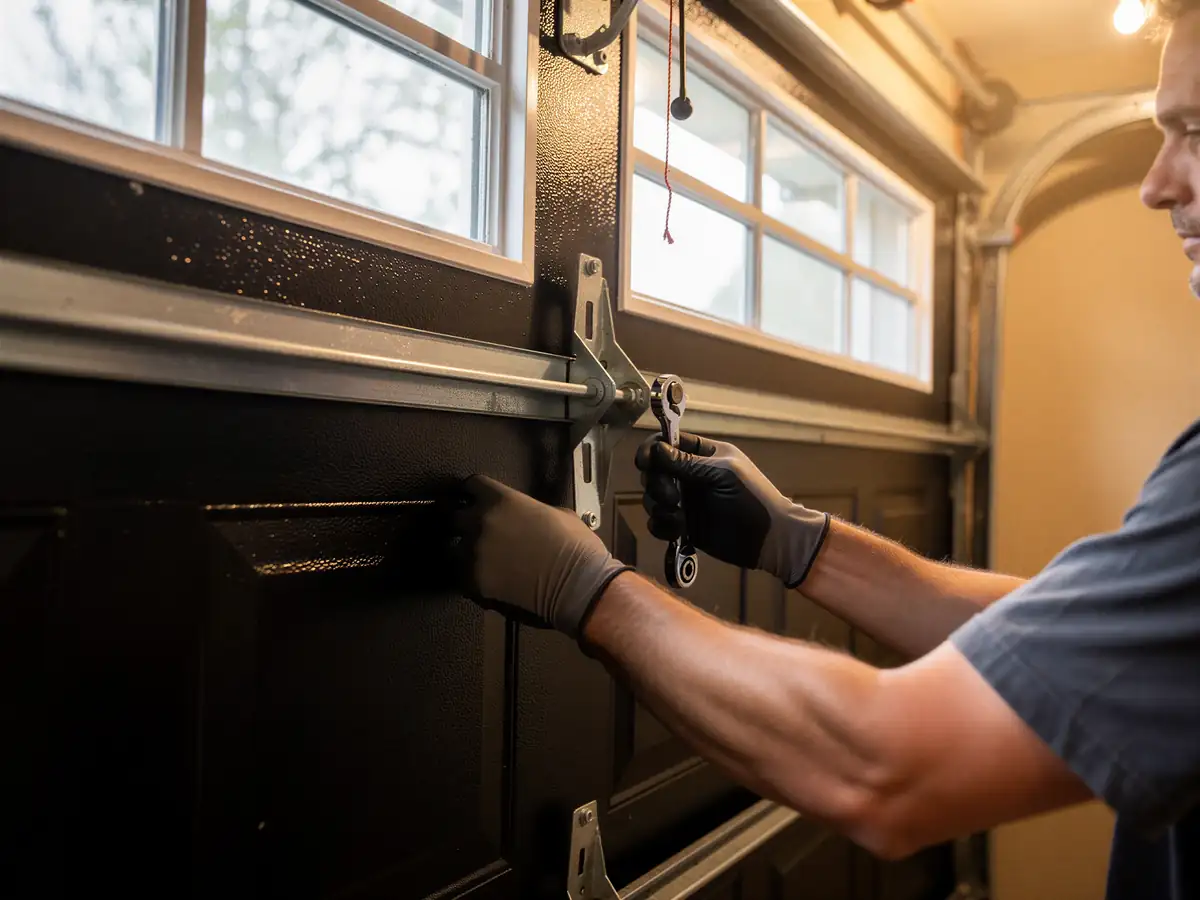
Where This Job Goes Sideways
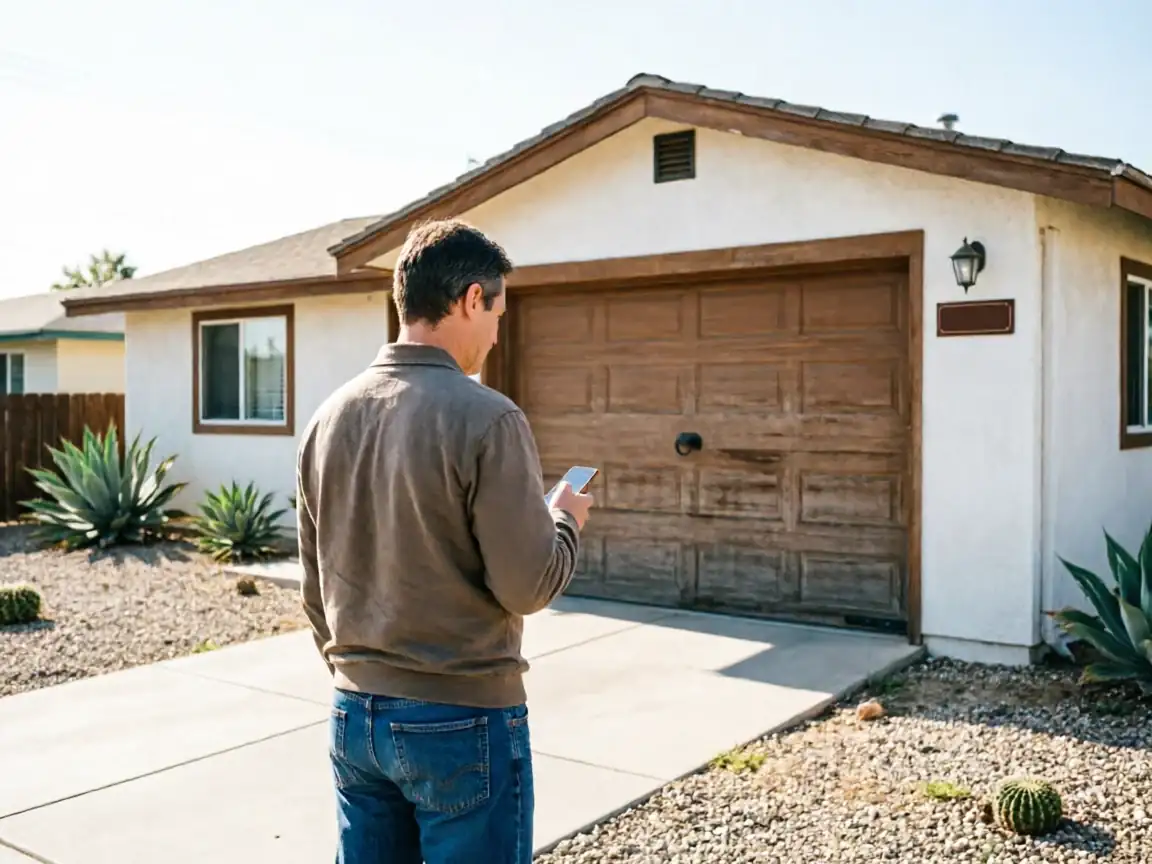
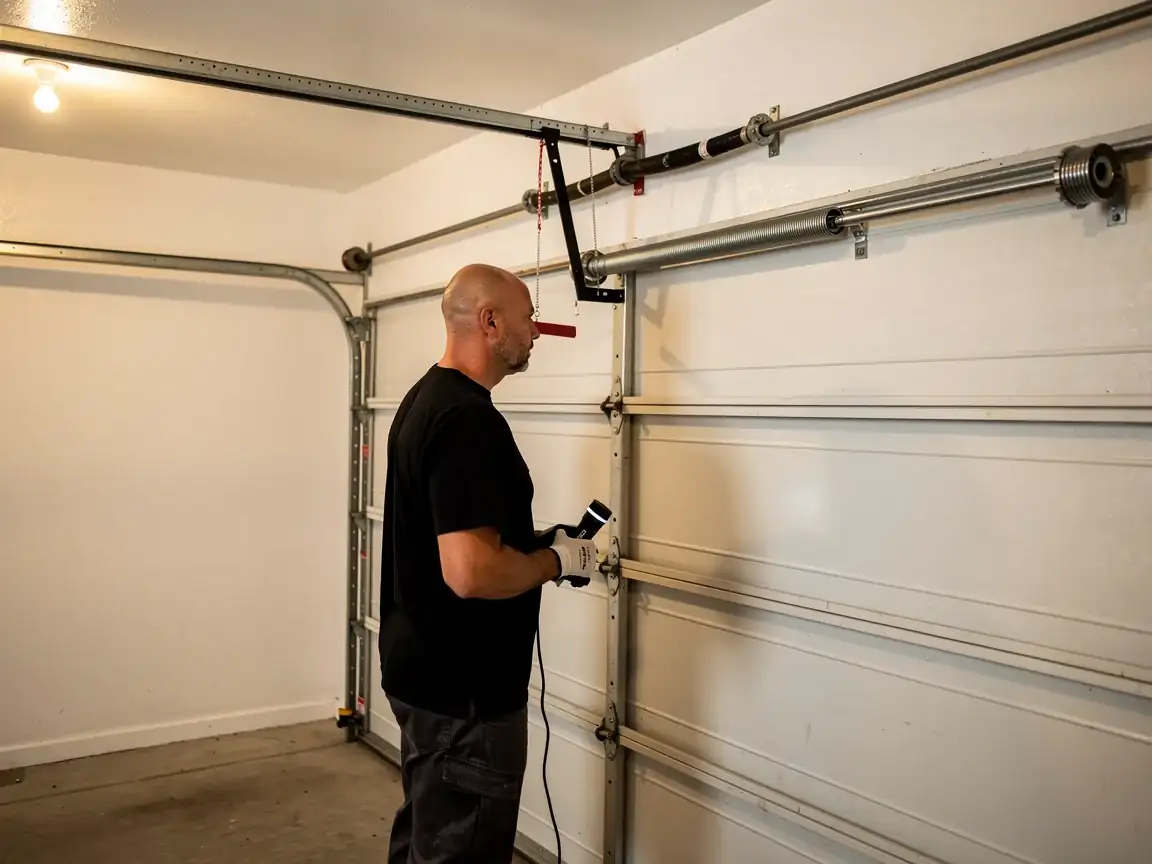
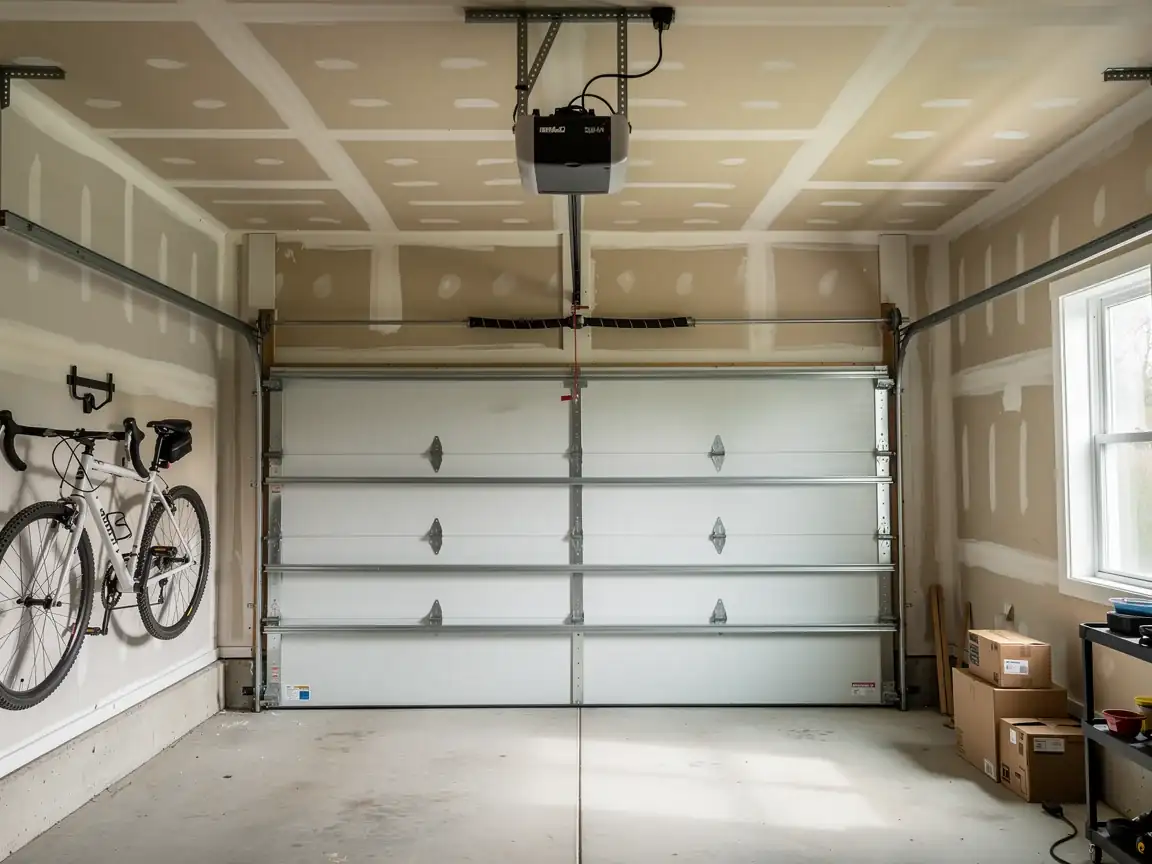
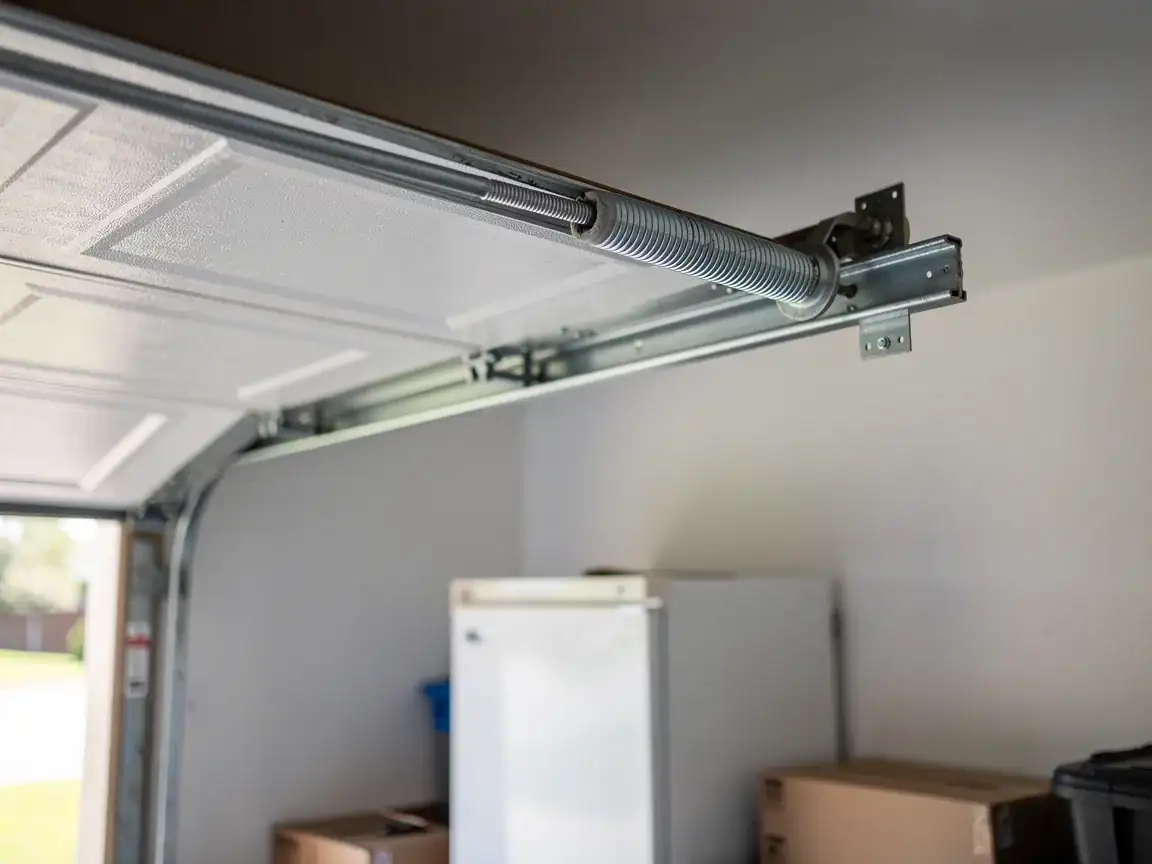
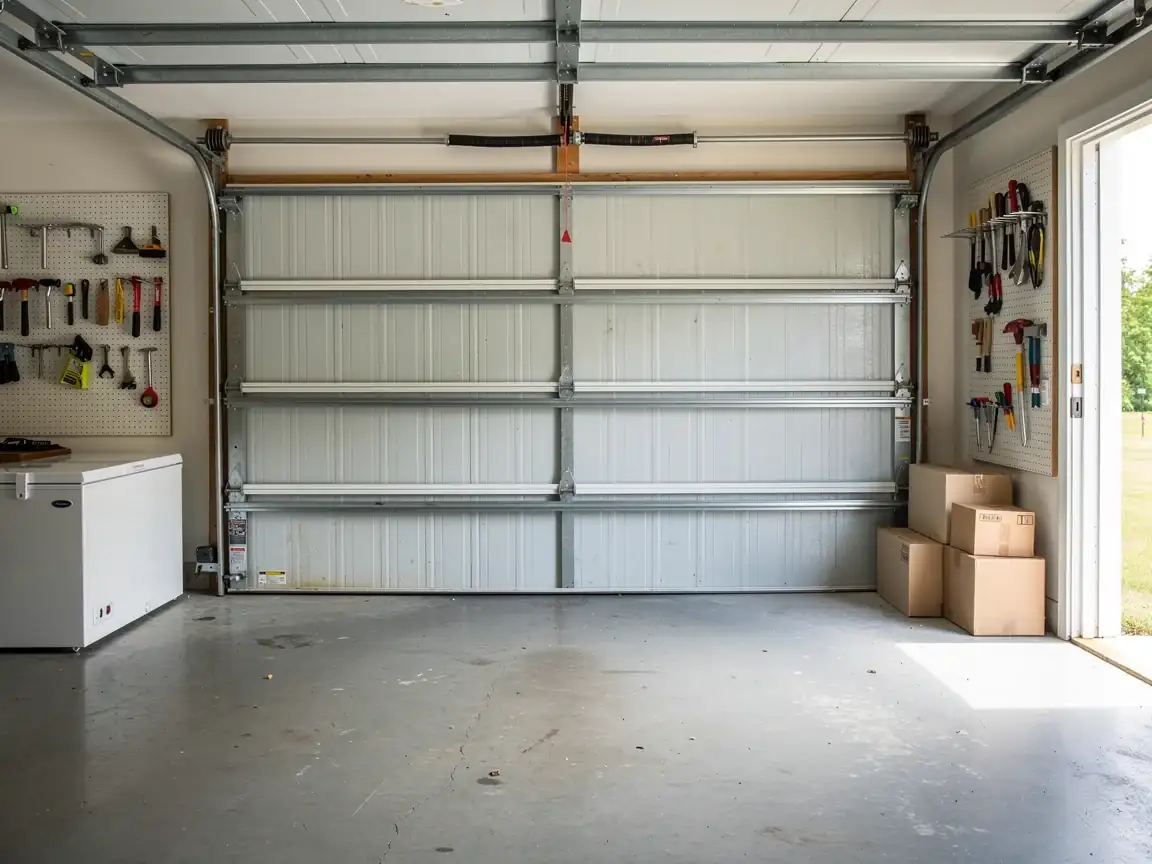
Most of Torrance was built out around 1963, which puts it square in the middle of the 1960s-70s wave that covers this whole side of the county. Doors from that era are almost always original one-piece or early sectional panels hung on side-mounted torsion springs, not the center-mounted extension setups that came later. The hardware was built heavier than what goes into a new door today, and the springs on it have usually been wound and rewound by whoever owned the house before. When one of those snaps, it's not a quick swap - the drums, the shaft size, and the mounting brackets on a door this old often don't match what's on the shelf for a 2015 install. We see this pattern over and over in Torrance specifically because the housing age here skews older than some of the newer tracts nearby. If your door is original to the house, assume the spring and the opener are both past the point where patching makes sense, and plan the repair around replacing the parts that fail together, not one at a time.
Why It Happens Here
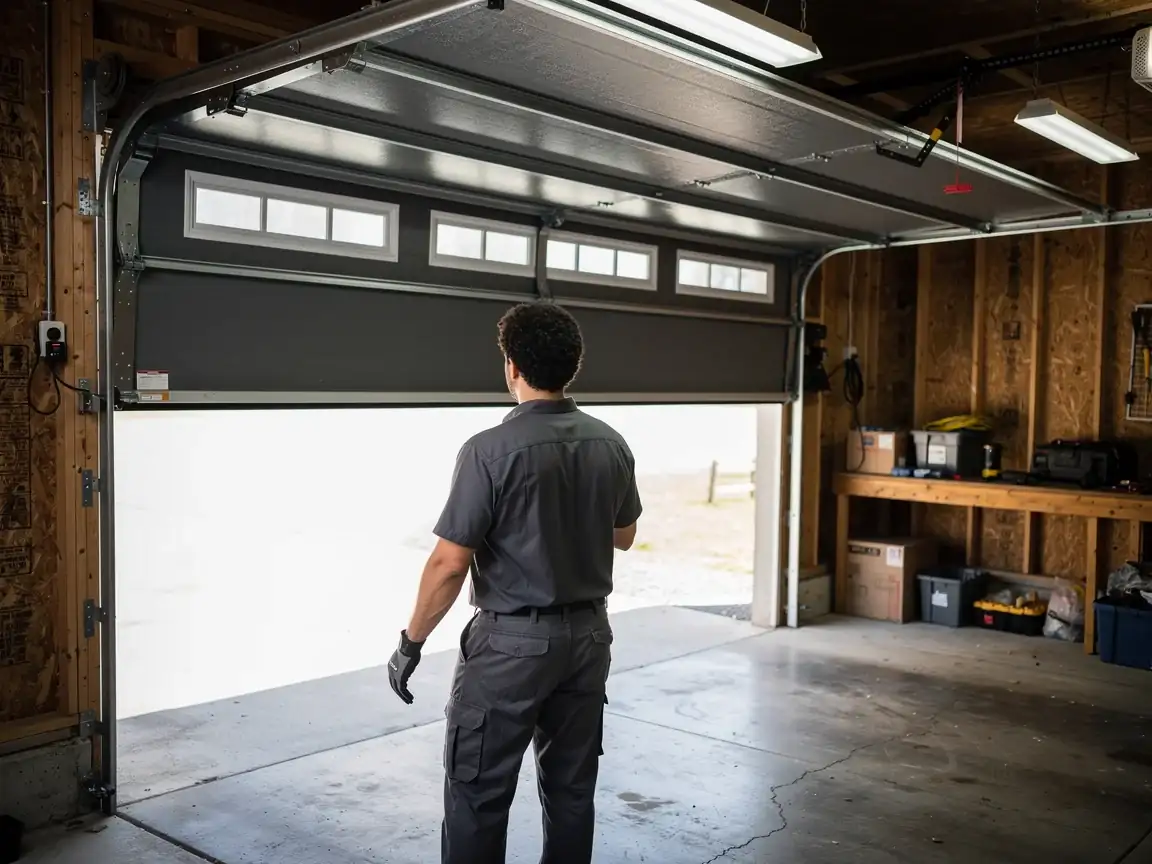
Torrance sits in the same mild temperate band as the rest of the service area, so you're not dealing with freeze-thaw cycles that crack seals or snow load that stresses a track - the failures here are almost all wear, not weather. What does drive the pattern is the housing age: doors and openers installed when the median home here went up in the early 1960s are now well past any reasonable service life, and a lot of owners have replaced the opener once already while leaving the original spring and track in place. With a median household income of $113,105 in Torrance, a good share of owners choose full replacement over patching an aging door once a second or third failure shows up, rather than keep sinking money into parts for hardware that's fifty-plus years old. That's a reasonable call on a door this age - repair makes sense for an isolated break, replacement makes more sense once you're fixing the same door twice in two years.
The Symptom
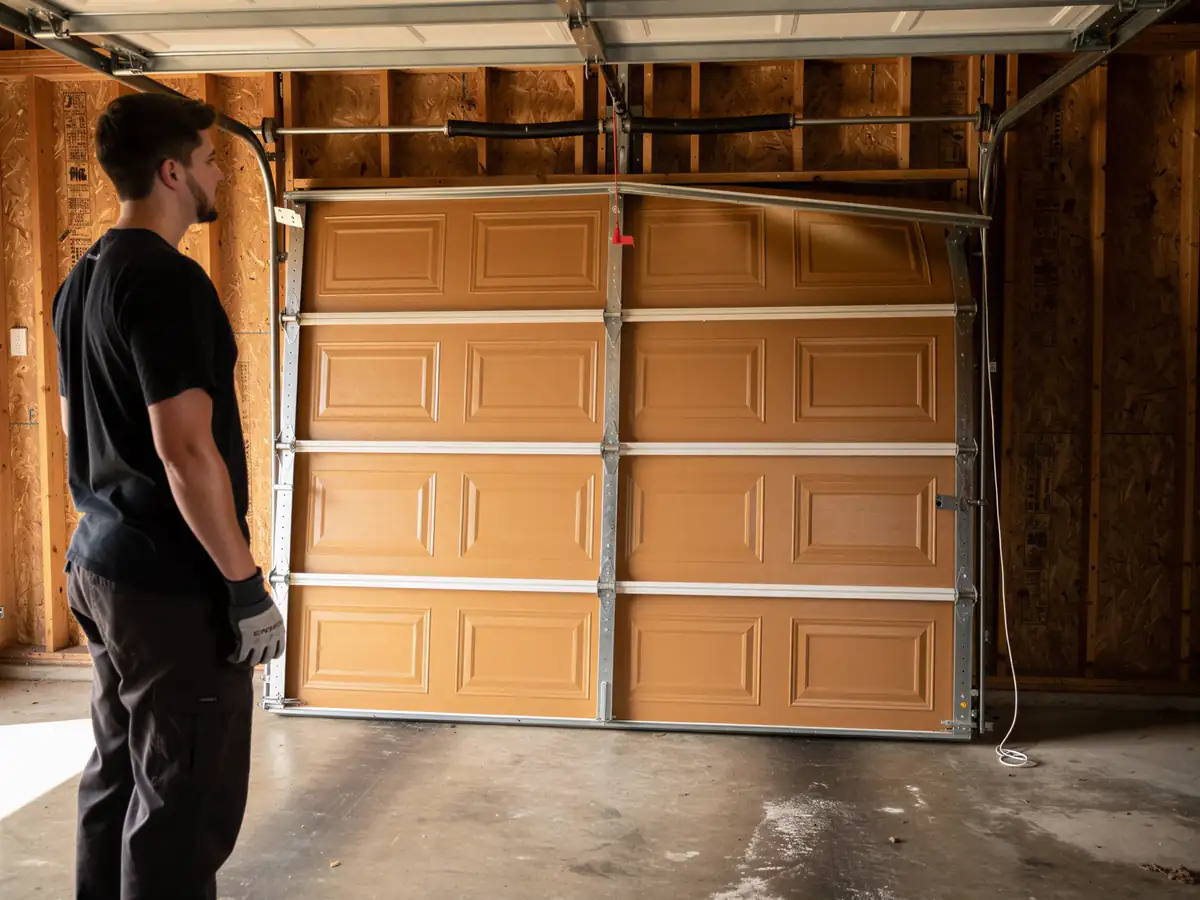
The complaint we hear most from this part of town is a door that slams the last six inches instead of settling, or one side that drops faster than the other when it closes. On a torsion-spring door from the 1960s, that's almost always one spring that's lost tension while its pair hasn't - the door is being lifted unevenly, and the cables take the extra load until one of them frays or jumps the drum. It's not an opener problem even though the opener usually gets blamed first, since it's straining to do a job the springs used to do on their own. If you're hearing a bang on close or seeing the door hang crooked by more than an inch across its width, that's the spring, not the motor, and running the opener harder to compensate just wears out the gears faster.