Where This Job Goes Sideways
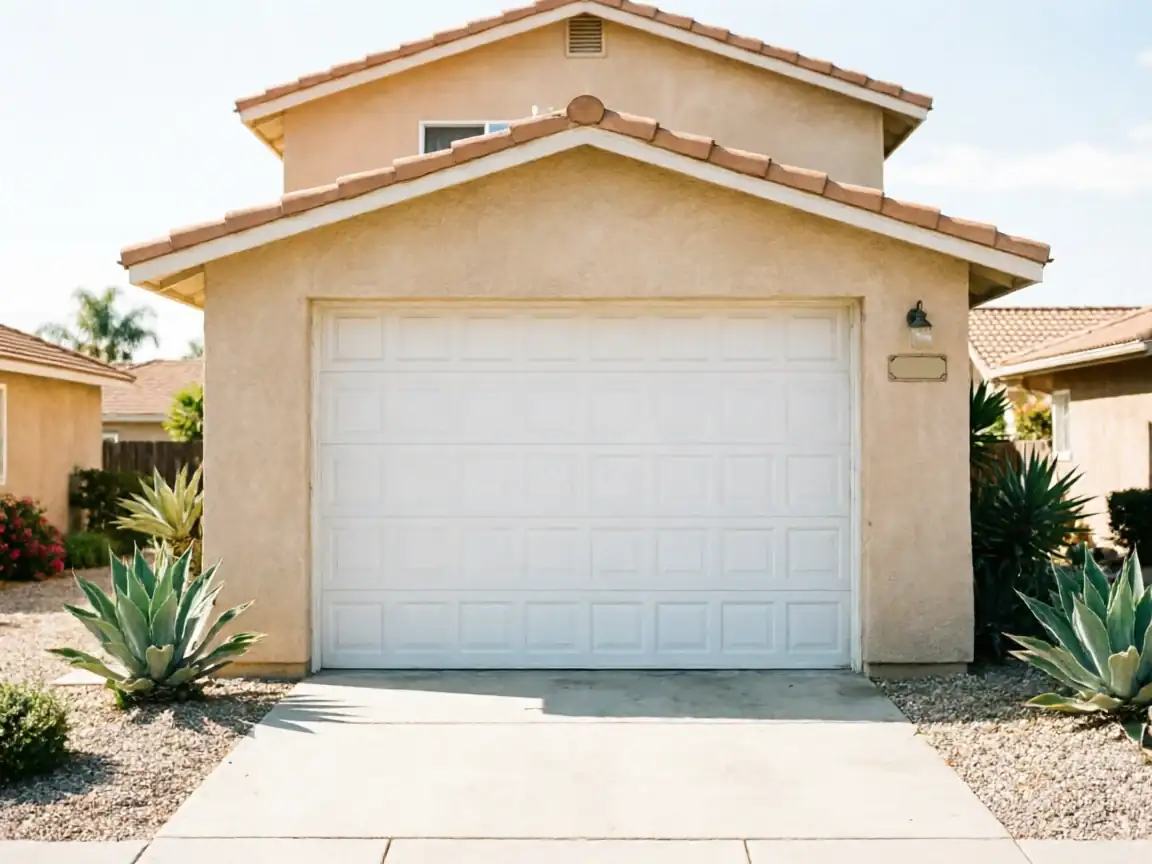
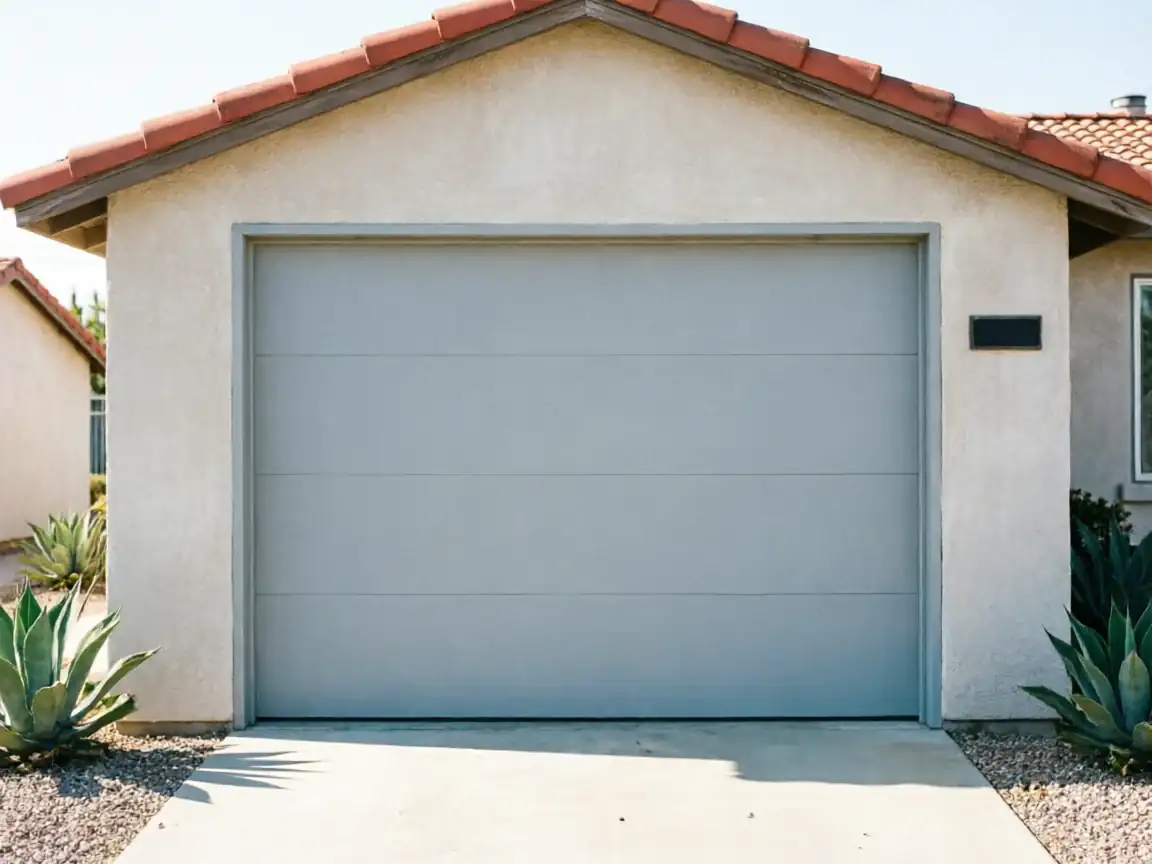
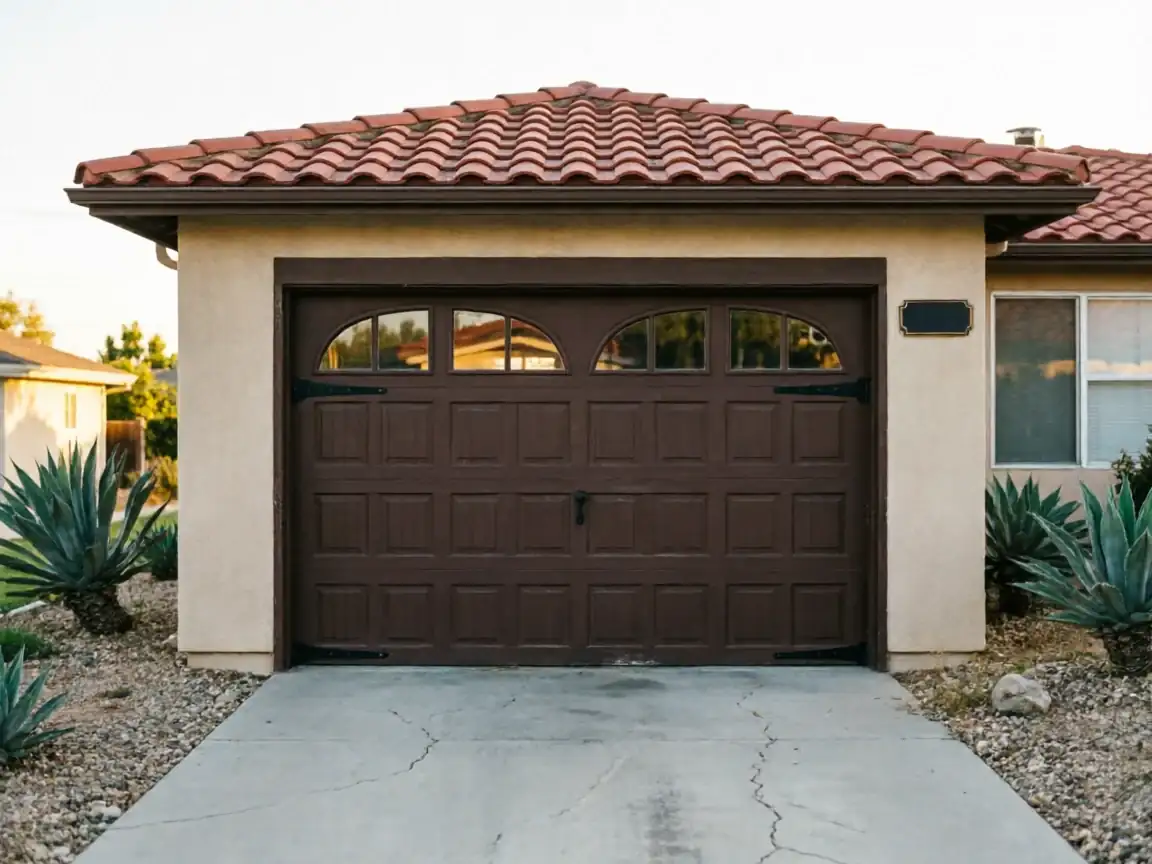
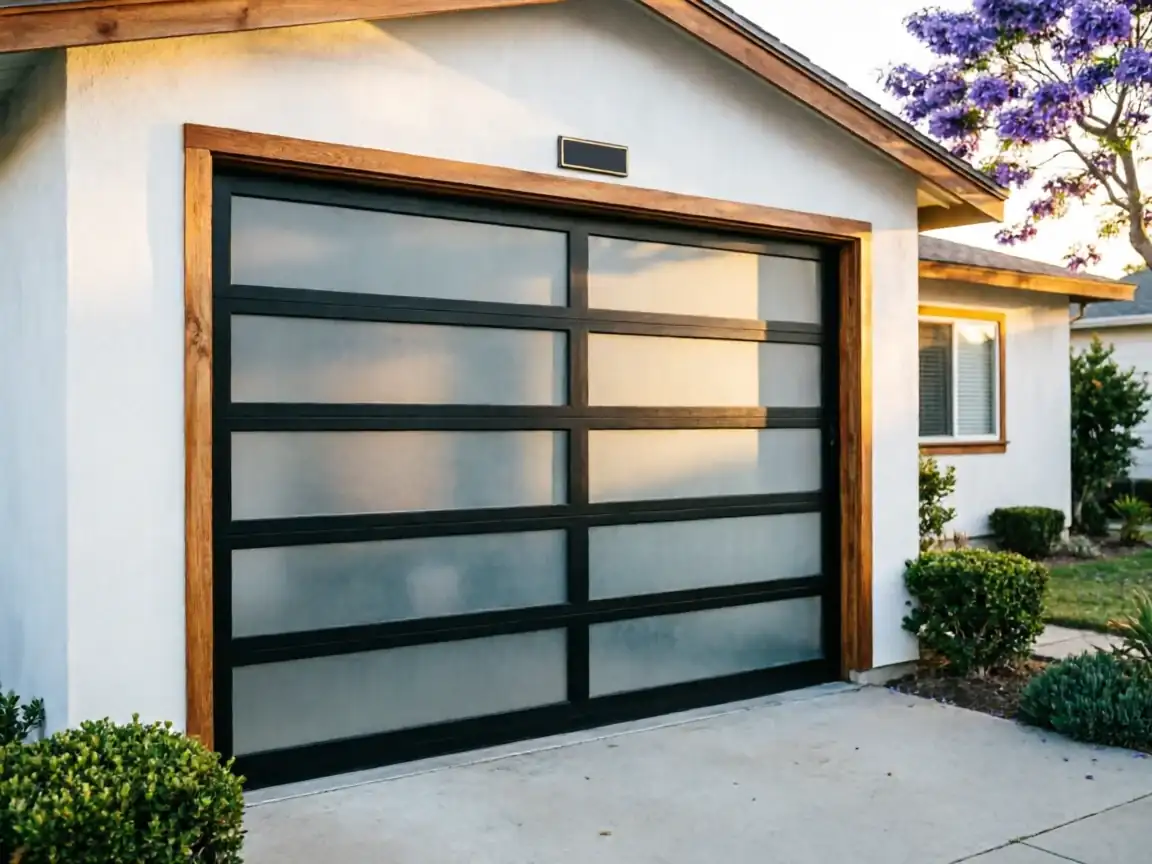
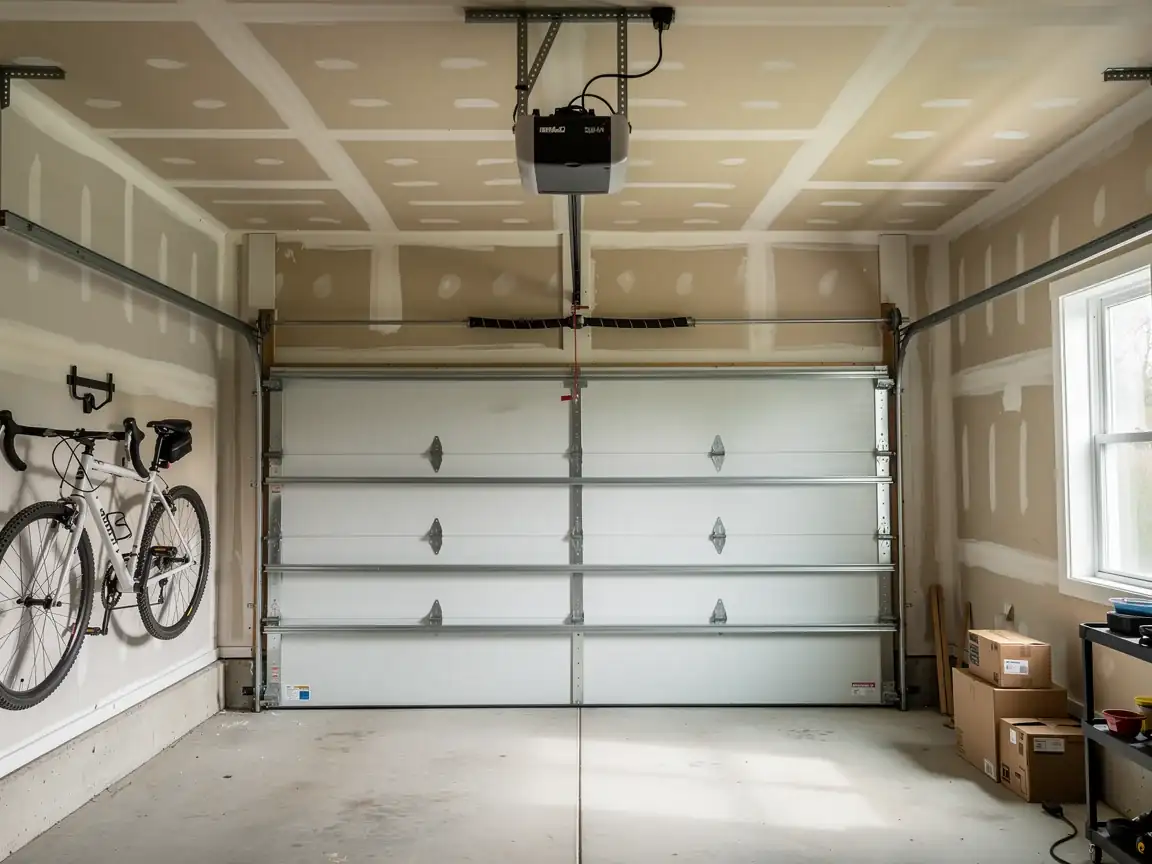
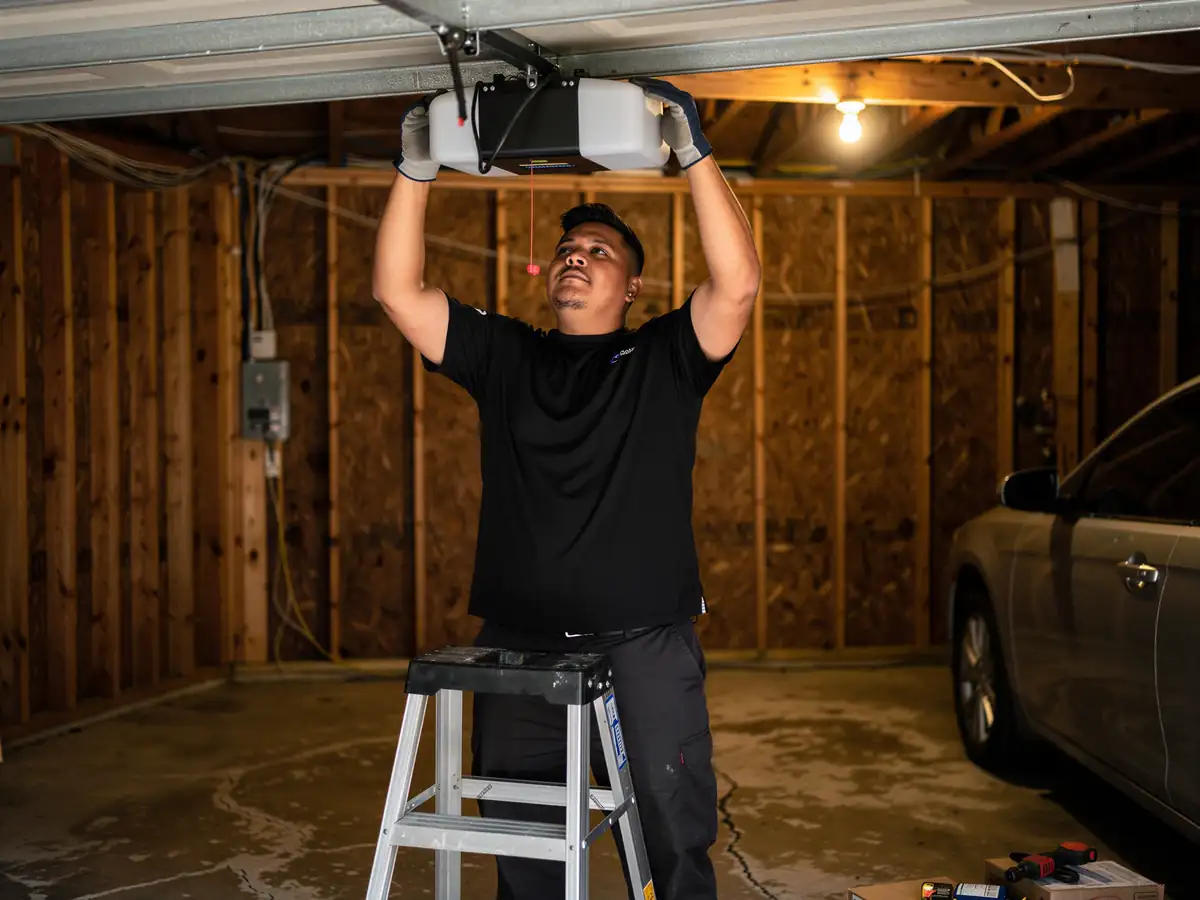
Torrance's housing stock centers on 1963, and that number matters more than people think when an opener quits. A house built that year has had maybe two or three openers in its life, tops - and in plenty of cases it's still running whatever chain-drive unit went in during a remodel decades back. The gearing on those units wears down slow, so by the time it strips, the owner's been living with grinding noise for months and ignoring it. The other trap: somebody added a modern safety sensor kit to an old opener without matching the logic board, so the eye works but the opener still won't reverse correctly. We find both setups often enough in this part of the service area that we check the install date before we touch the motor. If the opener's original to a 1960s build, the mounting bracket and the rail are usually original too, and that changes what we can bolt a new head unit onto without extra work.
Why It Happens Here
Median household income in Torrance runs $113,105, well above the $85,247 median across the wider service area, and that shows up in what we see on these calls - more owners replacing an opener before it fully dies, rather than running it into the ground. But the housing age still sets the baseline: homes built around 1963 in a mild coastal climate don't get the thermal swings that crack housings or seize gears from heat, so when an opener here fails, it's almost always wear and age catching up, not weather damage. That combination - older original hardware, owners who act early once something sounds off - means we're often replacing a unit that's failing, not one that's already dead.
The Symptom
The complaint we hear most from this stretch of the service area is an opener that runs but won't lift the door past a few inches, or reverses halfway up for no reason. On a 1960s-era chain-drive unit, that's usually the drive gear - a nylon part that wears down over the years and eventually strips teeth under load. On newer belt or screw-drive replacements installed in these same houses, the same symptom more often points to a failing logic board losing track of the door's position. Both need a different fix, and guessing wrong wastes a trip, so we ask what kind of drive you've got before we load the truck.