How Long It Takes
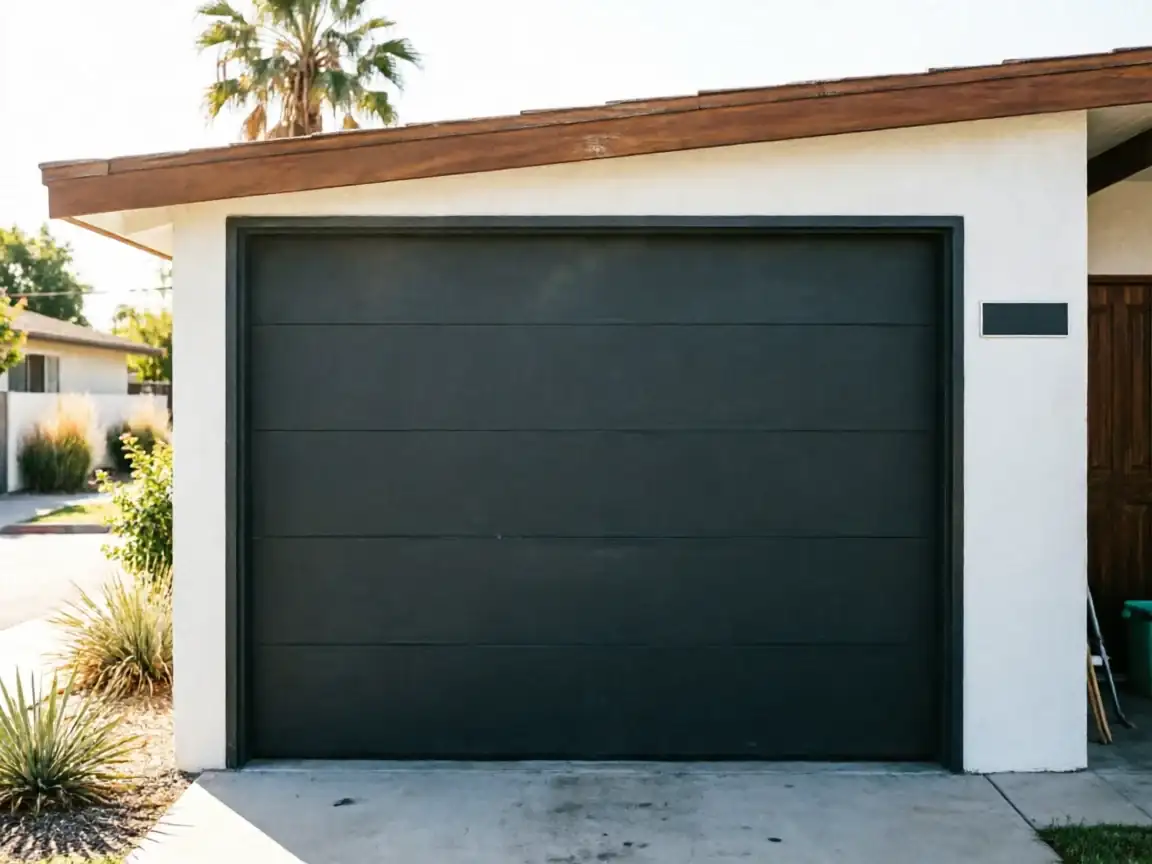
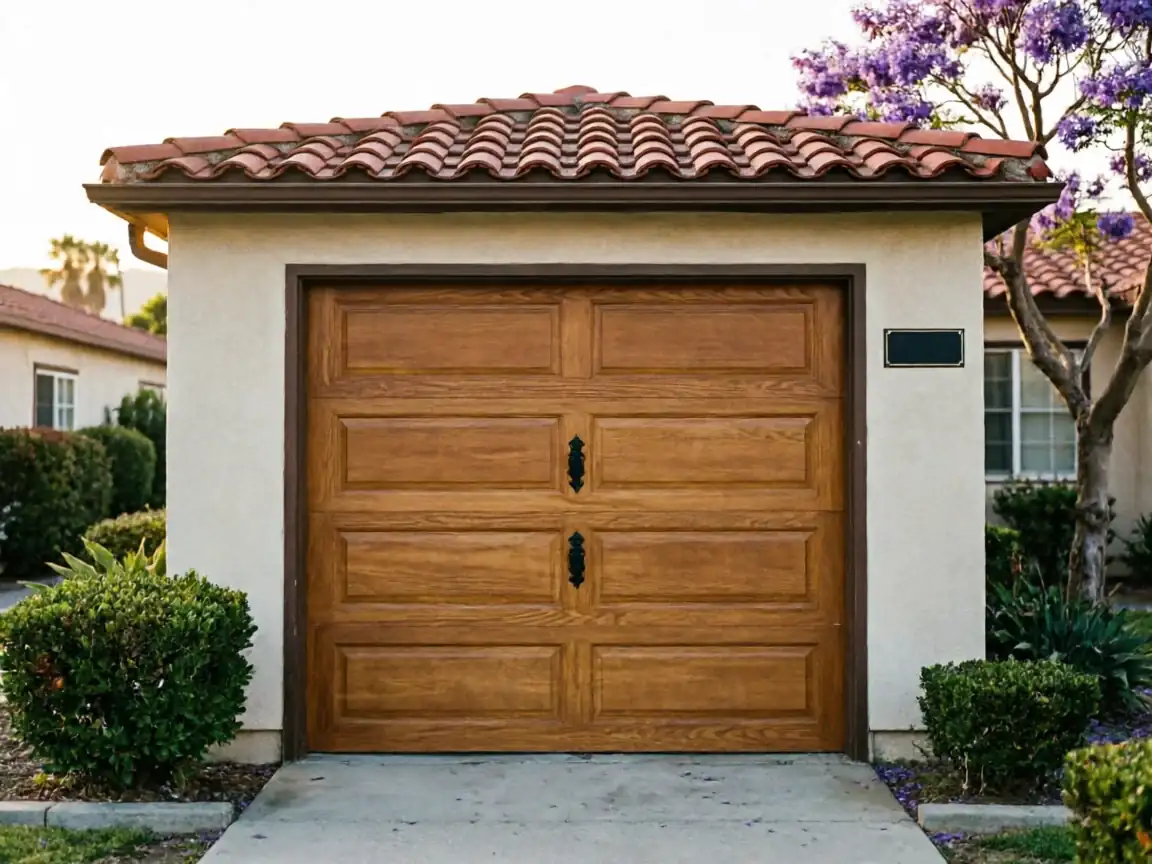
We run this job out of Long Beach, about five miles from most Lakewood streets. That's a short drive, not a dispatch from across the county, so a call here fits into a normal route without the truck sitting in traffic for an hour first. We don't keep a separate branch in Lakewood and we won't pretend otherwise - every job starts from the same shop and the same stock of parts. What that means in practice is simple: the time from call to truck depends on where Lakewood falls in that day's route, not on distance, since five miles barely moves the needle. Once we're on site, the clock is about the door itself - a spring swap is a different job than sorting a bent track or replacing an opener that's seized up. Mid-century single-car openings tend to be straightforward once we're there; it's the older torsion hardware, sized for doors nobody makes anymore, that can stretch a visit if we have to adapt new parts to an old header. We'd rather tell you that up front than guess at a number that doesn't hold up once we're standing in the driveway.
How We Fix It
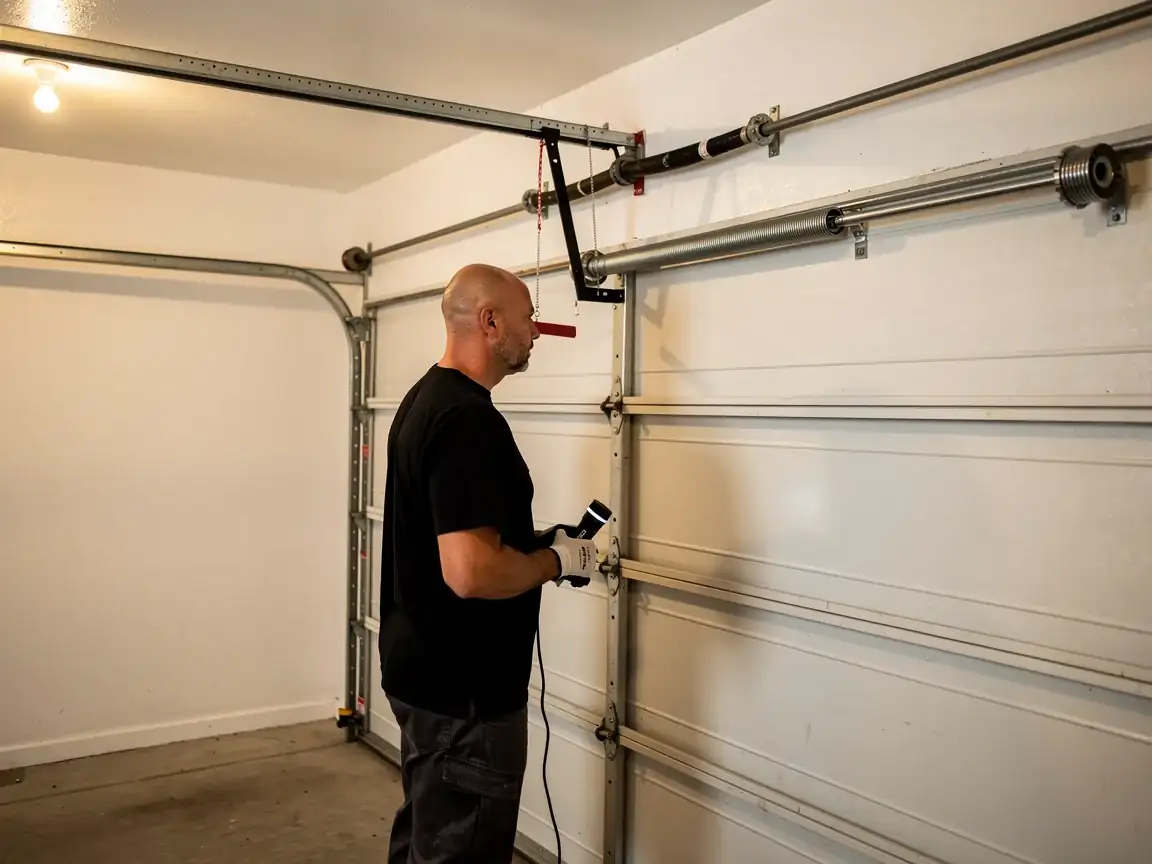
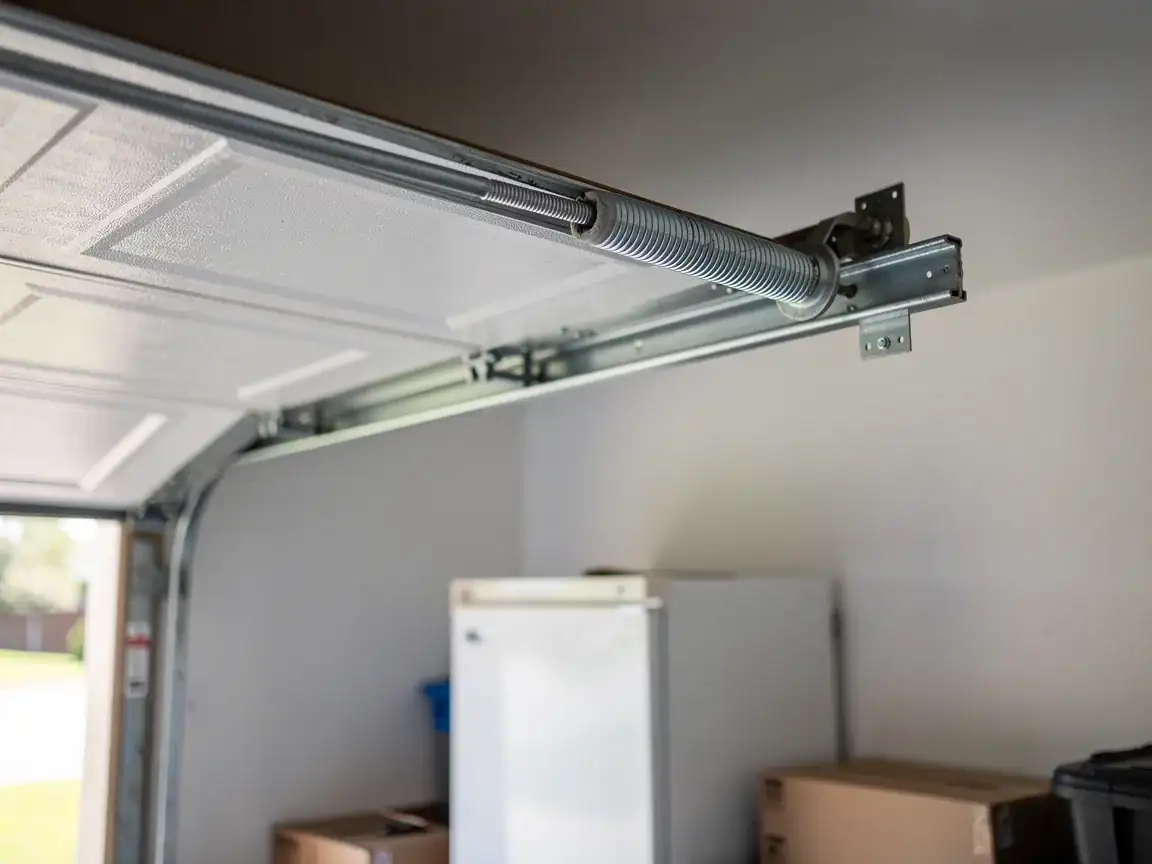
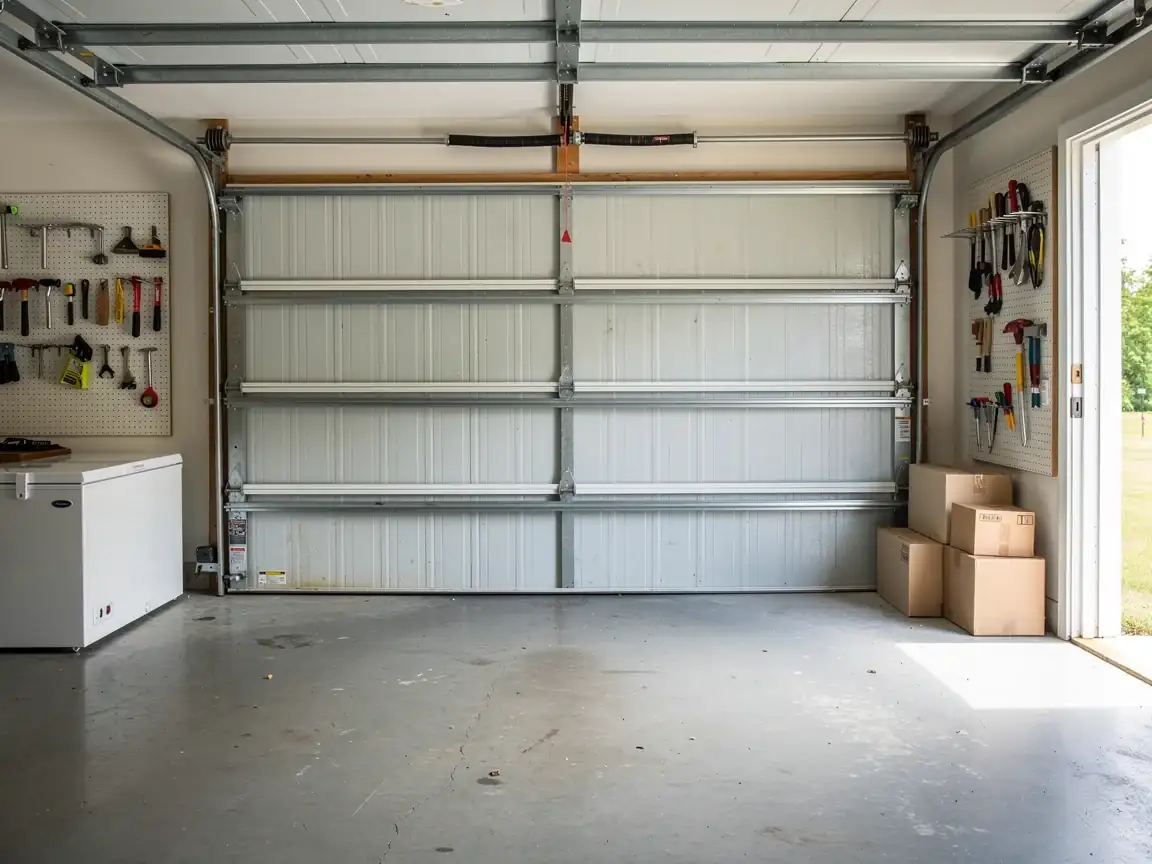
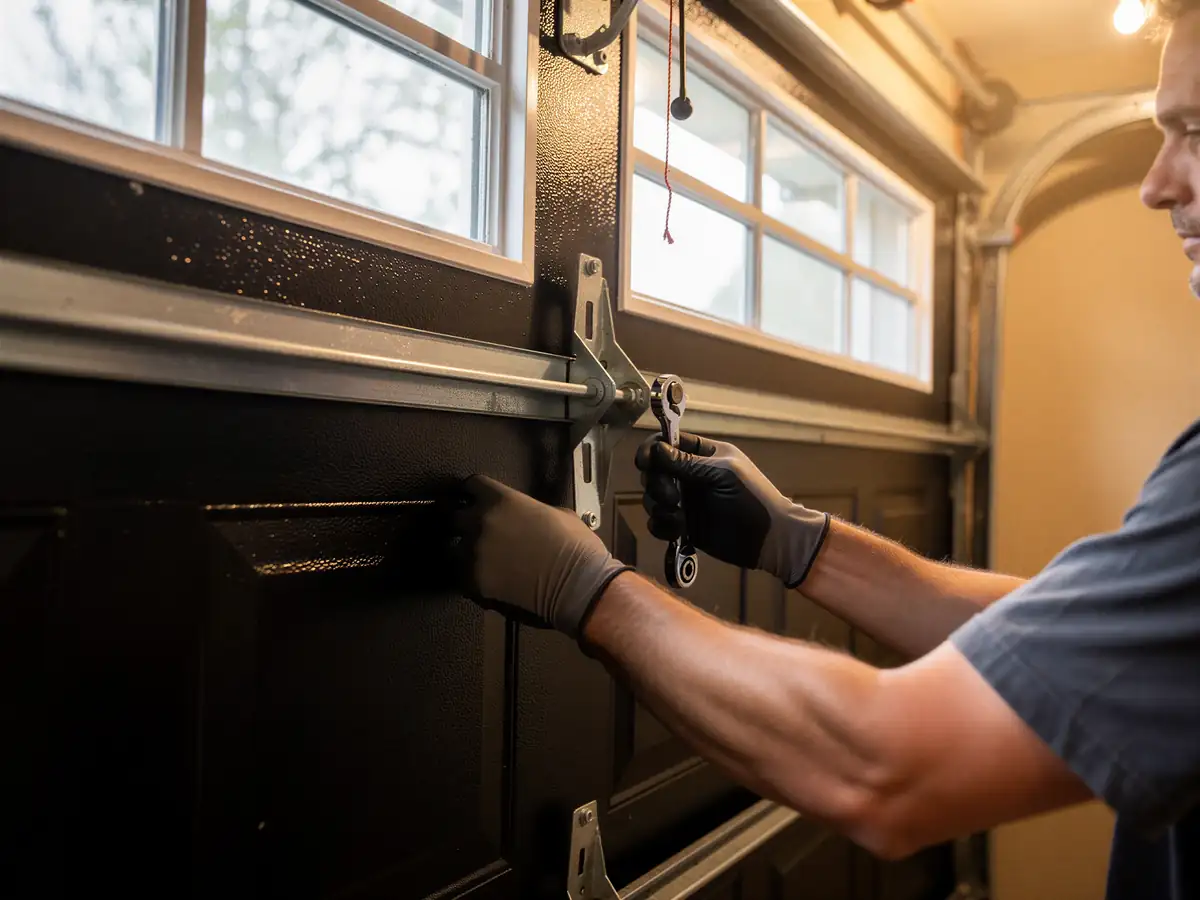
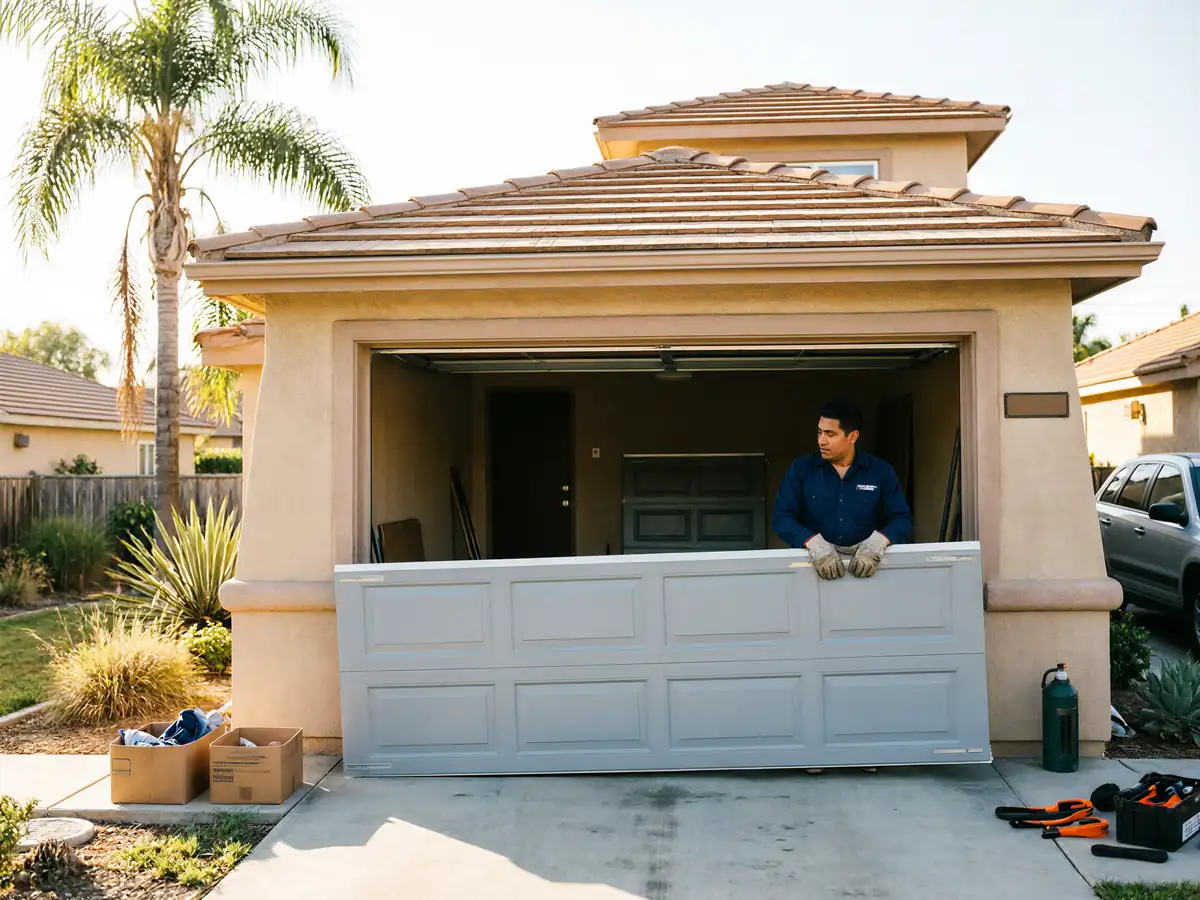
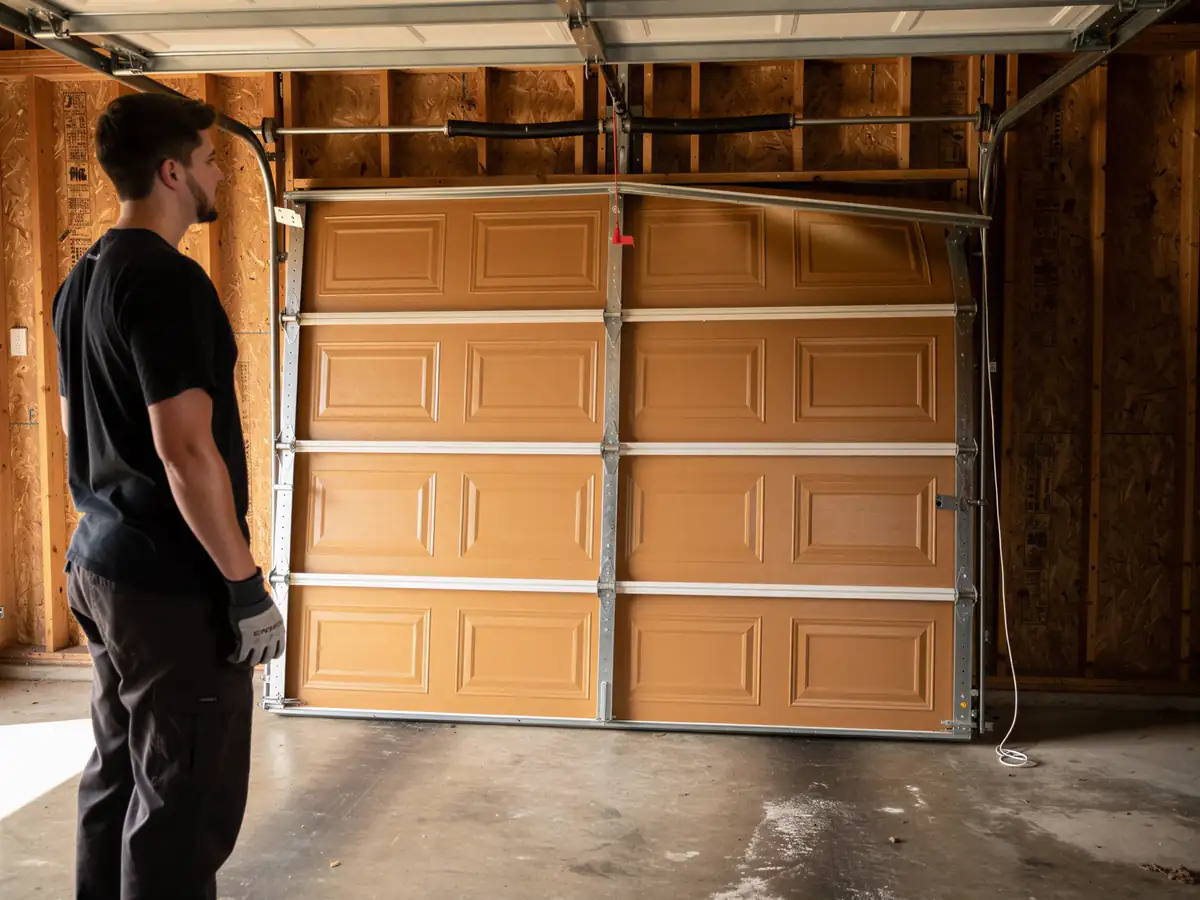
First thing is figuring out whether the spring, the cable, or the track is actually the failure point, because they can mimic each other - a door that won't lift can be a dead spring or a cable that's jumped the drum, and guessing wrong means a wasted trip. We check the torsion shaft for wear, look at the drums for the right cable wind, and run the door by hand once it's safe to see where it binds. For original hardware on a 1950s-era door, repair is often the right call, since the frame and track geometry on these houses hold up well once the spring and rollers are current. Where it stops making sense is when the door itself is sagging, delaminating, or the panels are no longer square - at that point we'll say so, because fixing hardware on a door that's structurally done is money spent twice. That's the honest limitation here: we don't push a repair past the point where it's cheaper and safer to replace the door, and we'll tell you when you've hit that line instead of running up a bill.
Parts We Carry
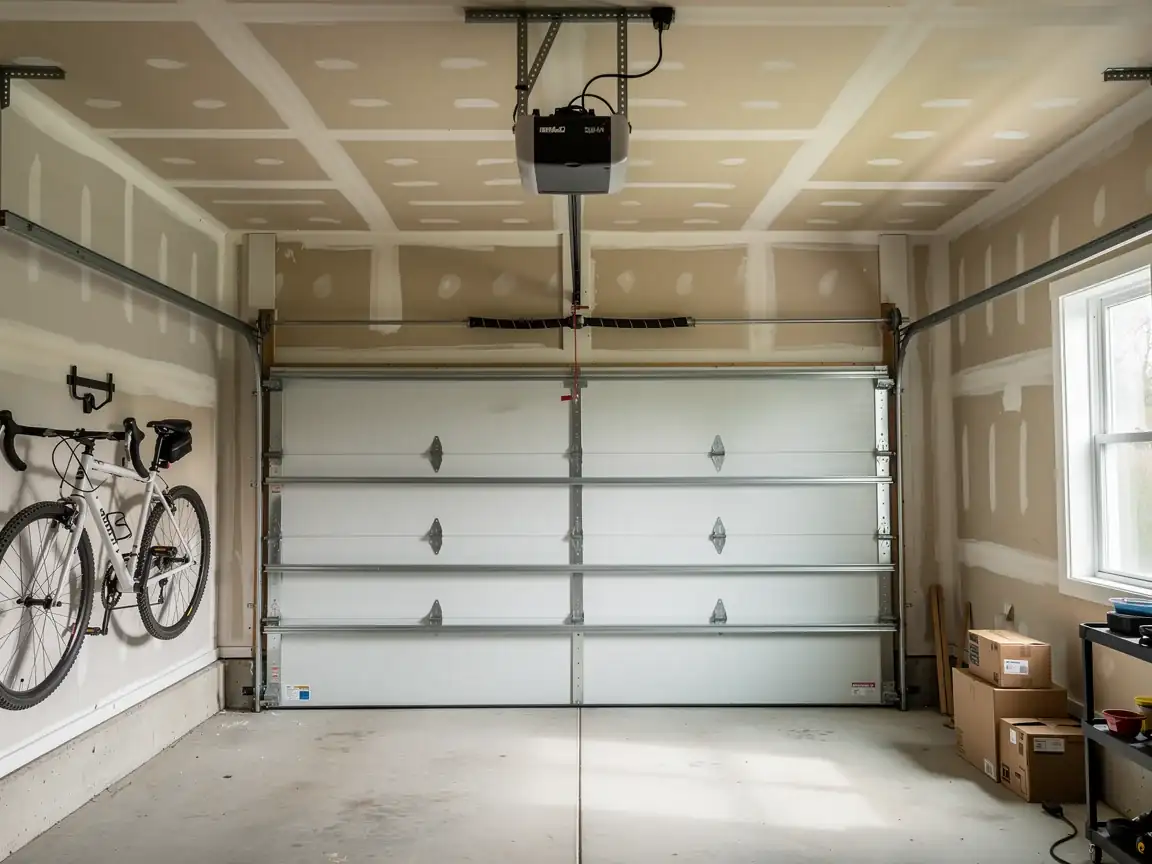
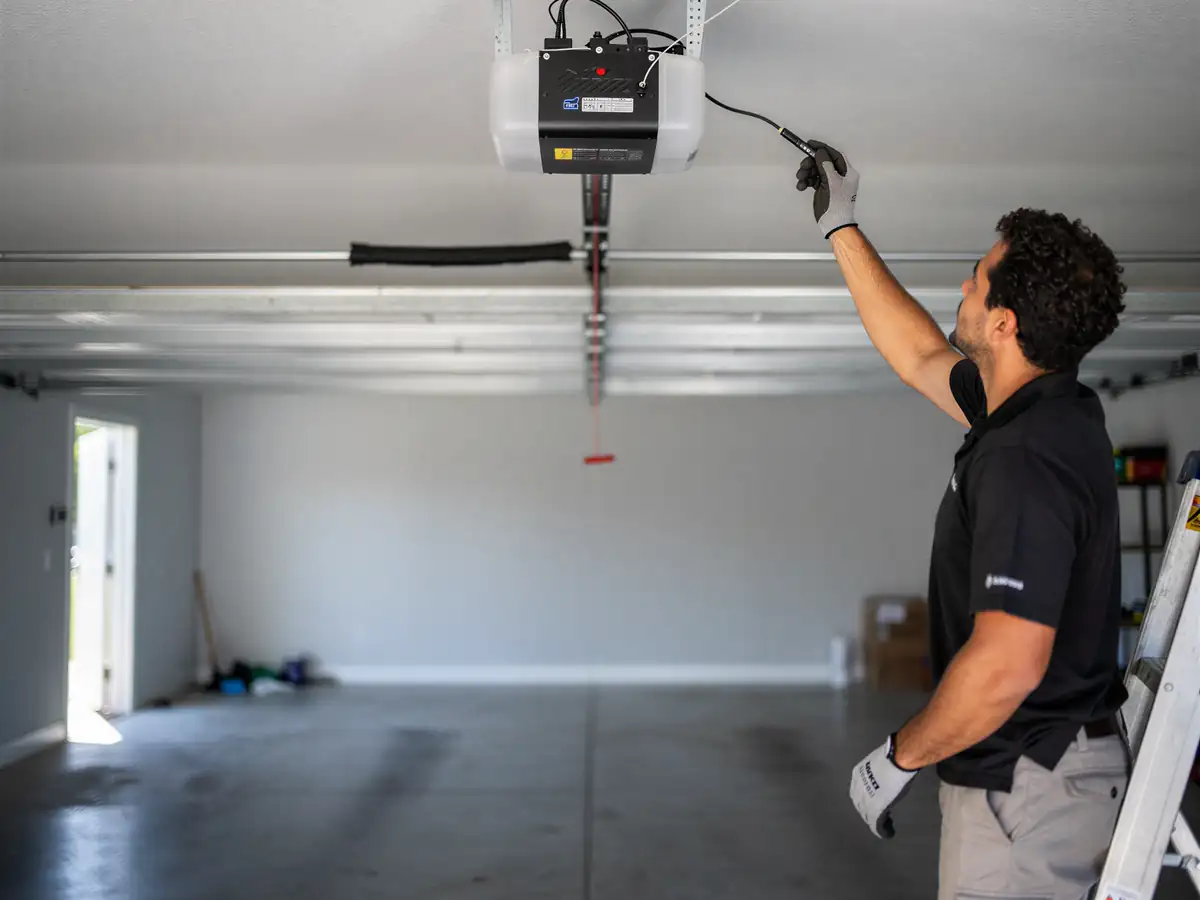
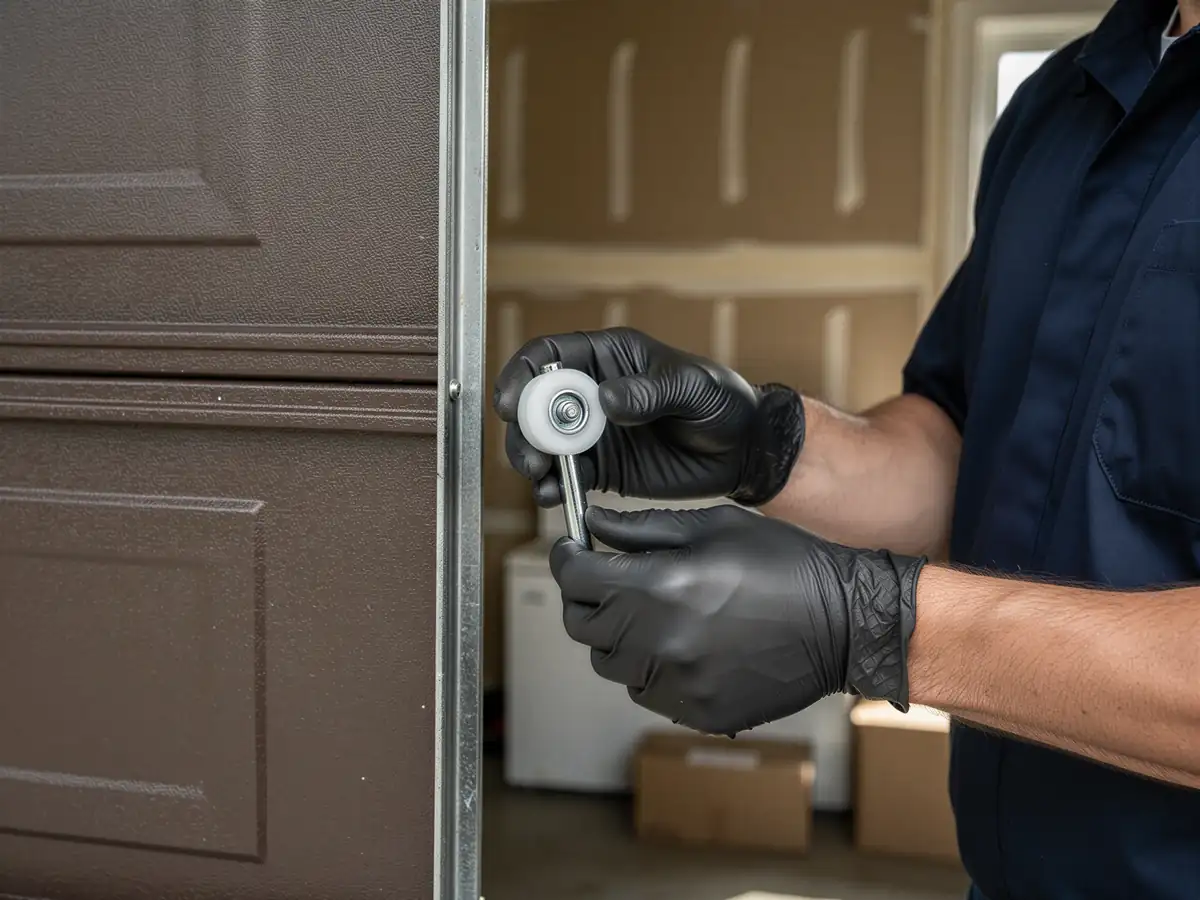
We stock the torsion springs, extension springs, nylon and steel rollers, lift cables, and track hardware sized for the single and double-car openings common across the 1960s-70s housing stock that makes up most of this service area, Lakewood included. That covers the standard widths you'll find on a mid-century ranch garage, plus the heavier-gauge springs needed when a door's been upgraded to an insulated steel panel since it was built. What we don't carry on the truck is obsolete, discontinued hardware from manufacturers that stopped making parts decades ago - if your door still has its original panel and the bracket pattern is non-standard, that can mean a short wait while we source the right piece rather than a same-visit fix. We'd rather say that plainly than promise a part is on the truck when it isn't. For openers, we carry common replacement units and the drive components that wear out - gears, belts, chain - for the models most often found on homes from this era.