What It Costs
Carson's housing stock centers on 1965, which means a lot of garages here still carry the roller set that came with the door the day it was hung. Steel rollers on steel stems were standard through the 1960s and 70s, and plenty of owners have replaced an opener or a spring over the decades without ever touching the rollers themselves - they just don't fail loud enough to get noticed until the door starts grinding sideways in the track.
We don't post a flat number here because roller jobs split into two different quotes depending on what we find. A straight swap of 10 rollers on a door that's otherwise sound is one job. A door where the track has worn oval from forty-plus years of steel-on-steel contact, and the track needs resetting or replacing alongside the rollers, is a bigger one. With Carson's median household income at $107,391, most owners we talk to choose nylon rollers with sealed bearings over the cheaper steel replacement - they cost more up front and run quieter for longer, which matters in neighborhoods where garages sit close to living space.
We'll tell you which situation you're in before we start, not after.
Can You Do This Yourself
Rollers are one of the more reasonable DIY jobs on a garage door
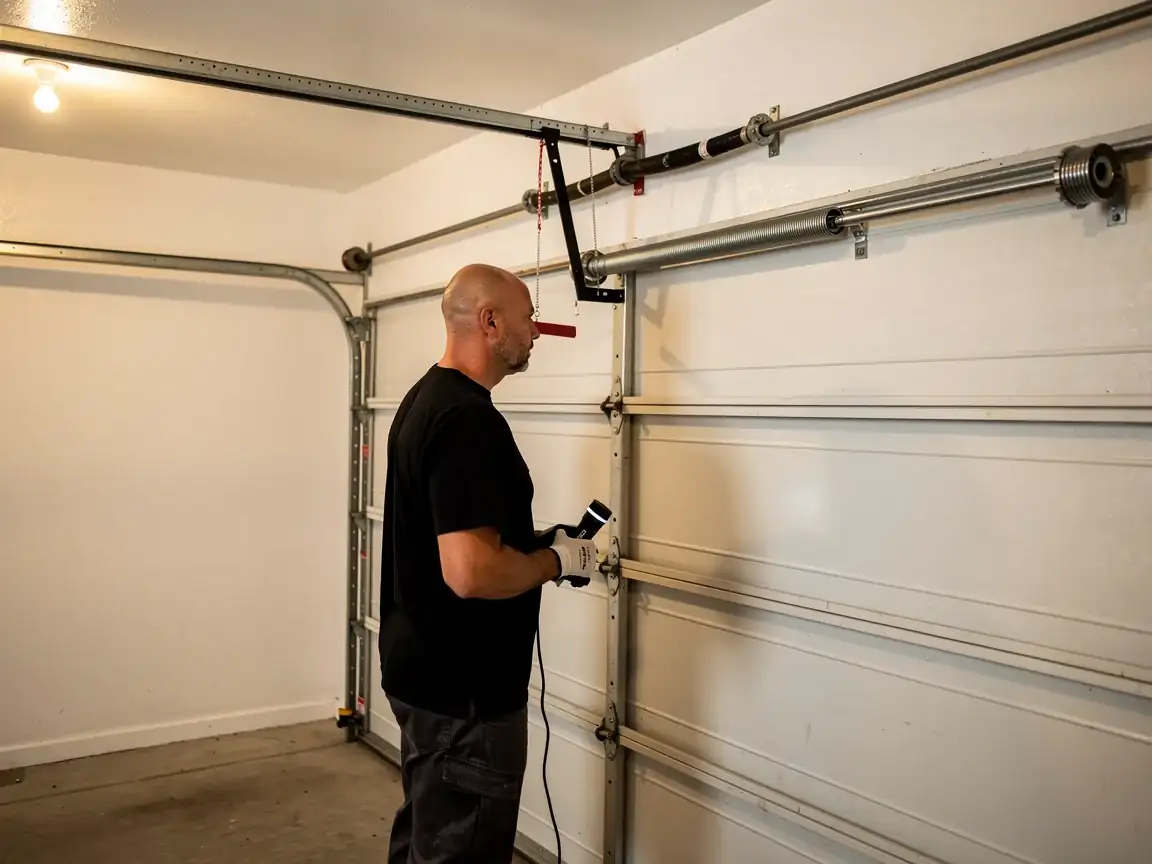
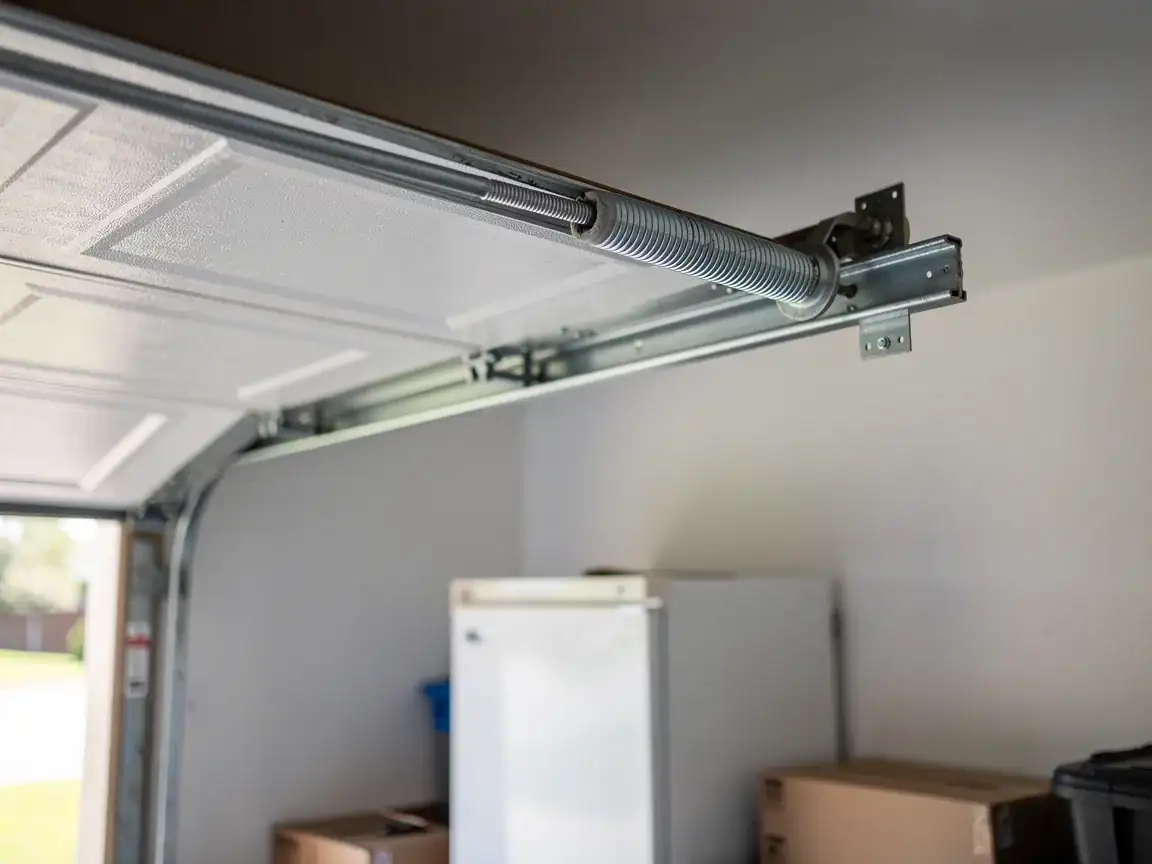
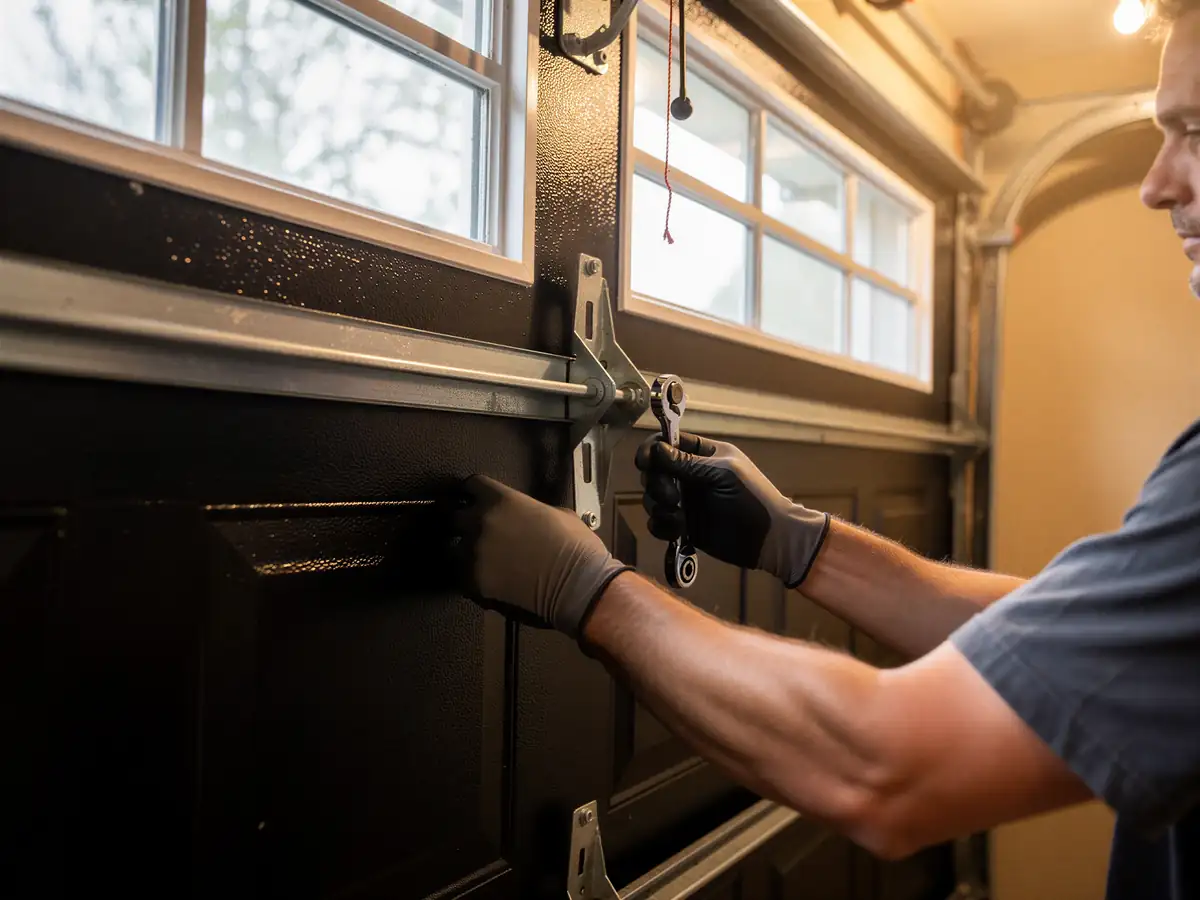
With one honest catch: you cannot safely remove rollers from the bottom bracket on a door under spring tension without disconnecting the spring first, and on a 1965-era door with a torsion spring that's also original, that's not a beginner move. If your rollers are on the top and center sections, away from the bottom bracket's cable anchor, a careful owner with the right pliers can usually swap those without touching the spring at all.
What trips people up in Carson specifically is the track
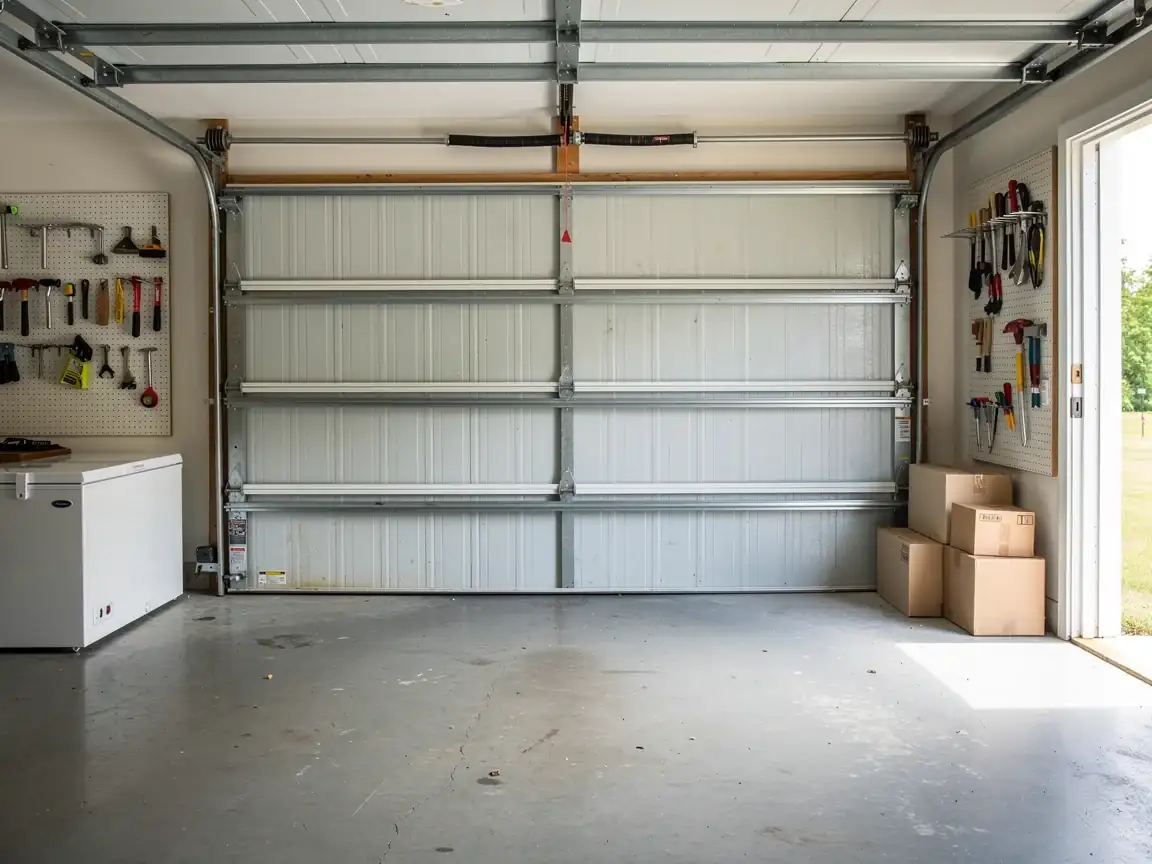
A door running since the mid-1960s has had decades for the track to wear a slightly different shape than a newer track would, and dropping new nylon rollers into an old, worn track doesn't fix the noise - it just moves it somewhere else for a few months. If the door still rattles after a DIY roller swap, the track's the next thing to check, not the rollers again.
We're not going to tell you every job needs a truck
Plenty don't.
Parts We Carry
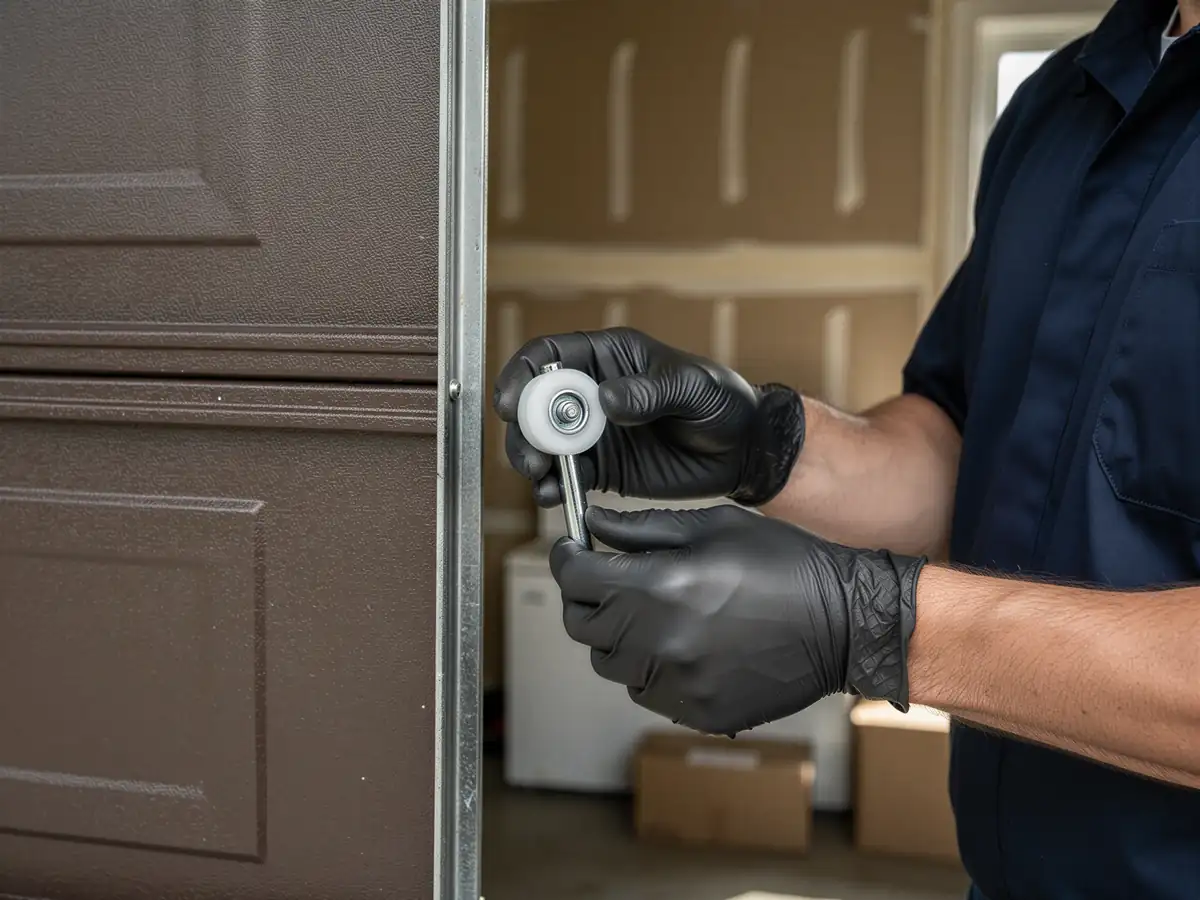
We stock nylon rollers with sealed ball bearings as the standard replacement for the steel rollers common on doors from Carson's 1960s-70s building era - quieter, and they don't need the periodic oiling steel rollers do. We also carry the stems and brackets that mount them, since on a door this old the stem is often as worn as the roller wheel, and swapping one without the other just moves the squeak down the track by six months.
What we don't stock on the truck: rollers sized for commercial or oversized residential doors, which show up occasionally but aren't common in the residential tract housing that makes up most of Carson. Those get special-ordered, and we'll tell you the lead time before you commit to the job rather than after.
Mild coastal temperatures here mean we're not dealing with the lubricant breakdown or metal contraction that colder-climate techs see, so the bearing grease we use doesn't need a cold-weather formula - one less variable in a job that's usually straightforward once the track's confirmed sound.
Why It Happens Here
Across the 58 named areas this company covers, housing runs from 1947 to 2012 with a median around 1964 - Carson sits almost exactly on that median at 1965, which means its roller failures track the regional pattern closely: original steel hardware, decades of use, no mid-life hardware upgrade. What makes Carson's version slightly different is the income profile. At $107,391 median household income, well above the broader service area's $85,247, more Carson owners have the opener and spring already upgraded, with the rollers as the one component nobody thought to touch because they don't make noise until they're nearly gone.
The mild temperate climate here doesn't stress rollers the way freeze-thaw cycles do elsewhere - so when a roller fails in Carson, it's almost always wear and lubrication, not weather. That's a simpler diagnosis, and it's part of why roller jobs here tend to be quick once we're on site, 6 miles out from our Long Beach shop.