What It Costs
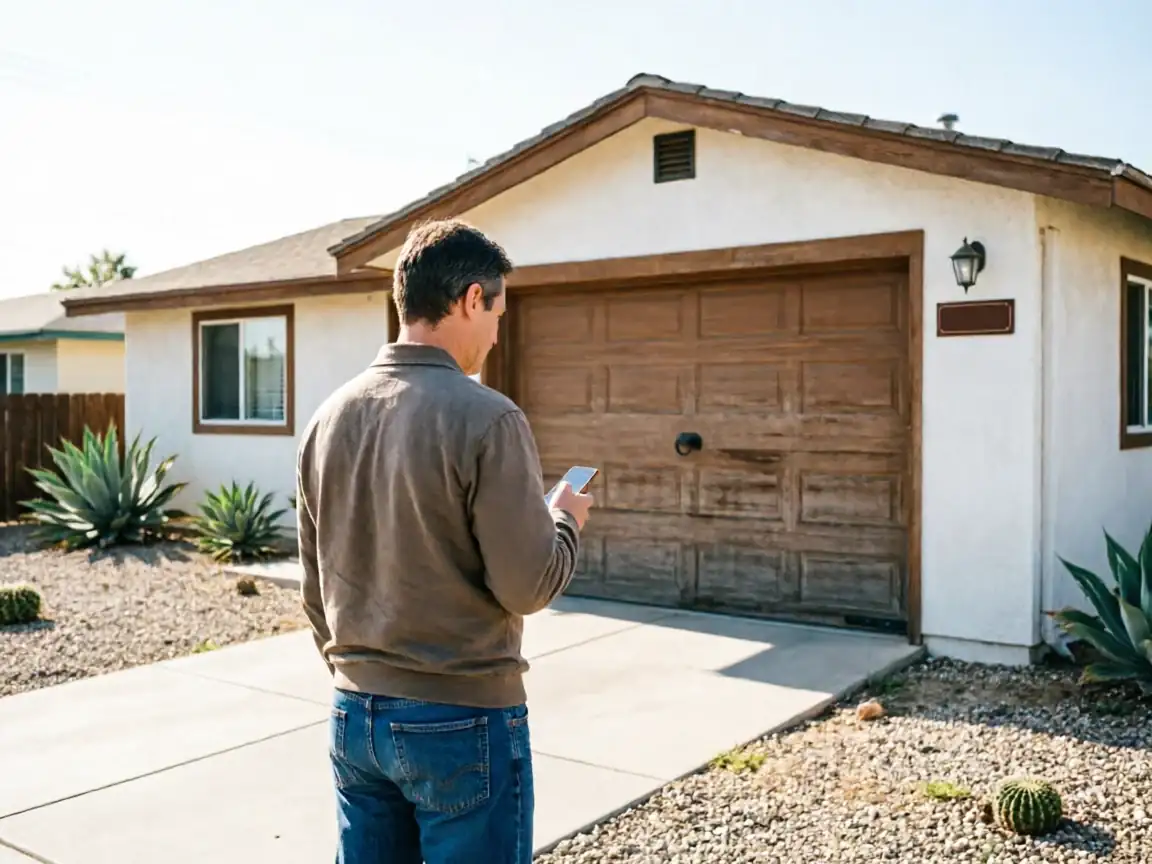
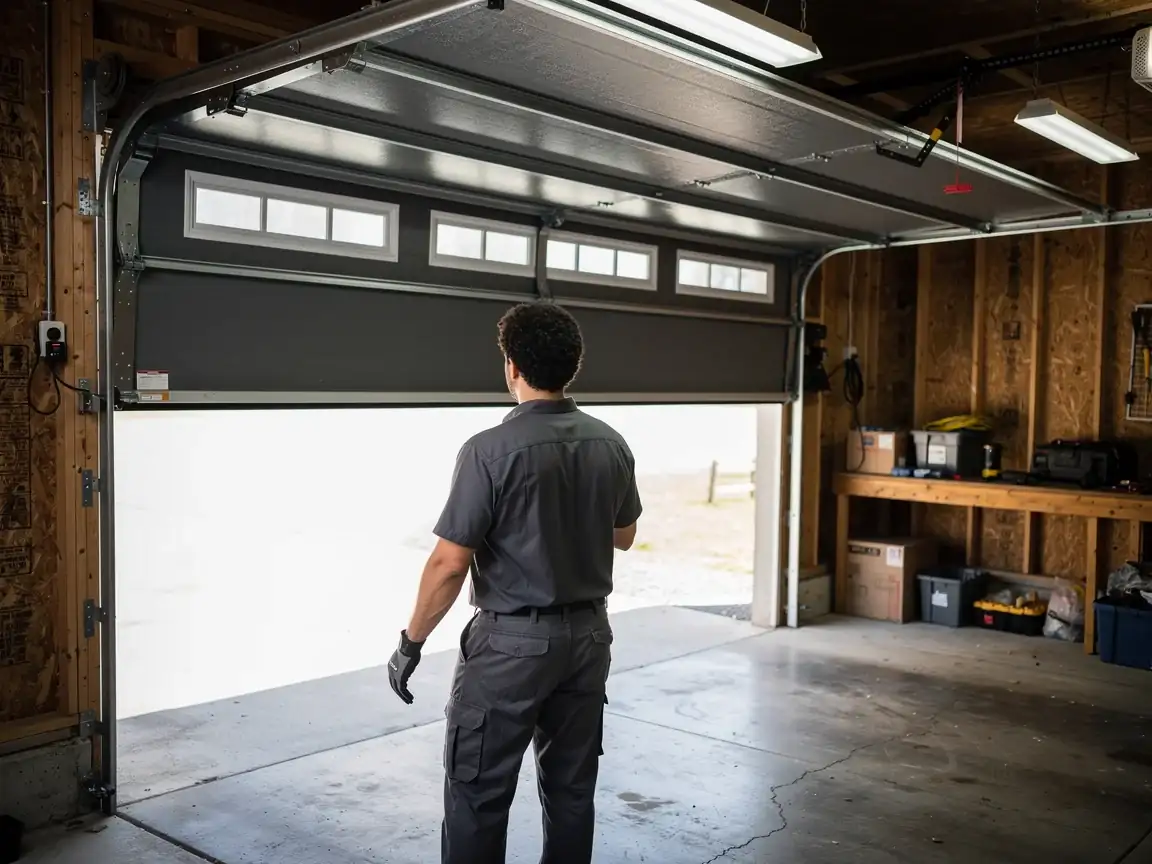
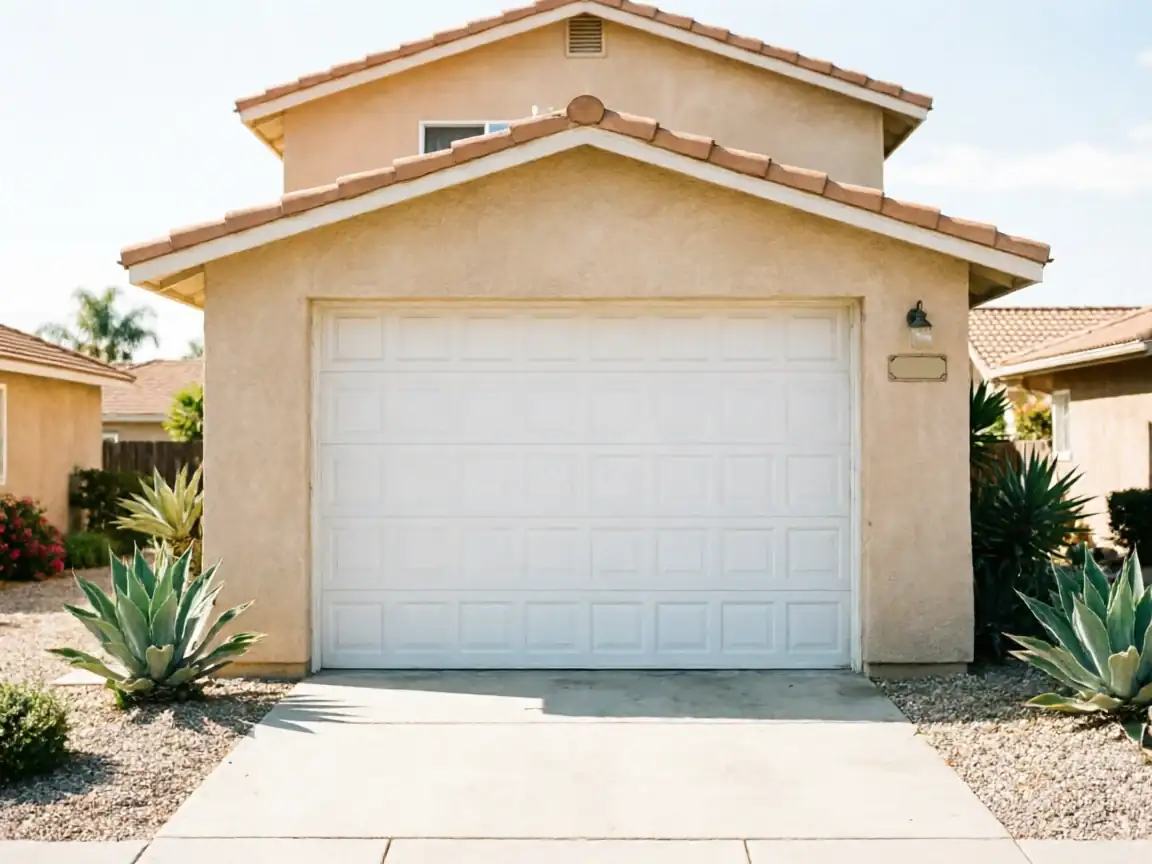
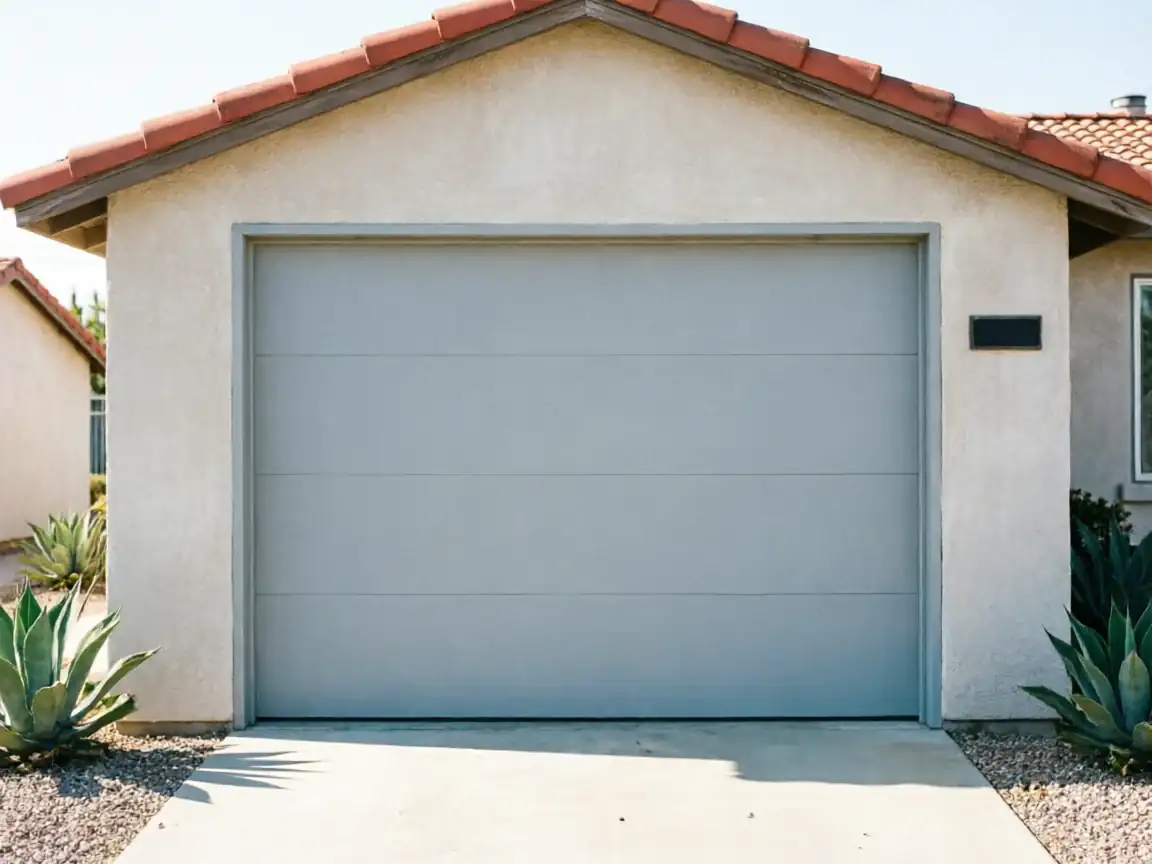
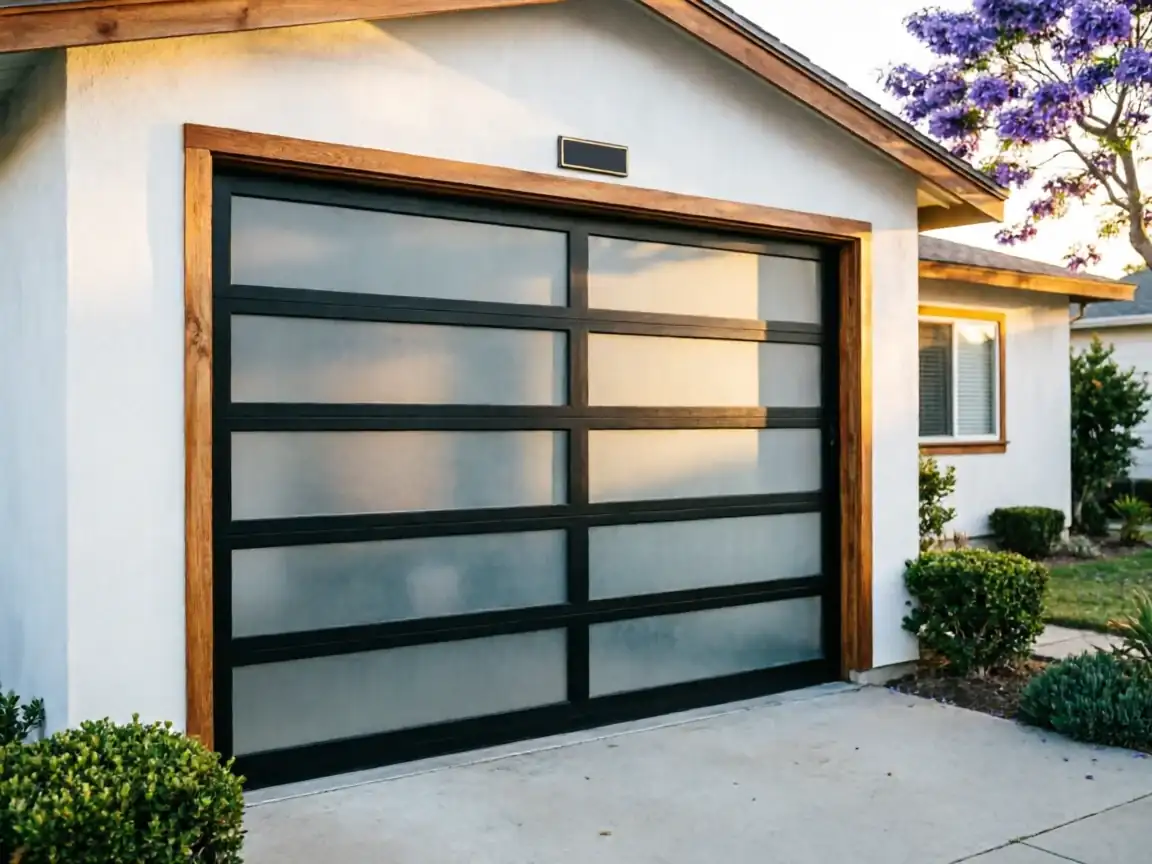
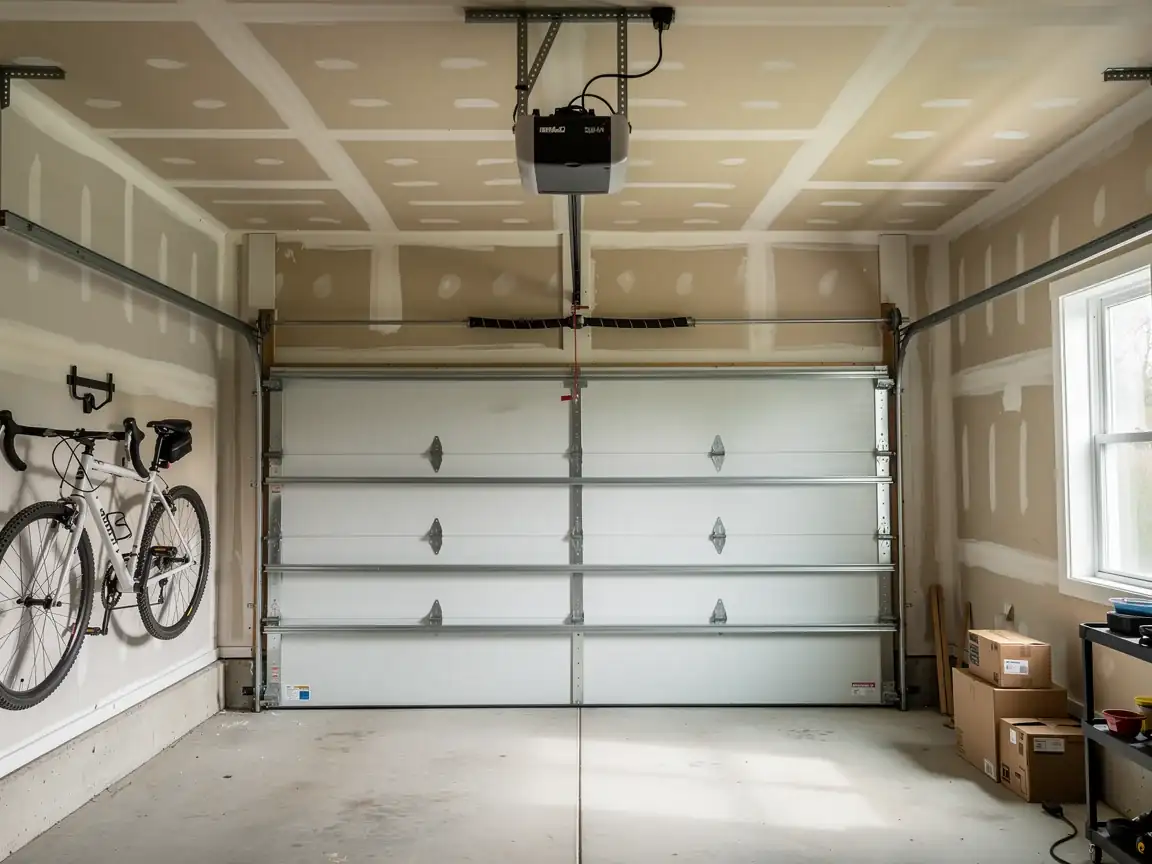
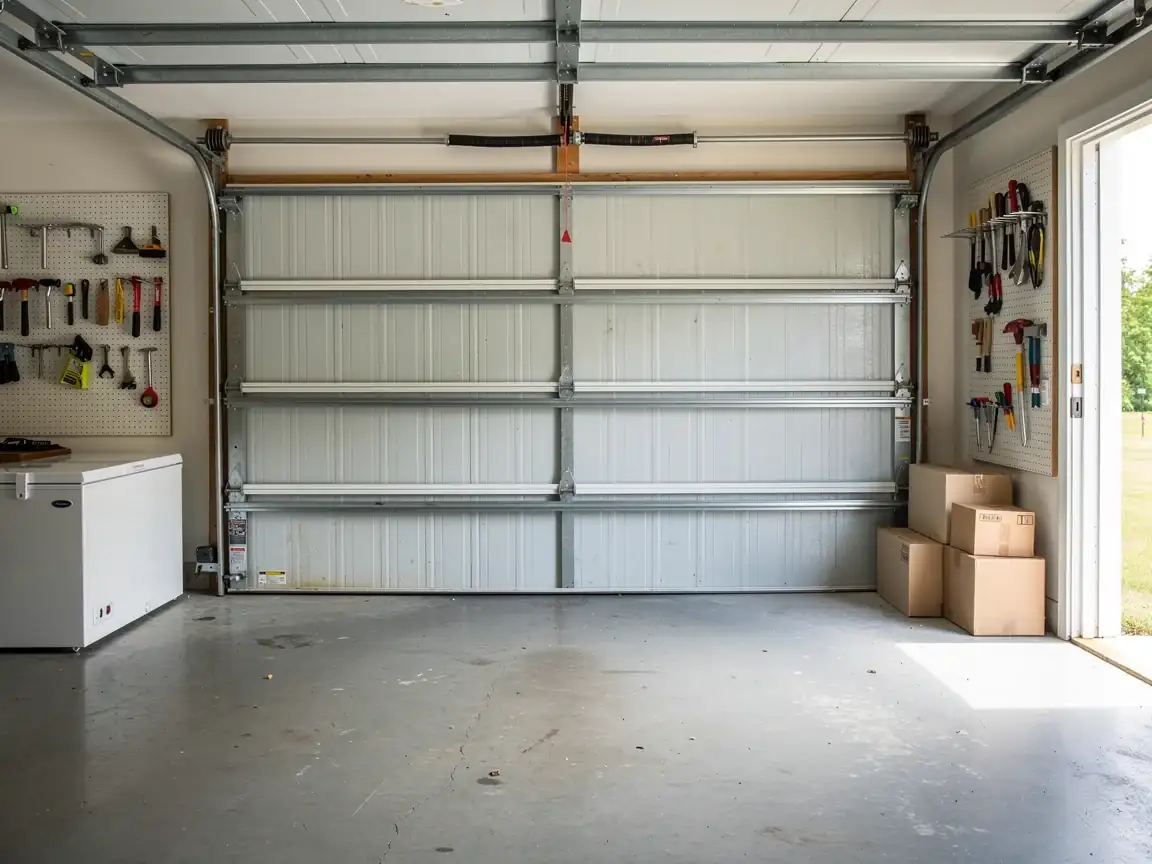
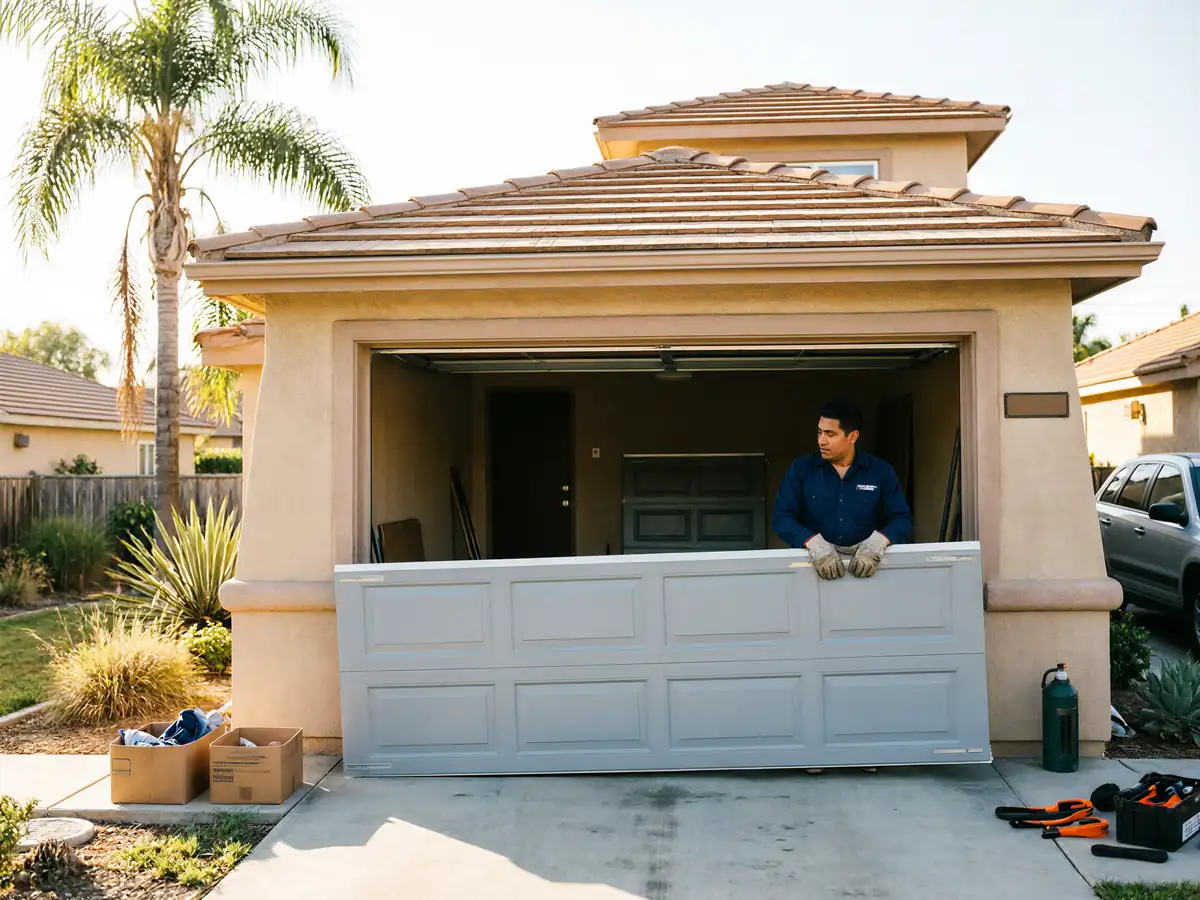
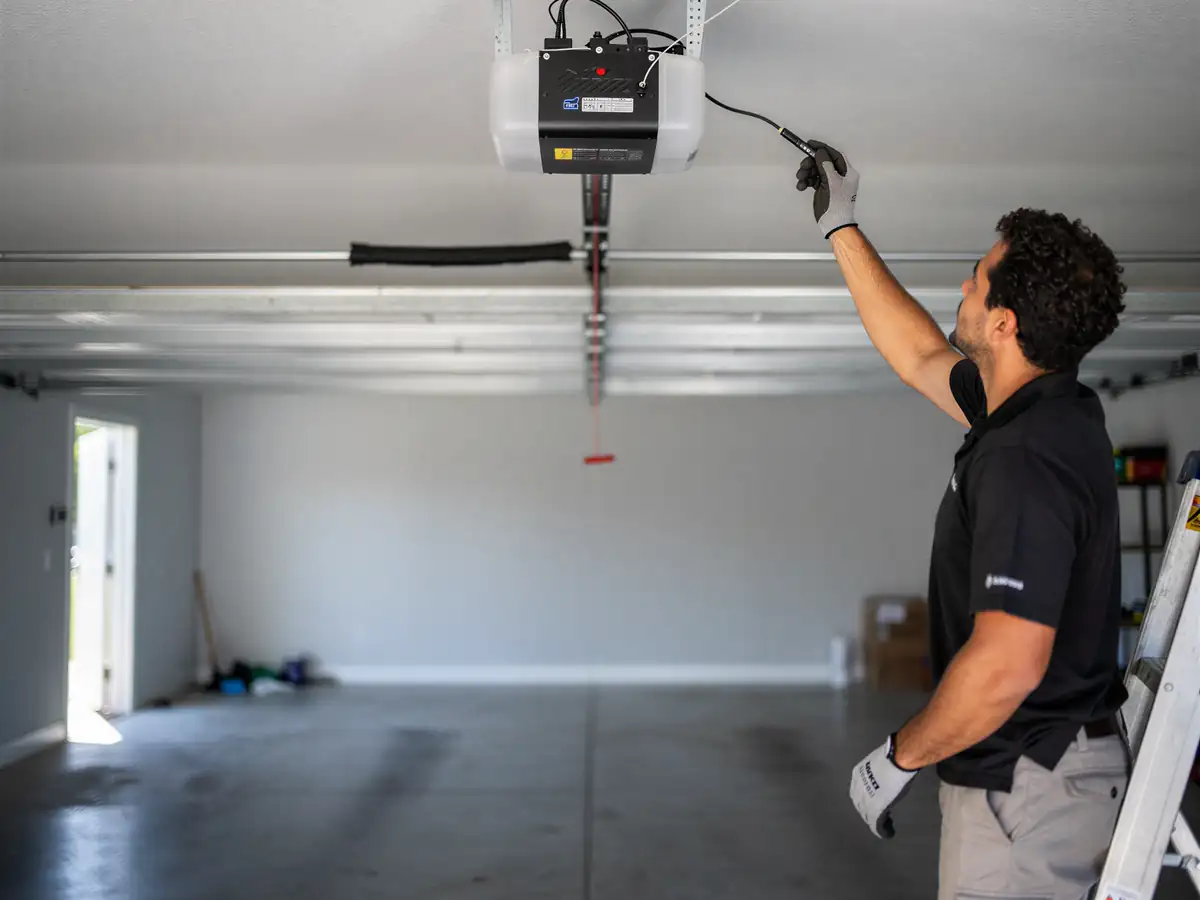
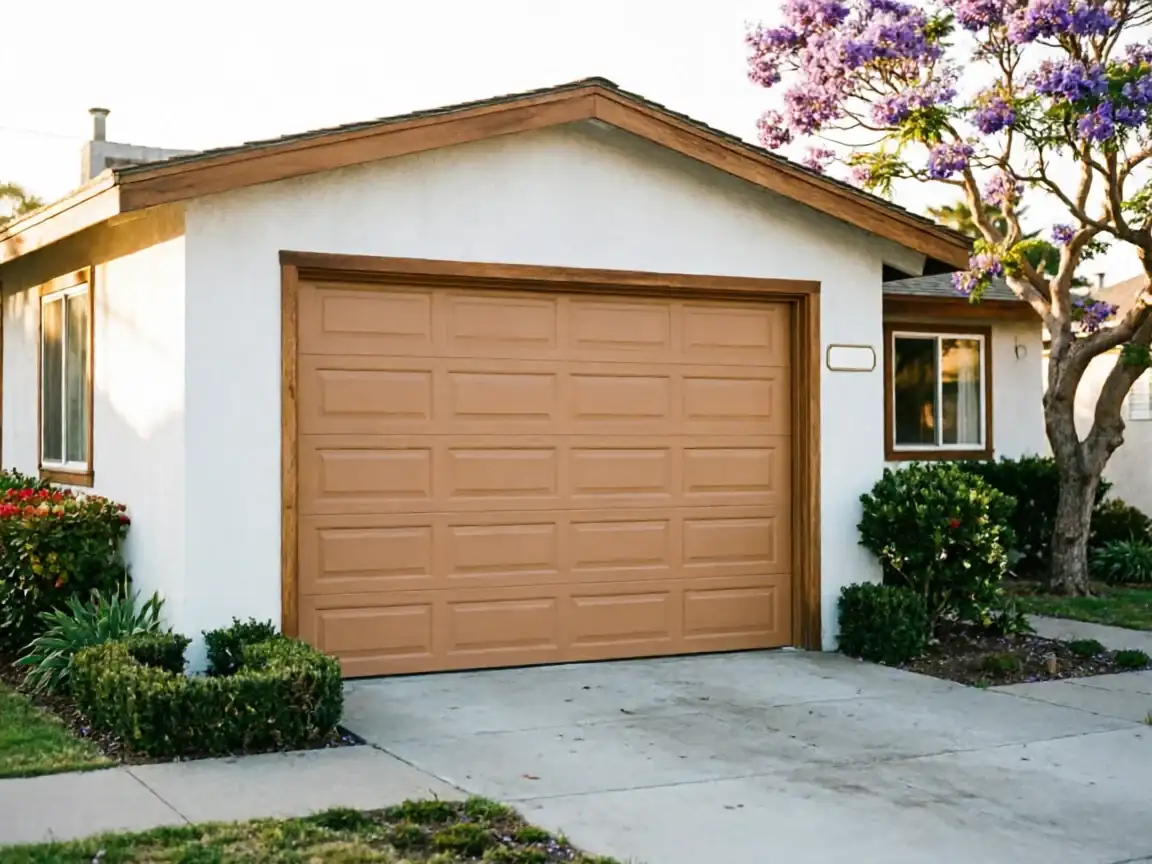
We don't have a Carson-specific price list to quote here, and giving you a number without seeing the door would be a guess dressed up as a fact. What we can tell you is what drives the cost on a house built around 1965, which is the median build year for this city: original garage openings in that era were sized for lighter, single-layer steel doors, so a straight swap to a heavier insulated door sometimes means new track and sometimes means new rollers too, not just a panel. If your opener is original to the house, the motor and the logic board behind it are both past any reasonable service life, and a repair quote on that unit is often money better spent on a new opener. We price the job after we've looked at the spring size, the track condition, and whether the header above the opening needs reinforcing for a heavier door. None of that is knowable from a phone call, so we're not going to pretend otherwise.
Parts We Carry
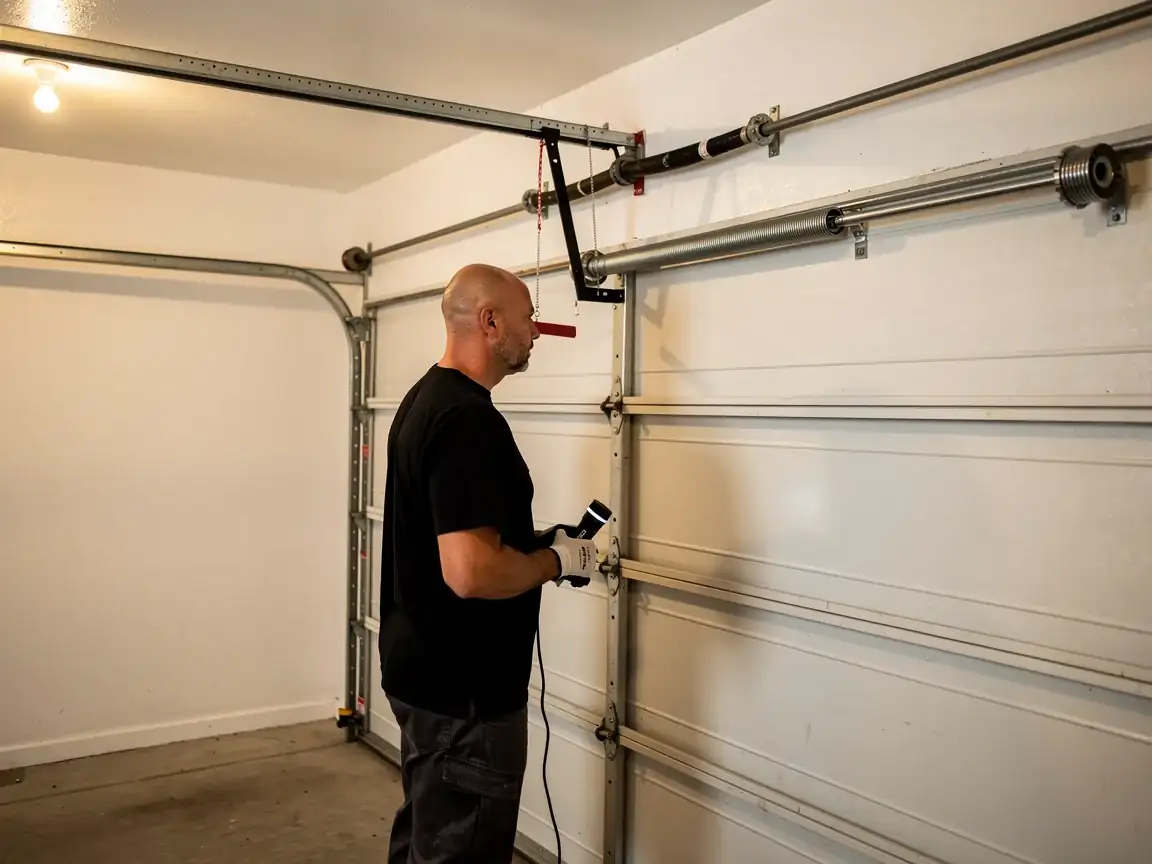
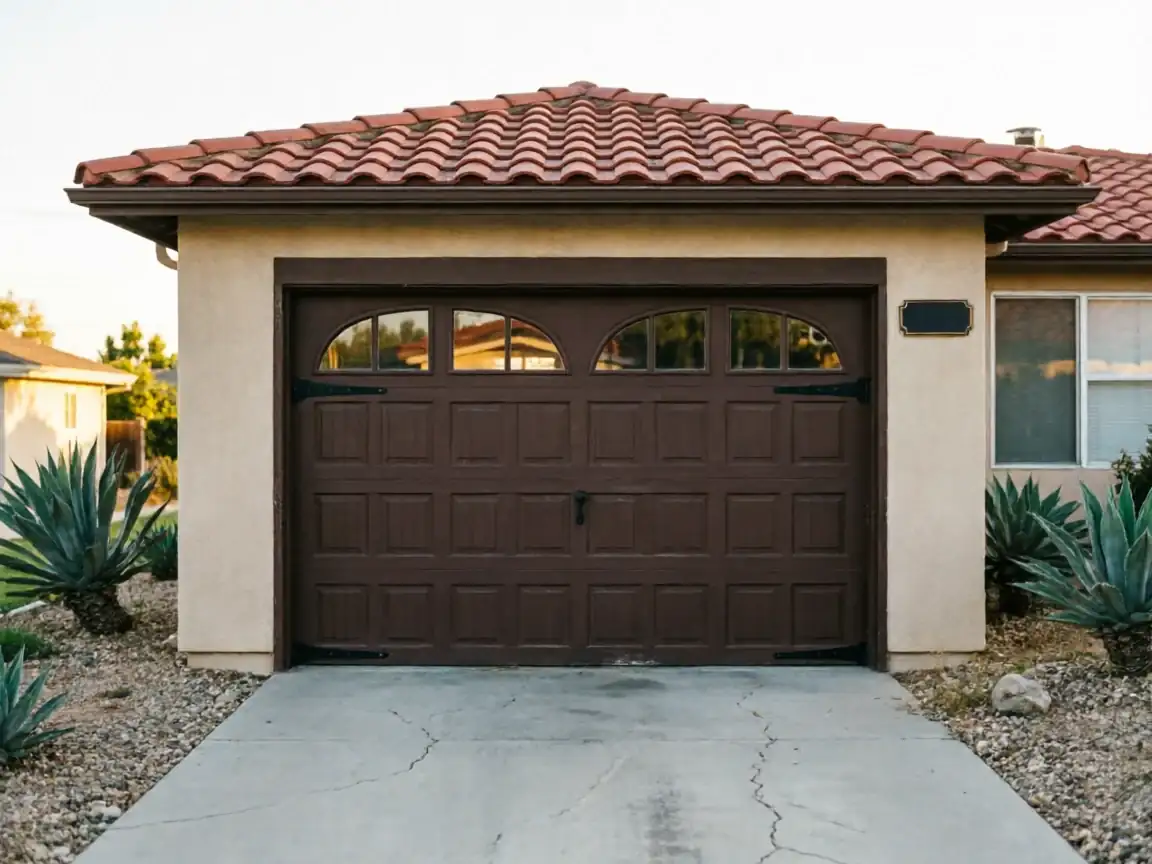
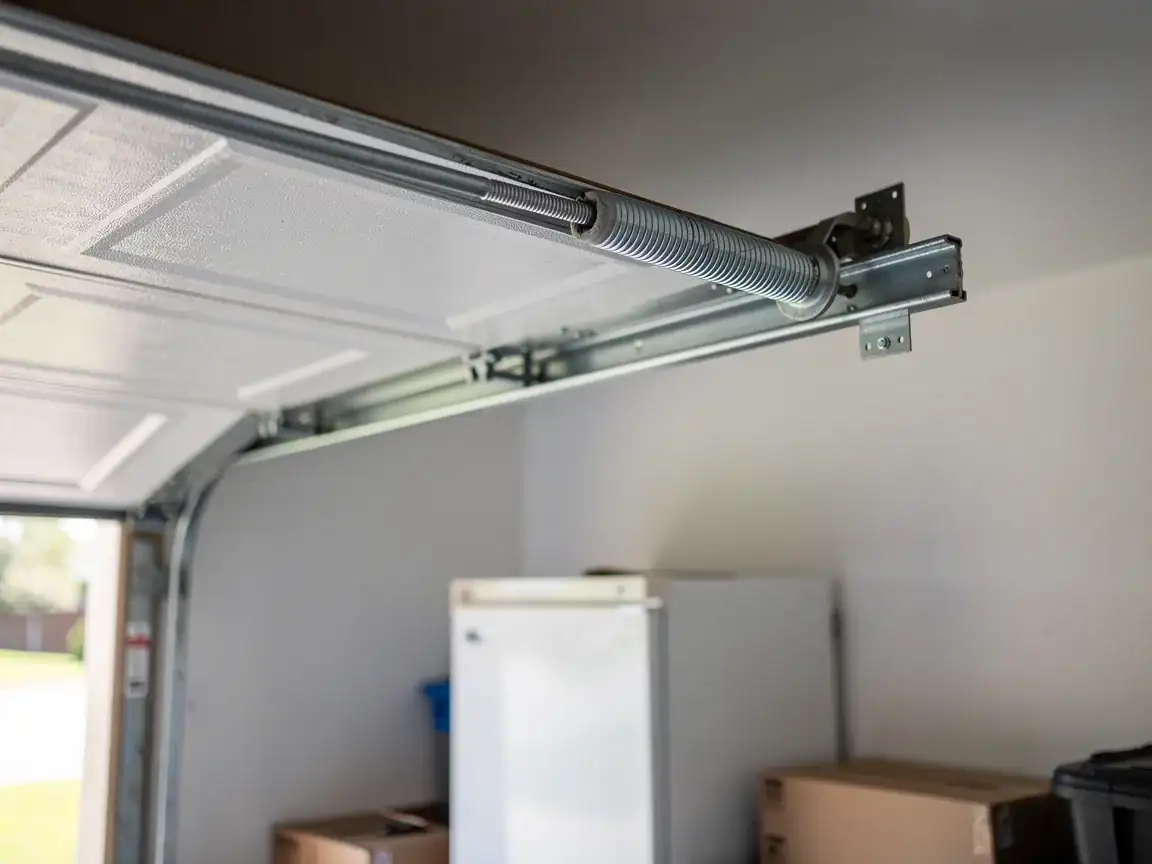
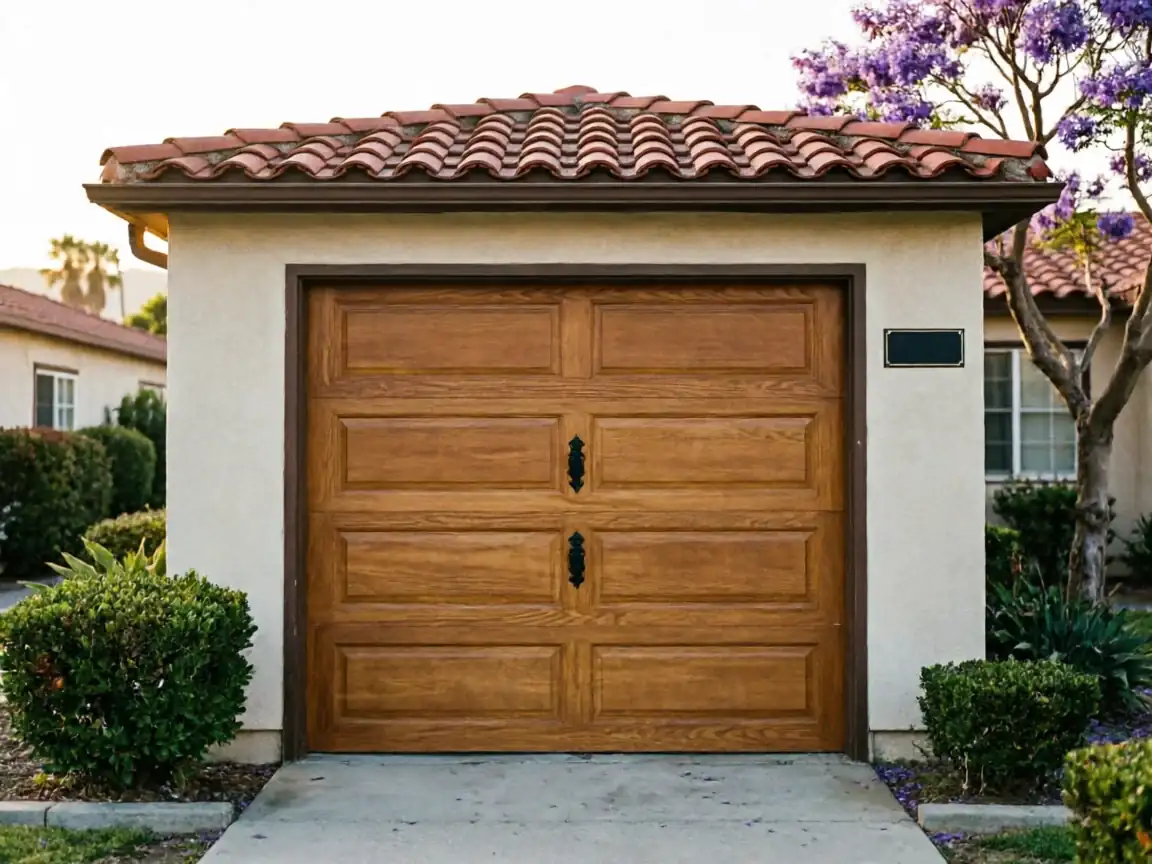
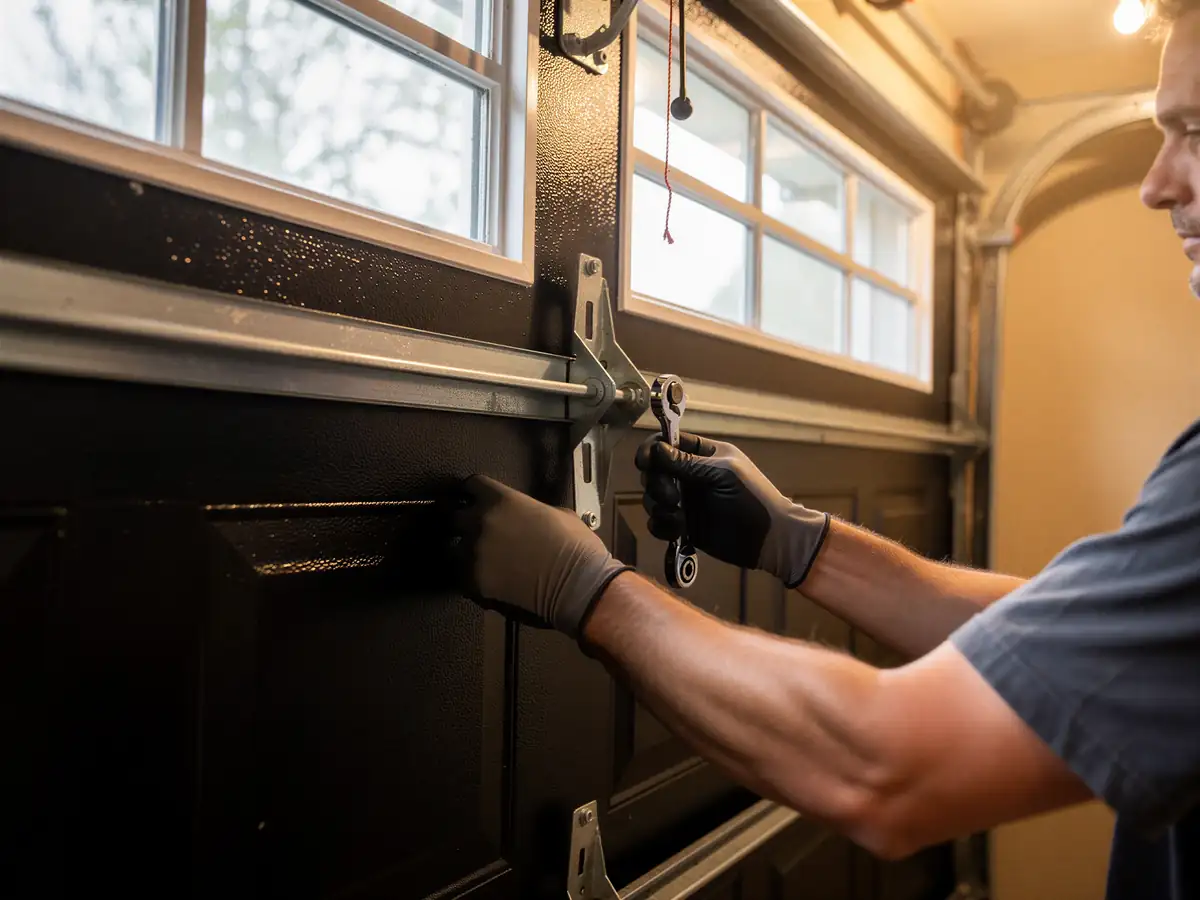
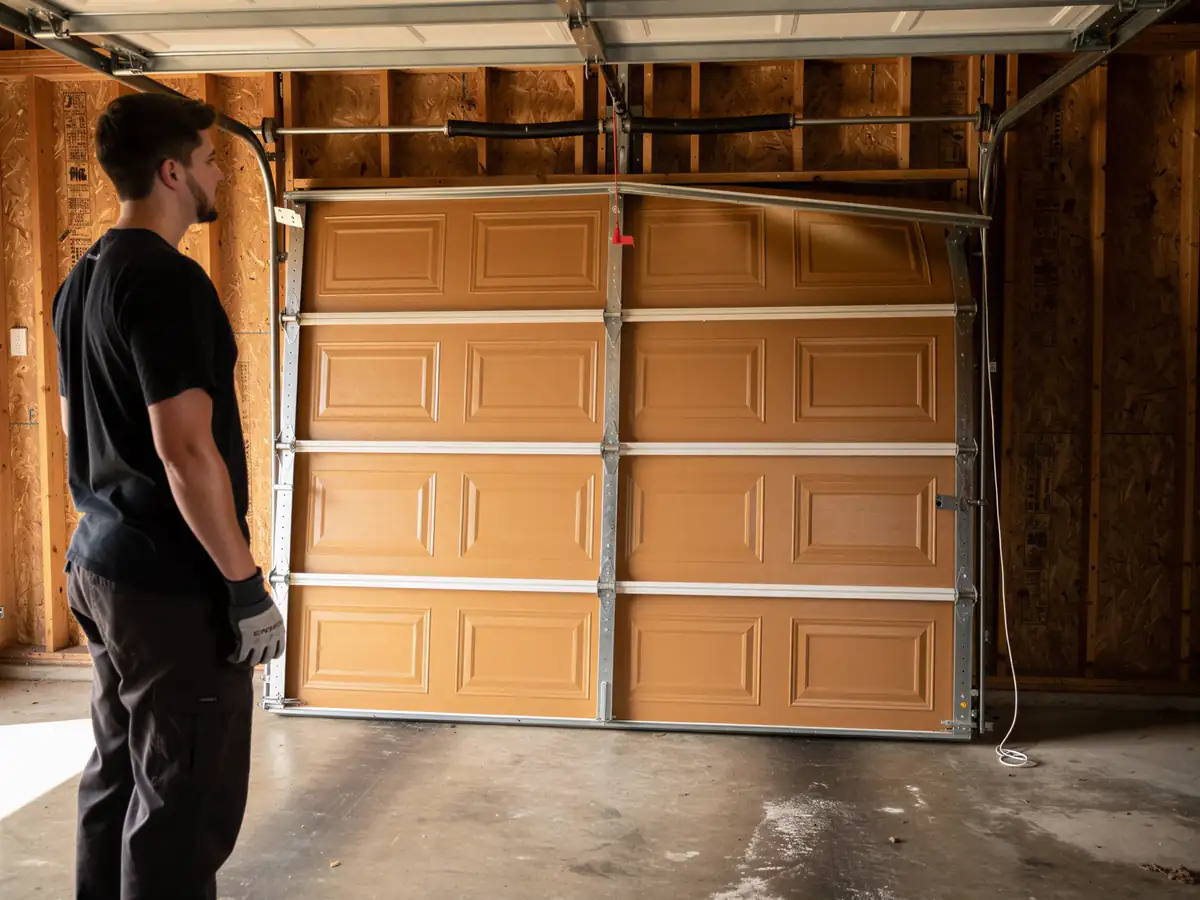
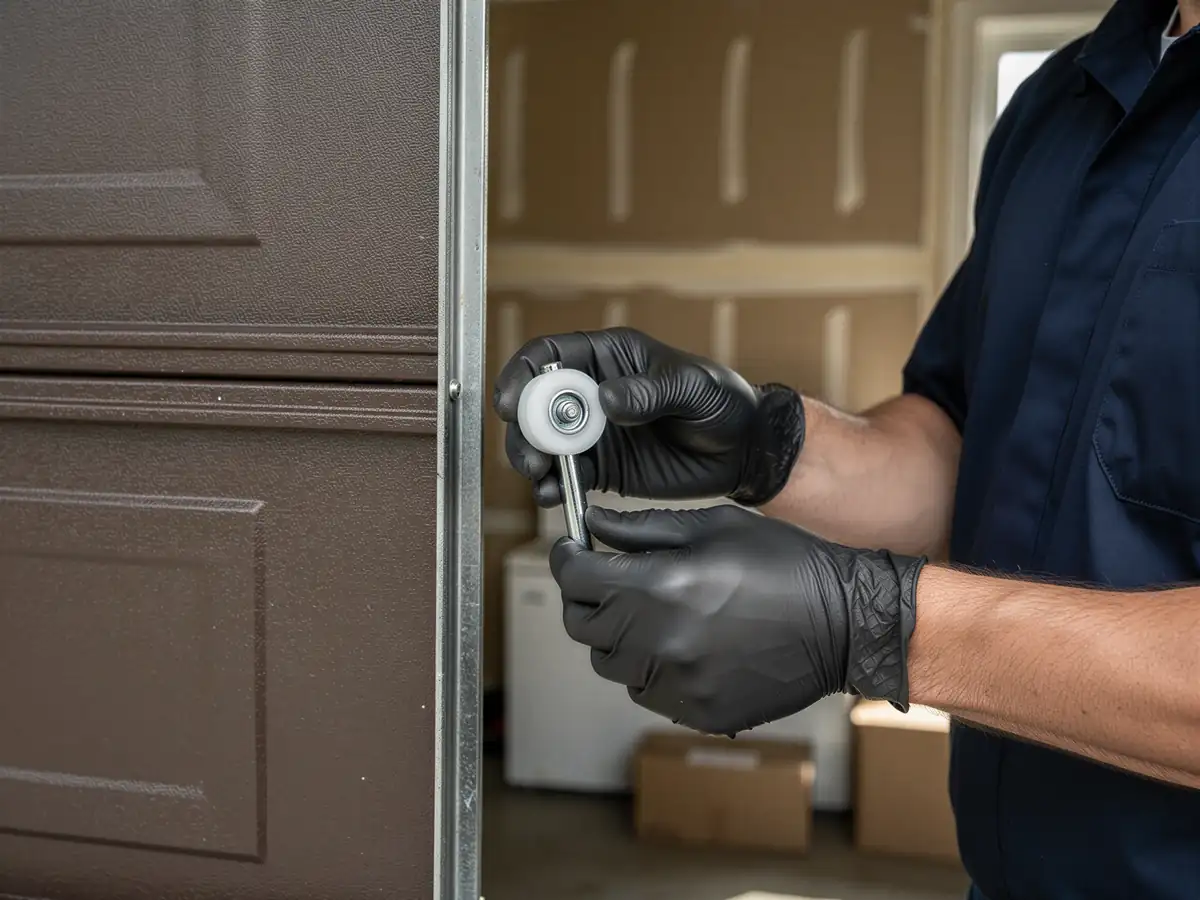
Because so much of the housing stock here dates to the mid-1960s, we carry torsion springs sized for the original single-door and double-door openings common to that construction, along with the galvanized lift cables and drums that wear out on hardware that old. We also stock standard rollers, both nylon and steel, and the hinges that go with them, since those are the parts that fail first on a door that's been opening and closing for close to sixty years. What we don't carry on the truck is custom-width track for a non-standard opening, or specialty low-headroom hardware, since that's a special-order item with a lead time we can't shorten. If your door needs one of those, we'll tell you up front rather than have you wait on a truck that isn't coming.
Why It Happens Here
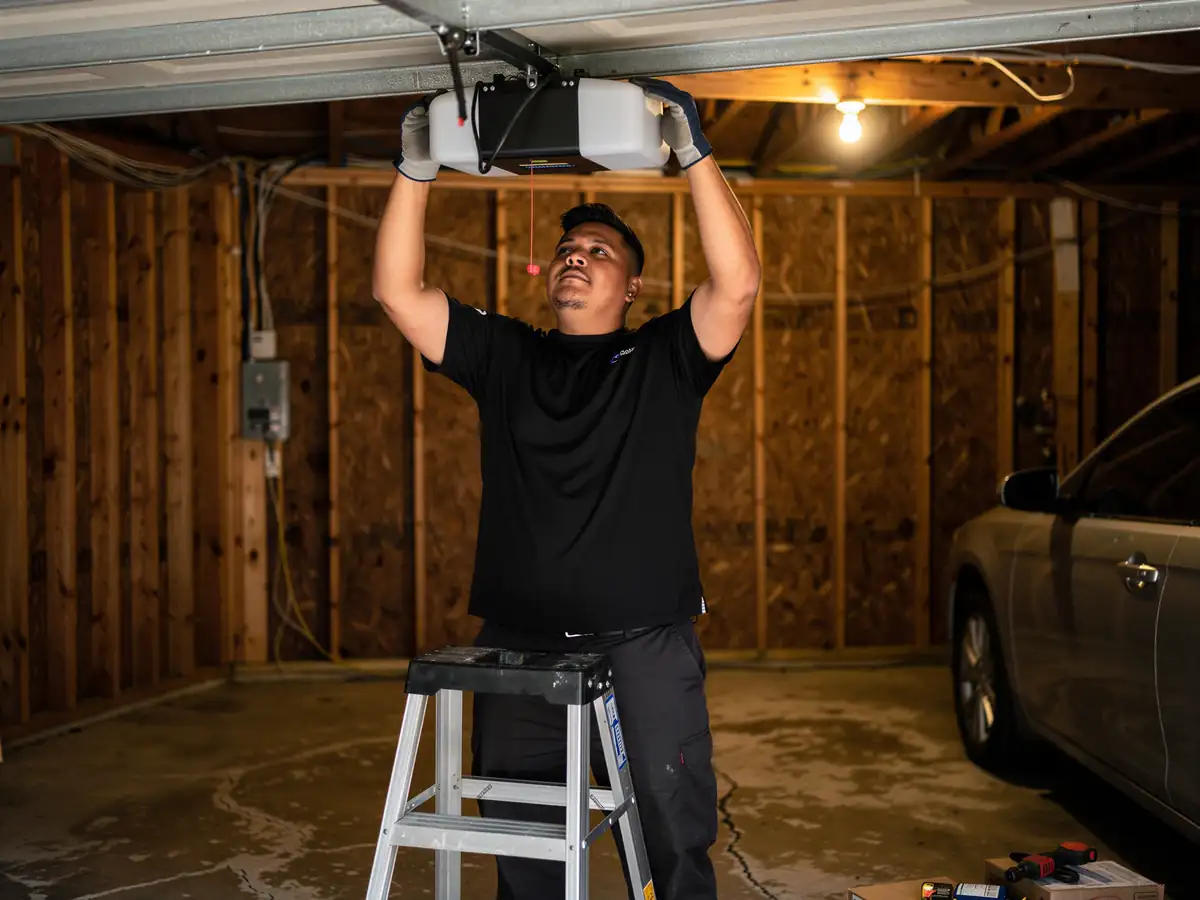
Carson sits about 6 miles from our Long Beach base, close enough that drive time isn't the issue, the housing age is. With a median build year of 1965 and roughly 26,406 households in the city, a large share of the garage doors we see on these calls are either original to the house or a like-for-like replacement installed decades ago on the same hardware. That means torsion springs that have outlived their wind-cycle rating, lift cables showing rust at the drum, and openers with capacitors that have long since dried out. The mild coastal-influenced climate here is easy on wood and steel compared to places with real freeze-thaw cycles, so corrosion isn't usually the driver. It's age and cycle count. A door that's opened and closed twice a day for close to sixty years has simply used up its parts, regardless of how well the weather's treated it.