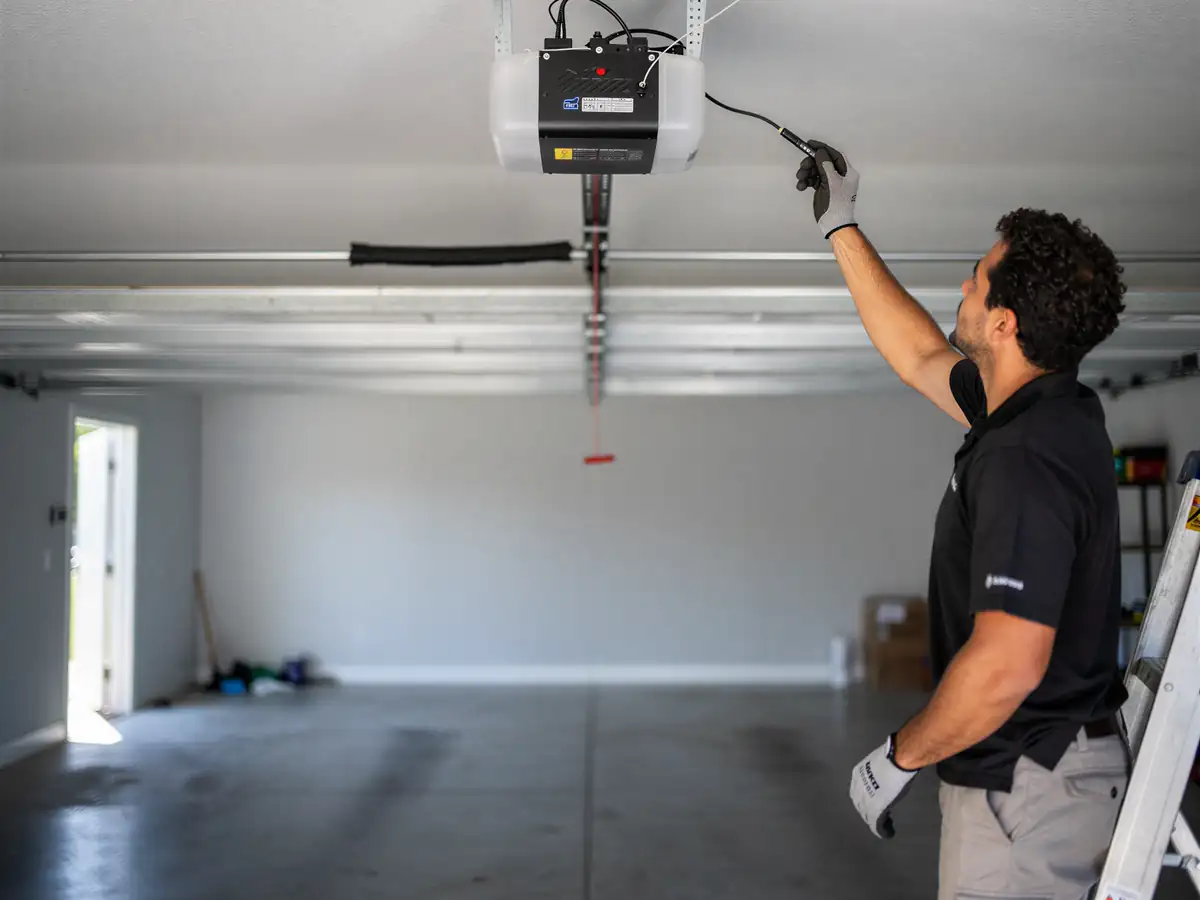
Where This Job Goes Sideways
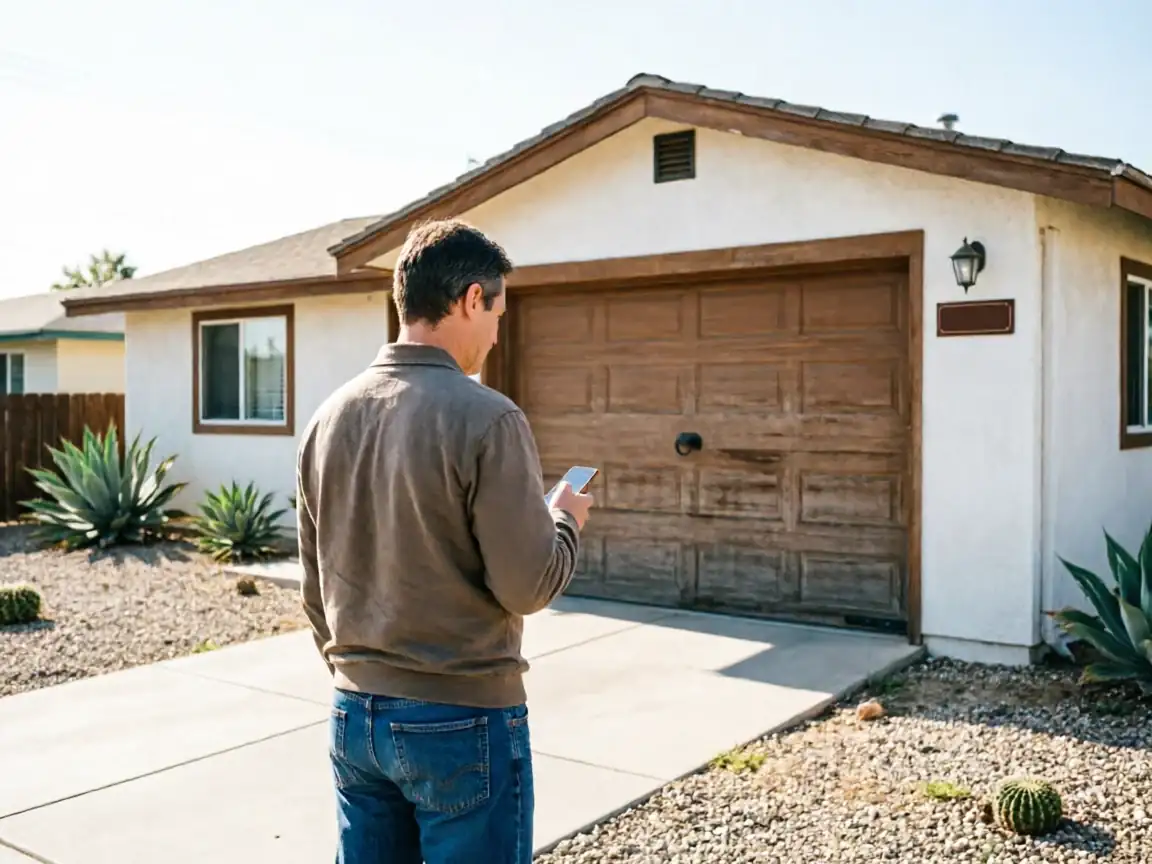
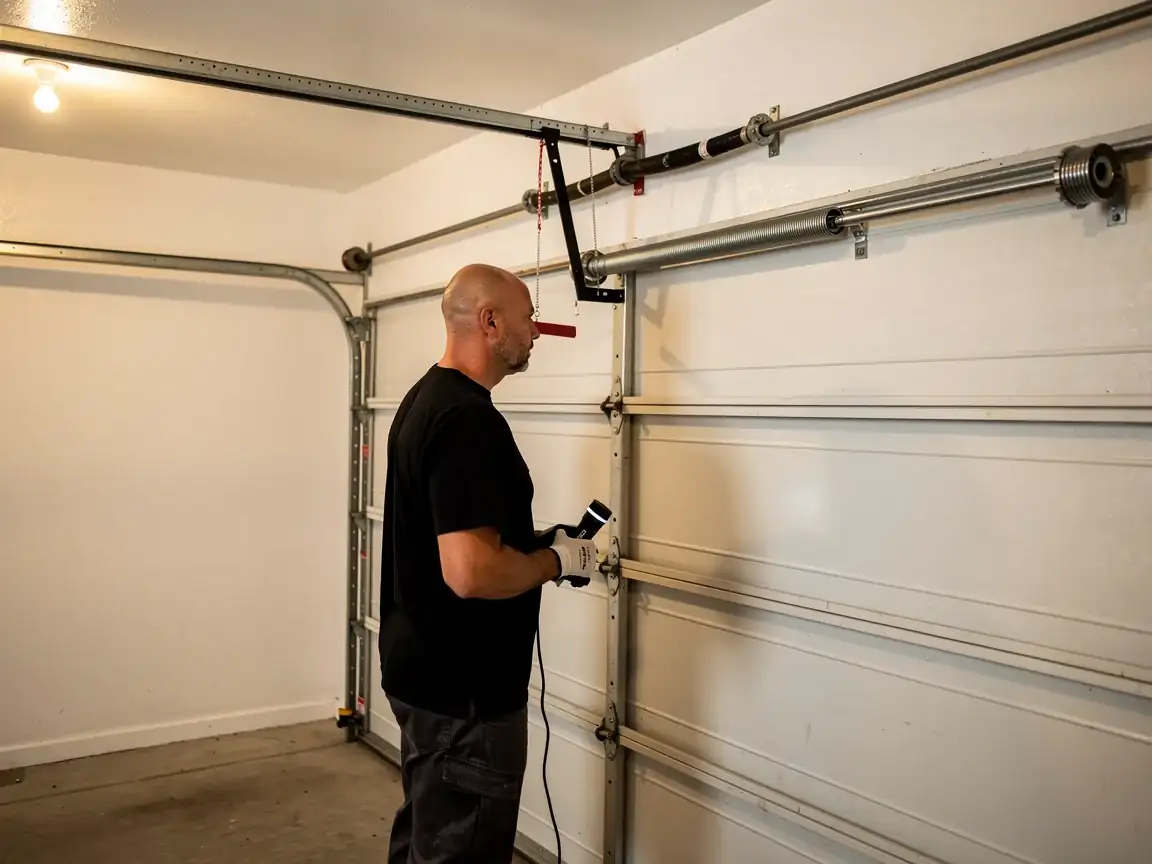
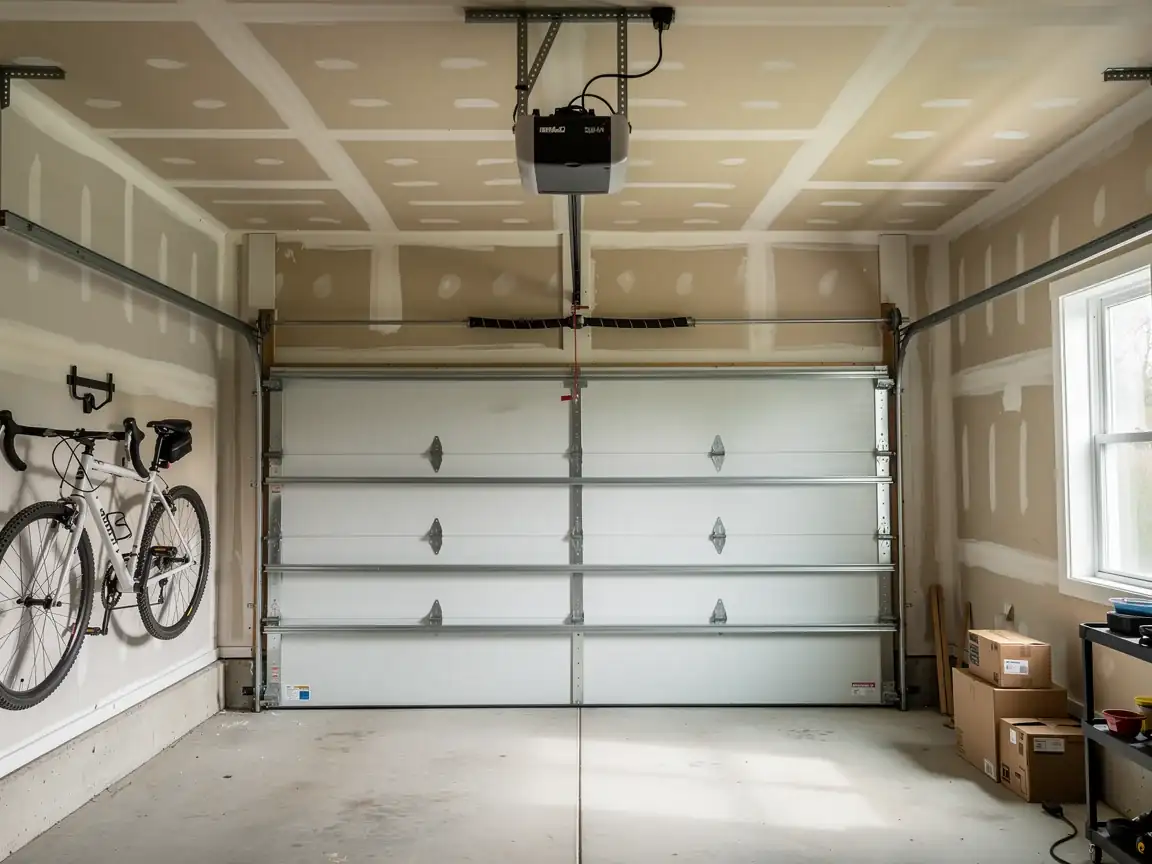
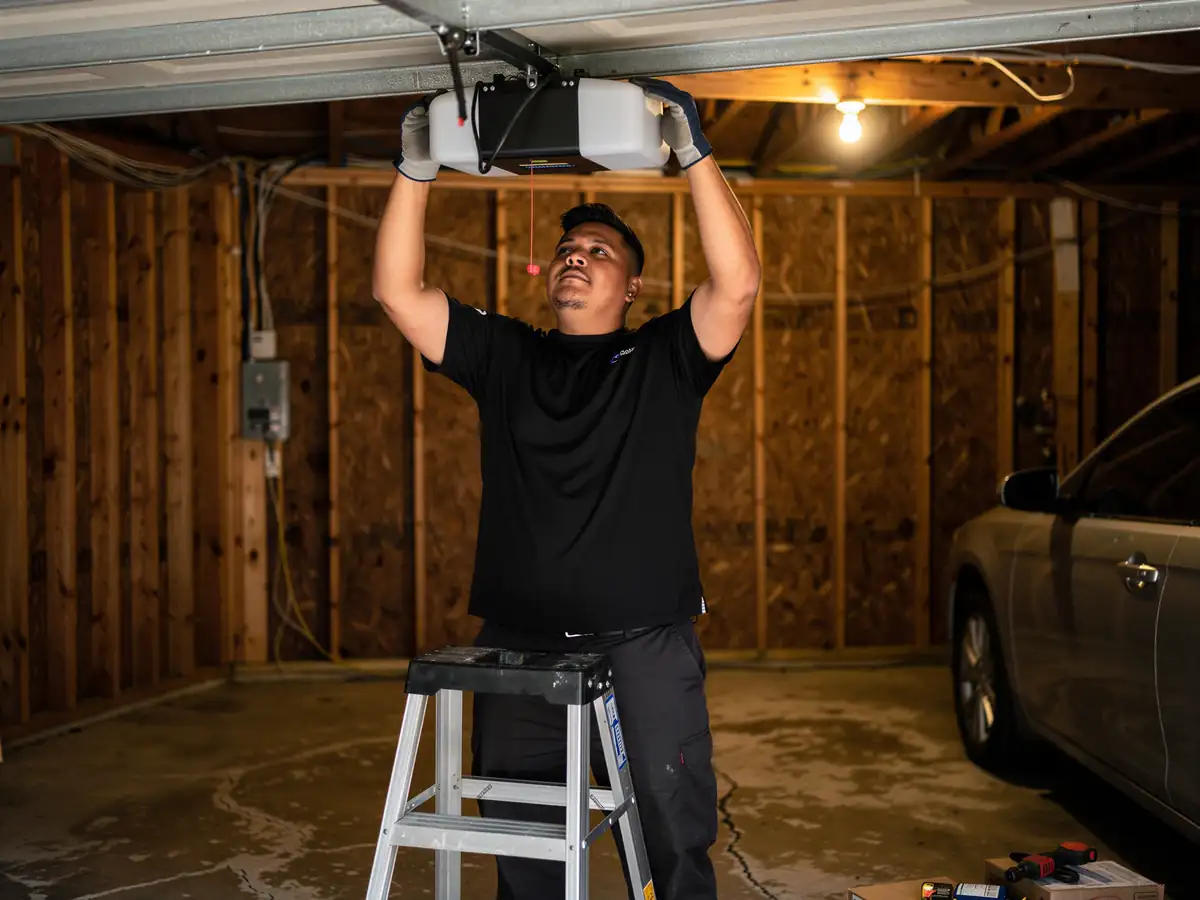
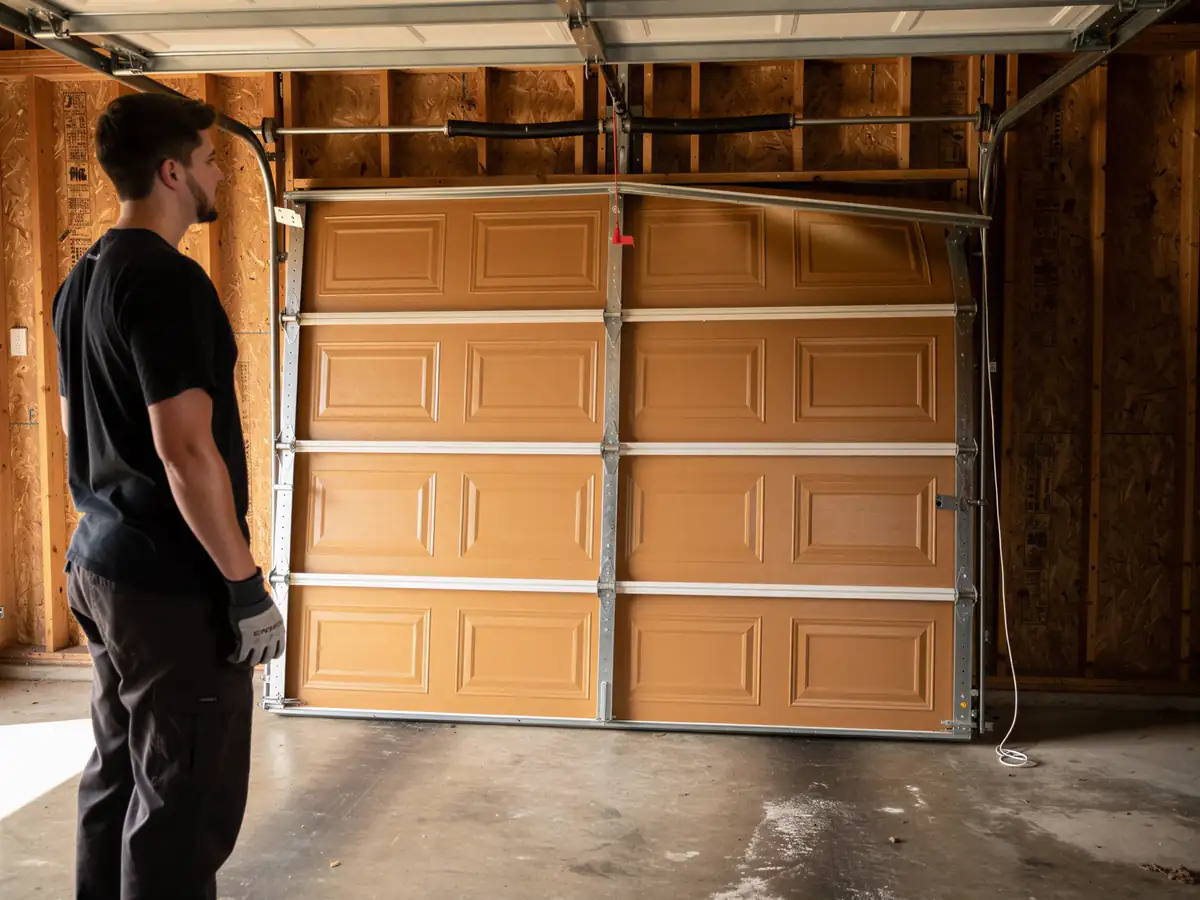
Most houses in Signal Hill went up around 1980, which puts a lot of original or first-replacement openers from the early-to-mid 80s still bolted to the ceiling joist. Those units predate the 1993 federal rule that required photo-eye safety sensors on new openers, so plenty of them in this area never had sensors added, or got a cheap aftermarket pair wired in wrong after a home inspection flagged it. That's where the trouble starts. A homeowner calls about a door that "won't close all the way" and it turns out the sensors are misaligned, missing, or wired to a logic board that's thirty years past its design life. Add a chain-drive unit that's been grinding for decades without anyone touching the gear sprocket, and you get a door that reverses randomly, won't respond to the wall button, or closes partway and kicks back up. We also see a lot of travel-limit drift on these older units - the door looks like it's not sealing, but the opener just doesn't know where "closed" is anymore. None of this is exotic. It's just old hardware doing what old hardware does, on a house built before most of the safety code existed.
What It Costs
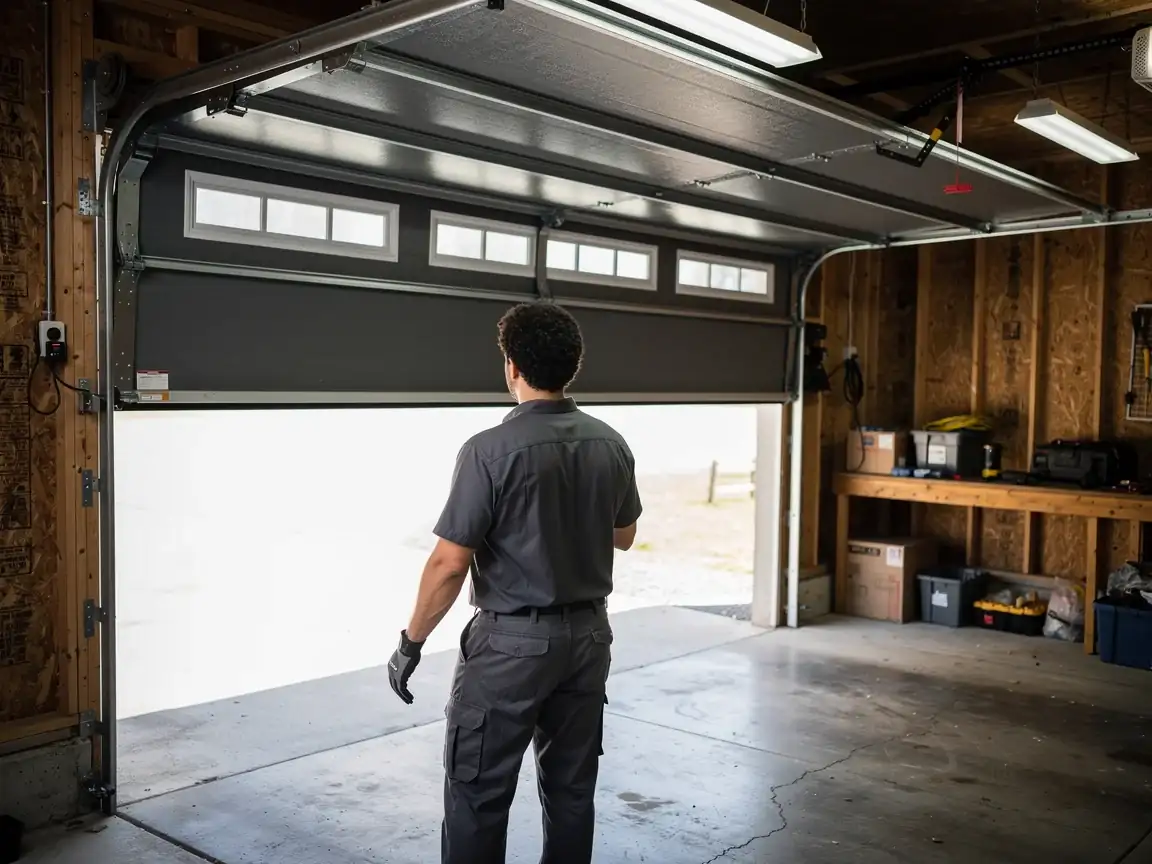
We don't post a flat number here because the spread between a sensor realignment and a full opener replacement is wide, and guessing a price without seeing the unit does nobody any favors. What we can tell you is what drives the cost: whether the logic board is original or already replaced once, whether the sensors need rewiring or just realignment, and whether your home is on a chain-drive unit from the original build or a later belt-drive swap. Signal Hill's median household income runs higher than much of the surrounding service area, and we've found owners here more often choose full replacement over patching a thirty-plus-year-old board once it starts failing, simply because they don't want to be back here in six months. That's a judgment call we'll walk you through on the call, not a push.
Can You Do This Yourself
Realigning safety sensors is genuinely a homeowner job - loosen the wing nut, line up the two LED eyes until the light stops blinking, tighten it back down. Reading the error-code blink pattern on a 1980s-era logic board is harder, because a lot of those boards never had a diagnostic display and the manual is long gone. If your opener is chain-drive and making a grinding or clicking noise from the motor housing, stop running it - that's usually a stripped gear or a failing capacitor, and running it to failure can take the garage door off its track on the way down. We'll say plainly: if your opener predates sensor-equipped models and you're not sure it has them at all, don't try to add them yourself. Miswired safety sensors are one of the more common causes of a door that closes on something it shouldn't.
How to Book
Call us and tell us what the door's doing - reversing, not responding, making noise, or just dead. We're based in Long Beach, about two miles from Signal Hill, so there's no long wait for a truck to cross town. Have the opener's brand and the approximate install year handy if you know it; on a house from the 1980 era that tells us a lot before we even arrive. You can also look at the Signal Hill garage door page for the rest of what we cover here, or the Long Beach opener repair page if you want the broader service details.